Trileptal (Oxcarbazepine) – Patient Guide (UK)
Trileptal is a medicine containing oxcarbazepine. It is used to treat certain seizure disorders and is also used in some cases as part of longer-term care for neurological conditions. This page explains how Trileptal works, how it’s usually taken, common safety considerations, and practical tips for everyday use in the United Kingdom.
Important: This information is for general guidance. Always follow the instructions provided by your healthcare team and read the patient information leaflet that comes with your medicine.
Basic product information
| Information | Details |
|---|---|
| Medicine name | Trileptal |
| Active ingredient | Oxcarbazepine |
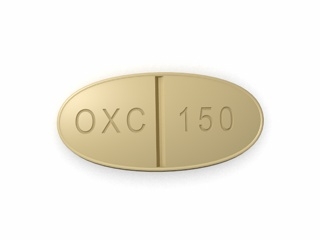
| Common strengths (may vary by formulation) | Tablets and oral suspension are available (strengths vary—check your pack) |
| Medicinal classification | Antiepileptic/antiepileptic (antiepileptic) medicine |
| How it works | Reduces abnormal electrical activity in the brain |
| Typical frequency | Often twice daily, depending on the dose plan |
How Trileptal works (mechanism of action)
Oxcarbazepine is an antiepileptic medicine. After you take it by mouth, your body converts it mainly into its active metabolite (often called MHD – monohydroxy derivative). The active metabolite helps stabilise nerve cell activity in the brain.
In simple terms, Trileptal:
- Helps control seizure activity by affecting voltage-gated sodium channels.
- May reduce the spread of abnormal electrical impulses through brain tissue.
- Supports a calmer electrical “baseline” so seizures are less likely to occur.
Not everyone responds the same way. Some people may notice seizure reduction within days to weeks, while others require a longer period for the dose to be optimised.
Pharmacokinetics: how the body processes oxcarbazepine
Pharmacokinetics describes what happens to the medicine in the body—absorption, metabolism, and elimination.
- Absorption: Oxcarbazepine is absorbed from the gut after swallowing.
- Metabolism: The body converts oxcarbazepine mainly into MHD, the major active component.
- Distribution: MHD circulates through the bloodstream and reaches target tissues, including the brain.
- Elimination: MHD is eliminated mainly via the kidneys.
- Half-life (practical meaning): The active metabolite generally lasts long enough for twice-daily dosing in many people.
Kidney function matters: Because elimination involves the kidneys, dose adjustments may be needed in people with renal impairment. Your clinician may also monitor you more closely.
What Trileptal is used for (indications) in the UK
Trileptal is an antiepileptic medicine used to treat certain seizure types. Depending on your individual diagnosis and clinical assessment, it may be used:
- For partial (focal) seizures with or without progression to secondarily generalised seizures.
- As monotherapy (alone) in suitable patients.
- As adjunctive therapy (with other medicines) in people who require combination treatment.
Your healthcare team will decide the most appropriate use based on seizure type, age, other medicines, and overall medical history.
Typical dosing and timing
Always follow your personalised dose instructions. The information below describes general principles, not your exact plan.
Starting doses and adjustment
- Trileptal is commonly started at a low dose and increased gradually.
- Dose increases are usually based on clinical response, tolerability, and any relevant blood tests.
- In children and adults, dosing is typically tailored by weight, age, and kidney function.
How to take it
- For many patients, Trileptal is taken twice daily, approximately 12 hours apart.
- If your prescribed schedule is different, follow that schedule.
- Try to take each dose at consistent times each day.
With or without food
Trileptal can be taken with or without food. Food usually does not significantly change overall absorption. However, taking it with food can sometimes help reduce stomach upset.
Missed dose
- If you miss a dose, take it as soon as you remember.
- If it is close to the next dose, skip the missed dose and continue as normal.
- Do not take a double dose to make up for a missed one.
Food interactions and dietary considerations
There are generally no specific dietary restrictions with oxcarbazepine. Most people can take Trileptal:
- With a meal, if that helps with tolerability.
- At any time of day, if it fits your planned schedule.
Practical tip: Keep dosing times consistent. If you tend to skip breakfast or have variable meal times, you may find it easier to set reminders for your scheduled doses.
Alcohol and medicine interactions
Alcohol
Alcohol can affect the nervous system and may worsen side effects such as:
- dizziness
- sleepiness
- unsteadiness
- reduced concentration
Advice: It’s best to limit or avoid alcohol. If you choose to drink, do so cautiously and discuss it with your healthcare team, especially if you notice increased drowsiness or balance problems.
Other medicines
Oxcarbazepine can interact with other medicines. Some interactions can alter how well medicines work or increase side effects.
Be particularly careful and seek advice if you take:
- Hormonal contraceptives (including the pill, patch, ring). Some antiepileptic medicines can reduce contraceptive effectiveness.
- Medicines that lower sodium (e.g., certain diuretics, antidepressants such as SSRIs, or other drugs associated with hyponatraemia).
- Other antiepileptic drugs (changes in dose or monitoring may be needed).
- Some medicines processed by liver enzymes, where interaction effects may occur.
- Medicines affecting kidney function or fluid balance.
Always tell your pharmacist and prescriber about all medicines, including over-the-counter products, herbal remedies, and supplements.
Safety profile: side effects and important warnings
Most people tolerate Trileptal well, but like all medicines it can cause side effects. Some side effects are common and mild; others are rare but serious and need prompt medical attention.
Common side effects
- Dizziness
- Headache
- Sleepiness or fatigue
- Nausea
- Balance problems or unsteadiness
- Blurred vision or double vision
Blood sodium (hyponatraemia) – a key risk
Oxcarbazepine can cause hyponatraemia (low sodium levels). This is one of the most important safety issues to monitor.
Symptoms to watch for:
- unusual tiredness or weakness
- headache
- confusion
- nausea/vomiting
- muscle cramps or spasms
- more severe drowsiness or worsening balance
Your clinician may arrange blood tests (including sodium) especially when starting treatment, increasing the dose, or if you have risk factors.
Allergic and skin reactions
Serious skin reactions are rare but possible. Seek urgent medical advice if you develop:
- rash that spreads quickly
- blistering or peeling skin
- mouth ulcers
- facial swelling or trouble breathing
- fever with rash
Other potential serious effects (seek advice promptly)
- Signs of severe allergic reaction
- Unexplained bruising or bleeding (rare)
- Severe persistent vomiting or marked worsening of wellbeing
- Signs of worsening seizure control or new seizure patterns
Do not stop suddenly: Stopping antiepileptic medicines abruptly can increase the risk of seizures. If you need to change therapy, your clinician will advise on a safe plan.
Practical use tips for day-to-day living
- Use a routine: Take doses at consistent times (e.g., morning and evening).
- Medication organiser: A dosette box or blister pack can help prevent missed doses.
- Be cautious with driving and machinery: If you feel dizzy or drowsy, avoid driving and operating machinery.
- Hydration and sodium awareness: Follow your clinician’s guidance. If you’re advised to monitor fluid intake or have blood tests, stick to the plan.
- Report side effects early: Early discussion often helps with dose adjustments or supportive measures.
- Keep a seizure diary: Note dates, times, triggers, and any side effects after dose changes.
- Check your other medicines: If you start a new product (including over-the-counter treatments), ask your pharmacist about interactions.
Special populations: who needs extra care?
- Kidney impairment: Because MHD is cleared via the kidneys, dosing may need adjustment and monitoring may be more frequent.
- Older adults: Older people may be more susceptible to dizziness and hyponatraemia; review may be needed.
- People with a history of low sodium: Additional monitoring is often recommended.
- Women who are pregnant or planning pregnancy: Antiepileptic treatment requires careful risk-benefit discussion. Do not change therapy without professional advice.
- Children and adolescents: Dosing is tailored and monitoring is important for growth, tolerability, and seizure control.
Alternative options to Trileptal
There are other antiepileptic medicines that may be considered depending on your seizure type, age, and health profile. Your clinician will choose based on effectiveness, side effect profile, and interactions.
Common alternatives (examples):
- Levetiracetam
- Lamotrigine
- Carbamazepine (related class; not identical—discuss safety differences)
- Valproate (used in selected cases; suitability depends on individual factors)
- Topiramate
- Lacosamide or Brivaracetam (depending on indication)
Note: Switching between antiepileptic medicines is not always straightforward. If you are considering changes, ask your clinician about a tapering plan and monitoring needs.
UK market and legal context (overview)
In the United Kingdom, Trileptal is regulated medicine and its supply is subject to UK medicines law and pharmacy regulations. Medicines are categorised based on legal classification and safety requirements. Online pharmacies in the UK must operate under applicable regulatory frameworks to ensure safe supply, appropriate checks, and correct information for patients.
Because Trileptal is used for neurological conditions, UK healthcare systems emphasise:
- Appropriate identification and counselling to reduce medication errors.
- Monitoring for known risks such as hyponatraemia.
- Consistency of formulation and dosing where possible.
Recent guidance (general principles): Clinical practice commonly stresses ongoing review of seizure control and side effects, use of blood monitoring where relevant (e.g., sodium), and careful consideration of interactions with other medicines and contraceptive methods. Always follow updates from your healthcare team and local protocols.
Delivery and availability in the UK
Availability may depend on formulation (tablets vs oral suspension), strength, and stock levels. When ordering from an online pharmacy, you can typically expect:
- Standard and express delivery options depending on the service provider.
- Secure packaging to protect tablets or the bottle and ensure safe transit.
- Updates on dispatch and delivery timing via email or account notifications.
Stock and dispatch times: If your exact strength or formulation is temporarily unavailable, a pharmacy may contact you or offer an alternative supply arrangement consistent with legal and clinical safety requirements.
FAQ
1) How quickly does Trileptal work?
Some people notice improvement within days to weeks, but seizure control often takes time as the dose is adjusted. Consistent dosing and follow-up are important.
2) Can I take Trileptal with food?
Yes. Trileptal can be taken with or without food. If you feel nauseated, taking it with a meal may help.
3) What should I do if I feel dizzy or unsteady?
Dizziness and unsteadiness are relatively common side effects. Avoid driving or using machinery until you know how you respond. Contact your healthcare team if symptoms persist or worsen—dose adjustment may be needed.
4) Why do I need blood tests?
Trileptal can lower sodium levels (hyponatraemia). Blood tests help check safety, particularly when starting treatment, increasing dose, or if you’re at higher risk.
5) Is it safe to drink alcohol while taking Trileptal?
Alcohol may increase side effects such as dizziness and drowsiness. It’s best to avoid or keep alcohol to a minimum and discuss your situation with your healthcare team.
6) Can Trileptal interact with contraception?
Some antiepileptic medicines can reduce the effectiveness of hormonal contraceptives. If you use contraception, ask your pharmacist or clinician for specific advice about the best method while taking oxcarbazepine.
7) What happens if I miss a dose?
Take it when you remember unless it’s nearly time for the next dose. Do not take a double dose. If you are unsure, ask your pharmacist.
8) Should I stop Trileptal if I feel better?
No—do not stop without professional advice. Stopping suddenly can trigger seizures. Any change should be planned and supervised.
9) Can Trileptal be used in children?
Yes, it may be used in children for appropriate seizure types. Dosing is weight- and age-specific and requires careful monitoring.
10) Are there alternatives if Trileptal doesn’t suit me?
There are other antiepileptic medicines. The best alternative depends on your seizure type, existing medicines, and your medical history.
Need help choosing the right medicine plan?
If you have questions about how to take Trileptal, managing side effects, or possible interactions with your current medicines, speak to your pharmacist. They can help you understand your dosing schedule, recognise warning signs, and make sure you’re using your medicine safely.