
Urispas (Flavoxate Hydrochloride) – Patient Guide (UK)
Urispas is a medicine used to relieve symptoms related to the bladder, particularly where bladder muscle spasms or overactivity may be contributing. This guide explains what Urispas is, how it works, how to take it, what to watch out for, and where to find helpful alternatives if you need them.
| Category | Details |
|---|---|
| Medicine | Urispas |
| Active ingredient | Flavoxate hydrochloride |
| What it’s used for | Relief of bladder discomfort, urgency and frequency associated with bladder spasms/irritability |
| Common symptoms it may help | Urinary frequency, urgency, bladder spasm-related discomfort |
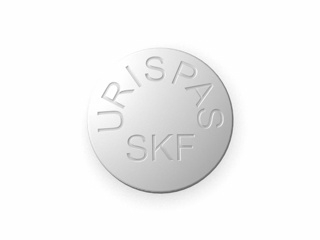
| Typical form | Tablets (strengths may vary by presentation) |
Important: when to seek medical advice urgently
While Urispas may help with bladder spasm symptoms, it does not replace proper medical assessment for certain conditions. Contact a clinician promptly or seek urgent help if you have:
- Blood in the urine
- Fever, chills, or feeling unwell
- Back/flank pain (pain in the side of your body), which may suggest kidney involvement
- Severe or worsening pain
- Symptoms of urinary infection that persist or return quickly
- New symptoms if you are pregnant, have significant kidney problems, or are immunocompromised
How Urispas works (mechanism of action)
Flavoxate belongs to a group of medicines known for their spasm-relieving (antispasmodic/urospasmolytic) effects. In simple terms, it works by helping to calm and relax the muscles involved in bladder contractions. This can reduce uncomfortable bladder “cramps” and may lessen symptoms such as:
- Urgency (a sudden need to pass urine)
- Frequent urination associated with bladder irritability
- Spasm-related discomfort in the lower abdomen/pelvis
Note: Urispas is intended to relieve bladder symptoms. If your symptoms are due to a bacterial urinary tract infection (UTI), Urispas alone will not treat the infection. Medical assessment is important when infection is suspected.
Pharmacokinetics: what happens in the body
Pharmacokinetics describes how the body absorbs, distributes, metabolises, and eliminates a medicine. While exact rates can vary by individual, the general principles for flavoxate are:
- Absorption: After taking by mouth, flavoxate is absorbed through the digestive tract.
- Distribution: It reaches tissues involved in bladder function.
- Metabolism: The medicine is broken down (metabolised) in the body.
- Excretion: Metabolites are removed primarily via the kidneys, with urinary elimination.
Because elimination involves the kidneys, individuals with kidney impairment should be cautious and follow clinical advice.
What Urispas is typically used for (indications)
Urispas is commonly used for symptoms that are thought to be due to bladder spasms or bladder irritability, such as:
- Bladder spasm-related urinary discomfort
- Urinary urgency
- Increased frequency of urination associated with bladder instability
It may be recommended in adults where symptoms are consistent with bladder muscle overactivity, particularly if there are no signs suggesting a more serious condition. Your healthcare professional can confirm the most likely cause of your symptoms.
Dosing: how to take Urispas
Always follow the instructions provided with your product and seek advice if you are unsure. Typical adult dosing schedules used for flavoxate products vary by strength and formulation.
| Patient group | Typical dosing approach (general guidance) |
|---|---|
| Adults | Often taken several times per day to maintain symptom relief. The exact number of doses per day and tablet strength should follow the product label and healthcare advice. |
| Children | Use in children should only be based on medical guidance and the authorised product information for age. |
Timing and spacing
- Try to take your doses at evenly spaced times across the day.
- If you miss a dose, take it when you remember unless it is close to the next dose—then skip and continue as normal.
- Do not take a double dose to make up for a missed tablet.
How long to use it
For symptom-relief medicines, improvement may be noticed within the first few days for some people. However, bladder symptoms may have different causes (e.g., infection, kidney stones, prostate-related issues, interstitial cystitis, or overactive bladder). If symptoms do not improve within a few days, or if they worsen, it’s important to seek medical advice rather than continuing indefinitely.
Can I take Urispas with food?
Many antispasmodic medicines can be taken with or without food. In practice, taking Urispas with a small meal can reduce the chance of stomach upset for some people. If your product leaflet specifies a particular approach, follow that guidance.
- With food: Often well tolerated.
- On an empty stomach: May still be acceptable, but if you feel nausea or discomfort, take with food.
Alcohol and Urispas: is it safe?
Alcohol can irritate the bladder in some people and may worsen urinary urgency or dehydration-related symptoms. Alcohol may also increase the chance of side effects such as dizziness or drowsiness.
- If you choose to drink alcohol, do so moderately.
- Stop drinking and seek advice if you notice worsening urinary symptoms or feel unwell after taking Urispas.
Medicine interactions: what to consider
Interactions can occur when another medicine affects how flavoxate works, or when flavoxate adds to the effects of other drugs. Always check with a pharmacist or clinician if you are taking other medicines—especially if you are on:
- Other medicines that may affect bladder function (e.g., antimuscarinics for overactive bladder)
- Medicines with anticholinergic effects (may contribute to dry mouth, constipation, blurred vision)
- Medicines that cause drowsiness (combined effects may increase impairment)
If you take multiple medicines, it helps to keep an updated list of your medicines (including over-the-counter products) and show it to a healthcare professional.
Safety profile: common and important side effects
Like all medicines, Urispas may cause side effects. Not everyone will experience them. Side effects can include:
Common side effects (may affect some people)
- Stomach upset
- Nausea
- Dizziness
- Dry mouth (or reduced salivation)
Seek medical advice if you experience
- Signs of an allergic reaction: rash, itching, swelling of the face/lips, or difficulty breathing
- Severe or persistent dizziness
- Marked changes in urine output or severe worsening of urinary symptoms
Who should take extra care
- People with kidney problems: Because elimination involves the kidneys, dose and suitability may need adjustment.
- People prone to constipation or bowel slowing: If you notice worsening constipation, stop and get advice.
- People with glaucoma (narrow-angle): Medicines with anticholinergic-type effects may be unsuitable.
- Those who are older: Side effects like dizziness or dry mouth may be more noticeable.
If you are unsure about your suitability, discuss with a pharmacist—especially if you have existing medical conditions or take several other medicines.
Practical use tips for bladder symptom relief
Medicines can help, but day-to-day habits often influence symptom control. These tips are commonly helpful for bladder urgency and frequency:
- Hydration: Drink water regularly rather than large amounts at once.
- Avoid bladder irritants: Some people find caffeine (tea/coffee/energy drinks), alcohol, and fizzy drinks worsen urgency.
- Bladder training: Gradually increasing the time between bathroom visits can help some people with urgency patterns.
- Warmth and comfort: A warm bath or heat pad may reduce spasm-like discomfort.
- Track triggers: Note what you eat/drink and when symptoms occur to identify personal triggers.
If your symptoms started suddenly, are accompanied by burning on urination, or you have fever, bladder pain, or cloudy/foul-smelling urine, consider the possibility of UTI and seek assessment.
Alternative options (UK)
If Urispas does not provide sufficient relief, or if another cause is suspected, alternatives may include both non-medicine approaches and different medicines depending on the underlying reason for symptoms.
Non-medicine options
- Fluid and diet adjustments (reduce bladder irritants)
- Bladder training and pelvic floor exercises
- Continence products if needed for comfort while symptoms settle
Medicine options (examples—your clinician/pharmacist will advise)
- UTI-focused treatment if infection is confirmed (antibiotics are required for bacterial infections)
- Overactive bladder medicines in certain cases (these may include antimuscarinic agents or mirabegron-type therapies, depending on suitability)
- Pain/condition-specific treatments if interstitial cystitis or other chronic bladder conditions are diagnosed
The “best” alternative depends heavily on the cause of symptoms—so it’s worth getting the correct diagnosis if symptoms persist.
Market and legal context in the United Kingdom
In the UK, medicines are regulated by the Medicines and Healthcare products Regulatory Agency (MHRA) and are supplied according to their classification (for example, pharmacy-only, general sale list, or prescription-only depending on the product). Availability and the way you purchase Urispas (including whether it is accessible via online pharmacy services) can vary by formulation and current regulatory classification.
Online pharmacies in the UK must follow relevant legal requirements, including safe supply practices, assessment of suitability, and provision of product information. If you’re unsure about eligibility or safe use, a pharmacist can help.
Recent guidance and best-practice considerations
Bladder symptom management guidance in the UK commonly emphasises:
- Identifying the underlying cause (infection vs bladder overactivity vs other conditions)
- Not masking serious symptoms such as fever, blood in urine, or severe flank pain
- Using symptom-relief medicines appropriately and reassessing if there is no improvement
- Checking medicine interactions when taking multiple treatments
Since guidance can evolve, it is wise to follow the advice on the product pack and consult healthcare professionals for up-to-date recommendations.
Delivery and availability (UK)
Urispas availability may vary by strength and pack size. An online pharmacy typically offers:
- Standard delivery: often 2–5 working days depending on the supplier
- Express options: may be available for eligible postcodes
- Discreet packaging: commonly used for comfort and privacy
Stock levels can change, so delivery times are best checked at checkout. If a pack is temporarily unavailable, some online pharmacies may offer restock notifications or comparable alternatives.
FAQ about Urispas (Flavoxate)
1. What is Urispas used for?
Urispas (flavoxate) is used to help relieve bladder discomfort related to bladder spasm or irritability, which can contribute to urinary urgency and frequency.
2. How quickly should I feel better?
Some people notice symptom improvement within the first few days. If there is no improvement after a short trial, or if symptoms worsen, seek advice to check for an underlying cause such as a UTI.
3. Can I take Urispas with other bladder medicines?
You should check with a pharmacist before combining bladder-related medicines. Some medicines can add to side effects such as dry mouth, constipation, or blurred vision.
4. Is Urispas suitable for everyone?
Not necessarily. Extra caution is needed for people with kidney problems, older adults who may be more sensitive to side effects, and those with certain eye or bowel conditions. Always follow the product information and ask a pharmacist if you have any concerns.
5. What should I do if I miss a dose?
Take it when you remember unless it is close to the next dose. If it’s almost time for the next dose, skip the missed one and continue as normal. Do not take a double dose.
6. Can I drive or operate machinery?
Some people may feel dizzy. Until you know how Urispas affects you, be cautious when driving or using machinery, particularly after your first dose or if you notice dizziness.
7. Does Urispas treat urinary tract infections?
Urispas can help with bladder spasm symptoms, but it does not treat bacterial infections. If you have symptoms suggestive of a UTI (burning, fever, feeling unwell, worsening pain), seek medical advice.
8. Can I drink alcohol while taking Urispas?
Alcohol may worsen bladder symptoms for some people and may increase side effects. If you choose to drink, keep it moderate and monitor how you feel.
9. Is there a relationship between food and Urispas?
Many patients take Urispas with food if it helps comfort. If your product leaflet says you can take it with or without food, choose what suits you best and helps you avoid stomach upset.
10. What if my symptoms return after stopping?
Return of symptoms could mean the underlying cause has not been addressed. If symptoms recur or persist, seek assessment to determine the cause and the most suitable treatment plan.
Summary
Urispas (flavoxate hydrochloride) helps relax bladder muscle activity that may contribute to urgency and frequency, offering symptom relief for bladder spasm-related discomfort. Use it as directed, consider helpful lifestyle tips, and do not ignore warning signs such as fever, blood in urine, or severe pain. If symptoms persist or you’re unsure about the cause, speak to a pharmacist or clinician for advice.