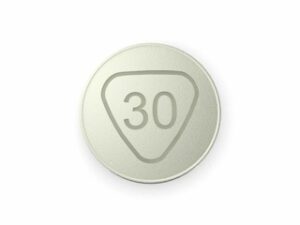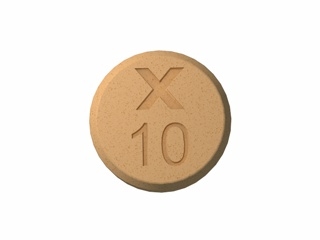
Uroxatral (Alfuzosin) – Patient Information (UK)
Uroxatral contains alfuzosin, a medicine used to help relieve symptoms of benign prostatic hyperplasia (BPH) (an enlarged prostate that is common in men as they get older). It works by relaxing specific muscles in the prostate and bladder outlet, improving urine flow and reducing troublesome urinary symptoms.
This page explains how Uroxatral works, how it’s typically used, important safety information, and what to consider with food, alcohol, and other medicines. It also covers practical tips for everyday use and how availability and guidance may work in the United Kingdom.
Basic product information
| Item | Details |
|---|---|
| Medicinal ingredient | Alfuzosin (as alfuzosin hydrochloride) |
| Medicine type | Alpha1-adrenoceptor blocker (alpha-blocker) |
| Typical form | Modified-release tablet (formulations may vary by strength) |
| Common therapeutic use | Lower urinary tract symptoms due to BPH |
| Availability | Prescription medicines in the UK; supplied via registered pharmacies |
What is Uroxatral used for?
Uroxatral is used in adult men to treat symptoms associated with BPH, which may include:
- Difficulty starting urination (hesitancy)
- Weak urine stream
- Frequent urination, especially at night (nocturia)
- Urgency (sudden need to urinate)
- Feeling that the bladder does not empty completely
Uroxatral helps by improving urine flow and reducing resistance at the bladder outlet. It does not typically shrink the prostate to the same extent as some other BPH medicines; rather, it mainly improves symptoms by relaxing muscles.
How Uroxatral works (mechanism of action)
The prostate and the bladder outlet contain smooth muscle that is partly controlled by alpha-1 (α1) receptors. When these receptors are activated, smooth muscle tone increases, making urination more difficult.
Alfuzosin blocks α1 receptors in the prostate and bladder neck. This leads to:
- Relaxation of smooth muscle in the prostate and bladder outlet
- Reduced urethral resistance
- Improved urine flow
- Relief of bothersome lower urinary tract symptoms
When does it start working?
Many people notice symptom improvement within days, although the full benefit may take several weeks of consistent use. Individual responses vary depending on the cause and severity of symptoms.
Typical dosing and timing
The exact dose should follow your clinician’s instructions and the product label supplied with your medicine. Uroxatral is commonly used once daily with a modified-release formulation, taken consistently at the same time each day.
General timing guidance for modified-release alfuzosin
- Take after the same meal pattern each day (commonly after a meal that includes food).
- Swallow whole with water; do not crush or chew if the product is modified-release.
- Do not double up if you miss a dose.
If you miss a dose, take it when you remember unless it is close to the next dose. If you are unsure, ask your pharmacist for advice.
Pharmacokinetics (how the body handles alfuzosin)
Understanding pharmacokinetics can help explain why timing with food matters and how the medicine behaves in the body.
Absorption
- Alfuzosin is absorbed after oral administration.
- Food intake can significantly affect absorption, which is why modified-release products are typically taken with food.
Distribution
- Alfuzosin distributes into tissues, including the prostate region where it helps reduce outlet resistance.
- Protein binding occurs in the bloodstream.
Metabolism and elimination
- Alfuzosin is metabolised mainly in the liver.
- Excretion is via urine and faeces, as metabolites.
Impaired liver function may increase the risk of side effects; careful selection and monitoring are important in people with liver problems.
Food interactions and why they matter
Food can be crucial for alfuzosin absorption and tolerability. Taking Uroxatral as directed (often after a meal) helps achieve more predictable exposure.
Key practical points
- Take Uroxatral after food if your specific product instructions indicate this. This is especially relevant for modified-release preparations.
- Try to take your dose at a consistent time relative to meals. A sudden change in eating pattern may change how the medicine works for you.
- If you have difficulty eating or have nausea, speak with a pharmacist for tailored advice.
Alcohol and medicine interactions
Alcohol may increase the likelihood of side effects such as dizziness or light-headedness, particularly when starting treatment or increasing dose. Because alfuzosin can lower blood pressure, combining it with alcohol may make symptoms worse.
General advice
- Avoid heavy drinking especially at the start of treatment.
- If you feel faint or dizzy, sit or lie down and do not drive until you feel steady again.
- Consider limiting alcohol to reduce fluctuations in blood pressure and balance.
Interactions with other medicines
Alfuzosin can interact with other medicines that affect blood pressure or metabolism pathways (especially liver enzymes). Some combinations may increase side effect risk such as low blood pressure (hypotension) or dizziness.
Medicines to be particularly cautious with
- Other alpha-blockers (for example, prazosin, doxazosin, tamsulosin) – may increase the risk of hypotension.
- Blood pressure medicines (antihypertensives) – may further lower blood pressure.
- Nitrates (for chest pain) or medicines affecting blood vessels – may increase dizziness or faintness.
- Strong inhibitors of liver enzymes (often discussed as CYP3A4 inhibitors) – may raise alfuzosin levels and side effect risk.
- Medicines that can affect the heart’s rhythm (QT prolongation risk) – because safety considerations may apply to certain medicines.
Always tell your pharmacist or clinician about all medicines you take, including over-the-counter products, herbal remedies, and supplements. Interactions can be individual and depend on your other health conditions.
Safety profile: who should be careful?
Uroxatral is generally well tolerated when used correctly, but it can cause side effects, particularly related to blood pressure and postural changes.
Common side effects
- Dizziness, especially when standing up
- Headache
- Feeling tired
- Low blood pressure symptoms (light-headedness)
- Nasal congestion
- Abdominal discomfort or nausea (in some people)
Serious or urgent side effects (seek medical advice)
- Fainting, severe dizziness, or collapse (could indicate significant low blood pressure)
- Allergic reaction signs such as swelling of the face/lips, rash, or difficulty breathing
- Chest pain, severe palpitations, or a feeling of irregular heartbeat (especially if new or worsening)
- Persistent symptoms that suggest urinary blockage or inability to pass urine (requires prompt assessment)
Special cautions
- Heart rhythm conditions or known cardiac problems may require additional caution.
- Liver impairment may increase risk of side effects due to metabolism.
- People taking medicines that affect blood pressure or drug metabolism may need closer review.
Practical use tips (making treatment easier and safer)
- Start at a consistent time: take your dose at the same time each day.
- Be careful when standing: especially at the start of treatment or when restarting after a break. Stand up slowly to reduce dizziness.
- Hydrate sensibly: if you reduce drinking to control frequency, you could concentrate urine and potentially worsen irritation. Aim for a balanced fluid intake unless you’ve been advised otherwise for another medical reason.
- Know “red flags”: seek medical advice urgently if you cannot urinate, develop fever and painful urinary symptoms, or notice sudden worsening of urinary blockage symptoms.
- Watch for blood pressure symptoms: if you feel faint, stop what you’re doing and seek advice. Do not drive until you feel steady.
- Tell your eye surgeon if you plan cataract surgery: some alpha-blockers are associated with a complication known as Intraoperative Floppy Iris Syndrome. Discuss your medication list before surgery.
Indications: when alfuzosin is recommended
In clinical practice within the UK, alfuzosin is used for men with lower urinary tract symptoms caused by BPH. It is usually considered when symptom severity affects quality of life, and when an alpha-blocker is appropriate based on overall health, blood pressure, and other medicines.
Your clinician may also consider other causes of urinary symptoms (for example, urinary tract infection, prostate cancer risk assessment, or bladder conditions). If symptoms change suddenly or include pain, fever, blood in urine, or unintended weight loss, prompt medical review is important.
Alternatives to Uroxatral
Several medicines and approaches may be used to treat BPH-related symptoms. Choice depends on symptom pattern, prostate size, other health conditions, and side effect tolerance.
Other alpha-blockers
- Tamsulosin
- Silodosin
- Terazosin / Doxazosin
Medicines that reduce prostate-related hormone effects
- 5-alpha reductase inhibitors (e.g., finasteride, dutasteride) – often considered when prostate enlargement is significant.
Combination strategies
Some individuals may benefit from combination therapy (for example, an alpha-blocker plus a 5-alpha reductase inhibitor), depending on prostate size and symptom severity.
Non-medicine options
- Bladder training and lifestyle measures
- Assessment for complications (retention, recurrent infections)
- Procedures for severe symptoms or complications (specialist-led)
If you are considering switching from Uroxatral to another treatment, it’s best to do so with pharmacist or clinician guidance, because dosing schedules and side effect profiles can differ.
Market and legal context in the United Kingdom
In the UK, medicines like Uroxatral (alfuzosin) are typically supplied as prescription-only medicines and must be obtained through appropriate channels via registered pharmacies.
Clinical use is aligned with accepted BPH management approaches and national/local guidance used by clinicians. Your healthcare professional will consider your symptom severity, prostate history, blood pressure, comorbidities, and medication interactions before recommending treatment.
Recent guidance and clinical considerations (UK)
Guidance for BPH in the UK generally emphasises:
- Confirming that symptoms are likely due to BPH after appropriate assessment.
- Reviewing blood pressure and dizziness risk when using alpha-blockers.
- Considering alternative causes of urinary symptoms, including infection or suspected malignancy, where relevant.
- Ongoing monitoring of symptom improvement and side effects.
Because recommendations may evolve, your pharmacist can direct you to the most relevant patient information leaflets supplied with your specific product.
Delivery, availability, and ordering online (UK)
Availability may vary by strength and manufacturer. Online pharmacy services in the UK typically require:
- Correct identification and eligibility checks
- Ensuring the correct medicine and strength for your needs
- Secure payment and delivery to a suitable address
- Clear communication if the medicine is temporarily unavailable
Delivery times depend on stock status and courier service. Most reputable pharmacies provide estimated delivery windows at checkout. If stock is limited, you may be offered alternatives (same medicine/strength where appropriate) or a delay notice.
FAQ
1) Can I take Uroxatral with food?
Usually, yes—and for modified-release alfuzosin products, taking it after a meal is important for proper absorption. Follow the instructions provided with your specific tablet and product leaflet.
2) How long will it take to work?
Some symptom relief may occur within days. For many people, the most noticeable improvement develops over several weeks. If you don’t notice any benefit after the time your clinician advised, speak to your pharmacist or clinician.
3) What if I forget a dose?
If you miss a dose, take it when you remember if it’s not close to your next dose. If it is almost time for the next dose, skip the missed tablet. Do not double up.
4) Will Uroxatral lower my blood pressure?
It can, because alpha-blockers can relax blood vessels. Some people experience dizziness or light-headedness, particularly when standing up. Seek advice if you feel faint or symptoms are significant.
5) Is it safe with alcohol?
Alcohol may increase dizziness and the risk of feeling faint. It’s best to avoid heavy drinking, especially when you’re starting treatment or adjusting to the medicine.
6) Can I drive or operate machinery?
If you feel dizzy or light-headed, avoid driving or operating machinery until you feel steady again. How you feel can vary, especially at the start of treatment.
7) What medicines should I avoid combining with Uroxatral?
Avoid or use caution with certain medicines that can increase side effects, including other alpha-blockers, some blood pressure medicines, nitrates, and drugs that may affect alfuzosin metabolism (particularly strong enzyme inhibitors). Always check with your pharmacist for a personalised interaction review.
8) Does Uroxatral shrink the prostate?
Uroxatral mainly improves symptoms by relaxing muscles around the bladder outlet. Some other BPH medicines (e.g., 5-alpha reductase inhibitors) may also reduce prostate size over time, depending on the situation.
9) What if I have cataract surgery?
Inform your eye surgeon if you take alpha-blockers like alfuzosin. This helps them prepare for a possible complication during surgery.
10) When should I seek urgent help?
Seek urgent medical advice if you cannot urinate, develop severe dizziness or fainting, have signs of an allergic reaction, or experience chest pain or serious heart-related symptoms.
Important notes
This information is designed to help you understand Uroxatral (alfuzosin) and how it’s commonly used. It does not replace medical advice. If you have questions about your symptoms, the right medicine, or possible interactions, ask your pharmacist or clinician.