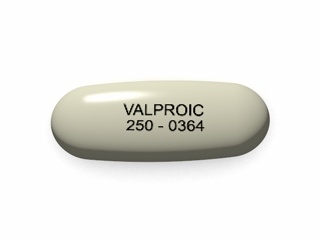

Valparin (Valproic Acid) – Patient Information (UK)
Valparin contains valproic acid (sodium valproate/valproate salts depending on brand/form). It is an anti-epileptic medicine used to help control seizures. It may also be prescribed for certain other conditions, depending on your clinical situation.
This page explains how Valparin works, how it is used, what to expect, and important safety considerations—particularly for children, young people, and women who could become pregnant. Always follow the advice of your healthcare professional.
Basic product information
- Active ingredient: Valproic acid (valproate preparations)
- Common brand name: Valparin
- Drug type: Anti-epileptic medicine (antiepileptic/anticonvulsant)
- How it is taken: By mouth (tablet, capsule, or liquid formulations depending on product)
- Who it may be used for: Seizure disorders; some other indications may apply
- Controlled use: Valproate has strict safety requirements in the UK due to pregnancy-related risks
Important: Valproate can cause serious harm to an unborn baby if taken during pregnancy. In the UK, strict measures exist to reduce risk. If you are a woman who could become pregnant, discuss this urgently with a specialist.
How Valparin works (mechanism of action)
Valproic acid helps stabilise electrical activity in the brain. While its full mechanisms are complex, key effects include:
- Increasing inhibitory signalling: It can increase the availability of GABA (gamma-aminobutyric acid), a natural calming neurotransmitter in the brain.
- Reducing abnormal neuron firing: It may help limit repetitive firing of nerve cells involved in seizures.
- Effects on brain ion channels: Valproate influences certain voltage-gated ion channels involved in electrical signalling.
For many people, this results in fewer or less severe seizures. The exact improvement timeline varies between individuals and seizure types.
Pharmacokinetics (how the body handles it)
Pharmacokinetics describes absorption, distribution, metabolism, and elimination.
Absorption
- Valproate is absorbed after oral dosing.
- The speed and extent of absorption can vary depending on the formulation (e.g., immediate-release vs modified-release) and whether it is taken with food.
Distribution
- It distributes throughout body tissues and crosses into the brain.
- Valproate is highly protein-bound (binding to albumin), which is relevant for drug interactions and certain medical conditions.
Metabolism
- It is mainly metabolised in the liver.
- Other medicines can influence valproate levels by affecting liver enzymes.
Elimination
- Valproate and its metabolites are eliminated mainly via the kidneys.
- Elimination may be affected by age, liver function, kidney function, and drug interactions.
Clinical note: Because blood levels and side effects can vary between people, clinicians may monitor symptoms and, in some cases, measure valproate blood concentrations—particularly if seizures are not controlled or side effects occur.
Typical use in the UK
Valparin is used primarily for seizure disorders. It is commonly considered when:
- Seizures are not adequately controlled with other anti-epileptics
- Mixed seizure types are present
- Some forms of generalised seizures or specific syndromes are involved (as advised by a specialist)
Depending on the formulation and clinical assessment, it may be used as monotherapy (one medicine) or add-on therapy (with other anti-epileptics).
Women of childbearing potential: UK regulations emphasise avoiding valproate where possible because of pregnancy risks. Alternative treatments are often preferred. This does not affect decisions in urgent, specialist-guided circumstances where valproate may still be necessary—always discuss your options promptly.
Indications (what it may be used for)
Valparin may be prescribed for:
- Epilepsy (including certain generalised seizure types)
- Other seizure-related conditions as determined by your neurologist/clinician
- Some mood-related indications may exist for valproate in general, but specific suitability depends on your individual case and local prescribing guidance
Because different formulations and product licences can vary, the safest approach is to confirm the specific indication for your prescribed version with your healthcare professional.
Dosing: how it is usually taken
Important: Dosing must be individualised. Do not change your dose without medical advice.
Starting and adjusting dose
- Valproate is usually started at a low dose and increased gradually.
- This helps reduce side effects and helps the body adjust.
- In some people, slow titration is especially important (e.g., children, older adults, or those with other medical conditions).
Common practical dosing patterns
- Many regimens use once or twice daily dosing, depending on the formulation and seizure control needs.
- Some modified-release products are taken once daily; other formulations may be taken in divided doses.
Monitoring needs
Clinicians may monitor:
- Seizure control and side effects
- Blood tests (for example, liver function and full blood count in line with local practice)
- Valproate blood level in selected situations
For children and young people: dosing is weight-based and carefully supervised. UK guidance is particularly cautious due to safety considerations.
Timing: when to take Valparin
Try to take Valparin at the same times each day to maintain consistent drug levels.
- If you take twice daily, aim for roughly 12 hours apart.
- If you take once daily, pick a convenient time and keep it consistent.
Missed dose: If you miss a dose, take it when you remember unless it is close to the next scheduled dose. Do not take a double dose to make up for a missed one. If you are unsure, ask a pharmacist or clinician for advice.
Food interactions and taking with meals
Valproate can generally be taken with or without food. However, food may affect absorption depending on the formulation.
- If you have stomach upset, taking Valparin with food may help.
- Maintain consistency: try to take it the same way each day (e.g., always with meals) unless your prescriber advises otherwise.
If you have questions about your specific Valparin formulation (for example, delayed or modified release), check the product instructions supplied with your medication.
Alcohol and medicine interactions
Alcohol
It is generally recommended to avoid or minimise alcohol while taking valproate, because alcohol can:
- Increase the risk of side effects such as drowsiness, dizziness, and impaired concentration
- Worsen seizure control in some individuals
If you drink alcohol, do so cautiously and discuss safe limits with your clinician—especially if you are on other medicines that affect the brain.
Other medicines that may interact
Valproate can interact with other medicines. Some interactions may increase valproate levels (increasing side effects or toxicity), while others may reduce effectiveness or raise the levels of other medicines.
Examples of medicines that may be relevant (not exhaustive):
- Other anti-epileptics (e.g., some agents may change valproate levels)
- Medicines affecting the liver (some can change metabolism)
- Warfarin and other anticoagulants (valproate may affect bleeding risk via protein binding and metabolism considerations)
- Aspirin (high doses may affect free valproate levels)
- Carbapenem antibiotics (important interaction risk—may require urgent medical advice before use)
- Some medicines for migraines, mental health, or infections may also interact
Always tell your pharmacist or clinician about:
- All prescription medicines
- Over-the-counter products
- Herbal remedies (e.g., St John’s wort)
- Supplements
If a new medicine is started (including antibiotics), check for interaction guidance before taking it.
Safety profile: important side effects and warnings
Like all medicines, Valparin can cause side effects. Some are common and mild; others are serious and require prompt medical attention. Not everyone will experience them.
| Type of effect | Examples | What to do |
|---|---|---|
| Common | Nausea, vomiting, tremor, drowsiness, dizziness, weight change, appetite changes | Seek advice if persistent or severe |
| Less common | Hair thinning, irregular menstrual changes, changes in mood/behaviour | Discuss with your clinician if troublesome |
| Serious – liver-related | Unusual tiredness, loss of appetite, abdominal pain, jaundice (yellow skin/eyes), dark urine | Get urgent medical help |
| Serious – blood/immune | Easy bruising or bleeding, infections more often, severe sore throat, unusual weakness | Contact urgently |
| Serious – pancreatitis | Severe upper abdominal pain, often with nausea/vomiting | Emergency assessment |
| Serious – pregnancy risk | Major congenital malformations and risk of neurodevelopmental problems | Specialist-led urgent discussion if pregnancy is possible |
Pregnancy, women who could become pregnant, and children
This is especially important for valproate.
- Valproate is associated with a high risk of harm to an unborn baby, including congenital malformations and neurodevelopmental disorders.
- In the UK, strict measures are implemented to ensure that prescribers consider alternatives and that risks are clearly communicated.
- If you are pregnant, planning pregnancy, or could become pregnant, you should contact your healthcare team as soon as possible to discuss safe options.
Do not stop Valparin suddenly without medical guidance, because uncontrolled seizures can also harm both parent and unborn baby.
Other important safety points
- Drowsiness: Valproate can make some people feel sleepy or dizzy. Avoid driving or operating machinery until you know how it affects you.
- Bleeding risk: If you notice unusual bruising or prolonged bleeding, seek advice.
- Suicidal thoughts: Some anti-epileptic medicines can increase the risk of suicidal thoughts or behaviour. If you or someone else notices this, seek urgent help.
Practical use tips (to get the most from your medicine)
- Use reminders: set phone alarms or use a medication organiser.
- Keep a seizure diary: note seizure dates/times, possible triggers, and whether you missed any doses.
- Know your formulation: different versions may release drug at different rates—do not swap products without advice.
- Plan for refills: avoid running out, as missing doses can increase seizure risk.
- Check for new interactions: whenever you start an antibiotic or another new medicine, ask a pharmacist.
- Monitor side effects: if you develop new symptoms (especially liver-related), contact your clinician promptly.
- Stay hydrated and eat regularly to reduce chance of nausea or dizziness (if these affect you).
Alternative options
If Valparin is not suitable, or if you need an alternative due to safety considerations (especially pregnancy risk), there are multiple other anti-epileptic options. The best choice depends on seizure type, age, co-existing conditions, and previous response.
Common alternatives that specialists may consider include (examples):
- Levetiracetam
- Lamotrigine
- Carbamazepine
- Oxcarbazepine
- Topiramate
- Brivaracetam
- Zonisamide
Important: Do not switch anti-epileptic medicines without a tailored plan. Changes can destabilise seizure control unless done gradually and under supervision.
Market and legal context in the United Kingdom
In the UK, valproate-containing medicines are subject to enhanced safety measures because of teratogenic risk.
- Regulatory focus: UK guidance emphasises avoiding valproate in people who are pregnant or may become pregnant unless there is no suitable alternative.
- Risk minimisation: Healthcare teams use structured safety processes to ensure patients are informed and monitored.
- Clear communication: Patients should understand the pregnancy risks, need for effective contraception (where relevant), and what to do if pregnancy is planned.
- Specialist oversight: Decisions about valproate are typically made with input from neurology/epilepsy specialists.
Recent guidance (high level): The UK continues to reinforce that valproate should not be offered to those who could become pregnant unless strict conditions are met and alternatives are unsuitable. Clinicians review treatment regularly and re-assess ongoing need.
For the most up-to-date details, refer to advice provided by your healthcare professional and UK Medicines guidance issued through official channels.
Delivery and availability in the UK
Availability can depend on the specific Valparin formulation you use (tablets, capsules, sachets, liquid, or other types). Online pharmacy listings typically show options based on stock and supply.
- Stock checks: most online pharmacies perform availability checks in real time.
- Dispatch times: vary by pharmacy and day of order.
- Packaging: medicines are normally supplied in manufacturer or pharmacy packaging suitable for safe handling.
- Delivery: standard and tracked delivery options may be available depending on location.
- Out-of-stock items: if an item is unavailable, some pharmacies offer alternative brands/formulations where permitted—confirm with your prescriber if substitution is relevant.
Tip: When ordering, double-check that your selected product matches the formulation and strength you are currently taking.
Advice for travelling, storage, and handling
- Storage: store according to the instructions on the label (commonly at room temperature, away from moisture and direct sunlight).
- Keep in original packaging: it helps confirm strength and expiry date.
- Travelling: carry enough doses for your trip and keep medicines in your hand luggage if possible.
- Don’t share medicines: anti-epileptic dosing is personal.
FAQ – Valparin (Valproic Acid)
1) What is Valparin used for?
Valparin is used to treat epilepsy and help control seizures. The exact indication depends on your clinical assessment and the specific formulation.
2) How soon will it start working?
Some people notice improvement relatively quickly, but seizure control often takes time—especially when doses are increased gradually. If you feel seizures are worsening or changing, contact your clinician promptly.
3) Can I take Valparin with food?
Yes, Valparin can usually be taken with or without food. If it upsets your stomach, taking it with meals may help. Keeping a consistent routine can also help.
4) What should I do if I miss a dose?
Take it when you remember unless it is nearly time for the next dose. Do not take a double dose. If you’re unsure, ask a pharmacist or clinician.
5) Is it safe to drink alcohol?
It’s best to minimise alcohol. Alcohol can worsen drowsiness and may affect seizure control. If you drink, discuss safe limits with your healthcare team.
6) Are there serious side effects I should watch for?
Yes. Seek urgent medical advice if you develop signs of liver problems (such as jaundice, severe abdominal pain, dark urine), pancreatitis symptoms (severe upper abdominal pain), or significant unusual bruising/bleeding.
7) What about pregnancy and valproate?
Valproate carries a serious risk to unborn babies. If pregnancy is possible, you should speak urgently with your healthcare team about the safest plan, including whether alternatives are suitable and what contraception measures may be needed.
8) Can Valparin be used in children?
It may be used in children for certain seizure types under specialist care. Dosing is weight-based and monitoring is important. UK guidance is particularly strict because of potential long-term developmental risks.
9) Does Valparin interact with other medicines?
Yes. Many interactions are possible, including with some antibiotics, anti-epileptics, anticoagulants, and medicines processed through the liver. Tell your pharmacist about everything you take.
10) Can I stop Valparin suddenly?
No. Stopping suddenly can increase seizure risk. If discontinuation is considered, it should be done gradually under medical supervision.
Summary
Valparin (valproic acid) is an anti-epileptic medicine that helps stabilise brain activity to reduce seizures. It is taken regularly, often with food optional, and it may require careful monitoring due to possible liver and blood-related side effects. Most importantly, valproate has serious pregnancy-related risks, and in the UK it is managed under strict safety rules—especially for people who could become pregnant and for children.
If you have questions about your specific product strength, how to take it, or how it fits your personal risk profile, please speak with a healthcare professional or pharmacist.