

Valtrex (Valacyclovir) – Patient Information (UK)
Valtrex contains valacyclovir, an antiviral medicine used to treat and help prevent infections caused by herpes viruses. It is commonly used for conditions such as cold sores (herpes labialis) and shingles (herpes zoster), and in some situations to reduce the risk of recurrent episodes or transmission.
This page explains how Valtrex works, how it is typically taken, key safety information, and practical tips to help you use your medicine effectively. Always follow the instructions provided with your medicine and talk to a healthcare professional if you have questions.
Basic product information
| Item | Details |
|---|---|
| Medicine name | Valtrex (valacyclovir) |
| What it is | Antiviral (prodrug of aciclovir) |
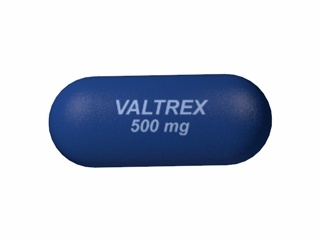
| Common strengths | 500 mg and 1 g tablets (varies by product/market) |
| How it is taken | By mouth (tablets) |
| Main use areas | Herpes viruses (cold sores, shingles, genital herpes, and prevention in selected cases) |
| Key benefit | Helps reduce the duration and severity of outbreaks when started early; may help reduce frequency |
How Valtrex works (mechanism of action)
Valtrex is a prodrug of aciclovir. After you swallow it, the body converts valacyclovir into aciclovir. The active drug then targets herpes viruses by interfering with viral DNA replication.
In simplified terms:
- Valacyclovir is converted to aciclovir in the body.
- Aciclovir becomes activated inside infected cells.
- Activated aciclovir helps stop the virus from multiplying by interfering with viral DNA building blocks.
- This slows viral spread and helps your immune system control the infection more effectively.
Valtrex does not “cure” herpes viruses permanently (they can remain dormant in the body). However, it can significantly reduce symptoms and recurrence patterns for many people.
Pharmacokinetics (how the body handles it)
Pharmacokinetics describes what happens to the medicine in the body—absorption, distribution, metabolism, and elimination.
- Absorption: Valacyclovir is well absorbed after oral dosing and is converted to aciclovir.
- Bioavailability: Valacyclovir generally provides higher aciclovir exposure than aciclovir tablets because of improved absorption.
- Distribution: Aciclovir distributes into body tissues where herpes virus activity occurs.
- Metabolism: Valacyclovir is largely converted to aciclovir and related compounds.
- Elimination: Most is eliminated via the kidneys. This is why kidney function is important for dosing and safety.
If you have reduced kidney function, your clinician may advise a different dose or longer interval between doses to reduce the risk of side effects.
Typical uses of Valtrex
Valtrex is used in the UK to treat herpes virus infections. The exact suitability and dosing depend on the condition, your age, kidney function, and your medical history.
Common indications include:
- Cold sores (herpes labialis): Treatment of outbreaks to reduce symptom duration and severity, particularly when started early.
- Shingles (herpes zoster): Treatment of shingles, ideally started as soon as possible after the rash appears.
- Genital herpes: Treatment of episodes and, in selected circumstances, prevention of recurrences.
- Reduction of transmission: In certain patients with recurrent genital herpes, suppressive therapy may reduce the risk of passing the virus to a sexual partner (alongside safer sex practices).
If you are unsure which condition your medicine is intended for, check your packaging and the instructions provided by your healthcare professional.
When to take Valtrex (timing and how to start)
Timing is important for antiviral medicines. Starting treatment early can improve outcomes.
General timing guidance
- Cold sores: Start at the earliest sign (e.g., tingling, itching, burning) rather than waiting for lesions to fully develop.
- Shingles: Start as soon as possible after the rash appears. Many clinicians aim for initiation within 72 hours, but the decision may vary depending on symptoms and risk factors.
- Genital herpes: Start promptly when an outbreak begins, and take doses regularly if prescribed as suppressive treatment.
How to take: Swallow tablets with water. Try to take doses at consistent times each day if taking multiple doses.
Food interactions and dietary considerations
Valtrex can usually be taken with or without food. Food does not typically meaningfully reduce effectiveness.
- With meals: Many people find taking Valtrex after food helps prevent stomach discomfort.
- Hydration matters: Because the medicine is cleared by the kidneys, maintaining adequate fluid intake is often recommended unless your clinician has advised fluid restriction.
If you experience nausea or stomach upset, taking with a snack may help. If problems persist, speak to a healthcare professional.
Alcohol and medicine interactions
Moderate alcohol use is not generally listed as a direct interaction with valacyclovir. However, alcohol can worsen dehydration, affect sleep, and potentially make side effects feel stronger.
Alcohol considerations
- Avoid heavy drinking: Especially during an acute infection when you may already be unwell.
- Stay hydrated: Drink water regularly.
- Watch for side effects: Such as dizziness or headache. Alcohol may increase the chance of feeling light-headed.
Other medicine interactions to be aware of
The most important interaction concerns medicines that can affect the kidneys or compete for kidney clearance. Inform a healthcare professional about all medicines you take, including over-the-counter products and herbal remedies.
- Kidney-affecting medicines: Some medicines used for gout (e.g., probenecid), certain immunosuppressants, and other drugs eliminated through the kidneys may require monitoring or dose adjustments.
- Nephrotoxic medicines: If you take medicines that can affect kidney function, your clinician may need closer monitoring.
- Other antivirals: Avoid unnecessary duplication of antivirals unless advised.
- Hydration and kidney function: Your healthcare team may request kidney function checks in higher-risk groups.
If you have kidney disease, are elderly, or take other medicines regularly, it is especially important to review interactions with a clinician or pharmacist.
Dosing information (typical adult regimens)
Dosing varies by the condition being treated, the episode pattern (first episode vs recurrence), and kidney function. The information below provides general examples commonly used in clinical practice; your exact dose should be based on the instructions provided with your product.
Important: Do not change your dose or stop early without advice. Completing the prescribed course helps achieve the best outcomes.
Common dosing patterns (examples)
| Condition | Typical approach (examples) | Notes |
|---|---|---|
| Cold sores (herpes labialis) | Often taken as an early, short course (e.g., multiple doses in a day over about 1 day to a few days, depending on the regimen). | Best results when started at the first signs of tingling/burning. |
| Shingles (herpes zoster) | Commonly several doses per day for about 7 days (varies by clinical regimen). | Start as soon as possible after rash onset. |
| Genital herpes – treatment of an episode | Often several doses per day for about 5 days or another short course (varies). | May be extended depending on severity and healing. |
| Genital herpes – prevention (suppressive therapy) | Typically taken once daily or divided daily doses over longer periods (varies). | Used for people with frequent recurrences, based on clinician advice. |
| Reduction of transmission to partner | Usually requires daily suppressive therapy (exact dose depends on clinical assessment). | Safer sex practices remain important. |
Kidney function and elderly patients
Because elimination is mainly by the kidneys, people with reduced renal function may require a lower dose or longer intervals. Older adults may also be at higher risk of kidney-related side effects, so clinicians often review dose and hydration.
If you have kidney disease, are undergoing dialysis, or have been told you have poor kidney function, do not guess the dose—follow the specific regimen given to you.
Safety profile and side effects
Most people tolerate Valtrex well. Like all medicines, it can cause side effects. Some effects are mild and temporary; others are less common but important to recognise.
Common side effects (may affect some people)
- Headache
- Nausea
- Abdominal discomfort
- Dizziness
Less common but important side effects
- Kidney problems: Symptoms can include reduced urine output, swelling, or unusual tiredness. This is more likely with dehydration, high doses, or existing kidney issues.
- Neurological effects (rare): Confusion, agitation, tremor, hallucinations, or unusual drowsiness—especially in people with kidney impairment.
- Allergic reactions (rare): Rash, itching, facial/lip swelling, breathing difficulties.
Seek urgent medical help if
- You develop signs of a serious allergy (swelling of face/lips, difficulty breathing).
- You feel severely unwell, confused, or have sudden neurological symptoms.
- You notice marked reduction in urine output or severe dehydration symptoms.
Who should take extra care
- People with kidney disease or reduced kidney function
- Older adults
- People who are dehydrated (for example due to vomiting, diarrhoea, fever, or poor intake)
- People taking other medicines that can affect kidneys
- Anyone with a history of drug allergies
If you experience side effects, speak with a pharmacist or healthcare professional for guidance. Do not stop medication without advice unless you suspect a serious reaction.
Practical use tips for best results
- Start early: For cold sores and genital herpes, taking the first doses at the earliest symptoms helps.
- Complete the course: Even if you feel better quickly, follow the full regimen.
- Hydrate: Drink water regularly unless you have been told to restrict fluids.
- Use reminders: If you take multiple doses per day, set phone alarms.
- Avoid spreading the virus: Keep sores covered when possible, wash hands after touching lesions, and avoid contact during outbreaks.
- Reduce friction: For oral sores, avoid spicy/acidic foods if they worsen discomfort. For genital sores, use loose clothing and avoid irritation.
- Consider supportive care: Pain relief (e.g., paracetamol or ibuprofen if suitable for you) may help symptoms—check with a pharmacist if you have conditions such as stomach ulcers, kidney problems, or asthma triggered by NSAIDs.
Alternative options (if you can’t use Valtrex)
Depending on the herpes virus condition, alternatives may include other antivirals. Availability and suitability depend on your situation and local practice.
Common alternative antivirals
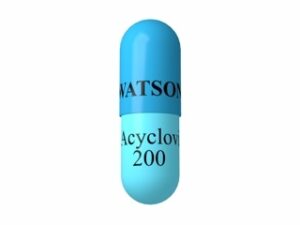
- Aciclovir: Available in different formulations; may require more frequent dosing.
- Famciclovir: Another oral antiviral option for certain herpes infections.
- Topical antivirals (for selected situations): Some may help cold sores, though oral treatment is often used for faster systemic control in appropriate cases.
- Supportive treatments: Pain control, wound care, and immune-friendly habits can complement antiviral therapy.
The “best” choice varies. A pharmacist or clinician can advise based on your diagnosis, kidney function, medication history, and convenience.
Market and legal context in the UK
In the United Kingdom, medicines like valacyclovir are regulated by the Medicines and Healthcare products Regulatory Agency (MHRA). The availability of specific strengths and brands can vary by prescribing status, supply rules, and current pharmacy supply arrangements.
UK patient safety systems (including pharmacovigilance reporting) monitor suspected adverse reactions. If you experience side effects, you can report them via the Yellow Card scheme through the MHRA website.
Brand vs generic: Valacyclovir may be available as brand-name and generic products depending on supply. Your pharmacy should provide the medicine you ordered or a suitable alternative as allowed by UK regulations.
Recent guidance and clinical practice considerations
Antiviral treatment decisions in the UK often follow guidance from national bodies and professional organisations, with emphasis on:
- Early treatment: Starting antivirals promptly for shingles and other outbreaks to improve outcomes.
- Renal safety: Adjusting dosing for kidney function and ensuring adequate hydration.
- Appropriate use: Antiviral therapy is used for herpes virus infections and is not effective against unrelated viral illnesses.
- Ongoing prevention: Suppressive therapy may be considered for frequent recurrences or to reduce transmission risk in selected patients.
Guidance can be updated over time based on new evidence and safety monitoring. If you have questions about suitability for your specific condition, a healthcare professional can provide the most up-to-date advice.
Delivery and availability (UK online pharmacy)
Availability of Valtrex products can vary by strength and current stock levels. When ordering from an online pharmacy in the UK, delivery options and dispatch times may depend on:
- Strength and pack size
- Where you live (UK-wide delivery coverage)
- Standard vs express delivery service
- Courier schedules and public holidays
If delivery tracking is offered, you can usually follow your parcel after dispatch. Always check packaging on arrival and contact customer support if you receive a damaged or incorrect item.
Storage: Store tablets according to the label instructions. Keep out of the sight and reach of children. Avoid storing in excessive heat or humidity.
FAQ – Frequently asked questions
1) Can Valtrex be used for cold sores?
Yes. Valacyclovir is commonly used to treat cold sores. Starting treatment at the first sign (tingling/burning) usually works best. If your cold sores are frequent or severe, speak with a healthcare professional about prevention options.
2) How quickly will it work?
Many people notice improvement within a day or two, with faster healing when treatment starts early. The exact timing depends on how soon you begin and the severity of your outbreak.
3) Is Valtrex a cure for herpes?
No. Herpes viruses can remain dormant. Valtrex controls outbreaks and may reduce how often they occur, but it doesn’t permanently eliminate the virus from the body.
4) What if I miss a dose?
If you forget a dose, take it when you remember unless it is close to your next scheduled dose. Do not take a double dose to make up for a missed tablet. If you are unsure, ask your pharmacist for guidance.
5) Can I take Valtrex with food?
Typically, yes. You can usually take it with or without food. If it upsets your stomach, taking it after a meal may help.
6) Are there any foods I should avoid?
There are no specific dietary restrictions required for valacyclovir. If you have mouth sores, you may prefer soft foods and avoid very spicy or acidic foods that worsen discomfort.
7) Can I drink alcohol while taking Valtrex?
Moderate alcohol is not generally known to directly interact with valacyclovir, but it may increase dehydration or side effects such as dizziness. For best results, keep alcohol minimal and drink plenty of water.
8) What should I do to prevent transmission during outbreaks?
Avoid skin-to-skin contact with sores, wash hands after touching lesions, and use safer sex practices. If genital herpes is involved, suppressive therapy (when appropriate) may reduce risk, but it does not eliminate it.
9) Does kidney disease change the dose?
Often, yes. Because valacyclovir is cleared by the kidneys, people with kidney impairment may need a reduced dose or altered schedule. Make sure your healthcare professional knows about your kidney function.
10) Can children take Valtrex?
Valacyclovir use in children depends on age and indication. If the medicine is for a child, follow clinician instructions and check the product label for approved age ranges and dosing.
11) When should I seek medical advice urgently?
Seek urgent medical help if you develop signs of an allergic reaction (swelling of face/lips, breathing difficulty), severe confusion or neurological symptoms, or signs of kidney issues (such as markedly reduced urine).
12) What are the most common side effects?
Common effects include headache and nausea. Many people experience mild, temporary symptoms. If side effects are bothersome or unusual, contact a pharmacist or clinician.
Key takeaways
- Valtrex (valacyclovir) is an antiviral used for herpes virus infections such as cold sores and shingles.
- Start early for best effect, especially for cold sores and shingles.
- Hydration and kidney safety are important, particularly if you are older or have kidney problems.
- Follow the prescribed regimen and do not adjust doses without advice.
- Report serious side effects promptly, especially signs of allergy or neurological symptoms.
This information is intended to help you understand Valtrex. It does not replace personalised advice from a healthcare professional.