
Viramune (Nevirapine) – Patient Information (UK)
Viramune is a medicine used to treat HIV infection. It contains nevirapine, a type of antiretroviral medicine known as a NNRTI (non-nucleoside reverse transcriptase inhibitor). This page explains what Viramune is, how it works, how it is usually taken, common safety concerns, and practical tips to help you use it confidently in the United Kingdom.
Always follow the instructions provided with your specific product and your healthcare team’s plan.
Basic product information
| Item | Details |
|---|---|
| Medicine name | Viramune |
| Active ingredient | Nevirapine |
| Medicinal class | Non-nucleoside reverse transcriptase inhibitor (NNRTI) |
| How it’s used | Part of combination antiretroviral therapy for HIV |
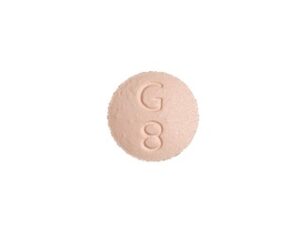
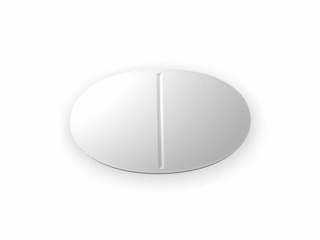
| Common presentations | Tablets and oral formulations depending on strength and patient needs |
How nevirapine (Viramune) works
HIV makes copies of itself using an enzyme called reverse transcriptase. Nevirapine blocks reverse transcriptase, which helps prevent HIV from multiplying inside the body.
- Not a cure: Viramune lowers viral load and helps the immune system recover, but it does not remove HIV completely.
- Used with other medicines: Viramune works best as part of combination therapy to reduce the risk of resistance.
- Targets viral replication: By interfering with replication, it helps control HIV and reduce the chance of HIV-related illness.
Pharmacokinetics (how the body handles Viramune)
“Pharmacokinetics” describes absorption, distribution, metabolism, and elimination.
- Absorption: Nevirapine is absorbed after oral dosing. Blood levels rise after taking a dose.
- Distribution: It distributes throughout the body, including into tissues where HIV may replicate.
- Metabolism: Nevirapine is mainly metabolised in the liver (hepatically).
- Elimination: The metabolites are removed primarily via the liver/bile and excreted through the body’s normal waste pathways.
Important practical implication: Because nevirapine is metabolised in the liver, careful liver assessment and monitoring are essential, especially at the start of therapy or if you have liver disease or hepatitis.
Typical use in the UK
In the UK, nevirapine (Viramune) is used to treat HIV infection in suitable adults (and in some cases selected age groups and clinical scenarios where appropriate). As with all antiretroviral medicines, the exact regimen depends on your medical history, previous treatments, viral resistance testing (if available), and potential drug interactions.
Viramune is generally not used as a single agent. It is prescribed as part of a combination regimen to achieve durable viral suppression.
Indications (when Viramune is used)
Viramune is indicated for the treatment of HIV-1 infection as part of antiretroviral combination therapy.
Note: Eligibility can depend on factors such as treatment history and suitability of the regimen. Your clinician will choose a plan that balances effectiveness, safety (particularly liver safety), and potential interactions.
Dosing and timing
Dosing schedules may vary by product strength and patient factors. Always follow the prescribed schedule and the titration approach recommended for nevirapine, which commonly includes an initial lead-in period to reduce the risk of early adverse effects.
General approach (lead-in titration)
- Start low then increase: Nevirapine regimens often begin with a lower dose for a period (commonly weeks), then increase to the full intended dose if tolerated.
- Why lead-in matters: Early periods are associated with higher risk of certain reactions, especially skin and liver-related events. The lead-in helps reduce that risk.
Timing with your day
- Try to take doses at the same times each day to maintain steady medicine levels.
- If you miss a dose, do not double up unless your clinician or the product instructions advise it.
- If you stop Viramune for a period, do not restart on your own—restarting may require a re-titration approach. Contact your healthcare team for guidance.
Food interactions
Nevirapine can generally be taken with or without food, but individual tolerability varies.
- With food: Taking with a meal may help reduce nausea or stomach discomfort for some people.
- Consistent routine: For best results, take it consistently the same way each day (with or without food) unless instructed otherwise.
Grapefruit and similar products: Avoid significant changes to your diet or supplements without checking for interactions, as these can sometimes affect liver enzyme activity.
Alcohol and medicine interactions
Alcohol can affect the liver and may increase the risk of liver-related side effects when combined with medicines that are metabolised by the liver.
- Recommendation: Limit alcohol and discuss your alcohol intake with your clinician.
- Risk awareness: If you have hepatitis, fatty liver disease, elevated liver enzymes, or other liver concerns, alcohol should be avoided or kept to an absolute minimum.
- Seek help promptly: Contact medical services if you develop symptoms that could indicate liver problems (see “Safety profile” below).
Other interaction warning: Some medicines (including certain antibiotics, antifungals, anticonvulsants, and herbal products) may interact with nevirapine through liver enzyme pathways. Always check before starting new medicines or supplements.
Medicine interactions (important)
Nevirapine is known to interact with several medicines, mainly through enzyme induction effects in the liver. This can reduce effectiveness of some treatments or increase side effects of others.
Tell your healthcare team about all medicines you take, including:
- Prescription medicines
- Over-the-counter medicines
- Herbal supplements (e.g., St John’s wort)
- Recreational drugs
- Vitamin and mineral supplements
Examples of interaction categories to discuss
- Anticonvulsants: some seizure medicines can lower nevirapine levels.
- Antifungals and antibiotics: may increase or decrease nevirapine levels depending on the specific product.
- Hormonal contraceptives: interactions may affect contraceptive reliability. Your clinician may recommend additional or alternative contraception.
- Rifamycin antibiotics (e.g., rifampicin): can substantially affect drug levels.
- Herbal remedies: St John’s wort is often a key concern and may be strongly discouraged.
Always verify: Interaction potential depends on the exact products and doses. Your pharmacist can help check your current medicine list.
Safety profile
Like all medicines, Viramune can cause side effects. Some are uncommon but serious, which is why regular monitoring—particularly early in treatment—is essential.
Most important serious risks
- Liver injury (hepatotoxicity): Nevirapine can rarely cause serious liver inflammation or liver failure.
- Skin reactions: Rashes can occur, and severe skin reactions (rare) may require urgent treatment.
- Hypersensitivity reactions: Some people may develop signs of allergy or systemic reaction.
Common or expected side effects
Side effects vary from person to person. Some people experience:
- Headache
- Nausea, stomach discomfort
- Rash (often early in treatment)
- Fatigue
- Abnormal liver blood tests
When to seek urgent medical help
Contact urgent medical services or seek immediate help if you develop:
- Yellowing of the skin or eyes (jaundice)
- Severe nausea/vomiting, dark urine, or pale stools
- Unexplained severe tiredness or right upper abdominal pain
- Blistering or peeling skin, painful rash, mouth sores, or rash with fever
- Swelling of the face, breathing difficulty, or signs of severe allergy
Do not wait: Early assessment can be critical.
Monitoring in practice
- Liver tests: Blood tests to check liver enzymes are typically done at baseline and repeated during therapy—especially during the first months.
- Clinical monitoring: Report any new rash, flu-like symptoms, or abdominal discomfort quickly.
Special caution: People with pre-existing liver disease or higher risk markers may require extra caution and specialist oversight.
Practical use tips
- Follow the titration schedule: Starting at the correct low dose and increasing as advised is important for safety.
- Keep clinic appointments: Monitoring for liver function and early side effects is essential.
- Use reminders: Set phone alarms or use a pill organiser to reduce missed doses.
- Rash awareness: If you develop a rash, contact your clinician promptly. Not all rashes are serious, but some require urgent action.
- Consistency: Take it at roughly the same times each day.
- Medication list: Carry a list of your HIV medicines for emergencies and for checking interactions.
Missed doses: If you miss a dose, take it when you remember unless it is close to the next dose. If you are unsure, ask your pharmacist or healthcare team for specific advice based on your schedule.
Alternative options
HIV treatment commonly uses combination therapy with medicines from different classes to improve effectiveness and reduce resistance. Alternatives to nevirapine may include other NNRTIs, integrase inhibitors, protease inhibitors, or other classes—depending on the individual’s history and viral resistance.
Examples of alternative antiretroviral options (not exhaustive):
- Other NNRTIs (where suitable)
- Integrase strand transfer inhibitor (INSTI) regimens
- Protease inhibitor–based regimens
- Fixed-dose combination regimens available in some circumstances
Your clinician can explain why nevirapine may or may not be the right choice for you, taking into account your health profile, other medicines, and monitoring requirements.
Market and legal context in the United Kingdom
In the UK, antiretroviral medicines are regulated by the Medicines and Healthcare products Regulatory Agency (MHRA) and made available under national guidance and clinical practice. HIV treatment should follow established standards of care and local commissioning/clinical pathways.
Clinical decisions in the UK often consider:
- Current national HIV treatment guidance
- Safety profile and risk factors (particularly liver safety for nevirapine)
- Drug–drug interaction potential
- Resistance history and prior treatment exposure
- Adherence considerations and patient preferences
Recent guidance note (UK): UK HIV guidance and international recommendations generally emphasise rapid viral suppression with well-tolerated regimens and regular monitoring. Nevirapine may be used in selected scenarios, but due to known safety considerations, clinicians typically apply careful risk assessment and monitoring.
Delivery and availability (UK)
Viramune (nevirapine) availability may vary depending on stock levels and formulation strengths. Online pharmacies in the UK may offer:
- Standard delivery: commonly a few working days depending on location and courier service.
- Express options: may be available where supported.
- Discrete packaging: some pharmacies offer discreet delivery to protect privacy.
How to prepare: Ensure you place your order with enough time for processing and delivery. Keep an eye on your current supply so you don’t run out of treatment.
FAQ (Frequently Asked Questions)
1) What is Viramune used for?
Viramune is used as part of combination antiretroviral therapy to treat HIV-1 infection. It helps reduce viral replication by blocking reverse transcriptase.
2) How quickly does it work?
Some viral load reductions can occur within weeks, but the time to achieve stable viral suppression varies. Your clinician will monitor progress with blood tests.
3) Can I take Viramune with food?
Usually yes. Taking it with food may help some people who experience stomach upset. Aim for a consistent routine.
4) What should I do if I miss a dose?
Take it when you remember unless it is close to the next dose. Do not double up unless your clinician or product instructions advise it. If you missed several doses or stopped treatment, contact your healthcare team before restarting.
5) Why is liver monitoring important?
Nevirapine is processed in the liver and can, rarely, cause serious liver injury. Monitoring helps detect changes early and allows prompt medical action.
6) Is a rash always serious?
Rashes can be mild, but some can be serious, especially if they involve blistering, peeling, mouth sores, fever, or generalised illness. If a rash develops, contact your clinician promptly.
7) Are there interactions with other HIV medicines?
Some combinations may be preferred, while others may cause reduced effectiveness or increased side effects due to drug–drug interactions. Your pharmacist or clinician should check all components of your regimen.
8) Can I drink alcohol while taking Viramune?
Alcohol may increase liver-related risk. It’s best to limit alcohol and discuss your intake with your healthcare team, particularly if you have liver disease or abnormal liver blood tests.
9) Does Viramune affect contraception?
Interactions may occur with hormonal contraceptives. Reliability of contraception can be affected, so discuss contraception options with your clinician. Additional barrier methods may be recommended in some situations.
10) What if I have hepatitis or fatty liver?
Extra caution is required. Tell your clinician about any history of hepatitis, liver inflammation, or liver test abnormalities so they can assess risk and plan monitoring.
Summary
Viramune (nevirapine) is an NNRTI used in combination with other antiretroviral medicines to treat HIV-1 infection. It works by blocking reverse transcriptase, helping control viral replication. Because nevirapine is processed by the liver and can rarely cause serious liver or skin reactions, safe use depends on correct dosing (including titration), careful monitoring, and prompt reporting of symptoms.
If you have questions about dosing timing, interactions, or side effects, speak to your pharmacist or healthcare professional.