
Amlodipine (UK) — Patient Information
Amlodipine is a medicine used to treat high blood pressure (hypertension) and certain types of chest pain (angina). It belongs to a group of medicines called calcium channel blockers. In many people, amlodipine helps to relax and widen blood vessels, making it easier for the heart to pump blood around the body.
This guide is written for patients and is designed to be easy to read. It explains how amlodipine works, typical uses, dosing principles, safety information, and practical tips for everyday use in the United Kingdom.
Key facts at a glance
- What it’s for: High blood pressure; chronic stable angina; other angina types (as directed by a clinician).
- How it works: Widens arteries by blocking calcium entry into blood vessel muscle.
- How it’s taken: Usually once daily.
- Common effects: Swollen ankles (ankle oedema), headache, flushing, dizziness.
- Onset: Blood-pressure effects build over days; angina relief may begin within hours, with sustained benefit.
- Food: Food does not usually significantly affect how amlodipine is absorbed.
- Alcohol: Alcohol may increase the chance of dizziness or light-headedness.
Basic product information
| Category | Details |
|---|---|
| Active ingredient | Amlodipine |
| Medicine group | Calcium channel blocker (dihydropyridine) |
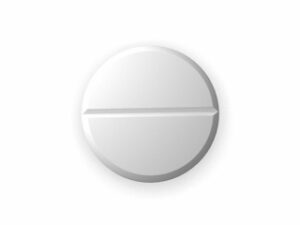
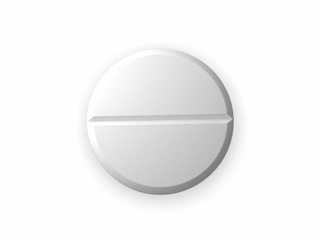
| Common formulations | Tablets (strengths vary, e.g., 5 mg or 10 mg) |
| Typical dosing frequency | Once daily |
| Who it may suit | Adults; use in children depends on indication and local guidance |
| How it’s usually taken | With or without food; swallow whole with water |
Mechanism of action (how amlodipine works)
Amlodipine is a dihydropyridine calcium channel blocker. It works primarily on the smooth muscle in the walls of blood vessels. By blocking calcium entry into these cells, it causes relaxation of the vessel wall muscles, leading to widening of arteries. This results in:
- Lower resistance in the arteries, which reduces blood pressure.
- Improved blood flow to the heart muscle, which can reduce angina symptoms.
- More gradual and sustained effects than some shorter-acting medicines, supporting once-daily dosing.
Why it matters for angina
In angina, the heart muscle may not receive enough oxygen during periods of increased demand. By improving coronary circulation and reducing the workload on the heart, amlodipine can help prevent symptoms or reduce their frequency.
Pharmacokinetics (what the body does to amlodipine)
Pharmacokinetics describes how the body absorbs, distributes, metabolises, and eliminates a medicine.
- Absorption: Amlodipine is absorbed in the gut. Food generally does not significantly alter its overall absorption.
- Distribution: It distributes throughout the body, including cardiovascular tissues.
- Metabolism: The liver metabolises amlodipine to inactive metabolites.
- Elimination: It is cleared from the body more slowly than many other medicines.
- Half-life: The long half-life supports once-daily dosing and steady symptom and blood pressure control.
In people with significant liver impairment, amlodipine levels may rise and dosing may need adjustment. If you have liver disease, it’s important to follow local clinical advice.
Typical use in the United Kingdom
In the UK, amlodipine is commonly used for:
- Hypertension: to lower blood pressure and reduce the risk of stroke, heart attack, and heart failure.
- Angina (stable/chronic): to help reduce the frequency of attacks and improve exercise tolerance.
Amlodipine may also be used in combination with other medicines for blood pressure or heart conditions when appropriate.
Indications and how doctors may choose amlodipine
The exact indication and suitability depend on the individual. In practice, amlodipine may be considered when:
- Your blood pressure is not controlled with one medicine alone.
- You need a long-acting once-daily option.
- There is a history of angina where a vessel-relaxing approach may help symptom control.
- Other medicines are not suitable due to side effects or medical history.
How to take amlodipine: timing and dosing
Amlodipine is usually taken . Many people choose the same time each day to help remember. Consistency is important for steady blood pressure control.
Typical dosing approach (general guidance)
Doses vary by condition, age, and medical history. In routine UK prescribing, starting doses are commonly lower and may be adjusted based on response and tolerability.
| Condition | Common dosing frequency | Typical starting dose concept |
|---|---|---|
| High blood pressure | Once daily | Often started at a lower strength, then adjusted if needed |
| Angina | Once daily | May start at a lower strength, with adjustments for symptom control |
Do not change your dose without medical advice. If you miss a dose, follow the instructions provided with your medicine. If you’re unsure, speak to a pharmacist.
When should you expect benefit?
- Blood pressure: Some effect may be noticed in the first few days, but full benefit may take longer.
- Angina: Symptoms may improve within hours after taking a dose, while preventive benefits build steadily.
If you stop taking amlodipine
Stopping suddenly can lead to loss of blood pressure control and may worsen angina symptoms. If you feel you want to stop, talk to a healthcare professional first.
Food interactions
Amlodipine can usually be taken with or without food. No specific dietary restrictions are typically required. However, maintaining a healthy diet and limiting salt are important parts of blood pressure management.
If you notice that a particular food or drink seems to affect you (for example, increasing dizziness), discuss it with a healthcare professional.
Alcohol and medicine interactions
Alcohol can add to the blood-pressure-lowering effect of amlodipine and may increase the risk of dizziness, light-headedness, or feeling faint, especially when starting treatment or after a dose change.
Practical advice
- Start cautiously if you drink alcohol—avoid binge drinking.
- Be careful when standing up quickly.
- Seek advice if you experience fainting, severe dizziness, or falls.
Medicine interactions (important)
Amlodipine can interact with other medicines. Some interactions can change amlodipine levels; others can increase side effects like low blood pressure.
Tell your pharmacist or healthcare professional about all medicines you take, including:
- Other blood pressure medicines (may increase risk of low blood pressure)
- Medicines that affect liver enzymes (can alter amlodipine levels)
- Some antibiotics or antifungals (used for infections)
- Antiretroviral medicines (for HIV)
- Simvastatin (a cholesterol medicine), where dose relationships can matter
- Grapefruit or grapefruit juice (may increase blood levels in some people)
This is not an exhaustive list. For safety, share your full medicine list so the pharmacist can check interactions.
Safety profile: common and serious side effects
Like all medicines, amlodipine may cause side effects. Many people experience none or only mild effects that improve with time. However, some reactions require urgent medical attention.
Common side effects
- Swollen ankles/feet (ankle oedema): one of the most frequent side effects
- Headache
- Flushing (warmth and redness, often in the face)
- Dizziness
- Feeling tired
- Palpitations (awareness of heartbeat)
- Sleepiness or sometimes nausea
Less common but important effects
- Gum overgrowth (gingival enlargement), especially with long-term use—good oral hygiene and dental checks help
- Rash or itching
- Changes in mood or weakness (uncommon; discuss if persistent)
Seek urgent medical help if you experience
- Signs of an allergic reaction: swelling of face/lips, difficulty breathing, severe rash
- Severe dizziness, fainting, or chest pain that is new or worsening
- Very fast or irregular heartbeat with feeling unwell
Who should take extra care
Careful monitoring may be needed if you have:
- Low blood pressure or a history of fainting
- Severe liver disease
- Heart failure or significant heart conditions (your clinician will advise the safest plan)
- Older age or frailty (side effects like dizziness may be more troublesome)
Practical use tips (day-to-day)
- Take it at the same time each day to maintain steady effects.
- If you get swollen ankles: let your pharmacist or GP know—this can be managed, for example by adjusting other medicines or supportive measures.
- Move gently when you stand: if you feel light-headed, stand up slowly.
- Track symptoms: note dizziness, swelling, or changes in angina frequency.
- Keep appointments: blood pressure checks and routine reviews are important.
- Dental care: brush thoroughly and attend regular dental check-ups.
Managing ankle swelling (ankle oedema)
Ankle oedema can occur with amlodipine. It is not always dangerous, but it should be assessed—especially if swelling is sudden, painful, one-sided, or accompanied by shortness of breath. Contact a healthcare professional if you are concerned.
Missed dose and storage
If you miss a dose
Follow the instructions in the patient leaflet supplied with your medicine. In general, if you realise you’ve missed a dose, take it when you remember unless it’s close to the next dose. Do not take double doses.
Storage
- Store at room temperature as stated on the packaging.
- Keep out of sight and reach of children.
- Do not use after the expiry date.
Alternative options (if amlodipine isn’t suitable)
There are several alternative medicines for blood pressure and angina. The best option depends on your medical history, symptoms, and side effect experience. Options may include:
- Other calcium channel blockers: e.g., diltiazem or verapamil (depending on indication)
- ACE inhibitors: e.g., enalapril or lisinopril (often used for blood pressure and heart protection)
- Angiotensin II receptor blockers (ARBs): e.g., losartan or valsartan
- Thiazide-like diuretics: e.g., indapamide
- Beta-blockers: e.g., bisoprolol (often for angina and some heart conditions)
Your pharmacist can explain what other options might be appropriate for your condition, and how switching medicines may affect side effects and monitoring.
Market and legal context in the United Kingdom
In the UK, medicines are regulated by the Medicines and Healthcare products Regulatory Agency (MHRA) and marketed in accordance with licence information. Patient safety is supported through:
- Product leaflets that provide prescribing and patient guidance
- Pharmacovigilance and reporting of suspected side effects
- Pharmacy checks to support safe use and appropriate supply
Product availability can vary by manufacturer and strength. If you have a specific brand preference, speak to a pharmacist to confirm suitable equivalents.
Recent guidance and monitoring (general)
In the UK, ongoing updates to cardiovascular prevention and hypertension management are informed by evidence and clinical practice. Key themes of current best practice include:
- Regular blood pressure monitoring and reviewing treatment effectiveness.
- Assessing overall cardiovascular risk (not just the number on a blood pressure reading).
- Reviewing side effects and adjusting treatment to improve tolerability.
- Considering combination therapy when a single medicine is insufficient.
Your clinician may also recommend lifestyle measures such as reduced salt intake, regular physical activity, smoking cessation, and moderating alcohol—these can work alongside medicines like amlodipine.
Delivery and availability (UK online pharmacy)
Amlodipine is widely available through UK pharmacies. Delivery options may vary by supplier and can include standard and faster services. Availability may depend on:
- Your required strength and pack size
- Current stock levels from wholesalers
- Manufacturer supply schedules
When ordering online, ensure you check the strength and form (e.g., tablet) match what you need. If you’re unsure, contact a pharmacist for assistance.
FAQ: Frequently asked questions
1) Is amlodipine the same as other blood pressure tablets?
Amlodipine is a calcium channel blocker. Other blood pressure medicines work differently (for example, ACE inhibitors, ARBs, or diuretics). Amlodipine may be chosen due to its long-lasting effect and suitability for certain patients.
2) How long does it take to work?
Some benefit may be noticed quickly, but full blood pressure control usually builds over days to weeks. If you’re taking it for angina, symptom prevention is often gradual with continued use.
3) Can I take amlodipine with food?
Yes. Amlodipine is usually taken with or without food. Choose a routine that helps you remember the dose.
4) Will grapefruit affect amlodipine?
Grapefruit products may increase the blood levels of some calcium channel blockers. If you want to include grapefruit, discuss it with a pharmacist, particularly if you’re experiencing side effects like dizziness or ankle swelling.
5) What if I get swollen ankles?
Ankle swelling is a known side effect. Contact your pharmacist or clinician for advice—don’t stop the medicine abruptly. They may review your dose or consider additional options to manage swelling.
6) Can I drive or operate machinery?
Amlodipine can cause dizziness in some people. If you feel light-headed, avoid driving or hazardous tasks until you know how the medicine affects you.
7) Are there any lifestyle changes that help?
Yes. Lifestyle changes such as reducing salt, maintaining a healthy weight, exercising regularly (as advised), limiting alcohol, and not smoking can improve blood pressure and cardiovascular health alongside medication.
8) How do I safely take it with other medicines?
Always tell your pharmacist about all medicines and supplements you take, including over-the-counter products. Interactions can occur and may affect blood pressure, heart rate, or amlodipine levels.
9) What should I do if I accidentally take too much?
If you think you’ve taken more than prescribed, seek medical advice urgently. In the UK, you can contact 111 (or 999 if severe symptoms). Keep the medicine pack with you.
10) Is amlodipine safe for everyone?
Not necessarily. Safety depends on your health conditions and other medicines. Extra caution may be needed in people with low blood pressure, liver problems, or certain heart conditions. A pharmacist can help check suitability.
Important patient reminder
This information is designed to help you understand amlodipine and how to use it safely. If you have questions about side effects, interactions, or timing, contact a pharmacist for tailored advice.