
Zovirax (Acyclovir) – Patient Information (UK)
Zovirax is a well-known antiviral medicine containing acyclovir. It is used to treat infections caused by certain herpes viruses, and it may also be used to prevent outbreaks in some people. This guide explains how Zovirax works, when it is used, how it is taken, and what you should know to use it safely in the United Kingdom.
1) Basic product information
- Medicinal product: Zovirax
- Active ingredient: Acyclovir
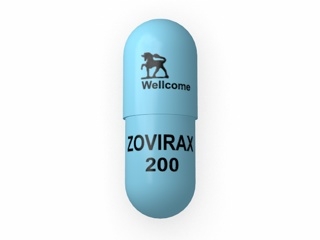
- Common forms (availability may vary): tablets, capsules, oral suspension, cream (for skin), and eye ointment (for certain eye infections)
- Drug class: Antiviral (nucleoside analogue)
- How it works: It blocks replication of herpes viruses
In the UK, availability and exact formulation can vary by pharmacy and by the condition being treated. Your pharmacist or doctor will advise which form and strength is most appropriate.
2) Mechanism of action (how Zovirax works)
Acyclovir works by targeting infected cells and preventing herpes viruses from copying themselves. In simple terms:
- Herpes viruses (such as HSV—herpes simplex, and VZV—varicella-zoster) produce an enzyme that can activate acyclovir.
- Activated acyclovir interferes with viral DNA building blocks.
- This stops the virus from multiplying, helping lesions heal and reducing the duration/severity of outbreaks.
Zovirax does not cure herpes permanently. It helps control symptoms and may reduce the frequency of recurrences when used appropriately.
3) Pharmacokinetics (absorption, distribution, metabolism, elimination)
Pharmacokinetics describes what the body does to the medicine. While individual responses vary, key points include:
- Absorption: Oral acyclovir is absorbed from the gut. Absorption can vary depending on formulation and gut conditions.
- Distribution: Acyclovir can reach many body tissues including skin and, for certain formulations, eye tissues.
- Metabolism: It is minimally metabolised.
- Elimination: Mainly cleared by the kidneys via renal excretion.
- Kidney function matters: Because clearance is largely renal, people with reduced kidney function may need dose adjustments.
If you have kidney disease or are older, it’s especially important to discuss appropriate dosing and hydration.
4) Typical use in the UK
Zovirax is used for infections caused by herpes viruses. The most common reasons it may be used include:
Common indications
- Herpes simplex virus (HSV): cold sores (labial herpes) and genital herpes
- Herpes zoster (shingles): painful rash due to varicella-zoster virus (VZV)
- Prevention in selected patients: to reduce recurrence in people with frequent outbreaks (where clinically indicated)
- Herpetic eye infections: with appropriate specialist guidance and suitable formulations
The exact “best use” depends on the virus type, the site of infection, symptom severity, immune status, and how soon treatment begins.
5) Timing: when to start Zovirax for best results
Antiviral medicines work best when started early. In general:
- Cold sores (HSV): start as soon as possible when you feel tingling/itching or at the first sign of a sore.
- Genital herpes (HSV): starting early can reduce symptom duration; timing can be critical.
- Shingles (VZV): starting within 72 hours of rash onset is generally recommended for greatest benefit.
If you’re unsure about timing, speak with a healthcare professional or pharmacist for guidance specific to your situation.
6) Indications (what it treats)
The following indications reflect common clinical uses. Local practice and eligibility may vary in the UK:
- Herpes simplex infections
- Primary or recurrent HSV infection affecting skin or mucous membranes
- Cold sores (labial herpes)
- Genital herpes
- Varicella-zoster infections
- Shingles (herpes zoster)
- In some cases, prevention or management in people at higher risk
- Herpetic eye disease (specific formulations only)
- HSV-related keratitis or other conditions under specialist direction
7) Dosing (general UK guidance)
Dosing depends on the condition being treated, the formulation (tablets/capsules/suspension/cream/eye ointment), your age, and kidney function. Always follow the instructions on your medicine label and any advice provided.
Important factors that may change your dose
- Type of infection (HSV vs VZV)
- Severity and whether it’s a first episode or recurrence
- Immune status (for example, immunocompromised individuals)
- Kidney function (dose may need adjustment)
- Formulation (tablets vs suspension vs topical)
Examples of dosing patterns (for education only)
To keep this patient-friendly page accurate and safe, dosing schedules vary by product and indication. Below are typical patterns that many clinicians use; your product label will contain the exact regimen for your prescription/pack.
| Condition (common) | Typical treatment timing | Typical dosing pattern (education only) | Notes |
|---|---|---|---|
| Cold sores (HSV) | Start at the first sign of outbreak | Often several doses per day | Topical vs oral choice depends on severity and recurrence |
| Genital herpes (HSV) | As early as possible | Often multiple daily doses for a short course | For frequent recurrences, a preventive schedule may be considered |
| Shingles (VZV) | Best within 72 hours of rash onset | Often several doses daily for several days | Early treatment helps reduce risk of complications |
| Long-term suppression (selected cases) | Continuous or regular use as advised | Often once/twice daily depending on plan | Regular review is important |
Do not change your dose unless advised by a healthcare professional. If you miss a dose, take it when you remember unless it’s close to the next dose—then continue as normal. Avoid doubling up.
8) Food interactions
Food can influence how certain medicines are absorbed. For acyclovir, the key practical points are:
- With or without food: Many people can take oral acyclovir with food to reduce stomach upset.
- Consistency helps: If food affects absorption for you, take it the same way each time.
- Hydration is important: Drinking water supports kidney clearance.
If you’re taking other medicines (especially those affecting the kidneys), ask a pharmacist for advice on timing and compatibility.
9) Alcohol and medicine interactions
There is no universal rule that alcohol is absolutely forbidden with acyclovir. However, the safest approach is to limit alcohol while you’re unwell, especially because:
- Alcohol can worsen dehydration.
- Shingles and other herpes infections may cause fatigue and pain—alcohol may make symptoms feel worse.
- Some people take additional medicines for pain or sleep, which may interact with alcohol.
Practical advice: If you do drink, keep it modest and ensure you’re well-hydrated. If you experience dizziness, drowsiness, or kidney-related concerns, avoid alcohol and seek advice.
Other medicine interactions (high-level)
Because acyclovir is cleared through the kidneys, interaction risk may increase with other drugs that affect kidney function or compete for renal clearance. Examples that may be relevant include:
- Medicines that affect kidney function (for example, certain diuretics or non-steroidal anti-inflammatory drugs (NSAIDs) used frequently)
- Medicines that may reduce kidney blood flow
- Other nephrotoxic medicines
Provide your pharmacist with a complete list of medicines and supplements you take. This includes over-the-counter products and herbal remedies.
10) Safety profile (who should be cautious)
Like all medicines, acyclovir can cause side effects. Most are mild, but some require urgent medical attention.
Common side effects
- Nausea
- Diarrhoea or abdominal discomfort
- Headache
- Dizziness (in some people)
- Local skin reactions when using cream (for example, mild burning or dryness)
Serious but less common warning signs
Seek urgent medical advice if you develop:
- Allergic reaction (swelling of face/lips, difficulty breathing, widespread rash)
- Signs of kidney problems (significantly reduced urine, severe flank pain, unusual swelling)
- Severe confusion or unusual neurological symptoms (particularly in older people or those with kidney impairment)
- Eye symptoms worsening (pain, light sensitivity, discharge)—especially if using topical treatment
Who should use caution
- People with kidney disease or reduced kidney function
- Older adults (kidney function may decline with age)
- People who are dehydrated
- Immunocompromised patients (may require different regimens and closer monitoring)
- Those taking other kidney-affecting medicines
If you are pregnant, trying to become pregnant, or breastfeeding, discuss use with a healthcare professional. Your clinician can help weigh benefits and risks for your situation.
11) Practical use tips (how to get the most benefit)
General tips for oral Zovirax
- Start early: begin at the first sign of outbreak or as advised.
- Take doses evenly: space doses regularly through the day.
- Drink fluids: aim for normal hydration unless you’ve been told to restrict fluids.
- Complete the course: even if symptoms improve, finish the recommended duration.
- Don’t share topical products: use creams only for the intended person and condition.
Tips for Zovirax cream (skin)
- Apply to clean, dry affected areas only.
- Wash hands before and after applying to avoid spreading infection.
- Covering the area is sometimes advised, but follow the instructions for your specific product.
- If the area becomes more painful, spreads rapidly, or doesn’t improve, seek advice.
Transmission reduction (important)
Antiviral treatment can reduce shedding and outbreak severity, but herpes can still be transmitted. Practical steps include:
- Avoid kissing when you have active cold sores.
- For genital herpes, avoid sexual contact during outbreaks and use barrier protection as advised.
- Do not touch lesions unnecessarily.
12) Alternative options to consider
Treatment choice depends on the virus type, location, severity, and your medical history. In the UK, alternatives to acyclovir may include:
- Valaciclovir (another antiviral for HSV and VZV; often taken less frequently)
- Famciclovir (an antiviral used for HSV and VZV in some cases)
- Penciclovir cream (for cold sores in some settings)
- Supportive symptom relief (pain relief, moisturising, wound care as appropriate)
If you’ve had side effects with acyclovir, or if you need a different schedule, speak with a pharmacist or clinician about the best option for your condition.
13) Market and legal context in the UK
Medicines in the UK are supplied under regulations designed to protect public health. The availability of Zovirax may depend on:
- Formulation: some topical products may be more accessible than certain oral formulations.
- Strength and pack size: availability may differ between products.
- Regulatory status: some medicines are supplied under different conditions (e.g., prescription-only vs other supply routes), and pharmacy procedures may apply.
UK pharmacies follow strict standards for product sourcing, storage, labelling, and patient safety checks. If you’re ordering online, you should expect a process designed to ensure the right product is supplied for your needs.
Recent guidance (high-level)
Antiviral therapy for herpes infections generally emphasises:
- Early initiation for shingles and acute HSV outbreaks
- Appropriate selection of formulation and dose
- Assessment of kidney function and patient risk factors
For the most current UK recommendations, clinicians often refer to NHS pathways and national guidance from relevant medical bodies. Pharmacy teams can also provide up-to-date advice in line with local protocols.
14) Delivery and availability (UK)
Zovirax may be available from high-street pharmacies and online pharmacies. Availability can vary by:
- Form (tablets, cream, suspension, eye ointment)
- Strength and pack size
- Current supply levels
When ordering online, reputable UK pharmacies typically provide:
- Standard or express delivery options depending on the supplier
- Tracking updates (for certain services)
- Secure packaging to protect products during transit
Delivery times can be affected by weekends, public holidays, and courier capacity. If you need the medicine urgently (for example, for shingles treatment within a specific time window), choose the fastest delivery option available and check stock status on the website.
15) FAQ – Frequently asked questions
How quickly will Zovirax start working?
Many people notice improvement within a few days, especially when treatment starts early. For shingles, earlier initiation (ideally within 72 hours of rash onset) is associated with better outcomes.
Is Zovirax suitable for everyone?
Most people can use acyclovir safely when appropriate dosing is followed. However, extra caution is needed with reduced kidney function, dehydration, and in older adults. If you have kidney problems, discuss dose adjustments with a clinician or pharmacist.
Can I use Zovirax cream on the mouth and genitals?
Cream formulations are intended for specific sites and conditions. Do not apply topical products to areas they are not intended for. If you’re unsure, ask a pharmacist for site-specific advice.
What if I get shingles—should I wait to see if it improves?
For shingles, starting antiviral therapy early is important. If you suspect shingles, seek advice promptly so treatment can begin within the recommended time window.
Can I stop taking Zovirax once I feel better?
It’s usually important to complete the recommended course. Stopping early may allow the virus to continue replicating, leading to prolonged symptoms or complications.
Does Zovirax prevent outbreaks?
Zovirax may be used for prevention (suppression) in selected patients who experience frequent recurrences or where recommended. Prevention regimens differ from short-course treatment for active outbreaks.
Is Zovirax effective against all viruses?
Zovirax is designed to treat certain herpes viruses. It does not treat common cold viruses or influenza.
Does alcohol affect Zovirax?
Moderate alcohol is not automatically contraindicated, but alcohol can worsen dehydration and your overall recovery. If you drink, keep it modest and stay well hydrated. Avoid alcohol if it worsens symptoms or if you’re taking other medicines that cause drowsiness.
What should I do if I miss a dose?
Take it as soon as you remember unless it is close to the next scheduled dose. Do not double up. If you miss multiple doses, seek advice from a pharmacist for the best approach.
Can I drive or operate machinery?
Most people taking acyclovir can drive and operate machinery. However, if you feel dizzy or unwell after taking the medicine, wait until you feel better before driving.
When should I contact a healthcare professional?
Contact a healthcare professional urgently if you develop signs of allergy, severe or worsening symptoms, reduced urine output, severe confusion, or eye pain/light sensitivity. For shingles, seek advice quickly, especially if you are older, immunocompromised, or the rash is near the eye.
Summary
Zovirax (acyclovir) is an antiviral medicine used to treat and sometimes prevent infections caused by herpes viruses such as herpes simplex (including cold sores and genital herpes) and varicella-zoster (shingles). It works by stopping viral replication inside infected cells. For best results, start early, take doses regularly as directed, and consider kidney safety and hydration.
If you have questions about which Zovirax formulation is right for you, or how it fits with your existing medicines, a UK pharmacist can help you choose the safest and most effective option.