Zyban (Bupropion) – Patient-Friendly Guide (UK)
Zyban contains bupropion, a medicine used to help people stop smoking. It can reduce cravings and withdrawal symptoms and may make quitting more achievable when combined with support and a quit plan. This guide explains how Zyban works, how it’s taken, key safety information, and what to consider in everyday life in the United Kingdom.
1) Basic product information
- Brand name: Zyban
- Active ingredient: Bupropion (as bupropion hydrochloride)
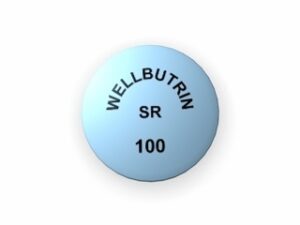
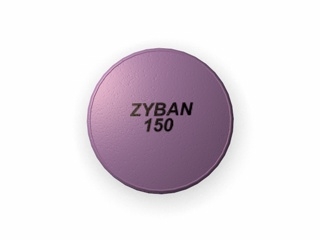
- Common form: Tablets
- Typical strength: 150 mg (often supplied as prolonged-release tablets in the UK)
- Purpose (typical use): Smoking cessation aid
- Who it may suit: Adults who want to stop smoking and can follow a structured quit plan
Availability and exact product packaging can vary by manufacturer and pharmacy. Your pharmacist can confirm the specific product and strength you receive.
2) What Zyban is used for (indications)
Zyban is indicated to help adults stop smoking. It is most effective when started before the quit date and used alongside behavioural support such as:
- Smoking cessation counselling
- Quitlines and structured programmes
- Written plans, triggers tracking, and coping strategies
Zyban is sometimes discussed for mood-related conditions, but on this page we focus on its UK use for smoking cessation. (Other bupropion brands may exist, and different indications may apply depending on the product.)
3) How Zyban works (mechanism of action)
Bupropion is thought to help smoking cessation by affecting the brain’s reward pathways and withdrawal-related symptoms. Its exact mechanism is not fully understood, but key actions include:
- Norepinephrine and dopamine reuptake inhibition: bupropion increases levels of certain neurotransmitters involved in motivation and reward.
- Nicotine craving reduction: altered neurotransmitter signalling may reduce the urge to smoke.
- Withdrawal symptom relief: it may help with irritability, restlessness, and difficulty concentrating that can occur when you stop smoking.
The result is that many people find cravings easier to manage during the early quit period—when relapse risk is often highest.
4) Pharmacokinetics (how the body processes it)
“Pharmacokinetics” describes what happens to a medicine in the body—absorption, distribution, metabolism, and elimination. While individual responses vary, the following points are commonly relevant for bupropion:
| Process | What to expect (general) |
|---|---|
| Absorption | Bupropion is absorbed after oral dosing. In prolonged-release form, medicine is released gradually to support less frequent dosing. |
| Distribution | It distributes into body tissues and can cross into the brain, where it acts on neurotransmitter systems. |
| Metabolism | Bupropion is metabolised in the liver to active metabolites (including hydroxybupropion and others). These metabolites contribute to overall effect. |
| Elimination | Metabolites are eliminated primarily via the kidneys. Clearance may be slower in certain conditions, affecting exposure. |
| Time to steady effect | Many people notice changes in cravings after starting, but full benefit often builds over the first 1–2 weeks. It’s important to complete the recommended course as advised. |
If you have liver or kidney problems, your clinician may adjust the plan or choose a different approach.
5) Typical use and timing
A key feature of Zyban for smoking cessation is starting before your quit date. This “pre-quit” period allows the medicine to reach effective levels and helps prepare you for the change.
Common approach (UK smoking cessation plan)
- Start Zyban about 1–2 weeks before your planned quit date (your prescriber or pharmacist will confirm the exact timing).
- Set a quit date within that window.
- Keep smoking initially until your quit date, then stop completely.
You may also be advised to remove cigarettes, lighters, and ashtrays from your home and to plan how you’ll handle triggers (for example, after meals or during breaks).
How to take it (general guidance)
Always follow the instructions provided with your product and the advice from your healthcare professional. Bupropion may be taken as a once- or twice-daily regimen depending on the formulation and local instructions.
- Take your doses at times that fit your routine.
- Many people are advised to avoid taking the medicine too late in the evening to reduce the risk of insomnia.
- Swallow tablets whole with water. Do not crush or chew unless your product instructions specifically allow it.
6) Food interactions
Zyban can generally be taken with or without food, and taking it with food may help if you experience stomach discomfort. However, because products and instructions can differ, check the leaflet that comes with your tablets.
- If you feel nauseous, try taking the dose after a meal.
- Stay consistent with how you take it day-to-day.
If you have swallowing difficulties or other concerns, speak to a pharmacist for product-specific advice.
7) Alcohol and medicine interactions
Alcohol
Combining bupropion with alcohol can increase the chance of side effects for some people. In particular, bupropion may lower the seizure threshold, and heavy or abrupt changes in alcohol intake can further increase risk.
- Avoid heavy drinking while taking Zyban.
- If you drink regularly, do not suddenly stop without medical advice.
- Discuss your alcohol intake with a healthcare professional before starting.
Other medicines (interaction overview)
Zyban can interact with other medicines, mainly because bupropion is metabolised in the liver and may affect certain enzymes. Some medicines can also alter seizure risk or affect mood and sleep.
Tell your healthcare professional about all medicines you take, including:
- Other antidepressants and medicines for mental health
- Antipsychotics
- Medicines for Parkinson’s disease
- Stimulants or appetite suppressants
- Certain antimalarials
- Medicines that can lower seizure threshold
- Some corticosteroids (e.g., high-dose or specific regimens)
- Medicines that strongly affect liver enzymes
Your pharmacist can help check interactions based on your exact medicines and doses.
8) Dosing (general principles)
Dosage must be individualised. The following is general information to help you understand typical plans. Always use the dosing schedule provided with your medicine and your healthcare professional’s advice.
Common titration concept
- Starting dose: often begins at a lower level to improve tolerability.
- Maintenance dose: increased after the initial period.
- Quit date alignment: the treatment schedule is designed so adequate levels are present by the time you stop smoking.
If you miss a dose, don’t double up. Ask your pharmacist for advice on what to do based on the timing of your missed dose and your tablet strength.
9) Safety profile and key precautions
Like all medicines, Zyban has potential side effects and important safety considerations. Some effects require urgent medical attention.
Common side effects
Many side effects are mild to moderate and may improve after the first days to weeks. Commonly reported include:
- Insomnia or disturbed sleep
- Dry mouth
- Headache
- Nausea or stomach upset
- Increased sweating
- Agitation or restlessness
- Changes in appetite
Serious risks: when to seek urgent help
Bupropion can rarely cause serious complications. Seek urgent medical advice if you experience:
- Seizure (fits/convulsions)
- Allergic reaction such as swelling of the face, lips, tongue, or throat; difficulty breathing; severe rash
- Severe mood or behavioural changes, including thoughts of self-harm, extreme agitation, or hallucinations
- Severe skin reactions
- Symptoms suggestive of liver problems (e.g., yellowing of the skin/eyes, dark urine, severe fatigue)
Who should take extra care
Your clinician should evaluate whether Zyban is suitable for you if you have:
- A history of seizures or conditions that raise seizure risk
- Eating disorders (e.g., bulimia or anorexia nervosa)
- Significant head injury
- Diabetes treated with medicines that may affect blood sugar (monitoring may be needed)
- Liver disease or impaired liver function
- Kidney impairment
- Current or past bipolar disorder or a history of mania/hypomania
- Use of medicines that may lower seizure threshold
- Heavy alcohol use or planned withdrawal from alcohol
If any of these apply, your healthcare professional may recommend a different approach or a modified plan.
10) Practical use tips for quitting successfully
Zyban works best as part of a comprehensive quit strategy. The following tips can help improve your chances:
- Set clear triggers and coping strategies: identify moments you usually smoke (after meals, with coffee, stress, social situations) and plan alternatives.
- Make the quit day practical: remove cigarettes and related items, clean surfaces, and plan what you’ll do during usual smoking breaks.
- Use support: UK-based services (NHS Stop Smoking Services) can offer behavioural counselling and regular follow-up.
- Stay consistent with dosing: take tablets at the same times each day.
- Protect sleep: if you experience insomnia, avoid late-evening doses and consider a routine calming activity before bed.
- Manage early cravings: cravings often peak in the first days; have an “emergency plan” (water, sugar-free gum, a short walk, breathing exercises).
- Don’t ignore side effects: if you’re struggling with nausea, sleep, or mood changes, contact a clinician or pharmacist promptly—adjustments may be possible.
Many people try more than once before succeeding. A relapse does not mean quitting is impossible—use it to learn what needs changing next time.
11) Alternative options for stopping smoking (UK overview)
If Zyban isn’t suitable or you prefer another approach, there are several evidence-based alternatives:
Nicotine replacement therapy (NRT)
- NRT patches (steady nicotine levels)
- NRT gum/lozenges (for craving relief)
- NRT inhalator or spray (where available)
Combination NRT (e.g., patch plus gum) is often effective for people who have strong cravings.
Varenicline
Varenicline is another prescription medicine used for smoking cessation. It acts on nicotine receptors to reduce cravings and withdrawal. Suitability depends on your medical history and risk factors.
Behavioural support and counselling
- NHS Stop Smoking Services
- Quitline services
- Group or one-to-one counselling
Other supports
- Digital programmes and text support
- Community-based smoking cessation initiatives
A pharmacist can help you compare options and consider which approach fits your pattern of smoking and health needs.
12) Market and legal context in the United Kingdom
In the UK, smoking cessation medicines are governed by medicines regulation and professional healthcare guidance. Zyban is used in tobacco dependence treatment pathways and is typically supplied through regulated channels.
- NHS support: UK services provide behavioural support and may recommend or supply evidence-based medicines.
- Pharmacy role: Pharmacists support safe use, check interactions, advise on timing, and help monitor side effects.
- Ongoing guidance: Clinical and public health bodies periodically update recommendations based on emerging evidence and safety updates.
For the most current official information, consider resources from UK medicines regulation and public health bodies, and always follow the instructions provided with your medicine.
13) Recent guidance and safety communications (general)
Safety and prescribing guidance for smoking cessation medicines can evolve over time. In the UK, clinicians and pharmacists may update:
- Risk screening steps (for seizure risk, mental health history, and alcohol use)
- Monitoring advice (sleep, mood changes, and tolerability)
- Advice on stopping rules if serious adverse effects occur
If you are restarting Zyban after a break, or if your health situation has changed since you previously used it, it’s important to review suitability and dosing plan again with a healthcare professional.
14) Delivery and availability in the UK
Online pharmacies in the UK may offer delivery of medicines where permitted by law and regulations. Availability can depend on stock levels, the exact formulation, and any supply restrictions.
- Delivery options: Standard or tracked delivery may be available.
- Packaging: Medicines are normally supplied in sealed, tamper-evident packaging.
- Temperature: Zyban tablets generally do not require special temperature control for everyday storage.
- Order checks: Online ordering processes may include identity, clinical, and compliance checks where required.
If you need delivery to a specific address or have urgent timing for your quit date, contact the pharmacy to confirm dispatch and estimated delivery times.
15) Storing Zyban
- Store tablets in the original packaging to protect from moisture and light.
- Keep out of reach and out of sight of children.
- Do not use after the expiry date printed on the pack.
- Follow any additional storage instructions in the patient information leaflet.
16) FAQ (Frequently asked questions)
How long does it take for Zyban to start working?
Some people notice reduced cravings within the first week, especially once doses build up. However, Zyban is designed to be started before your quit date, so consistent use from the start is important.
When should I take Zyban during the day?
This depends on your dosing schedule. Many people are advised to avoid late-evening doses because insomnia can occur. If you’re unsure, ask your pharmacist which times are best for your plan.
Can I smoke while starting Zyban?
Usually yes—Zyban is often started and then you continue smoking until your agreed quit date. On your quit date, you stop completely.
What should I do if I miss a dose?
Don’t double up. Check the patient leaflet or ask your pharmacist for advice based on when you missed it and your prescribed schedule.
Can I drink alcohol while taking Zyban?
Alcohol may increase the risk of side effects and can affect safety in certain people. Avoid heavy drinking and discuss your alcohol intake with a healthcare professional before starting.
Does Zyban interact with other medicines?
Yes, bupropion can interact with certain medicines, including those that influence liver enzymes or affect seizure risk and mood. Always disclose all medicines and supplements you use so interactions can be assessed.
What side effects are most common?
Insomnia, dry mouth, headache, nausea, and changes in appetite are among the more common effects. If symptoms are troublesome, seek advice rather than stopping abruptly without guidance.
Is Zyban suitable for everyone who wants to stop smoking?
No. Suitability depends on your health history, current medicines, and risk factors (including seizure risk and certain mental health conditions). A clinician or pharmacist can assess whether Zyban is appropriate for you.
What if Zyban doesn’t help me quit?
Don’t consider it failure—many people need more than one attempt. Your healthcare team can help adjust the plan, consider NRT, varenicline, or enhanced behavioural support, and identify triggers to focus on.
Can I use Zyban if I have previously taken it?
You may be able to, but it should be reviewed. Dose and safety considerations can change with time, new medicines, and changes in health. Get advice before restarting.
17) When to contact a healthcare professional
Contact a healthcare professional promptly if you:
- Experience severe or persistent side effects (especially sleep disturbance, agitation, or severe headache)
- Develop symptoms of allergic reaction
- Have any symptoms that concern you, including sudden mood changes
- Have questions about interactions with new medicines
For day-to-day concerns, your pharmacist is often the best first point of contact. For emergencies, seek urgent medical help.
Remember: Zyban can be an effective aid to quitting smoking, but individual results vary. For best outcomes, combine the medicine with a quit plan, behavioural support, and follow-up guidance from NHS or healthcare professionals in the UK.