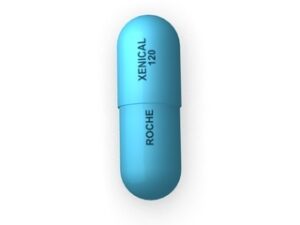
Orlistat (Weight Loss Medicine) – Patient Guide (UK)
Orlistat is a medicine used to help with weight loss by reducing the amount of dietary fat absorbed from food. It is commonly available in the United Kingdom as an over-the-counter option in certain strengths and pack sizes. When used alongside a calorie-controlled diet and lifestyle changes, orlistat can support gradual weight loss and help reduce the risk of weight regain.
This guide explains how orlistat works, how to take it, what to expect, and key safety considerations—written for patients in the UK.
Basic product information
- Generic name: Orlistat
- Common brand examples: Often sold under various brand names depending on strength and supplier.
- How it works: Limits absorption of fats in the gut
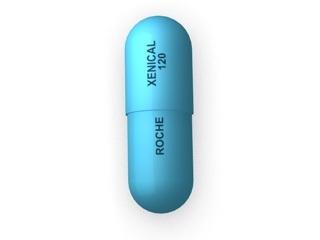
- Typical form: Capsules or tablets (form and strength vary by product)
- Where it fits: Adjunct to diet and lifestyle for weight management
Note: Always check the specific product label for the exact strength, number of capsules/tablets, and dosing instructions provided by the manufacturer.
Mechanism of action (how it works)
Orlistat works in the gastrointestinal tract. It is a lipase inhibitor. Lipase is an enzyme your body uses to break down dietary fat into absorbable components.
When you take orlistat:
- It inhibits pancreatic and gastric lipases that normally help digest fat.
- This means less fat is broken down and absorbed.
- Unabsorbed fat is excreted in the stool.
Practical impact: Because the medicine targets dietary fat, results are best when you reduce the amount of fat you eat—especially at meal times.
Pharmacokinetics (what the body does with orlistat)
Orlistat has a local effect in the gut rather than acting systemically throughout the body.
- Absorption: Only a small fraction of orlistat is absorbed into the bloodstream.
- Distribution: The majority of the medication acts within the gastrointestinal tract.
- Metabolism: If absorbed, it is metabolised mainly in the intestinal wall and/or liver.
- Excretion: Most of the medication and its metabolites are eliminated via the faeces.
Why this matters to patients: Because systemic absorption is low, many side effects relate to digestion and stool changes (rather than widespread drug effects across the body).
Typical use in the UK
Orlistat is used to support weight loss in adults who are overweight, as part of a broader weight management plan. It is intended for use alongside:
- A calorie-controlled diet
- Reduced dietary fat intake
- Regular physical activity
Weight management approach: Orlistat is most effective when it helps you stick to dietary changes—particularly lowering fat intake during meals.
Indications (when orlistat is used)
In the UK, orlistat products are generally indicated for weight management in adults with overweight or obesity when used with a reduced-calorie diet.
Typical indication categories you may see on patient information leaflets:
- Adjunct to diet for weight loss in adults
- Weight management to help prevent regain following earlier weight loss (where product guidance supports this use)
Important: The exact eligibility and duration of use can vary by strength and product. Follow the leaflet supplied with your specific orlistat medicine and consult a pharmacist if you are unsure.
Dosing (how to take orlistat)
Common dosing regimens (for many over-the-counter orlistat products) are based on taking a dose Common practical rule: Orlistat works by being present in the gut when fat is being digested. For most patients, taking it during the meal is the simplest and most consistent approach. How long to use: Follow the product leaflet. If you have not achieved a meaningful amount of weight loss after several weeks (often around the first 12 weeks, depending on product guidance), speak with a healthcare professional for advice on whether to continue. For orlistat to work effectively, focus on meal timing and fat awareness. Fat content matters: If your meal contains fat (e.g., cheese, creamy sauces, fried foods, pastries), orlistat will help reduce fat absorption—but this is also when gastrointestinal side effects are more likely. Orlistat is not a “food allergy” style interaction; rather, its effect depends on what you eat. Dietary fat and side effects: When orlistat reduces fat absorption, the unabsorbed fat can cause stool-related effects. These are typically more frequent when meals are higher in fat. Tips to improve comfort and effectiveness: After meals: If you notice side effects, it often helps to review meal composition (especially fat content) and portion sizes. There is no single universal rule that every person must avoid alcohol completely while taking orlistat; however, alcohol can indirectly affect weight management and wellbeing. Practical advice: If you drink alcohol, consider limiting both the quantity and frequency and monitor how your digestion responds. Orlistat reduces fat absorption and can also reduce absorption of fat-soluble vitamins (A, D, E, and K). This can matter if your diet is limited or you use the medicine long term. Other medicines: Because orlistat affects the gut, it may alter absorption of some medicines. Drug absorption can be complex and varies by formulation. Speak to a pharmacist if you take: Always check the patient information leaflet and ask a healthcare professional for advice if you are unsure. Like all medicines, orlistat can cause side effects. Many are related to the digestive system because of reduced fat absorption. These effects are often most noticeable early in treatment and may improve when you reduce dietary fat. Stop taking orlistat and seek urgent help if you experience: Many patients find orlistat easiest to manage with a few practical habits. Dietary consistency is key: Orlistat helps most when your eating plan already reduces fat. If your meals remain high in fat, side effects are more likely and weight loss may be less satisfying. Orlistat is one approach. Depending on your circumstances, other options may include: Choosing an alternative: A pharmacist can help compare options and safety considerations, including interactions with your existing medicines. In the UK, availability of medicines can depend on strength and classification. Orlistat has historically been available in different strengths and may be: Regulatory and guidance environment: Weight-loss medicines are supplied with manufacturer patient information leaflets that cover eligible users, dosing, and safety. You should also follow current local health advice for obesity and weight management. Recent guidance (general themes): UK public health and clinical guidance commonly emphasises that medicines should be used as part of a comprehensive plan, with attention to monitoring, nutrition (including vitamins), and realistic expectations for weight loss. Online pharmacies in the UK typically offer: What to check before ordering: Availability notes: Stock may vary by strength and season. If a particular product is out of stock, your pharmacy may offer an alternative equivalent product or advise on restocking times. Orlistat begins working during the meal by blocking fat digestion. Changes in stool and digestion may occur relatively early, especially if meals contain more fat than usual. Weight loss is typically gradual over weeks rather than days. No medicine can guarantee weight loss for everyone. Orlistat helps reduce fat absorption, but results depend on overall diet, total calorie intake, and consistency with meal timing. For best outcomes, pair it with a calorie-controlled diet and regular activity. The most common effects are digestive, such as oily stools, increased bowel frequency, urgency, gas, and abdominal discomfort. These are often more likely when eating higher-fat meals. Generally, you take orlistat with main meals that contain fat, not every snack. Follow the specific instructions on your product label. Because orlistat can reduce absorption of fat-soluble vitamins, many patient leaflets advise supplementation. If recommended, take vitamins at a time separated from orlistat (commonly a few hours) as stated in the leaflet. There is no universal “forbidden” rule, but alcohol can worsen gastrointestinal discomfort for some people and can add calories, making weight loss harder. If you choose to drink, consider limiting quantity and observe how your body reacts. Some medicines may be affected by changes in absorption. Always check the leaflet and ask a pharmacist if you take long-term or critical medicines. In particular, discuss medicines where absorption consistency matters. If you miss a meal-related dose, don’t double up. Take the next dose with the next appropriate meal, according to the leaflet. Suitability varies by individual. Check your leaflet and ask a pharmacist if you are pregnant, breastfeeding, have a history of malabsorption, or have significant gastrointestinal disease. If you have frequent diarrhoea or dehydration, discuss with a healthcare professional before using orlistat. Look for gradual weight reduction, improved dietary fat control, and overall progress with your weight plan. If you are not seeing expected changes after several weeks, seek advice to review your diet, adherence, and options. Orlistat is a fat-absorption inhibitor that supports weight management when used with a reduced-calorie diet and lifestyle changes. It works locally in the gut, so its most noticeable effects are gastrointestinal—especially when meals are higher in fat. To use it safely and effectively in the UK: Always read the patient information leaflet provided with your specific product for the most accurate dosing and safety guidance.
Situation
Typical dosing approach
Key point
Main meals (breakfast, lunch, dinner)
Take the orlistat dose with each main meal
Best results occur when meals contain fat
Missed meal
Skip the dose for that meal
No meal = no need to take the medicine
Meal with no fat
Skip or adjust dosing according to the product leaflet
Orlistat targets dietary fat digestion
Timing
Take with or up to about 1 hour of meals (follow leaflet)
Taking too early/late may reduce effect
Timing and meal guidance
Food interactions (what you should know)
Alcohol and medicine interactions
Alcohol
Medicine interactions (including key fat-soluble vitamins)
Safety profile (side effects and when to seek help)
Common side effects
Less common but important considerations
When to stop and seek medical advice urgently
General safety notes
Practical use tips (to improve results and reduce side effects)
Alternative options for weight management
Market and legal context in the United Kingdom
Delivery and availability (UK)
FAQ about Orlistat
1) How quickly will orlistat start working?
2) Will orlistat stop all weight gain?
3) What side effects are most common?
4) Can I take orlistat with every meal?
5) Should I take vitamins while using orlistat?
6) Does orlistat interact with alcohol?
7) Can I take other medicines at the same time?
8) What should I do if I miss a dose?
9) Who should avoid orlistat?
10) How do I know if orlistat is working for me?
Summary