
Serophene (Clomiphene) — Patient Guide (UK)
Serophene contains clomiphene, a medicine commonly used to help stimulate ovulation in people who are trying to conceive. This guide explains how it works, how it is typically taken, important safety information, and practical considerations for use in the United Kingdom. Always follow the instructions given by your healthcare professional and the information provided with your medicine.
Quick overview
- Medicinal ingredient: Clomiphene (often as clomiphene citrate)
- What it helps with: Induces ovulation in certain causes of ovulation problems
- How it is taken: Usually tablets by mouth for a short course per cycle
- Common side effects: Hot flushes, headaches, nausea, breast tenderness, mood changes, visual disturbances (uncommon but important)
- Not suitable for everyone: Certain hormone-sensitive cancers, liver disease, pregnancy, and other conditions
Basic product information
| Category | Details |
|---|---|
| Brand name | Serophene |
| Active ingredient | Clomiphene |
| Medicinal class | Selective oestrogen receptor modulator (SERM) |
| How it works | Helps the brain release hormones (FSH/LH) that stimulate ovulation |
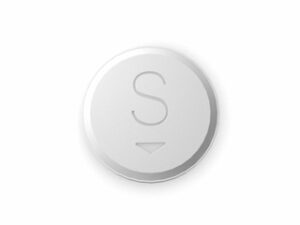
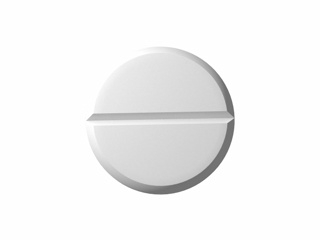
| Typical form | Oral tablets |
| Where used | UK fertility services and clinical care for ovulation induction |
Mechanism of action (how Serophene works)
Clomiphene acts as a Selective Estrogen Receptor Modulator (SERM). It works mainly by temporarily blocking oestrogen receptors in the brain (particularly the hypothalamus and pituitary). When the brain senses less “oestrogen effect,” it increases the release of:
- FSH (follicle-stimulating hormone) — supports growth of ovarian follicles
- LH (luteinising hormone) — triggers ovulation once a follicle is mature
In many people with anovulation (no ovulation) or irregular ovulation, this helps to start a monthly ovulation cycle. The medicine does not “create pregnancy” directly—pregnancy depends on ovulation, sperm presence, and successful fertilisation and implantation.
Pharmacokinetics (how the body handles clomiphene)
While individual responses vary, clomiphene has characteristics important for understanding dosing and timing:
- Absorption: After oral dosing, clomiphene is absorbed from the gastrointestinal tract.
- Distribution: It binds to proteins in the body and is distributed widely.
- Metabolism: Clomiphene is metabolised mainly in the liver.
- Elimination: The medicine and its metabolites are removed slowly, which contributes to its longer-lasting effects across a cycle.
Because clomiphene can remain in the body for some time, it’s important to follow cycle-based dosing and to avoid additional doses or “early restarting.” If you become pregnant during a cycle, contact your healthcare professional promptly.
Typical use in the UK
Serophene is used to treat certain fertility-related hormone problems, most commonly where ovulation does not occur regularly. It is generally offered as part of an infertility evaluation and management plan.
Indications (when it may be used)
Common clinical uses include:
- Ovulation induction in people with anovulation, particularly related to conditions such as polycystic ovary syndrome (PCOS) (though other causes exist).
- Irregular ovulation where ovulation is infrequent or absent and fertility is affected.
Your healthcare professional may also consider additional factors such as tubal patency, semen analysis, age, body weight, and metabolic health.
Dosing and timing (what a course looks like)
Dosing should be individualised. Below is typical information that many patients encounter; your exact dose and cycle instructions must match your own plan.
Starting day and duration
- Serophene is usually taken for 5 days per cycle.
- Commonly, the first tablet is taken on the day 2 or day 5 of your menstrual cycle. The exact “day” depends on your clinician’s approach and your cycle pattern.
- A treatment course is often continued for several cycles if ovulation occurs but pregnancy has not yet been achieved.
How the dose is commonly adjusted
- Many regimens start with a lower dose and increase in subsequent cycles only if there is no adequate ovulation.
- Higher doses can increase the chance of side effects and multiple pregnancy, so dose escalation is usually gradual and monitored.
When ovulation is expected
Ovulation often occurs approximately 5 to 10 days after the last tablet, though this can vary. Your clinician may suggest timing intercourse and/or ovulation testing.
When to have intercourse or use fertility timing
- Because sperm can survive in the reproductive tract for several days, intercourse is commonly timed around the expected ovulation window.
- Some people use ovulation predictor kits or track basal body temperature; these methods may be affected by underlying conditions.
- Discuss a clear plan for timing with your healthcare professional, especially if you are using additional fertility monitoring.
Important: Do not take extra tablets to “improve results.” If you miss a dose, follow the instructions from your healthcare professional or the patient information leaflet.
Timing in relation to pregnancy tests
If you are trying to conceive, pregnancy tests are usually most reliable after a missed period or around the appropriate time recommended for your cycle. Because clomiphene can affect hormone patterns, testing too early may give misleading results.
Food interactions and diet considerations
In general, clomiphene can be taken with or without food. However, some people find that taking it with a light meal reduces nausea.
Food guidance
- Take consistently: Try to take your tablet at a similar time each day.
- Stay hydrated: Helps manage mild side effects such as headaches.
- Manage nausea: If nausea occurs, a snack before taking may help.
No specific “must avoid” foods are usually required, but maintaining a healthy diet is beneficial for fertility and overall wellbeing.
Alcohol and medicine interactions
Alcohol
Moderate alcohol intake may not directly interact with clomiphene in a way that’s clearly predictable for every person. However, alcohol can worsen side effects such as dizziness, headaches, and nausea, and may affect sleep and mood. It may also complicate efforts to follow cycle-related timing when you’re feeling unwell.
If you choose to drink alcohol, consider keeping it light and avoiding binge drinking. If you have liver-related issues or persistent nausea, it is best to avoid alcohol and seek advice.
Other medicine interactions
Interactions depend on your full medicine list (including herbal products and supplements). Important points to consider:
- Liver metabolism: Clomiphene is metabolised in the liver, so medicines that strongly affect liver enzymes may alter clomiphene levels.
- Hormonal treatments: Using other fertility or hormonal medicines can change the ovulation response and side effect risk.
- Blood clot risk medicines: If you take medicines that affect clotting or have clotting risk factors, discuss your risk profile with a clinician.
Always provide your healthcare professional and pharmacist with a complete list of medicines, including: prescription medicines, over-the-counter products, vitamins, herbal supplements (e.g., St John’s wort), and painkillers.
Safety profile: what to watch for
Like all medicines, Serophene can cause side effects. Many are mild and temporary, typically improving after the course. Some effects are uncommon but important to act on.
Common side effects
- Hot flushes
- Headache
- Nausea
- Breast tenderness
- Abdominal bloating or discomfort
- Mood changes (for example, irritability)
- Vaginal dryness or changes in cervical mucus
Uncommon but serious concerns
- Visual disturbances (e.g., blurred vision, flashes, seeing spots): stop driving and seek medical advice promptly if this occurs.
- Ovarian enlargement and pelvic pain: could indicate a significant ovarian response that needs assessment.
- Multiple pregnancy (twins are more likely than with natural conception): risk increases with higher doses and with multiple follicle development.
- Allergic reactions: swelling, rash, breathing difficulty—seek urgent help.
Who should be cautious or avoid Serophene
Serophene is not suitable for some people. Common reasons clinicians may avoid clomiphene include:
- Pregnancy or suspected pregnancy during treatment
- Liver disease or significant liver impairment
- Unexplained vaginal bleeding
- Ovarian cysts not related to polycystic ovary syndrome (needs evaluation)
- Hormone-sensitive cancers (for example, certain uterine or ovarian cancers)
- Thickening or tumours in the pituitary area (needs specialist assessment)
Your clinician will review medical history and may arrange tests before starting a course.
Practical use tips (to make treatment safer and smoother)
Before you start
- Confirm cycle timing: Know which day to begin tablets and when your course ends.
- Review your medicines: Bring a full list to your appointment.
- Discuss monitoring: Ask whether ultrasound or blood tests are planned to assess follicle growth and reduce risk.
- Plan transport: If you’re prone to headaches or visual symptoms, consider how you’ll manage work/driving on treatment days.
During treatment
- Take tablets exactly as directed for the 5-day course.
- Track symptoms: Note hot flushes, mood changes, headaches, and any pelvic discomfort.
- Watch for vision changes: If any visual symptoms occur, seek advice immediately.
- Use contraception if pregnancy is not desired: In people who are not trying to conceive, discuss safe options with your clinician.
After the course
- Expect the “waiting period”: Ovulation is often 5–10 days after the last tablet.
- Consider ovulation testing: Helpful for timing intercourse, but results may not always align perfectly with clomiphene response.
- Follow the cycle plan: Do not start a new cycle early—wait for assessment and/or the next indicated start day.
Alternative options for ovulation induction (UK context)
Depending on the underlying cause of ovulation problems, alternatives may include:
Lifestyle and first-line approaches
- Lifestyle changes (especially weight management where relevant)
- Metabolic management in PCOS (your clinician may consider treatments for insulin resistance)
Other fertility medicines
- Letrozole — commonly used for ovulation induction in PCOS in many clinical practices
- Gonadotrophins (injectable FSH/LH) — typically require monitoring due to ovarian stimulation risk
Procedures
- Ovarian drilling — selected cases where clomiphene is not suitable or has been unsuccessful
- Assisted reproductive techniques (ART) — such as IVF, depending on overall fertility factors
The “best” option depends on age, diagnosis, ovulation response, ovarian reserve, sperm factors, and previous treatment outcomes. Discuss with a fertility specialist.
Market and legal context in the United Kingdom
In the UK, clomiphene-containing medicines are regulated and supplied through licensed channels. Availability may vary by brand, formulation, and stock levels at any given time.
If you are purchasing online, ensure:
- the product is supplied by a UK-registered or appropriately licensed pharmacy
- the medicine listing includes active ingredient, strength, and clear expiry/batch information
- you receive appropriate patient information and a safe supply process
Recent guidance (high-level)
Fertility management advice evolves through clinical research and professional guidance. In general, UK clinicians commonly consider modern first-line choices in certain scenarios, and they may prefer strategies that:
- aim for effective ovulation induction with careful monitoring
- reduce risk of multiple pregnancy
- account for underlying causes such as PCOS and metabolic factors
Always check current advice from a qualified healthcare professional or fertility clinic, as recommendations may differ between individuals.
Delivery, availability and what to expect when ordering online
Availability of Serophene may depend on supply routes and pharmacy stock. When ordering online through a legitimate UK pharmacy, you can typically expect:
- Transparent product information (strength, pack size, expiry details)
- Secure dispatch and delivery tracking where offered
- Delivery windows that vary by courier and location
Packaging and handling
- Store tablets according to the instructions provided (often at controlled room temperature).
- Keep out of sight and reach of children.
- Do not use after the expiry date.
If you have urgent timing needs for a cycle, allow extra time for dispatch and delivery. Contact customer support if you’re unsure about lead times.
Safety checklist before starting a course
- Are you not pregnant and not suspected to be pregnant?
- Do you have any history of liver problems or hormone-sensitive cancers?
- Do you have unexplained vaginal bleeding that hasn’t been assessed?
- Have you discussed your ovarian cysts or PCOS diagnosis?
- Have you reviewed your medicine list for possible interactions?
FAQ — Serophene (Clomiphene)
1) How long does Serophene take to work?
Ovulation commonly occurs about 5 to 10 days after the last tablet, but timing can vary. Your clinician may recommend intercourse timing or monitoring to identify your peak fertile window.
2) Will Serophene cause pregnancy by itself?
No. Serophene helps stimulate ovulation. Pregnancy can occur only if ovulation happens and sperm are present, followed by fertilisation and implantation.
3) What are the chances of twins or multiple pregnancy?
The risk of multiple pregnancy is higher than with natural cycles, especially at higher doses or if multiple follicles develop. Clinicians often aim to minimise this risk through dose planning and, when available, monitoring.
4) Can I take Serophene with food?
Yes. Many people take it with or without food. If you feel nauseous, taking it with a light meal may help.
5) Can I drink alcohol while taking Serophene?
Alcohol is not a guaranteed “absolute” interaction, but it may worsen side effects such as nausea, headaches, and dizziness. If you have liver concerns or significant side effects, it’s best to avoid alcohol and ask a healthcare professional for advice.
6) What if I miss a tablet?
Do not double up without advice. Check the patient information leaflet or contact your pharmacist/clinic for guidance based on how many doses were missed and where you are in your 5-day course.
7) When should I seek urgent medical advice?
Seek urgent advice if you develop:
- visual disturbances
- severe pelvic pain or rapidly worsening bloating
- signs of an allergic reaction (swelling, rash with breathing difficulty)
8) How many cycles can Serophene be used for?
This depends on your individual response and safety considerations. Clinicians typically limit the number of cycles and reassess if ovulation does not occur or if pregnancy is not achieved after a reasonable trial.
9) Are there alternatives if Serophene doesn’t work?
Yes. Alternatives can include letrozole, injectable gonadotrophins, ovarian drilling in selected cases, or referral to assisted reproduction. Choice depends on diagnosis (such as PCOS), age, and your fertility profile.
10) Does Serophene affect mood or headaches?
Mood changes and headaches are known possible side effects. If symptoms are severe, persistent, or worrying (especially with vision changes), contact your healthcare professional.
Summary
Serophene (clomiphene) is a medicine used to help stimulate ovulation in certain fertility-related hormone conditions. It works by temporarily reducing oestrogen feedback signals in the brain, encouraging the release of hormones that support follicle growth and ovulation. Typical use involves a short 5-day course early in the cycle, with ovulation often occurring about 5 to 10 days after the last tablet.
Many side effects are mild, but it’s important to take Serophene safely and to be aware of less common issues—particularly visual disturbances and symptoms suggesting ovarian over-response. If you’re considering Serophene, discuss your diagnosis, monitoring plan, and overall fertility factors with a qualified healthcare professional.