
Anastrozole (UK) – Patient-Friendly Guide
Anastrozole is a medicine used in the treatment of certain hormone receptor–positive cancers, most commonly breast cancer. It belongs to a group of medicines called aromatase inhibitors. By lowering the amount of oestrogen in the body, anastrozole helps slow or stop the growth of hormone-driven cancers.
This page is designed to be clear and practical. It explains how anastrozole works, typical uses, how to take it, key safety information, possible interactions (including with alcohol), and what you can expect in the UK. Always follow the instructions provided by your healthcare team for your personal situation.
Basic product information
| Item | Details |
|---|---|
| Medicine name | Anastrozole |
| Medicine type | Aromatase inhibitor (anti-hormone/anti-oestrogen therapy) |
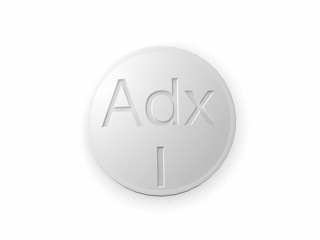
| Common strengths | Often available as tablets (commonly 1 mg tablets) |
| How it works | Reduces oestrogen production by blocking aromatase |
| Typical use | Hormone receptor–positive breast cancer (various stages and settings) |
| Who it is used in | Primarily in postmenopausal women; in some situations under specialist guidance |
How anastrozole works (mechanism of action)
In the body, the enzyme aromatase helps produce oestrogen from other hormones. In postmenopausal women, much of the body’s oestrogen is made through this aromatase pathway.
Anastrozole blocks aromatase, leading to a reduction in circulating oestrogen levels. For oestrogen receptor–positive (ER+) or hormone receptor–positive breast cancer, lower oestrogen can reduce stimulation of cancer cell growth.
- Result: Lower oestrogen levels
- Goal: Help prevent recurrence or slow progression of hormone-driven disease
- Not the same as chemotherapy: It is hormone-targeted treatment
Pharmacokinetics (how the body handles anastrozole)
Pharmacokinetics describes what happens to a medicine after you take it—how it is absorbed, distributed, metabolised, and eliminated.
- Absorption: Anastrozole is absorbed from the gut after tablet intake.
- Food effects: Absorption may be slightly affected by food, but this generally does not require special timing for most people.
- Distribution: It distributes into tissues and works systemically (throughout the body).
- Metabolism: It is metabolised in the liver.
- Elimination: Mainly excreted as metabolites via the kidneys and bile.
Half-life (general): The medicine has a prolonged effect in the body, allowing once-daily use. Your healthcare team will choose the regimen that best fits your treatment plan.
Typical use in the UK
Anastrozole is commonly used for hormone receptor–positive breast cancer in several treatment settings, including:
- Adjuvant treatment (after surgery) to help reduce the risk of breast cancer coming back.
- Extended adjuvant therapy in appropriate patients.
- Treatment of advanced (metastatic) disease in hormone receptor–positive breast cancer.
- After previous hormone therapy depending on the individual clinical plan.
The exact indication depends on your cancer characteristics, menopausal status, and prior treatments. An oncology team will confirm suitability.
Indications (what it’s used for)
In the UK, anastrozole is indicated for the treatment of:
- Early breast cancer in postmenopausal women with oestrogen receptor–positive disease (as part of adjuvant therapy).
- Advanced breast cancer in postmenopausal women with oestrogen receptor–positive disease.
- Other specialist-directed hormone receptor–positive indications may apply depending on the treatment pathway and patient factors.
Indications can vary slightly by product licence and clinical judgement. If you’re unsure why you’ve been prescribed anastrozole, ask your GP or specialist team.
How and when to take anastrozole (timing)
Anastrozole is usually taken once daily as a tablet. Many people find it easiest to take at the same time each day to build a routine.
- Typical dose: commonly 1 mg once daily (unless your clinician has advised otherwise).
- With or without food: it can generally be taken with or without food.
- If you forget a dose: take it as soon as you remember on the same day. If it is close to the time for your next dose, skip the missed dose and continue your normal schedule. Do not take a double dose to make up for the missed one.
- Keep going: hormone therapy is often long-term; benefits may develop over time.
Practical tip: Using a daily alarm on your phone or a weekly pill organiser can help you avoid missed doses.
Food interactions
Food interactions with anastrozole are generally not severe, and it is typically acceptable to take it with or without meals. Some individuals may find taking it at a consistent time with food helps with tolerance.
- Meal timing: usually not critical—follow your medicine label or healthcare instructions.
- Grapefruit: grapefruit is a common concern for many medicines, but it is not a major known issue for anastrozole. If you have other medicines, check for broader interaction risks.
If you have digestive side effects, consider taking your tablet with a small snack (unless your prescriber advised otherwise).
Alcohol and medicine interactions
Anastrozole does not have a single well-known “dangerous” alcohol interaction like some medicines do, but alcohol can still affect your overall health and side effect profile.
- Alcohol and side effects: alcohol may worsen symptoms such as fatigue, hot flushes, or mood changes in some people.
- Liver metabolism: because anastrozole is processed by the liver, heavy or frequent alcohol use may be undesirable. If you drink alcohol, aim for moderation and discuss your intake with your clinician.
If you’re receiving other treatments alongside anastrozole (for example, supportive medicines for bone health), it is especially important to check interactions individually.
Drug interactions (medicine interactions)
Drug interactions can change how anastrozole works or increase side effects. Always tell your healthcare team about all medicines you take, including:
- over-the-counter products (including herbal remedies)
- supplements
- pain relief medicines
- medicines for mood, seizures, or infections
- anticoagulants (“blood thinners”)
Important general point: medicines that affect hormone pathways may not be suitable. For example:
- Hormone-containing medicines (including some oestrogen therapies) may oppose the purpose of anastrozole.
- Potent liver enzyme inducers could potentially reduce anastrozole levels.
- Some cancer medicines and antifungals/antibiotics may influence metabolism pathways.
If you’d like, list your current medicines and supplements and we can help you identify whether any are known to interact with aromatase inhibitors—however, your clinician should provide the final advice.
Dose and duration
The usual regimen for adults is 1 mg by mouth once daily. Duration depends on the stage of disease and treatment goals.
- Early breast cancer: treatment may be given for multiple years (often 5 years or longer depending on risk and guidance).
- Advanced disease: treatment continues as long as it is effective and tolerated, with review over time.
Always use the strength on your label. Do not adjust the dose unless your specialist instructs you to.
Safety profile: what to expect and when to seek help
Like all medicines, anastrozole can cause side effects. Many people tolerate it well, but it can affect bones, joints, and general wellbeing. The most important risks include bone thinning (osteoporosis) and muscle/joint symptoms.
Common side effects
- Hot flushes
- Headache
- Fatigue or low energy
- Joint pain or stiffness (arthralgia)
- Muscle aches (myalgia)
- Nausea (in some people)
- Dry skin or changes in hair/skin (varies)
Bone health (a key issue)
By lowering oestrogen, anastrozole can increase bone loss over time. Your clinician may recommend:
- Bone density scans (DEXA scans)
- Calcium and vitamin D supplementation if appropriate
- Bone-protecting medicines in higher-risk situations
- Weight-bearing exercise where safe
Serious side effects (seek urgent advice)
Get medical help urgently if you experience symptoms that could indicate a serious reaction, such as:
- Signs of severe allergic reaction: swelling of face/lips, difficulty breathing, rash with widespread hives
- Chest pain, sudden shortness of breath, or symptoms of a blood clot
- Severe or worsening bone pain or unusual fractures after minimal injury
- Severe persistent vomiting or signs of liver problems (e.g., yellowing of eyes/skin)
If you have concerns, contact your GP or specialist team promptly, even if symptoms seem mild at first.
Who should take extra care?
- People with a history of osteoporosis or fractures
- People with liver disease
- People experiencing significant joint pain or reduced mobility
- People with other medicines that affect bleeding risk or bone health
Practical use tips
- Build a routine: take the tablet at the same time each day.
- Manage joint symptoms: gentle stretching, regular movement, and low-impact exercise (e.g., walking) can help; discuss pain relief options with your clinician.
- Protect your bones: ensure adequate calcium/vitamin D intake (as advised) and avoid smoking. Limit alcohol and aim for a healthy balanced diet.
- Track side effects: if hot flushes or fatigue are bothersome, note timing and severity—this can help your team tailor supportive care.
- Keep follow-up appointments: bone density monitoring and cancer follow-up are important.
- Hydrate: some people find hydration and skin moisturisers help with dryness.
Alternative options (if anastrozole isn’t suitable)
There are other hormone therapies and aromatase inhibitors used in breast cancer care. Alternatives may include:
- Other aromatase inhibitors: such as letrozole or exemestane (selected by your specialist depending on your situation and tolerability).
- Selective oestrogen receptor modulators (SERMs): such as tamoxifen in suitable patients.
- Fulvestrant (a selective oestrogen receptor degrader): typically used in certain advanced settings.
- Combination strategies: depending on cancer subtype and overall treatment plan.
If you have side effects, your healthcare team may consider dose timing, supportive treatments, switching to another option, or addressing bone health proactively.
Market and legal context in the UK
In the United Kingdom, medicines like anastrozole are regulated to help ensure quality, safety and effectiveness. Their supply is handled through licensed distribution channels and is subject to UK medicine regulations and guidance.
UK healthcare often follows evidence-based clinical pathways supported by professional bodies and national guidance. Prescribing and dispensing practices depend on individual patient assessment and local protocols.
For online purchasing, ensure you use a reputable UK pharmacy website that clearly shows:
- UK compliance information
- clear product details and dosage form
- transparent delivery terms
- pharmacy contact details for advice
Recent guidance and monitoring (what may be discussed in follow-ups)
Ongoing clinical practice focuses on safe long-term use of aromatase inhibitors, particularly regarding:
- Bone health monitoring: timely bone density checks and proactive management where risk is increased.
- Cardiovascular risk assessment: because cancer treatments and age-related risks may overlap.
- Managing symptoms: hot flushes, fatigue, and joint pain—supportive care is increasingly emphasised.
- Treatment duration reviews: whether and when to continue hormone therapy based on evolving benefit and risk.
Your clinician will decide what monitoring you need and how often it should be done.
Delivery and availability in the UK
Availability can vary by batch and supplier, but anastrozole is a commonly used medicine in the UK. Delivery options may include standard and faster services depending on your location and the pharmacy’s dispatch policy.
- Stock checks: many UK pharmacies display real-time availability.
- Dispatch times: typically depend on order cut-off times and courier collection.
- Packaging: medicines are supplied in secure packaging to protect tablets and ensure correct labelling.
- Cold-chain: anastrozole tablets generally do not require refrigeration.
When ordering, confirm expected delivery times at checkout, and review returns/cancellation terms shown on the website.
Storage
- Store at room temperature, away from excessive heat and moisture.
- Keep the medicine in its original packaging to protect from light and help identify the product.
- Keep out of the sight and reach of children.
- Do not use after the expiry date shown on the pack.
FAQ
1) What is anastrozole used for?
Anastrozole is used to treat hormone receptor–positive breast cancer. It works by lowering oestrogen levels, which can help slow or reduce growth of oestrogen-driven cancers. It may be used in early-stage (adjuvant) and advanced settings, depending on your situation.
2) How long does it take to work?
Anastrozole starts lowering oestrogen relatively quickly after you take it. However, how quickly cancer outcomes improve varies by individual and treatment context. Benefits from long-term therapy are assessed through scheduled follow-ups.
3) Can I take it with food?
Yes. Anastrozole is generally taken with or without food. Taking it at the same time each day may help maintain consistency and reduce missed doses.
4) What should I do if I miss a dose?
Take the missed dose when you remember on the same day. If it is almost time for your next dose, skip the missed dose and continue as usual. Do not take a double dose.
5) Does anastrozole cause weight gain?
Weight change can occur with many cancer therapies and with menopause-related changes. Some people report weight changes while taking anastrozole, but it is not possible to predict individual effects. Diet and exercise can help manage weight.
6) What are the most common side effects?
Common side effects include hot flushes, fatigue, headache, and joint or muscle pain. If side effects become troublesome, speak to your healthcare team—supportive care or alternative options may be available.
7) Will anastrozole affect my bones?
It can. By reducing oestrogen, anastrozole may increase the risk of bone thinning. Your clinician may recommend bone density testing, vitamin D/calcium advice, lifestyle measures, and sometimes bone-protective medication if needed.
8) Can I drink alcohol while taking anastrozole?
Moderate alcohol is not usually strictly prohibited, but heavy or frequent drinking may worsen side effects such as fatigue and may affect liver health. If you drink, aim for moderation and discuss your intake with your clinician.
9) Are there herbal remedies or supplements to avoid?
Some supplements can affect drug metabolism or hormone pathways. Avoid starting new supplements without checking first, especially if they contain hormones or hormone-like ingredients. If you’re unsure, ask your pharmacist.
10) What if I feel severe pain or unusual symptoms?
Contact your healthcare team promptly. Seek urgent medical help if you have signs of a severe allergic reaction, breathing difficulties, chest pain, or symptoms suggesting a serious reaction or clot.
Remember: This information is for general guidance. Individual suitability, dose, monitoring, and interaction checks should always be confirmed with your healthcare professional.