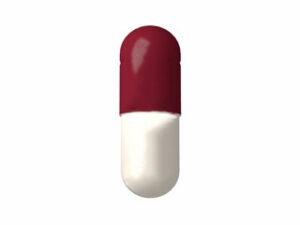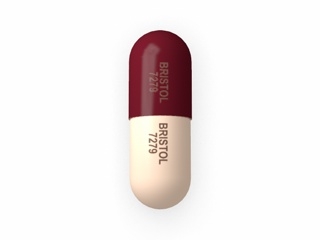


Trimox (Amoxicillin) — Patient Information (UK)
Trimox is a brand name for amoxicillin, a widely used antibiotic belonging to the penicillin group. It is used to treat certain bacterial infections and works by stopping bacteria from growing.
This page provides clear, patient-friendly guidance on how Trimox works, what it’s used for, how to take it safely, and what to consider with food, alcohol and other medicines. Always follow the advice of your healthcare professional and read the patient information leaflet supplied with your medicine.
1) Basic product information
- Medicine: Trimox
- Active ingredient: Amoxicillin
- Class: Antibiotic (penicillin; beta-lactam)
- Formulations: Commonly available in different strengths (for example, tablets/capsules and oral suspensions depending on the product).
- Typical use: Treatment of bacterial infections caused by susceptible organisms.
In the UK, availability and exact presentation can vary by manufacturer and pharmacy stock. Your pharmacist can confirm the specific strength and formulation you are receiving.
2) How Trimox works (mechanism of action)
Amoxicillin works by interfering with how bacteria build their cell walls. Bacterial cell walls are essential for growth and survival. Amoxicillin binds to penicillin-binding proteins (PBPs), which reduces cell wall formation, leading to bacterial death (a bactericidal effect).
Amoxicillin is most effective against bacteria that are susceptible to beta-lactam antibiotics. Some bacteria produce enzymes called beta-lactamases that can break down amoxicillin—this is one reason your clinician may choose an alternative medicine (such as amoxicillin combined with clavulanic acid) for certain infections.
3) Pharmacokinetics (how the body processes it)
After you take amoxicillin by mouth, it is absorbed from the gut. Key points include:
- Absorption: Generally good oral absorption.
- Peak levels: Blood levels typically peak within a few hours after taking a dose.
- Distribution: It can reach many body tissues and fluids, though concentration varies by site.
- Metabolism: Only a small amount is metabolised.
- Excretion: Mostly cleared via the kidneys (urine).
- Half-life: Depends on kidney function; reduced kidney function may increase exposure.
If you have kidney problems, your clinician may adjust the dose or dosing interval. If you’re unsure, check with your pharmacist.
4) Typical uses in the UK (indications)
Trimox (amoxicillin) is used for bacterial infections
- Ear, nose and throat infections: such as some cases of acute otitis media, sinusitis, or tonsillitis/pharyngitis (where bacterial causes are suspected or confirmed).
- Dental infections: including certain infections involving teeth or gums.
- Respiratory tract infections: such as some cases of bronchitis or community-acquired infection where appropriate for the suspected bacteria.
- Urinary tract infections (UTIs): in selected cases based on local susceptibility patterns.
- Skin and soft tissue infections: in selected situations where bacteria are likely to be amoxicillin-susceptible.
Antibiotics are not effective against viruses. For example, they won’t treat most colds and flu. Using an antibiotic when it’s not needed can increase the risk of side effects and contribute to antibiotic resistance.
5) Dosing and timing — what to expect
Dosing depends on the infection type, severity, age/weight (especially in children), kidney function, and the susceptibility of the bacteria. Your pharmacy will dispense the correct strength and instructions for your course.
Here are general timing principles:
- Try to take doses at evenly spaced times to keep the antibiotic level steady.
- Finish the course as directed, even if you feel better.
- Missed dose: If you miss a dose, take it as soon as you remember unless it’s close to the next dose. Don’t take a double dose to make up for a missed one.
Examples of common dosing schedules (may vary by indication and patient factors): many regimens are given two or three times daily. The exact regimen for your medicine should be taken from the instructions provided with your pack.
| Topic | Practical guidance |
|---|---|
| When to take it | Take at the times stated on your label. Keeping even gaps can help effectiveness. |
| With or without food | Food usually does not prevent absorption; see “Food interactions” below for details. |
| Duration | Complete the full course unless your clinician tells you to stop. |
| Storage | Follow the label and leaflet. Some liquid forms require refrigeration after preparation. |
6) Food interactions — can you take Trimox with meals?
Amoxicillin can generally be taken with or without food. Taking it with food may reduce the chance of nausea or stomach upset.
Practical tips:
- If your stomach feels sensitive, consider taking each dose with a meal or snack.
- Keep a consistent routine to make it easier to remember doses.
7) Alcohol and medicine interactions
Alcohol
There is no universal “must avoid” rule for alcohol with amoxicillin. However, while you’re taking any antibiotic, alcohol may:
- worsen side effects such as dizziness, stomach upset or fatigue in some people
- reduce recovery if you are unwell
If you choose to drink, keep it modest and avoid alcohol if it makes you feel worse. If you’re taking other medicines for your illness, check those specific labels for alcohol guidance.
Important medicine interactions
Many people take amoxicillin without major interactions, but it’s still important to consider other medicines. Tell your pharmacist or clinician about everything you take, including over-the-counter products and supplements.
- Probenecid: may reduce amoxicillin clearance and increase levels.
- Allopurinol: may increase the risk of skin reactions in some people.
- Warfarin and other anticoagulants: antibiotics can affect bleeding risk in some circumstances. Monitoring (or closer INR checks) may be advised.
- Oral contraceptives: most antibiotics (including amoxicillin) are not expected to reduce effectiveness, but vomiting or severe diarrhoea can affect absorption of contraceptive pills.
- Other antibiotics: combinations are sometimes used but should be guided by clinicians to avoid unnecessary overlap.
If you experience unusual bleeding, persistent diarrhoea, severe rash, or symptoms of allergy, seek medical advice promptly.
8) Safety profile — common and serious side effects
Like all medicines, Trimox (amoxicillin) can cause side effects. Many are mild and improve as your body adjusts, but some require urgent attention.
Common side effects
- Diarrhoea or loose stools
- Nausea
- Stomach discomfort
- Skin rash (not always allergy—see below)
Allergy and serious reactions (important)
Seek urgent medical help if you develop signs of a serious allergic reaction. Call emergency services if symptoms are severe.
- Swelling of the face, lips, tongue or throat
- Breathing difficulties or wheezing
- Severe skin rash, blistering, or peeling skin
- Faintness or collapse
If you have previously had an allergic reaction to penicillin or any beta-lactam antibiotic, you should tell your clinician and pharmacist before taking amoxicillin.
Seek medical advice promptly
- Persistent diarrhoea, especially if watery or with blood/mucus
- Severe or worsening abdominal pain
- Symptoms of liver involvement (unusual tiredness, yellowing of eyes/skin, dark urine)
These can be less common, but it’s important to act early.
9) Practical use tips (how to take Trimox well)
- Take it regularly: If you’re on a twice-daily or three-times-daily schedule, set reminders to avoid missed doses.
- Complete the course: Stopping early can increase the chance of the infection returning.
- Hydrate: Drink fluids as usual—especially if you have diarrhoea.
- Liquid medicine care: If using an oral suspension, shake well and use the provided measuring device. Store as instructed on the label/leaflet.
- Track symptoms: If you’re not improving after a reasonable period (often within 48–72 hours depending on the infection), contact a clinician for review.
- Do not share antibiotics: Only take the medicine prescribed for you or dispensed for your situation.
If you have trouble swallowing tablets or capsules, ask your pharmacist about a suitable formulation (for example, a liquid) if available.
10) Alternative options (what else might be used)
Alternatives to amoxicillin depend on the infection, severity, suspected bacteria, allergies, previous antibiotic use, and local antimicrobial guidance. Your clinician may consider:
- Amoxicillin/clavulanic acid for infections where beta-lactamase producing bacteria are suspected.
- Other penicillins or cephalosporins in some cases, depending on allergy history and bacterial susceptibility.
- Macrolides (e.g., for certain respiratory infections) when appropriate and suitable.
- Doxycycline or other agents for specific infections where clinically indicated.
- Non-antibiotic approaches when infection is likely viral or antibiotics are not beneficial.
The best option is determined by clinical assessment and local guidance. If you have a history of allergy to penicillins, tell your healthcare team early.
11) Market and legal context in the UK
In the UK, antibiotics are medicines used to treat bacterial infections and are regulated to support safe and responsible use. Pharmacy supply of antibiotics follows professional standards and legal requirements, including checks for suitability and safety (for example, allergy status, interacting medicines and infection appropriateness).
Antimicrobial resistance is a major public health issue. NHS and other UK healthcare guidance emphasises that antibiotics should be used when likely to help, and that courses should be taken correctly to reduce resistance and complications.
Local NHS antimicrobial stewardship initiatives and national guidance influence which antibiotic is preferred for specific infection types and settings.
12) Recent UK guidance and stewardship principles (general)
UK antimicrobial guidance commonly stresses:
- Right diagnosis: antibiotics are for bacterial infections; not all sore throats, coughs or fevers require antibiotics.
- Right drug: choose antibiotics likely to be effective against the suspected bacteria.
- Right dose and duration: avoid under-dosing or longer courses than necessary.
- Review if not improving: reassess if symptoms do not improve or worsen.
If you are unsure why amoxicillin was chosen—or whether it’s needed—ask your pharmacist or clinician. They can explain the reasoning for your specific case.
13) Delivery and availability (UK online pharmacy)
Availability can vary by strength, formulation, and pharmacy stock. Many UK online pharmacies offer delivery across the UK, typically using tracked courier services.
- Dispatch times: often depend on stock and order processing time.
- Delivery options: may include standard or express services.
- Age/access checks: where required by the medicine’s regulatory classification and pharmacy policy, additional checks may be performed.
During checkout, you should see estimated delivery windows and any delivery limitations for the product.
14) When to seek medical help
Contact a clinician or urgent care if any of the following occur:
- Signs of an allergic reaction (especially breathing problems or swelling)
- Severe rash or blistering skin
- Severe or persistent diarrhoea, particularly with blood or mucus
- No improvement after a reasonable time for your infection type (commonly 48–72 hours, but this can vary)
- Symptoms worsen or you feel significantly worse
If you are very unwell, have high fever, dehydration, or breathing difficulties, seek urgent help immediately.
15) FAQ — Trimox (Amoxicillin) for patients
Can I take Trimox if I’m allergic to penicillin?
Do not take amoxicillin if you have had a confirmed penicillin allergy unless a clinician advises it is safe for you. Allergic reactions can be serious. Tell your healthcare professional about any previous reactions, including rash or breathing symptoms.
What should I do if I miss a dose?
Take it as soon as you remember unless it’s near the time of the next dose. If it’s close, skip the missed dose and continue as scheduled. Do not take double doses.
How quickly should I feel better?
Some improvement may be seen within 48–72 hours, depending on the infection. If you do not improve or you worsen, contact a clinician for reassessment.
Is it safe to take Trimox with food?
Yes. Amoxicillin can usually be taken with or without food. Taking it with food may help reduce stomach upset.
Does alcohol interact with amoxicillin?
Moderate alcohol is not automatically contraindicated, but it may increase side effects or slow recovery. Avoid alcohol if it makes you feel worse, and check guidance for any other medicines you are taking.
Can I drink alcohol if I’m also taking painkillers or other medicines?
Some painkillers, cold remedies or other drugs may have their own alcohol warnings. Check the label or ask your pharmacist, especially if you’re also taking sedating medicines.
Will Trimox affect contraception?
Amoxicillin is not expected to reduce the effectiveness of most oral contraceptives. However, if you have vomiting or severe diarrhoea, absorption of the contraceptive pill may be affected—use additional contraception and seek advice if this occurs.
Why was amoxicillin chosen instead of another antibiotic?
Choices depend on the likely bacteria, your allergy history, infection site and severity, and local guidance about which antibiotics are most appropriate. Your clinician may also consider past treatments.
What if my child is taking Trimox?
Dosing in children is usually based on weight and age. Use the measuring device supplied, shake liquids well if required, and follow the instructions carefully. If your child develops rash, breathing difficulties, or severe diarrhoea, seek urgent medical advice.
Can I stop early once I feel better?
It’s usually important to complete the course as directed. Stopping early can increase the risk that the infection returns or becomes more difficult to treat.
Are probiotics helpful during antibiotics?
Some people find probiotics may help reduce the risk of diarrhoea during antibiotic treatment. Evidence varies, and you should discuss options with your pharmacist, especially if you’re immunocompromised or have severe illness.
What should I store?
Store the medicine according to the pack instructions. Liquid antibiotics often have specific storage requirements and expiry once prepared/opened.
Summary
Trimox (amoxicillin) is a penicillin antibiotic used to treat selected bacterial infections. It works by stopping bacteria from building their cell walls. While generally well tolerated, it can cause side effects such as stomach upset or diarrhoea, and serious allergic reactions can occur in some people. Taking doses at regular times, following the course duration, and seeking medical advice if symptoms worsen or severe side effects occur are key to safe, effective treatment.
If you have questions about how to take your specific Trimox pack, how it fits with your other medicines, or whether your symptoms suggest you should be reviewed, speak to a pharmacist or clinician.