

Dapsone (Diaminodiphenyl sulfone) – Patient Guide (UK)
Dapsone, also known by its active ingredient name diaminodiphenyl sulfone, is a medicine used to treat a variety of infections and skin conditions. In the UK, it is available under different brand names depending on supply. This guide explains how Dapsone works, how it is used, what to expect, and the key safety information you should know.
Important: Always follow the advice given by your healthcare professional and the instructions on your medicine label. If anything in this guide doesn’t match your prescription instructions, follow the instructions you were given.
Quick facts
- Medicine: Dapsone (diaminodiphenyl sulfone)
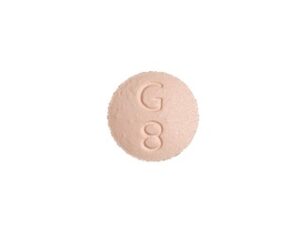
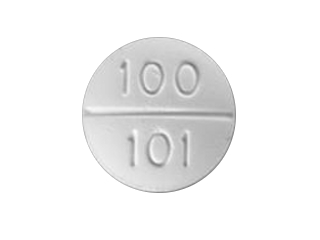
- Common forms: Tablets (strengths vary)
- Uses: Treatment of certain infections and inflammatory conditions (including dermatitis herpetiformis and some leprosy-related regimens)
- How it’s taken: Usually once or more daily depending on the condition and dose
- Key safety topics: Blood count changes, liver issues, nerve effects, and hypersensitivity reactions
What is Dapsone?
Dapsone is an antibacterial/anti-inflammatory medicine belonging to the sulfone class. Although it is best known for use in certain parasitic and mycobacterial infections, it is also used for specific immune-related skin conditions.
In skin diseases like dermatitis herpetiformis, Dapsone can help reduce itching and blistering by altering inflammatory processes. In infections such as leprosy, it is used as part of multidrug regimens.
How Dapsone works (mechanism of action)
Dapsone’s exact mechanisms can vary by condition, but the main actions include:
- Antimicrobial activity: Dapsone interferes with the formation and functioning of key bacterial/parasite pathways. In some organisms, it affects folate-related processes and oxidative metabolism.
- Anti-inflammatory effects: In conditions like dermatitis herpetiformis, Dapsone reduces neutrophil-driven inflammation (neutrophils are a type of white blood cell involved in blistering and itching).
- Impact on oxidative pathways: Dapsone can lead to formation of reactive species that contribute to its antimicrobial effect; this also explains some of its blood-related side effects.
Pharmacokinetics: how the body handles Dapsone
Pharmacokinetics describes what happens to a medicine after you take it. For Dapsone, key points include:
- Absorption: Dapsone is generally absorbed from the gastrointestinal tract when taken by mouth.
- Distribution: It distributes throughout the body and may persist in tissues.
- Metabolism: Dapsone is metabolised in the body (primarily in the liver).
- Elimination: It is cleared more slowly than many medicines, which is why effects may last and why dosing frequency can be steady over time.
- Half-life (general concept): Dapsone has a relatively long half-life, supporting continued therapeutic effect but also making monitoring important if side effects develop.
Because Dapsone’s effects persist, your healthcare team may schedule blood tests at regular intervals, especially during the first months and after dose changes.
What is Dapsone used for (indications)?
Dapsone is used for several conditions, depending on the diagnosis and clinical judgement.
- Dermatitis herpetiformis: A chronic, intensely itchy blistering rash associated with coeliac disease. Dapsone can quickly relieve symptoms, while diet therapy addresses the underlying cause.
- Leprosy (Hansen’s disease): Dapsone may be used as part of specialised treatment regimens directed by specialist services.
- Other specific infections and conditions: In some cases, Dapsone is used when the benefits outweigh risks, guided by specialist advice and local protocols.
Your exact use will depend on the condition being treated and your individual risk factors.
Dosing and timing: how to take Dapsone
Dapsone dosing depends on the condition, age, and tolerance, and it often involves careful monitoring. The information below provides general guidance only.
Typical dosing (general patterns)
- Dermatitis herpetiformis: Doses are usually adjusted to achieve symptom control while minimising side effects. Many regimens begin at a lower dose and increase gradually if needed.
- Leprosy or specialist infections: Dosing is usually part of a combined regimen and may differ from skin-condition dosing.
Because tablet strengths can vary, always check the strength on your packaging. If you are unsure, ask your pharmacist to confirm how many tablets you should take per day.
How and when to take it
- Consistency matters: Try to take your dose at the same time each day.
- With or without food: Dapsone can usually be taken with water and may be taken with food to reduce stomach upset if you experience it.
- Do not change dose suddenly: Stopping or altering Dapsone without advice can lead to symptom return or worsen disease control.
Missed dose
If you forget a dose:
- Take it as soon as you remember if it’s not close to the next dose.
- If it’s nearly time for the next dose, skip the missed dose and take the next one as scheduled.
- Do not take double the dose to make up for a missed tablet.
Food interactions
Food interactions with Dapsone are not usually described as major in routine use. However, some practical points are important:
- Take consistently: If you usually take it with meals, continue the same routine.
- Coeliac/dermatitis herpetiformis: If you have dermatitis herpetiformis, you may already be managing coeliac disease with a gluten-free diet. Maintaining dietary treatment supports long-term control and may reduce the need for higher medication doses.
If you have liver disease or nutritional deficiencies (such as folate deficiency), discuss diet and supplementation with your clinician, as these can influence safety.
Alcohol interactions and other medicine interactions
Alcohol
It’s best to be cautious with alcohol while taking Dapsone because:
- Dapsone is metabolised in the liver, and alcohol may increase the burden on the liver.
- Both alcohol and Dapsone may contribute to fatigue, dizziness, or blood changes in susceptible individuals.
Consider limiting or avoiding alcohol, especially during the early monitoring period or if you have any liver-related risk factors. Ask your pharmacist if moderate drinking is suitable for you.
Other medicines that may interact
Dapsone can interact with certain medicines, particularly those that affect blood cells, liver function, or oxygen-carrying capacity. Tell your healthcare professional about all medicines you take, including:
- Prescribed medicines
- Over-the-counter products
- Herbal supplements (for example, St John’s wort)
- Occasional medications
Particular caution is needed if you take medicines that can increase the risk of:
- Haemolysis (breakdown of red blood cells), especially in people with certain blood disorders
- Methemoglobinaemia (reduced oxygen delivery due to altered haemoglobin)
- Liver toxicity
- Bone marrow suppression or significant changes to blood counts
Examples of medicines that may be relevant (not exhaustive) include:
- Some medicines used for infections that affect blood or oxidative pathways
- Other drugs known to carry a risk of blood count changes
- Medicines that increase liver strain
- Some agents that may influence folate status
Your pharmacist can check interactions based on the exact tablet strength and your full medication list.
Safety profile: important risks and side effects
Like all medicines, Dapsone can cause side effects. Many people tolerate it well, but certain effects require prompt attention and regular monitoring.
Common or expected effects
Some side effects may occur early and improve as your body adjusts. These can include:
- Nausea or stomach discomfort
- Headache
- Fatigue
- Skin dryness or mild rash
Serious side effects – seek urgent medical help
Contact urgent care or seek immediate medical attention if you experience:
- Signs of severe allergic reaction: facial swelling, wheezing, severe rash, or difficulty breathing
- Unusual bleeding or bruising: gums bleeding, nosebleeds, blood in urine or stools
- Severe infection symptoms: high temperature, sore throat, or rapidly worsening illness
- Signs of liver problems: yellowing of the skin/eyes (jaundice), dark urine, severe upper abdominal pain, persistent vomiting
- Signs of blood disorders: marked weakness, shortness of breath, chest pain, or unusual pallor
- Methemoglobinaemia symptoms: bluish lips/skin or breathlessness with poor oxygenation
- Neuropathy: numbness, tingling, or burning pain in hands/feet that is new or worsening
Monitoring and blood tests
Because Dapsone can affect blood and liver function, clinicians often monitor:
- Full blood count (FBC) to check red and white blood cells and platelets
- Liver function tests (LFTs)
- Haemolysis-related markers when relevant
- Clinical assessment for symptoms of neuropathy or allergic reactions
Your monitoring schedule may vary depending on dose, duration of therapy, age, and risk factors.
Who should be extra cautious?
- People with a history of blood disorders or reduced red blood cell resilience
- People with known liver disease or significant liver risk
- People with a history of neuropathy
- People taking other medicines that affect blood or the liver
- Pregnancy and breastfeeding (risk/benefit should be discussed with a clinician)
Practical use tips for safer, more comfortable treatment
- Keep appointments for blood tests: Monitoring is one of the most important parts of using Dapsone safely.
- Know the warning signs: Familiarise yourself with the symptoms listed in the “Serious side effects” section.
- Report new symptoms early: Tingling/numbness, increasing tiredness, dark urine, or rash should not be ignored.
- Stay hydrated and eat regularly: This can help minimise stomach upset.
- Avoid unnecessary alcohol: If you drink, keep it modest and discuss with your pharmacist or clinician.
- Don’t share your medicine: Dapsone dosing and monitoring are condition- and person-specific.
- Use a medication reminder: A phone alarm or weekly pill organiser can help prevent missed doses.
Alternative options
Alternatives depend on what you’re treating. For dermatitis herpetiformis, clinicians often consider dietary treatment as the cornerstone and may adjust medications based on response and tolerance. For leprosy and specialised infections, regimens are chosen based on disease type, resistance patterns, and specialist protocols.
Some alternatives that may be considered for certain conditions (depending on your diagnosis) include:
- For dermatitis herpetiformis: gluten-free diet is essential; other medicines may be considered if Dapsone is not suitable.
- For leprosy: different or additional agents are used in specialist combination therapies.
- For inflammatory skin conditions: there may be other anti-inflammatory/immune-modulating options depending on diagnosis.
Your pharmacist or prescriber can discuss the most appropriate alternative based on your condition, medical history, and monitoring results.
UK market and legal context (what to expect)
In the United Kingdom, the availability and supply of medicines can vary due to manufacturing changes, stock levels, and regulatory updates. Dapsone is a well-established medicine; however, the exact brand availability and pack size may differ between suppliers.
Medicines are also regulated to ensure safe quality, appropriate labelling, and traceability. You should expect pharmacies to supply medicines that meet UK regulatory requirements and to provide appropriate patient information with each dispensing.
Recent guidance (how monitoring is generally approached)
While exact “recent guidance” documents can change over time, common themes in routine clinical practice include:
- Baseline and ongoing monitoring of blood counts and liver function.
- Careful dose individualisation to balance symptom control and side effect risk.
- Prompt review if new symptoms suggest anaemia, hypersensitivity, liver issues, or neuropathy.
For individual recommendations, your healthcare team may follow local NHS protocols and relevant specialist guidance.
Delivery, availability and returns (online pharmacy)
Availability depends on stock at the time you order. Many pharmacies in the UK can provide:
- Standard delivery (usually a few working days)
- Express delivery in some cases (subject to availability)
- Packaging with patient information leaflet included where required
You should receive updates by email/text on order status, and delivery times can vary during public holidays or peak periods.
If you have questions about delivery schedules, stock availability, or pack sizes, check the “Delivery and availability” section at checkout or contact customer support.
FAQ: Dapsone (Diaminodiphenyl sulfone)
1) How quickly does Dapsone work?
Response time can vary by condition. For skin-related symptoms like dermatitis herpetiformis, some people notice improvement within days to weeks, while full effect may take longer. Your clinician may adjust the dose based on symptom control and test results.
2) Will I feel side effects immediately?
Some side effects can occur early, but others may develop after weeks or months. That’s why regular blood tests and symptom monitoring are important even if you feel well.
3) What blood tests should I expect?
Many clinicians monitor a full blood count and liver function tests. The frequency depends on your dose, your condition, and previous results.
4) Can I take Dapsone with food?
Usually yes. If Dapsone upsets your stomach, taking it with food may help. Try to keep to a consistent routine.
5) Is it safe to drink alcohol?
Caution is advised. Alcohol may increase strain on the liver and could worsen certain side effects. Discuss your alcohol intake with your pharmacist or clinician, particularly if you have liver issues or abnormal blood tests.
6) What should I do if I miss a dose?
Take it when you remember if it’s not too close to the next dose. Otherwise, skip it and continue your normal schedule. Do not double up.
7) Can Dapsone affect my blood oxygen levels?
Rarely, Dapsone can cause methemoglobinaemia, which may lead to breathlessness or bluish discoloration around the lips/skin. If you notice these symptoms, seek urgent medical attention.
8) What if I develop tingling or numbness in my hands or feet?
New or worsening tingling/numbness can indicate nerve irritation (neuropathy). Contact your healthcare professional promptly, as you may need assessment and possible dose review.
9) Are there any foods or supplements I should avoid?
No specific foods are universally prohibited, but maintaining a healthy diet is important. If you are at risk of folate deficiency, your clinician may advise supplementation (do not self-prescribe without advice).
10) Are there alternatives to Dapsone?
Sometimes, depending on the diagnosis and your medical history, alternative medicines may be considered. Your prescriber can advise based on your condition and your response to treatment.
Summary
Dapsone (diaminodiphenyl sulfone) is a long-established medicine used for specific infections and immune-related skin conditions. It can be highly effective, but it requires attention to safety—especially blood count and liver monitoring. If you take it as directed and stay alert for warning signs, you can reduce risks and improve treatment outcomes.
If you have questions about your dose, side effects, monitoring, or interactions with your other medicines, speak to your pharmacist or healthcare professional.
| Category | Key points |
|---|---|
| Medicine | Dapsone (diaminodiphenyl sulfone) |
| Typical uses | Dermatitis herpetiformis; leprosy in specialist regimens; selected other conditions |
| How it works | Antimicrobial and anti-inflammatory effects; alters inflammatory pathways and oxidative processes |
| Dosing | Varies by condition; often starts lower and may be adjusted; take at consistent times |
| Main safety risks | Blood count changes, liver effects, hypersensitivity reactions, neuropathy, methemoglobinaemia (rare) |
| Monitoring | Regular full blood count and liver function tests are commonly used |
| Alcohol | Use caution; may increase liver strain and worsen side effects |
| Food | Usually can be taken with or without food; keep routine consistent |