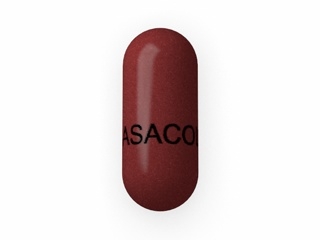

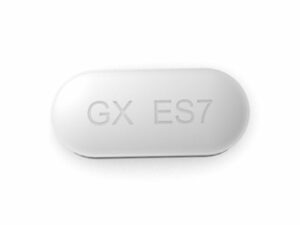
Asacol (Mesalamine) — Patient-Friendly Guide (UK)
Asacol contains mesalazine (mesalamine), a medicine used to treat and help prevent flare-ups of certain inflammatory bowel diseases. It works mainly in the gut to reduce inflammation. This page explains how Asacol works, how it is used, what to expect, and important safety information.
Note: This information is intended to help you understand the medicine. It does not replace advice from your healthcare professional. If you are unsure about your treatment plan, speak to a pharmacist or your clinician.
1) Basic product information
| Feature | Details |
|---|---|
| Active ingredient | Mesalazine (also known as mesalamine) |
| Brand | Asacol |
| Type | Aminosalicylate (anti-inflammatory) |
| Common formulation concept | Typically designed for release in the colon (the exact release system depends on the specific product strength) |
| Where it acts | Intestinal lining, especially the colon |
| Typical use | Ulcerative colitis (and sometimes other related indications as advised) |
2) What is mesalazine and how does Asacol work?
Mechanism of action (how it works in the body)
Mesalazine is an anti-inflammatory medicine belonging to the 5-aminosalicylic acid (5-ASA) group. Its exact effects are complex, but it helps to reduce inflammation in the bowel by:
- Targeting inflammatory pathways in the gut lining
- Reducing production of inflammatory mediators involved in ulcerative colitis
- Scavenging free radicals and helping limit tissue irritation
- Acting mostly where it is needed, using a formulation designed to release the drug in the intestine
Because Asacol acts locally in the bowel, many people notice symptom improvement over days to weeks, depending on the severity of their flare and the exact regimen.
3) How Asacol behaves in the body (pharmacokinetics)
Understanding absorption and distribution can help explain dosing timing and why certain foods may matter. In general:
- Local release: Asacol is designed to deliver mesalazine to the intestine, where it can act on the inflamed tissue.
- Absorption: Only a small portion is absorbed into the bloodstream.
- Metabolism: Mesalazine is converted mainly to N-acetyl-5-aminosalicylic acid (N-Ac-5-ASA) in the gut wall and liver.
- Elimination: The drug and its metabolites leave the body mainly via the urine (and to a lesser extent via stool/bile depending on the product and individual factors).
- Onset of effect: Symptom improvement often begins after starting treatment, but full benefit can take longer.
4) What Asacol is used for (indications)
Asacol (mesalazine/mesalamine) is primarily used to treat ulcerative colitis. Depending on the product and clinician guidance, it may be used for:
- Inducing remission (helping symptoms settle during an active flare)
- Maintaining remission (helping prevent future flare-ups)
- Some cases of mild to moderate disease where 5-ASA therapy is appropriate
Your prescriber may specify a particular dose based on disease extent, severity, and your individual history. If your symptoms change, do not adjust the dose yourself—seek advice.
5) Typical dosing and timing
The best dose for you depends on factors such as the severity of your condition, which area of the bowel is affected, and the specific Asacol formulation you have. Always follow the instructions on your label and any plan given by your healthcare professional.
General guidance on how to take Asacol
- Take regularly: Asacol works best when taken consistently.
- Do not crush or break: Many mesalazine formulations are designed to release in the bowel. Follow the instructions for your specific product—if the medicine is labelled as a tablet/capsule intended to be swallowed whole, do so.
- Swallow with water: This helps ensure proper delivery and reduces irritation.
- Keep to the schedule: If you take multiple daily doses, space them through the day.
Timing relative to meals
Some people prefer taking mesalazine with or after food to minimise stomach discomfort. However, because different products have different release profiles, it is safest to follow the specific directions for your Asacol product.
As a general principle for UK patients: if your leaflet or clinician advises taking with food, follow that advice. If it says it can be taken with or without food, choose what suits you.
If you miss a dose
- Take it when you remember unless it is close to your next scheduled dose.
- Do not double up to make up for a missed dose.
- If you miss several doses, ask a pharmacist for guidance.
6) Food interactions and what to watch
Food interactions can matter for medicines designed to release in a particular part of the GI tract. For mesalazine, the main practical considerations are:
- Follow product-specific instructions on whether to take with food.
- Maintain consistency—take it in a similar way each day (same relation to meals) to support predictable release.
- Stomach comfort: If you experience nausea or discomfort, discuss whether taking with food (or at a different time) could help.
There are no common “avoid these foods forever” rules for mesalazine for most patients, but your overall diet may affect symptoms of ulcerative colitis. Your gastroenterology team can advise on dietary approaches that support flare control.
7) Alcohol and medicine interactions
Alcohol
Alcohol does not typically have a direct chemical interaction with mesalazine, but it can:
- Worsen gastrointestinal irritation and diarrhoea for some people
- Trigger or worsen symptoms during flare-ups
- Reduce your ability to stay hydrated
If you drink alcohol, consider keeping intake low and observe how your bowel responds. During active symptoms, it’s often best to avoid alcohol and focus on fluids and symptom control.
Medication interactions
Mesalazine can interact with certain medicines—especially those affecting the kidneys or bowel. Tell your pharmacist about all medicines you use, including:
- NSAIDs (such as ibuprofen, naproxen, diclofenac)
- Azathioprine or 6-mercaptopurine (for some inflammatory bowel regimens)
- Warfarin or other blood thinners
- Medicines that may affect kidney function
In particular, because mesalazine can (in rare cases) affect the kidneys, combining with other kidney-stressing medicines may increase risk. Your healthcare professional can advise what is safe for you.
8) Safety profile: important warnings and side effects
General tolerability
Many people tolerate mesalazine well. However, like all medicines, Asacol can cause side effects. Most are mild, but some require urgent medical assessment.
Common side effects
Commonly reported effects may include:
- Headache
- Nausea or stomach discomfort
- Flatulence (gas)
- Loose stools or changes in bowel habit (this can overlap with UC symptoms, so monitor carefully)
Less common but serious effects (seek medical advice)
Contact a healthcare professional promptly if you experience signs of a serious reaction, such as:
- Allergic reactions (rash, swelling of face/lips, trouble breathing)
- Worsening or new severe diarrhoea, stomach pain, fever, or feeling very unwell
- Kidney problems (reduced urine output, swelling in legs/feet, unusual fatigue)
- Breathlessness or chest pain (especially with fever or rash)
- Blood disorders (unusual bruising, persistent sore throat, infections)
Monitoring (routine checks)
People taking mesalazine may have periodic blood and urine tests, often including measures of:
- Kidney function (creatinine/eGFR)
- Full blood count (depending on local protocols)
- Inflammation markers if clinically indicated
Frequency varies by individual risk factors and your care team’s approach. Keep appointments for monitoring.
Who should use extra caution?
Discuss with a pharmacist/clinician before starting or continuing if you have:
- Kidney disease or reduced kidney function
- Known allergy to salicylates (aspirin-like medicines) or 5-ASA drugs
- History of liver disease or abnormal liver tests
- Asthma or other conditions that may worsen with anti-inflammatory medicines
9) Practical use tips for day-to-day success
- Create a routine: Link dosing to daily habits (e.g., breakfast/dinner) to reduce missed doses.
- Swallow whole when required: If your Asacol dose form is designed for bowel release, swallowing whole helps it work as intended.
- Stay hydrated: If you have diarrhoea during a flare, fluids are especially important.
- Track symptoms: Note stool frequency, urgency, blood in stool, and abdominal pain to spot response patterns.
- Do not stop suddenly: Stopping can increase the likelihood of relapse. If you’re thinking about stopping, seek advice first.
- Keep a medication list: Include all prescriptions and over-the-counter products, including NSAIDs and supplements.
10) Missed dose, overdose, and what to do
Missed dose
If you miss a dose, take it as soon as you remember unless you are close to the next dose. Do not take double doses.
Overdose (general advice)
If more than the recommended amount is taken, contact urgent medical services or a poison information service immediately. Symptoms may include nausea, vomiting, dizziness, and abdominal discomfort.
11) Alternatives to Asacol (mesalazine)
Depending on your disease pattern, tolerance, and local prescribing choices, alternatives may include:
- Other mesalazine/mesalamine products with different release mechanisms or dosing schedules (e.g., different tablet sizes/strengths or formulations designed for release at various points in the GI tract).
- Rectal therapies (for distal disease), such as suppositories or enemas containing mesalazine, if advised by your clinician.
- Corticosteroids for short-term flare control in some patients (not suitable for long-term maintenance in most cases).
- Immunomodulators or biologic medicines for more severe or refractory ulcerative colitis, when 5-ASA therapy is insufficient.
If Asacol is not effective or not tolerated, your healthcare team may consider an alternative formulation or different therapy. Switching products should be done under clinical guidance.
12) UK market and legal context (what to know)
In the UK, ulcerative colitis management typically follows evidence-based clinical guidance and medicines are supplied through NHS services or private care, depending on your situation. Mesalazine products are established treatments within the aminosalicylate class.
Availability and the exact list of products may vary by supplier, strength, and formulation. Your pharmacist can help confirm the correct product, strength, and instructions for your specific medicine.
13) Recent guidance and staying up to date
Treatment for ulcerative colitis evolves with ongoing research and clinical updates. National guidance in the UK is periodically reviewed, often focusing on:
- Appropriate use of 5-ASA medicines for mild to moderate disease and maintenance
- Monitoring for safety (especially kidney function where relevant)
- Ensuring timely escalation when symptoms do not respond
- Individualising treatment based on disease extent and previous responses
For the most current recommendations in the UK, consult your gastroenterology team or check guidance provided by relevant clinical bodies.
14) Delivery and availability (UK online pharmacy)
We aim to keep Asacol (mesalazine) available where possible. Stock levels can vary due to supply changes, so delivery times may differ.
- Dispatch: Orders are typically dispatched on working days where stock is available.
- Delivery times: Standard delivery times vary by destination within the UK.
- Tracking: Where available, you may receive tracking information by email.
- Availability: If your exact strength or pack size is temporarily unavailable, we may offer alternatives with similar active ingredients as permitted by pharmacy processes.
If you have urgent need due to an active flare, consider checking stock availability and delivery options before placing an order.
15) Frequently Asked Questions (FAQ)
Is Asacol the same as mesalazine?
Yes. Asacol is a brand name for a medicine containing mesalazine (mesalamine). The active ingredient is what drives the therapeutic effect.
How long does it take for Asacol to work?
Some people feel improvement within days, but for many, it can take weeks to see the full benefit, particularly for maintenance or when inflammation is more established. If you do not improve, contact your healthcare professional for review.
Can I take Asacol with food?
It depends on your specific Asacol product instructions. Many patients find it easier with meals, but some formulations are designed to release in the bowel and may have specific guidance. Follow the instructions on your pack or provided by your pharmacist.
What if my symptoms get worse after starting?
Some temporary symptom variation can occur, but worsening diarrhoea, fever, severe abdominal pain, or feeling very unwell should be assessed promptly. Contact your healthcare professional.
Do I need blood or urine tests while taking mesalazine?
Many people have periodic monitoring, commonly including kidney function and sometimes blood counts, depending on your risk factors and local clinical practice. Your clinician will advise what schedule applies to you.
Can I drink alcohol while on Asacol?
There is no universal “absolute” restriction solely due to mesalazine, but alcohol can aggravate bowel symptoms and dehydration. If you choose to drink, keep it modest and monitor how your gut responds. During a flare, it’s often best to avoid alcohol.
Are there medicines I should avoid?
Tell your pharmacist about all medicines you take. Extra caution may be needed with: NSAIDs, some medicines for blood clotting, and medicines that affect the kidneys. Do not start new medicines without checking compatibility.
What should I do if I miss a dose?
Take it when you remember unless it is close to the next dose. Do not double up. If you miss more than one dose, ask a pharmacist for tailored advice.
What are the most important red flags?
Seek urgent medical advice if you develop:
- Signs of allergy (swelling, rash, breathing difficulty)
- Severe or rapidly worsening diarrhoea
- Fever, severe abdominal pain, or significant decline in wellbeing
- Possible kidney problems (reduced urine, swelling, marked fatigue)
Are there alternative treatments if Asacol doesn’t help?
Yes. Options may include other mesalazine formulations, rectal mesalazine for distal disease, corticosteroids for flares, and other therapies for more severe cases. Your clinician can guide the best approach based on your symptoms and disease extent.
16) Summary
Asacol (mesalazine) is a 5-ASA anti-inflammatory medicine used in ulcerative colitis to help control inflammation and support remission. It works mainly in the gut lining and is generally well tolerated, though monitoring—particularly of kidney function—may be recommended. Taking it consistently, following product-specific instructions, and watching for warning signs can help you use it effectively and safely.
If you have questions about your specific dosing schedule, formulation, or side effects, speak with a pharmacist or your healthcare professional.