
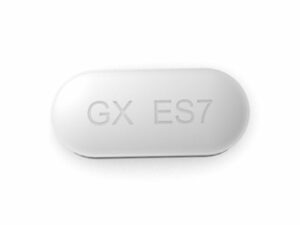
Vibramycin (Doxycycline) – Patient Guide (UK)
Vibramycin is a brand of doxycycline, an antibiotic medicine in the tetracycline group. It is used to treat a range of bacterial infections and, in some situations, certain acne conditions. This guide explains what Vibramycin/doxycycline is, how it works, how to take it safely, and what to expect in the United Kingdom.
Always follow the instructions provided with your medicine. If you are unsure about whether Vibramycin is right for you, speak to a pharmacist or healthcare professional.
1) Basic product information
- Active ingredient: Doxycycline
- Brand name: Vibramycin
- Medicine type: Antibiotic (tetracycline)
- Common forms: Capsules or tablets (strength varies)
- How it’s used: Oral treatment for susceptible bacterial infections and specific inflammatory conditions
Important: Antibiotics are only effective against bacteria. They do not treat viral infections such as the common cold or flu.
2) How Vibramycin works (mechanism of action)
Doxycycline works by interfering with the ability of bacteria to build essential proteins. It does this by binding to the 30S ribosomal subunit, which helps prevent the bacteria from producing proteins needed for growth and replication. The result is bacteriostatic activity (it stops bacteria multiplying), allowing the body’s immune system to clear the infection.
Different bacteria have different susceptibility. That’s why taking doxycycline for the correct condition and dose matters.
3) Pharmacokinetics (how the body handles it)
Understanding how doxycycline is absorbed and processed can help you take it correctly.
- Absorption: Doxycycline is generally well absorbed after oral use. However, absorption can be reduced by some minerals (such as calcium, iron, magnesium, and aluminium) and certain foods.
- Distribution: It distributes throughout body tissues and fluids, including areas where some infections occur.
- Metabolism & elimination: Doxycycline is cleared mainly through hepatic (bile/liver) and renal (kidney) pathways. The exact balance varies by person and formulation.
- Half-life: Doxycycline has a relatively long half-life, which supports convenient dosing intervals.
Practical takeaway: Keeping a consistent schedule and avoiding interacting foods/supplements helps ensure effective levels in the body.
4) Typical uses and indications
Vibramycin (doxycycline) is used for conditions where bacteria are susceptible. In the UK, dosing and choice of antibiotic depend on the specific diagnosis, local resistance patterns, and individual patient factors.
Common indications include:
- Bacterial respiratory infections (when susceptible organisms are involved)
- Skin and soft tissue infections (where appropriate)
- Some sexually transmitted or related infections under clinical guidance (depending on organism susceptibility)
- Acne vulgaris in specific cases, typically when bacterial involvement or inflammatory elements are considered
- Periodontitis-related infections in certain regimens (clinician-directed)
- Tick-borne illnesses in appropriate clinical settings
- Other targeted bacterial infections as advised by healthcare professionals
Note: The exact indication and dose depend on age, severity, and the suspected/confirmed organism. Not every patient should take doxycycline for every infection.
5) Timing: how to take Vibramycin
Follow the dosing schedule provided by your clinician/pharmacist or the product instructions. Common regimens include one or two daily dosing depending on the condition and strength of the tablets/capsules.
General timing guidance:
- Try to take it at the same times each day.
- Take with a full glass of water to reduce the risk of irritation to the oesophagus.
- Do not lie down immediately after taking it. Ideally remain upright for at least 30 minutes.
- If you miss a dose, take it when you remember unless it’s close to the next dose. Do not double up.
Course duration: Many infections improve within a few days, but you should complete the full course unless advised to stop.
6) Food interactions and dietary considerations
Doxycycline can be taken with or without food in many cases. However, certain foods and supplements may interfere with absorption.
Foods/supplements that can reduce absorption
- Dairy products (calcium)
- Iron supplements
- Magnesium-containing supplements or antacids
- Aluminium-containing antacids
- Calcium supplements
- Zinc supplements (may interfere for some tetracyclines)
Tip: If you need these products, separate them from doxycycline by at least 2–3 hours (or as advised by a pharmacist). Many people find it easiest to take doxycycline earlier in the day and supplements later.
Food can help stomach tolerance
Some people experience nausea or indigestion. Taking with food (non-dairy) may help. Avoid taking it right before bedtime.
7) Alcohol and medicine interactions
Alcohol
Moderate alcohol intake is not necessarily strictly contraindicated for everyone, but it may increase side effects such as stomach upset, dizziness, or nausea. To reduce risk of side effects and ensure you feel well enough to continue treatment, consider:
- Keep alcohol to a minimum during your course.
- Stop alcohol if it makes symptoms worse or you feel unwell.
Seek advice urgently if you develop severe vomiting, signs of allergic reaction, or severe rash.
Common medicine interactions
Interactions can change how well doxycycline works or can increase side effects. Tell your pharmacist about all medicines, supplements, and herbal products you take.
- Antacids and mineral supplements (calcium, magnesium, aluminium, iron, zinc): reduce absorption—separate dosing.
- Warfarin (blood thinner): antibiotics can affect clotting control in some people—may require monitoring.
- Oral retinoids (e.g., isotretinoin): increased risk of certain side effects affecting the pressure in the head—avoid combined use unless specifically directed.
- Diuretics and some other medicines that can interact through liver enzymes: discuss with a pharmacist.
- Rifampicin (TB antibiotic) and enzyme-inducing medicines: may reduce doxycycline levels.
- Phenobarbital/phenytoin (some anti-epileptics): may lower doxycycline levels.
- Other antibiotics: some combinations may not be appropriate depending on diagnosis.
Contraception note: In most cases, doxycycline is not known to significantly affect the effectiveness of combined oral contraceptives. However, if you experience vomiting or severe diarrhoea, contraceptive effectiveness may be reduced. In that case, follow contraceptive advice and consider additional protection while unwell.
8) Dosing: what is typical?
Doses vary depending on the condition, severity, age, and formulation. The table below provides general information about common doxycycline regimens. Your exact dose may differ.
| Situation (examples) | Typical adult dosing pattern | Comments |
|---|---|---|
| Many infections | Often 100 mg once or twice daily (varies by condition) | Your clinician will specify the exact schedule. |
| Acne (selected cases) | Commonly 50–100 mg daily or as a split dose (varies) | Some acne courses are longer; follow your treatment plan. |
| Longer courses / chronic regimens | Lower daily doses may be used in some conditions | Regular review helps balance benefit and risk. |
| Children | Only when appropriate and directed by a clinician | Age and weight influence suitability. |
Children and adolescents: Doxycycline use in children is more restricted than in some adults. Tetracyclines can affect tooth development in early life. If this medicine is being considered for a child, the decision should be made by a clinician who can weigh risks and benefits.
Renal impairment (kidney problems): Doxycycline is generally considered less affected by kidney function than some other tetracyclines, but individual decisions should still be made with clinical oversight.
9) Safety profile: common and serious side effects
Common side effects
- Nausea, indigestion, stomach pain
- Diarrhoea
- Heartburn or irritation of the oesophagus (especially if taken without enough water)
- Headache
- Skin sensitivity to sunlight (photosensitivity)
Serious side effects (seek urgent help)
Stop taking the medicine and seek urgent medical attention if you experience:
- Severe allergic reaction (swelling of face/lips, breathing difficulty, widespread hives)
- Severe or persistent diarrhoea, especially with fever or blood/mucus (possible antibiotic-associated colitis)
- Severe rash, blistering, or peeling skin
- Signs of liver problems (yellowing of eyes/skin, dark urine, severe fatigue)
- Persistent severe headache with visual changes (rare; can indicate raised pressure in the skull)
Photosensitivity (sun sensitivity)
Doxycycline can make skin more sensitive to sunlight. To reduce risk:
- Avoid strong sun and sunbeds.
- Use protective clothing and sunscreen (SPF 30 or higher).
- Stop sun exposure if you develop unusual redness or burning.
Longer courses
When doxycycline is used for longer periods (for example, acne regimens), healthcare professionals may monitor tolerance and any signs of side effects.
10) Practical tips for successful use
- Take it upright: Take with a full glass of water and remain upright for at least 30 minutes.
- Separate minerals: Keep a gap of 2–3 hours from antacids and supplements containing iron, calcium, magnesium, or aluminium.
- Manage stomach upset: If you feel nauseated, taking with food (non-dairy) can help.
- Sun protection: Use sunscreen and avoid prolonged sun exposure.
- Complete the course: Even if you feel better, finish the prescribed duration unless advised otherwise.
- Watch for diarrhoea: If diarrhoea becomes severe, contact a clinician promptly.
11) Alternative options
The “best” alternative depends on the infection being treated, local resistance, your allergy history (including tetracyclines), kidney/liver function, and other medicines you use.
Possible alternative antibiotic options (examples)
- Amoxicillin or other penicillin-class antibiotics (if appropriate)
- Clarithromycin or other macrolides (in selected cases)
- Azithromycin (sometimes used depending on diagnosis)
- Trimethoprim-based antibiotics (for particular indications)
- Metronidazole or others in specific combinations
For acne
- Topical options (such as benzoyl peroxide, topical antibiotics, or retinoids)
- Hormonal treatments in appropriate patients (clinician-directed)
- Other systemic antibiotics may be considered depending on response and tolerability
Important: Do not self-switch antibiotics. Consult a pharmacist or healthcare professional to select the right option and duration.
12) UK market and legal context, and recent guidance
In the UK, antibiotics are regulated as medicines and must be used appropriately to reduce antibiotic resistance. NHS and public health guidance emphasises:
- Only using antibiotics when they are likely to help (avoid antibiotics for viral infections)
- Choosing the correct antibiotic and duration based on diagnosis and susceptibility
- Completing the full course as advised
- Reviewing symptoms if no improvement occurs
Recent trends and stewardship: UK antimicrobial stewardship continues to encourage responsible prescribing and discourages unnecessary antibiotic use. Guidance from bodies such as the NICE and NHS antimicrobial stewardship programmes typically highlights appropriate selection, correct dosing, and monitoring for adverse effects.
Also note: Over the past years, there has been continued emphasis on managing acne with a balance of benefit and antibiotic stewardship, often including use of topical treatments alongside systemic options to reduce prolonged antibiotic exposure.
13) Delivery and availability in the UK
Vibramycin (doxycycline) is widely available through pharmacy supply chains in the UK, though availability can vary depending on formulation and strength.
- Availability: Commonly available in pharmacies and online pharmacy listings, subject to stock levels.
- Dispatch times: Usually processed quickly once the order is confirmed and verified.
- Delivery options: Many UK pharmacies offer standard and expedited delivery. Delivery time depends on the courier and your postcode.
- Packaging: Medicines are supplied in protective packaging to maintain product integrity.
If your order is time-sensitive (for example, you are starting treatment), it’s best to choose delivery that ensures the medicine arrives before your planned start date.
14) Storage and handling
- Store at room temperature (unless the product label specifies otherwise).
- Keep the medicine in its original packaging to protect it from moisture and light.
- Keep out of the sight and reach of children.
- Do not use after the expiry date on the pack.
15) FAQ
Is Vibramycin the same as doxycycline?
Yes. Vibramycin is a brand name containing doxycycline. Other brands or generic products may contain the same active ingredient.
How quickly should I feel better?
Many infections begin to improve within 48–72 hours. If symptoms worsen or do not improve within a few days, speak to a pharmacist or healthcare professional for review.
Can I take Vibramycin with milk or yoghurt?
It may not be ideal to take doxycycline at the same time as dairy products because calcium can reduce absorption. If you want to take it with food, choose a non-dairy meal or separate dairy by a couple of hours if possible.
What should I do if I get heartburn or pain when swallowing?
Stop lying down after taking it and ensure you take the dose with a full glass of water while sitting upright. If the pain persists or becomes severe, seek medical advice promptly.
Can I drink alcohol while taking doxycycline?
Moderate alcohol may be tolerated by some people, but alcohol can increase the likelihood of stomach upset and may make side effects harder to manage. It’s generally wise to keep alcohol to a minimum during treatment.
Will doxycycline affect my contraception?
Doxycycline is not typically known to reduce the effectiveness of hormonal contraception. However, if you have vomiting or severe diarrhoea, contraceptive effectiveness may be reduced—follow advice from your healthcare provider or contraceptive leaflet.
Do I need to avoid sun exposure?
Yes. Doxycycline can cause photosensitivity. Use sunscreen, wear protective clothing, and avoid sunbeds.
What if I miss a dose?
Take it as soon as you remember unless it’s close to the next dose. Do not double up.
Who should not take doxycycline?
Some people should avoid doxycycline or take it only with specialist advice—for example, pregnancy, certain breastfeeding situations, and young children unless advised. If you are pregnant, trying to conceive, or breastfeeding, discuss with a healthcare professional before using.
Are there any long-term risks?
Most people tolerate doxycycline well. Risks increase with longer courses and individual factors. If you are taking it for an extended period, ask your pharmacist/clinician what monitoring is recommended.
Disclaimer: This information is intended to support patient understanding and does not replace advice from a healthcare professional. If you have concerns about a specific condition, dosing, or drug interactions, speak to a pharmacist or clinician.