

Ceftin (Cefuroxime) – Patient-Friendly Guide (UK)
Ceftin is a brand of cefuroxime, an antibiotic used in the treatment of a range of bacterial infections. This guide explains how Ceftin works, when it is used, how it is taken, food and alcohol interactions, safety information, and practical tips for getting the best results. It is written for patients in the United Kingdom.
Please note: antibiotics should be used only for confirmed or strongly suspected bacterial infections, and you should follow the advice given by your healthcare professional and the information in the patient leaflet supplied with your medicine.
Basic product information
Ceftin contains the active ingredient cefuroxime, which belongs to the cephalosporin class of antibiotics. It is available in different formulations, commonly including:
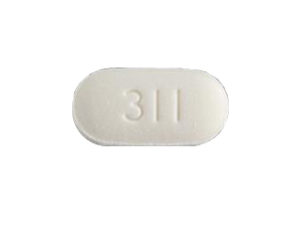
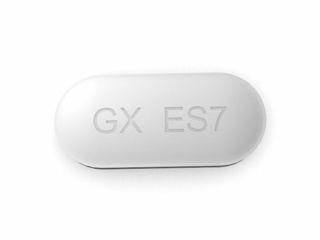
- Ceftin tablets (often used for adults and older children, depending on strength)
- Ceftin paediatric liquid (for children, where appropriate)
In the UK, Ceftin products are authorised medicines and are supplied by licensed pharmacies. Availability and specific strengths can vary by supplier.
Key points at a glance:
- Type of medicine: Antibiotic (cephalosporin)
- Active ingredient: Cefuroxime
- Common use: Treats certain bacterial infections in the ear, throat, chest, urinary tract, skin, and more
- How it works: Stops bacteria building their protective cell walls
How Ceftin works (mechanism of action)
Cefuroxime works by interfering with the way bacteria form their cell wall. Bacterial cell walls rely on proteins and structures called penicillin-binding proteins (PBPs). Cefuroxime binds to these PBPs and helps prevent the cell wall from being properly built or repaired. As a result, the bacteria become unable to survive and multiply.
Cefuroxime is considered effective against a variety of bacteria, but it is not active against viruses (such as those that cause colds or flu). Using antibiotics only when needed helps reduce side effects and antibiotic resistance.
Pharmacokinetics (how the body processes it)
Pharmacokinetics describes how a medicine is absorbed, distributed, metabolised, and eliminated. With cefuroxime, the following general principles apply (details may vary slightly by formulation):
- Absorption: Cefuroxime is absorbed from the gut after taking it by mouth. Taking it with food can improve absorption for some formulations.
- Distribution: It spreads into body tissues and fluids, including areas relevant to certain infections.
- Metabolism: Cefuroxime is not extensively metabolised in the body.
- Elimination: It is largely cleared by the kidneys. The dose may need adjustment in people with reduced kidney function.
- Half-life: The time it takes for the body level to drop by half is typically around several hours, so dosing is usually spaced across the day.
If you have kidney problems, discuss this with your prescriber or pharmacist—correct dosing is important for safety and effectiveness.
Typical use and timing
Ceftin is used to treat infections caused by susceptible bacteria. It may be considered for infections such as:
Common infections where cefuroxime may be used
- Ear, nose and throat (ENT): e.g., bacterial infections of the ear or throat (as appropriate)
- Chest: e.g., certain bacterial infections affecting the lungs/bronchi
- Urinary tract: e.g., bacterial cystitis or other UTIs
- Skin and soft tissue: e.g., infected wounds or skin infections
- Other bacterial infections: depending on local microbiology and clinical judgement
How quickly you feel better can vary. Some symptoms start improving within 24–48 hours, but finishing the full course is important even if you feel well.
How to time doses
- Try to take your doses at evenly spaced times each day.
- Set reminders (especially if you take multiple doses daily).
- Keep taking the medicine for the full duration advised for your infection.
- If you miss a dose, follow the advice in the patient leaflet; if unsure, ask a pharmacist.
Food interactions
Food can affect how well cefuroxime is absorbed. In general, cefuroxime is often recommended to be taken with or soon after food to support absorption and reduce stomach upset.
- With food: often improves absorption and may make it easier on your stomach.
- On an empty stomach: may reduce absorption for some people/formulations.
Always follow the instructions on your specific product and the advice given by your pharmacist. If your medicine is labelled differently (e.g., instructions for tablets versus liquid), follow the label directions.
Alcohol and medicine interactions
Alcohol
Moderate alcohol intake is not usually described as a direct interaction with cefuroxime in routine guidance. However, it may affect your recovery, worsen side effects (such as nausea or stomach irritation), and reduce your ability to rest.
If you are unwell, it is generally best to avoid alcohol until you feel better. If you have liver disease, are taking other medicines, or drink heavily, speak to a clinician or pharmacist for personalised advice.
Medicines that may interact
Some medicines can interact with cefuroxime directly or indirectly (for example by affecting kidney function or gut flora). Tell your pharmacist or healthcare professional about all medicines you take, including:
- Other antibiotics (avoid unnecessary overlapping without advice)
- Probenecid (may affect kidney clearance)
- Warfarin and other anticoagulants (antibiotics can influence bleeding tendency in some patients; monitoring may be required)
- Oral contraceptives (most guidance says additional contraceptive precautions are not routinely required with antibiotics, but vomiting/diarrhoea can reduce absorption—follow the advice relevant to your situation)
- Kidney-affecting medicines (dose adjustment may be necessary)
If you are taking warfarin (or another blood thinner), you should seek advice promptly if you notice unusual bruising, bleeding, dark stools, or other concerning symptoms.
Indications (what Ceftin is used to treat)
Cefuroxime is indicated for certain bacterial infections where it is appropriate to use a cephalosporin antibiotic. The exact indications depend on the licensed product information and clinical assessment.
Typical indications in clinical practice may include infections such as:
- Infections of the upper respiratory tract (for example, some ENT infections)
- Infections of the lower respiratory tract (where bacterial infection is suspected/confirmed)
- Urinary tract infections
- Skin and soft tissue infections
- Other infections caused by bacteria susceptible to cefuroxime
Your clinician may choose cefuroxime based on symptoms, examination, your medical history, and—where available—local susceptibility patterns. If testing (such as swabs or urine cultures) is done, the results help guide antibiotic choice.
Dosing: how much to take and for how long
Dosing depends on the infection being treated, age, kidney function, severity of illness, and the specific formulation (tablet strength vs liquid). Follow the dosing instructions provided with your medicine. Below is general information only.
General dosing principles
- Adults: Commonly taken multiple times per day depending on the regimen chosen for your infection.
- Children: Dosing is typically weight-based and given as tablets or liquid depending on age/ability to swallow.
- Kidney impairment: Dose frequency or amount may need to be reduced to avoid higher drug levels.
- Course length: Varies by infection and severity. Completing the course reduces the risk of relapse.
Important: Do not change your dose, stop early, or extend treatment without medical advice.
Typical regimen examples (illustrative)
Some Ceftin regimens are taken twice daily (e.g., morning and evening), while others may be taken more frequently depending on the product and indication. Because formulations and schedules can differ, always follow the directions on the label.
| Patient group | General approach | Key things to remember |
|---|---|---|
| Adults | Usually a fixed dose per tablet strength, taken multiple times daily | Take at regular times; with food if advised; ensure full course |
| Children | Often weight-based; liquid may be used for accurate dosing | Use the measuring device; confirm dose volume (mL) for your child |
| Older adults | Dose may depend more on kidney function | Report side effects early; hydration can help if you experience diarrhoea |
| People with reduced kidney function | May require adjusted dose or reduced frequency | Follow pharmacist/clinician instructions exactly |
Safety profile: common side effects and when to seek help
Most common side effects
Like all medicines, cefuroxime can cause side effects. Common ones may include:
- Diarrhoea or loose stools
- Nausea or mild stomach upset
- Headache
- Skin rash (mild in some cases)
- Vaginal thrush or other yeast-related symptoms in some people
Serious or urgent warning symptoms
Seek medical help urgently if you experience any of the following:
- Signs of an allergic reaction: swelling of the face/lips, difficulty breathing, wheezing, severe rash, or blistering skin
- Severe or persistent diarrhoea, especially if watery or bloody, or accompanied by fever and severe abdominal pain (this may indicate antibiotic-associated colitis)
- Yellowing of the skin or eyes, severe fatigue, or dark urine (possible liver-related issues)
- Bruising easily or unusual bleeding (if you take blood thinners, or if you notice new bleeding symptoms)
Who should take extra care
- Allergy to cephalosporins or history of severe allergic reactions to beta-lactam antibiotics
- History of allergy to penicillin: you may still be able to use cefuroxime in some cases, but inform your clinician—risk depends on the type of reaction you had
- Kidney disease: dose adjustments may be needed
- History of gut problems, especially inflammatory bowel disease or prior antibiotic-associated colitis
- Pregnancy or breastfeeding: discuss suitability and benefits/risks with a clinician or pharmacist
If you have previously reacted to antibiotics, keep a record of which antibiotic caused the reaction and how it appeared. Share this with your pharmacist or healthcare professional.
Practical use tips (getting the best results)
- Take at the same times daily: this helps maintain consistent drug levels.
- With food if advised: it can improve absorption and reduce stomach upset.
- Finish the full course: symptoms may improve before bacteria are fully cleared.
- Hydrate: especially if you develop mild diarrhoea.
- Do not double up: if you miss a dose, do not take extra unless instructed by your pharmacist/leaflet guidance.
- Store correctly: follow the packaging instructions for temperature and moisture protection.
- Measure liquid carefully: use the provided oral syringe/measuring cup. Shake the bottle if instructed.
- Keep track of side effects: note anything unusual and contact a pharmacist if you are concerned.
What to expect during treatment
If cefuroxime is appropriate, you would usually expect gradual symptom improvement. If you do not improve after a couple of days, or your symptoms worsen, contact your healthcare professional. The infection may require a different antibiotic or further assessment.
Alternative options
Antibiotic choice depends on the infection type, severity, local resistance patterns, and individual factors such as allergies and kidney function. Alternatives to cefuroxime may include other antibiotic classes (chosen by clinicians) or, in some situations, supportive care only if the infection is viral.
Possible alternative antibiotic approaches
- Other cephalosporins (depending on susceptibility)
- Penicillin-based antibiotics when appropriate and if allergy status allows
- Macrolides or other antibiotic classes in specific cases
For certain infections, your clinician may also consider tests (such as urine culture or throat swab) to guide which antibiotic is most suitable.
If you are looking for non-antibiotic measures (e.g., symptom relief for throat pain), a pharmacist can advise on options such as pain relief and hydration—without replacing the antibiotic if one is genuinely needed.
Market and legal context in the UK
In the United Kingdom, medicines like Ceftin are regulated under the medicines and pharmacy framework. Supply is carried out by authorised organisations and dispensing pharmacies. Antibiotics are subject to stewardship measures to support appropriate use and combat antimicrobial resistance.
Antibiotic stewardship encourages clinicians and patients to:
- use antibiotics only when bacterial infection is likely or confirmed
- choose the right antibiotic and dose
- review treatment if there is no response
- avoid unnecessary continuation once symptoms resolve
Local guidance, including regional prescribing policies and national recommendations, influences antibiotic selection.
Recent guidance (high-level overview)
UK antimicrobial stewardship continues to emphasise prudent antibiotic use and careful selection for common infections, including guidance to avoid antibiotics for viral illnesses and to reassess therapy if response is not achieved. Exact recommendations vary by infection site and local pathway.
Delivery and availability (online pharmacy)
Ceftin availability may vary by strength and formulation (tablets vs liquid) and your local region. Many online pharmacies in the UK can supply medicines subject to stock availability and regulatory requirements.
- Stock checks: Most orders are confirmed after availability is verified.
- Delivery times: Delivery speed depends on the carrier and service level selected.
- Packaging: Medicines are typically delivered in secure, labelled packaging to protect the product.
- Contact: If something is out of stock, suppliers usually contact customers with alternatives or updated delivery information.
If you have time-critical needs (for example, treatment for a child or an urgent infection), contact customer support for the most accurate information.
Frequently asked questions (FAQ)
1) What is Ceftin used for?
Ceftin (cefuroxime) is an antibiotic used for infections caused by susceptible bacteria. It may be used for infections such as some ENT, chest, urinary tract, and skin infections, depending on clinical assessment.
2) How should I take Ceftin?
Follow the dosing instructions on your label and patient leaflet. Many people take cefuroxime with food to improve absorption and reduce stomach upset. Take doses at regular times, and complete the full course unless advised otherwise.
3) Can I take it on an empty stomach?
Some formulations are best taken with food. If your product leaflet advises taking with food, follow that advice. If you are unsure, ask your pharmacist.
4) What if I miss a dose?
If you miss a dose, check the patient leaflet for instructions. In general, you should not take a double dose to make up for a missed one. If you’re unsure, contact a pharmacist for guidance.
5) How long before I feel better?
Many patients begin to notice improvement within 24–48 hours if the infection is bacterial and the antibiotic is appropriate. If there is no improvement after a couple of days, contact a healthcare professional.
6) Is Ceftin safe for children?
Ceftin can be used in children when appropriate, often using paediatric liquid preparations. Dosing is usually weight-based. Always use the correct measuring device and follow the leaflet instructions.
7) Can I drink alcohol while taking Ceftin?
There is no common direct alcohol “interaction” highlighted for cefuroxime, but alcohol may worsen side effects and recovery. If you choose to drink, do so in moderation and avoid if you feel unwell. Ask your pharmacist if you have concerns.
8) What medicines interact with Ceftin?
Tell your pharmacist about all medicines you take. Potential interactions can include blood thinners (such as warfarin), probenecid, and other medicines affecting kidney function. Also mention any allergy history.
9) What should I do if I get diarrhoea?
Mild diarrhoea can occur. Drink fluids and contact a healthcare professional if diarrhoea is severe, watery, persistent, or contains blood, or if you develop fever or severe abdominal pain.
10) What if I’m allergic to penicillin?
People with penicillin allergy should inform their pharmacist/clinician before taking cefuroxime. Whether it is safe depends on the nature and severity of the previous allergic reaction. If you have a history of severe immediate reactions, seek advice promptly.
11) Can I stop early once I feel better?
It’s important to complete the course as advised. Stopping early can allow infection to return or worsen, and it may increase the risk of resistance.
12) Are there alternative treatments to antibiotics?
For viral infections, antibiotics are not helpful. For bacterial infections, the alternative is usually another antibiotic or a different approach chosen by your clinician. For symptom relief while recovering, pharmacists can recommend suitable supportive treatments.
13) Where can I find the full instructions?
The patient information leaflet included with your Ceftin pack provides the most detailed, product-specific guidance including side effects and dosing instructions. If you have questions, ask your pharmacist.