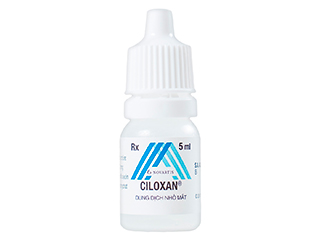
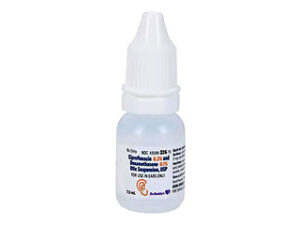
Ciloxan (Ciprofloxacin) Eye/Ear Drops & Ointment — Patient Information (UK)
Ciloxan is a brand of ciprofloxacin, an antibiotic medicine used to treat certain bacterial infections of the eye and/or ear depending on the specific product you have. This guide explains what Ciloxan is, how it works, how to use it safely, and what to expect. It is written for people in the United Kingdom and focuses on patient-friendly information.
Important: Only use Ciloxan for the condition and route it is intended for (eye or ear). If symptoms do not improve, worsen, or you develop severe pain, changes in vision, or significant swelling, seek urgent medical advice.
Quick overview
- Medicine: Ciloxan (ciprofloxacin)
- Type: Fluoroquinolone antibiotic
- Forms: Eye drops, eye ointment, and some ear preparations (availability may vary)
- Use: Bacterial eye/ear infections
- How it works: Stops bacteria from making essential DNA, preventing growth and spread
- Typical course: Often several days, depending on the infection
- Most common side effects: Temporary burning/stinging, irritation, taste disturbance (especially with eye use)
Basic product information
| Category | Details |
|---|---|
| Active ingredient | Ciprofloxacin |
| Brand | Ciloxan |
| Medicine group | Fluoroquinolone antibiotic |
| Common presentation | Eye drops and/or eye ointment (and certain ear preparations) |
| Target | Bacterial infections |
| Not for | Viral infections (e.g., typical viral conjunctivitis) and fungal infections |
Because Ciloxan products can differ by formulation and strength, always check your package for the exact dosing instructions. If you are unsure whether your product is meant for the eye or ear, confirm before using.
How Ciloxan works (mechanism of action)
Ciprofloxacin belongs to the fluoroquinolone family of antibiotics. It works by disrupting bacterial DNA replication:
- It inhibits key bacterial enzymes involved in DNA processes (commonly DNA gyrase and topoisomerase IV).
- This prevents bacteria from replicating and repairing DNA.
- The result is a bactericidal effect (it can kill susceptible bacteria).
In simple terms: Ciloxan targets the bacteria responsible for the infection, helping to stop them multiplying so your symptoms improve.
Pharmacokinetics (what the body does with the medicine)
For eye and ear use, ciprofloxacin is generally absorbed in a local, targeted way. Systemic absorption (the amount entering the bloodstream) is typically low when used as directed, but the exact level can vary by the product, amount used, and condition of the tissues (for example, damaged corneal surfaces can increase absorption).
- Absorption: Usually limited for topical eye/ear use.
- Distribution: Concentrations are highest at the site of infection.
- Metabolism: Limited metabolism.
- Elimination: Any absorbed fraction is cleared mainly through renal pathways (kidneys) though overall blood levels are usually low.
If you have kidney problems, are pregnant, or have unusual reactions, it is important to discuss suitability with a healthcare professional.
Typical uses and indications
Ciloxan is used for susceptible bacterial infections. Depending on the formulation, indications may include:
Eye (common indications)
- Bacterial conjunctivitis (infective “pink eye” caused by susceptible bacteria)
- Corneal ulcers (certain bacterial keratitis/corneal infections) — often requiring urgent professional care
- Blepharitis or other superficial eye infections where ciprofloxacin is appropriate
Ear (common indications)
- Otitis externa (outer ear infection), and sometimes specific middle ear situations depending on product licensing
- Infections where a topical fluoroquinolone is considered appropriate
Antibiotic stewardship note (important): Ciloxan should not be used for non-bacterial causes (such as viral conjunctivitis, allergies, or irritation). Using antibiotics when not needed can contribute to antibiotic resistance.
When to start and timing of doses
For best results, use Ciloxan at consistent times during the day. The exact schedule depends on the infection severity, product type (drops vs ointment), and the formulation you have.
General timing principles
- Use regularly: If you miss a dose, use it as soon as you remember unless it is nearly time for the next dose.
- Space doses evenly: For frequent dosing schedules, try to keep gaps consistent.
- Complete the course: Even if symptoms improve quickly, finish the prescribed/expected duration unless told otherwise.
Practical dose examples (typical patterns)
Different infections and products may require different frequencies, for example:
- Eye drops: Often multiple times daily initially, then reduced as symptoms improve (follow your product instructions).
- Eye ointment: Often used less frequently than drops but can reduce blurred vision; typically applied at set times daily.
If your pack instructions do not specify a schedule, or you are unsure, check with the person who provided the medicine or your pharmacist.
How to use Ciloxan (step-by-step practical tips)
Below are patient-friendly steps. Exact technique can vary slightly by product and whether it is for the eye or ear.
For eye drops
- Wash your hands before opening the bottle.
- If possible, avoid touching the tip to your eye or surrounding skin.
- Gently pull down the lower eyelid to form a small pocket.
- Hold the bottle above the eye and place the prescribed number of drops into the pocket.
- Close your eye gently for 1–2 minutes.
- To reduce drainage into the rest of the body, you may lightly press the inner corner of the eye (near the nose) for about 1 minute.
- Replace the cap immediately and wash your hands again.
For eye ointment
- Wash hands.
- Gently pull down the lower eyelid.
- Apply a small strip of ointment into the pocket (as instructed).
- Close the eye gently and blink lightly to spread it.
- Your vision may blur after ointment—avoid driving until clear.
For ear drops (general guidance)
- Wash hands.
- Warm the bottle in your hand for a few minutes if it feels uncomfortable.
- Lie with the affected ear upwards.
- Gently pull the ear (adult: backward and upward; child: backward and downward) to straighten the canal.
- Instil the prescribed number of drops.
- Keep the position for a short time (commonly a few minutes) to allow distribution.
- Replace cap and wash hands.
Contact lenses: Avoid wearing contact lenses if you have an eye infection. They can worsen irritation and delay healing. Replace lenses and lens case only after recovery and when advised.
Food interactions
Because Ciloxan is used topically in the eye and/or ear, food interactions are usually not a major issue. The medicine is not typically taken by mouth, and only small amounts are absorbed systemically.
That said:
- If you are taking other medicines and have dietary restrictions, follow those instructions as usual.
- For any medication you take orally that may interact, check your pharmacist’s advice.
Practical note: If you experience a metallic or unusual taste after eye drops, it may come from drainage through the tear duct. It is not usually related to meals.
Alcohol and medicine interactions
Alcohol: There is generally no direct interaction expected with topical ciprofloxacin used in the eye/ear. However, if you experience dizziness or feel unwell from the underlying condition, it’s sensible to avoid alcohol and focus on recovery.
Other medicines: Clinically important interactions are uncommon with topical use due to low systemic absorption. Still, consider the following:
- Eye drops/ointment and other eye medicines: If you use more than one eye product (such as lubricating drops), separate them by at least 5–10 minutes.
- Ointments vs drops: Ointment may be applied after drops to reduce dilution and to keep the eye surface properly covered.
- Fluoroquinolone allergy history: Avoid ciprofloxacin and related antibiotics if you have previously had a serious allergic reaction.
Dose and duration (how much to use)
Dose varies by product and condition. Always follow the instructions provided with your Ciloxan preparation.
General dosing principles
- Use the exact number of drops/amount of ointment stated on the pack or label.
- Do not stop early unless advised, and do not increase the frequency without guidance.
- If using both an eye drop and an ointment, follow a clear sequence (commonly drops first).
Typical adult and older-age dosing (examples only)
Many licensed regimens (for illustration) may involve:
- Conjunctivitis: Several doses per day for several days (regimen depends on severity and product).
- Corneal ulcers/keratitis: More intensive dosing and urgent assessment are typically required.
Because these examples can differ substantially by product and severity, the safest approach is to follow the specific instructions for the Ciloxan item you have.
Children and babies
Eye and ear infections in children can require careful dosing. If the patient is a child, follow the label instructions precisely and consult a healthcare professional if symptoms are significant or worsening.
Safety profile and side effects
Most people tolerate Ciloxan well. However, like all medicines, it can cause side effects. Many are local and short-lived.
Common side effects
- Burning or stinging in the eye
- Eye irritation or redness
- Watery eyes or a sensation of something in the eye
- Temporary blurry vision (especially with ointment)
- Unusual taste (from drainage)
- Itching or mild discomfort
Less common but important side effects
- Allergic reactions such as swelling of the eyelids, rash, or breathing difficulty
- Severe or worsening pain
- Changes in vision that persist
- Persistent irritation that does not improve after a short time
- Ear-related discomfort or irritation if using ear drops
Seek urgent help if you have
- Severe eye pain
- Light sensitivity (photophobia) with significant pain
- Marked decrease in vision
- Rapidly worsening symptoms
- Signs of a serious allergic reaction (swelling of face/lips, difficulty breathing)
Antibiotic resistance and safety
Overuse of antibiotics can contribute to resistance. Using Ciloxan only when appropriate and finishing the course as instructed helps reduce this risk.
Practical use tips for better results
- Check hygiene: Use clean tissues, avoid rubbing the eye, and wash hands often.
- Don’t share: Do not share eye/ear products with others.
- Remove makeup: Avoid eye makeup while infected. Replace any eye makeup used during infection after recovery.
- Contact lenses: Stop wearing until fully resolved; consider replacing lenses and case.
- Keep it consistent: Try not to miss doses; set reminders.
- Watch response: Improvement is often expected within 1–3 days for many bacterial infections, but this varies. If there is no improvement, seek advice.
- Storage: Keep the bottle/tube as directed (commonly at controlled room temperature). Check your pack for specifics.
- Use-by dates: Do not use past the expiry date. Discard the opened product if the pack advises a limited period after opening.
Alternative options
If Ciloxan is not suitable (for example, due to allergy, intolerance, or lack of expected benefit), alternatives may be considered depending on the site of infection and likely bacteria. Options your pharmacist or healthcare professional may discuss include other antibiotic eye/ear preparations, or supportive care if the infection is likely viral or allergic.
Possible alternatives (examples)
- Other topical antibiotics in different classes (e.g., aminoglycosides, macrolides, depending on local guidance and availability)
- Supportive care for non-bacterial causes (lubricants, warm compresses, hygiene measures)
- Antiviral or anti-inflammatory approaches when appropriate for the cause (these are cause-specific and must be assessed)
Key point: The “best” alternative depends on whether the infection is bacterial, where it is, how severe it is, and any allergy history.
UK market and legal/regulatory context
In the United Kingdom, antibiotic medicines are regulated to ensure appropriate use and quality. Products containing ciprofloxacin are subject to pharmaceutical standards and licensing requirements for the specific formulation and indications.
Some antibiotic eye products may be available through community pharmacies and other routes depending on classification and local policy, but access may differ based on:
- Whether the medicine is classified for sale via pharmacy or requires further assessment
- The condition being treated and local clinical pathways
- Age of the patient and suitability criteria
Because antibiotic use is monitored to reduce resistance, clinicians and pharmacists may ask questions about symptoms, duration, contact lens use, eye trauma, and allergy history.
Recent guidance and stewardship (what to expect)
UK healthcare systems encourage antibiotic stewardship: using antibiotics only when there is a good reason. For eye complaints, many cases of redness and discharge can be viral or allergic and may not benefit from antibiotics.
For that reason, you may see guidance to:
- Assess symptoms promptly and look for warning signs (severe pain, vision changes, contact lens use, trauma)
- Choose the narrowest appropriate treatment for the suspected infection
- Review if not improving rather than continuing ineffective treatment
- Consider culture/testing in severe or recurrent cases (especially for corneal ulcers)
Delivery and availability (UK)
Availability of Ciloxan can vary by formulation (eye drops vs ointment vs ear drops) and strength. When ordering online in the UK, delivery times typically depend on the supplier, courier service, and stock status.
Before ordering:
- Confirm the exact product (eye vs ear, drops vs ointment) to match your needs.
- Check expiry date and storage requirements shown on the package.
- Ensure the product you receive is sealed and in good condition.
If you need it urgently: Some eye infections—especially corneal ulcers—can become serious quickly. If you have severe pain, light sensitivity, or vision changes, seek urgent medical care rather than waiting for delivery.
FAQ: Ciloxan (ciprofloxacin)
1) Is Ciloxan used for viral conjunctivitis?
Usually not. Ciloxan is an antibiotic that targets bacteria. Viral conjunctivitis often improves without antibiotics. If you are unsure whether your symptoms are bacterial, consult a healthcare professional, especially if you wear contact lenses or have significant pain.
2) How quickly should my symptoms improve?
Many bacterial eye infections start to improve within 1–3 days of correct use. If symptoms are not improving after a few days, or they worsen, seek advice promptly.
3) Can I wear contact lenses while using Ciloxan?
No. Stop contact lens use during the infection and until fully resolved. Contact lenses can delay healing and increase complication risk. Also replace lenses and lens case after recovery if advised.
4) What if I accidentally touch the dropper tip to my eye?
Try to avoid it next time. If it happened once, it usually isn’t dangerous, but keep the tip clean going forward. If you suspect contamination or you are instructed to discard, follow the pack guidance.
5) Can I use Ciloxan with other eye drops?
Yes, but separate them by about 5–10 minutes unless your pharmacist advises otherwise. Ointment is often applied after drops to avoid dilution.
6) Will I be able to drive after using ointment?
Eye ointment can blur vision. Avoid driving or operating machinery until your vision clears.
7) Are there any food-related interactions?
No major food interactions are expected with topical ciprofloxacin. Use your medicine as directed and maintain normal eating/drinking habits unless advised otherwise.
8) Can I drink alcohol?
There is usually no direct interaction with topical Ciloxan. If you feel unwell, consider avoiding alcohol while you recover.
9) What should I do if I miss a dose?
Use it when you remember, unless it is close to the next dose. Do not use extra doses to make up for a missed one.
10) When should I stop using Ciloxan?
Do not stop early unless you experience a serious side effect (such as a suspected allergy) or a healthcare professional advises stopping. If symptoms worsen or fail to improve, seek advice rather than continuing blindly.
11) Is Ciloxan safe for children?
Children can use certain ciprofloxacin eye/ear products depending on the formulation and indications. Always follow the specific instructions on the pack and seek professional advice for severe symptoms.
12) What if I develop allergy symptoms?
Stop using the medicine and seek urgent help if you experience breathing difficulties, facial swelling, or widespread rash. For milder reactions, contact your pharmacist promptly.
Summary
Ciloxan (ciprofloxacin) is a fluoroquinolone antibiotic used to treat certain bacterial infections of the eye and/or ear. It works by preventing bacteria from making essential DNA. When used correctly, it can relieve symptoms and help prevent complications. As with all antibiotics, it should be used for appropriate bacterial infections and for the correct duration to support antibiotic stewardship.
If you have severe symptoms, pain, vision changes, or no improvement, contact a healthcare professional urgently.