
Ciprodex (Ciprofloxacin / Dexamethasone) Ear Drops – Patient Guide (UK)
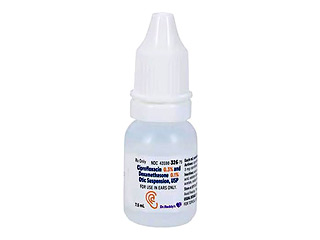
Ciprodex is a medicine used in the ear that combines two active ingredients:
- Ciprofloxacin – an antibiotic that helps treat bacterial infections.
- Dexamethasone – a corticosteroid that helps reduce inflammation and swelling.
This page explains how Ciprodex works, when it is used, how to take it safely, and what to expect. It is written for people in the United Kingdom and covers practical, everyday considerations such as timing, food interactions, alcohol, and other medicines.
Basic product information
| Feature | Information |
|---|---|
| Medicine name | Ciprodex |
| Active ingredients | Ciprofloxacin + Dexamethasone |
| Dosage form | Ear drops (otic suspension/solution depending on local presentation) |
| Common use | Inflamed ear conditions with suspected/confirmed bacterial infection |
| Typical setting | Local treatment of ear canal inflammation and infection |
| Who usually uses it | Adults and children, depending on the condition and local prescribing guidance |
How Ciprodex works (mechanism of action)
Ciprodex is designed to treat infection and inflammation together.
Ciprofloxacin (antibiotic)
- It belongs to the fluoroquinolone antibiotic group.
- It works by interfering with bacterial DNA replication, preventing bacteria from multiplying.
- It is particularly useful against susceptible bacteria that may cause ear infections.
Dexamethasone (corticosteroid)
- It is a steroid anti-inflammatory medicine.
- It reduces swelling, redness, itching, and pain by dampening inflammatory pathways.
- This can improve comfort and help the ear canal heal more quickly.
Together, ciprofloxacin addresses the infectious cause and dexamethasone reduces inflammation that often contributes to symptoms such as pain, discharge, and reduced hearing.
Pharmacokinetics (what happens in the body)
Because Ciprodex is used as ear drops, the medicine is applied locally.
- Local action: Most of the benefit occurs in the ear canal and surrounding tissues.
- Systemic absorption: Small amounts may enter the bloodstream, depending on factors such as the state of the ear tissues and whether the eardrum is intact.
- Metabolism and elimination: When absorbed, ciprofloxacin and dexamethasone follow typical drug metabolism and elimination routes (largely through the kidneys and liver for systemic exposure).
Important: Your clinician should be aware if you have a perforated eardrum or ear surgery history, as this can change absorption and the risk profile. Always follow the instructions provided for your specific condition.
Typical uses in the UK
Ciprodex is used for ear conditions where inflammation and bacterial infection may coexist. Common indications include:
- Otitis externa (infection/inflammation of the outer ear canal), sometimes associated with pain, swelling, discharge, or itching.
- Ear infections with ear tubes (grommets) or after certain ear procedures, where local antibiotic treatment is appropriate.
It may be chosen when clinicians want to treat both the bacterial component and the inflammatory swelling at the same time.
Not for: Viral infections and non-infectious inflammatory problems may require different treatment.
When and how to use Ciprodex (timing and practical steps)
Timing
Follow your provided schedule. Many ear-drop regimens involve twice daily, but the exact dosing can vary depending on age, severity, and the condition being treated.
General approach:
- Try to use the drops at consistent times each day.
- If you miss a dose, use it as soon as you remember unless it is nearly time for the next dose. Do not double up.
- Continue for the full course recommended, even if symptoms improve early.
Practical use tips (how to administer safely and effectively)
- Wash hands before and after using the drops.
- Warm the bottle in your hand for a few minutes if it feels cold (this can reduce discomfort).
- Lie on your side or tilt your head to keep the ear facing upward.
- Gently pull the ear to straighten the ear canal:
- Adults: pull the ear up and back.
- Children: pull the ear down and back.
- Place the drops into the ear canal without touching the tip to the ear.
- Keep your head tilted for about 1–2 minutes to help the drops spread.
- If both ears are being treated, repeat on the other side.
- Replace the cap tightly and store as directed on the label.
If there is heavy discharge or significant blockage, the medicine may not reach the infected area well. Seek advice—ear cleaning or gentle suction may be needed in some cases.
Food interactions
Because Ciprodex is applied to the ear, food interactions are not expected in the way they can be with tablets taken by mouth.
- You can usually take food and drink as normal.
- There are generally no dietary restrictions specifically linked to Ciprodex ear drops.
If your clinician has advised any special diet due to your overall health, follow those instructions.
Alcohol and medicine interactions
Alcohol
There is typically no direct interaction between alcohol and Ciprodex ear drops because systemic exposure is generally low. However:
- If you are unwell, avoid alcohol if it makes symptoms worse or delays recovery.
- If you are taking other medicines (especially sedatives or painkillers), consider their alcohol warnings separately.
Other medicines
Interactions with Ciprodex are less likely compared with oral antibiotics, but it is still important to tell a healthcare professional about all medicines you use.
Possible interaction considerations include:
- Other ear products: Avoid using additional ear drops unless advised, as mixing treatments may reduce effectiveness or irritate the ear.
- Immunosuppressive medicines: Dexamethasone is a steroid. Although the dosing is local, tell your clinician if you use steroids by mouth or injection, or immunosuppressants.
- Blood-thinning medicines (e.g., warfarin): No common direct interaction is expected with topical ear drops, but it is good practice to keep your healthcare team informed.
Always check your medication list with a pharmacist if you start new medicines while using Ciprodex.
Dosing (typical guidance)
Dosing can vary by age and diagnosis. The information below is general and should be confirmed against the specific instructions provided with your medicine.
- Common regimen: Often twice daily for a short course (for example, several days), but exact duration should follow clinical advice.
- Drops per ear: Usually a small number of drops per dose (e.g., a few drops), adjusted for the condition and patient group.
- Duration: Ear infections are often treated over a limited period; continuing too long may increase the risk of side effects or irritation.
Do not change the dose or stop early without advice, even if symptoms improve.
Safety profile and side effects
Most people tolerate Ciprodex well. Because it is used in the ear, side effects are usually local.
Common or mild side effects
- Mild irritation or stinging in the ear after application
- Itching or temporary discomfort
- Dryness or mild redness of the ear canal
Seek urgent medical advice if you notice
- Severe worsening pain or rapidly increasing swelling
- Allergic reactions such as rash, facial swelling, or difficulty breathing
- Persistent or heavy discharge despite treatment
- New dizziness or significant hearing changes
Precautions
- Ear drum status matters: If you have a perforated eardrum, a grommet, or recent ear surgery, tell your clinician. This affects risk and suitability.
- Do not use for longer than advised: Prolonged steroid exposure can contribute to local problems.
- Infection not responding: If there is no improvement within the expected timeframe, you may need review, culture, or an alternative diagnosis.
When to contact a healthcare professional
Contact a healthcare professional promptly if:
- Your symptoms do not improve after a few days of treatment (as advised).
- Your symptoms improve then worsen again.
- You develop fever, severe headache, or swelling around the ear.
- You experience significant hearing loss or persistent vertigo.
- You suspect the ear issue is not infection-related (e.g., eczema, fungal infection).
Alternative options
Alternative treatments depend on the cause of your ear symptoms, the state of the eardrum, and your medical history. Options clinicians may consider include:
- Other antibiotic ear drops (without a steroid), if inflammation is mild.
- Antibiotic/steroid combination drops (for mixed infection and inflammation).
- Acidifying solutions or non-antibiotic approaches in selected cases (especially for particular external ear conditions).
- Fungal ear infections require antifungal treatment rather than antibiotics.
- Pain relief such as paracetamol or ibuprofen (if suitable for you) to manage symptoms while drops work.
If you have had repeated ear infections, clinicians may look for contributing factors such as water exposure, skin conditions (eczema), narrow ear canals, or hygiene issues.
UK market and legal context (what you should know)
In the United Kingdom, medicines that contain antibiotics and corticosteroids are regulated to support safe and appropriate use.
- These medicines are generally supplied under controlled prescribing and pharmacy processes to ensure correct diagnosis and correct dosing.
- Clinicians follow evidence-based guidance for ear infections and antimicrobial stewardship, aiming to use antibiotics only when needed and for the right duration.
- Pharmacies may provide advice on safe administration, potential side effects, and what to do if symptoms worsen.
Because Ciprodex contains an antibiotic (ciprofloxacin), appropriate use is important to help reduce the risk of antibiotic resistance.
Recent guidance and antimicrobial stewardship (high-level)
Across the UK, clinical focus for ear infections includes:
- Confirming the likely cause (bacterial vs non-bacterial), as many ear symptoms can be mistaken for infection.
- Avoiding unnecessary antibiotic use where appropriate.
- Reviewing if symptoms fail to respond, including reassessing the diagnosis and checking for complications.
Local health services and professional bodies regularly update best-practice recommendations. If your symptoms do not improve as expected, follow-up is essential.
Delivery and availability in the UK
Availability can vary by pharmacy and stock levels. Many UK pharmacies offer home delivery options for eligible medicines.
- Check stock status on the product page.
- Delivery times depend on the courier service, postcode area, and order cut-off times.
- Packaging: Medicines are supplied with patient instructions and clear labelling.
Storage: Store at the temperature stated on the label. Keep the bottle capped and away from direct sunlight and heat. Keep out of the sight and reach of children.
Practical advice during treatment
- Avoid water in the treated ear (when possible) to help healing and reduce irritation.
- Do not insert objects (cotton buds, hair pins) into the ear canal.
- If you have grommets or ear tubes, ask specifically about swimming and water precautions.
- Keep follow-up appointments if advised, especially if you have recurrent infections.
- In children, use the drops carefully and maintain a calm environment; consider having a second adult present if needed.
FAQ: Common questions about Ciprodex
1. How long does it take to work?
Many people notice some symptom relief within a few days. If there is no improvement within the timeframe you were told, contact a healthcare professional for review.
2. Can I use Ciprodex in both ears?
It may be possible if both ears are affected, but dosing instructions should be confirmed. Use only as directed for your condition.
3. What if I accidentally miss a dose?
Use it when you remember unless it is close to the next dose. Do not take extra drops to make up for a missed dose.
4. Is Ciprodex safe for children?
It can be used in children in appropriate situations under clinical guidance. Always follow age-specific instructions and ask a clinician or pharmacist if you’re unsure.
5. Can I swim while using Ciprodex?
Best practice is to avoid water getting into the treated ear until symptoms settle. Swimming advice is especially important for people with ear tubes or a perforated eardrum—ask a clinician.
6. Does Ciprodex interact with food?
Food interactions are not expected with ear drops. You can usually eat and drink normally.
7. Can I drink alcohol?
Direct alcohol interaction is unlikely with topical use. If you feel unwell, avoid alcohol. Also consider alcohol warnings for any painkillers or other medicines you may be taking.
8. What should I do if my symptoms worsen?
Stop using the drops and seek medical advice promptly if you experience severe pain, significant swelling, fever, allergic symptoms, or sudden hearing changes.
9. Can I use other ear drops at the same time?
Avoid combining multiple ear products unless advised. Ask a pharmacist about the timing and suitability of other ear drops or ear treatments.
10. What if it keeps coming back?
Recurrent ear symptoms may have underlying causes such as eczema, swimming-related irritation, narrow ear canals, or fungal infection. Get assessed so treatment matches the cause.
Summary
Ciprodex ear drops combine ciprofloxacin (to treat bacterial infection) with dexamethasone (to reduce inflammation). It is typically used for ear canal conditions where infection and swelling are present. Most side effects are mild and local, such as temporary irritation.
For the best results, apply the drops correctly, keep to the recommended timing and course length, avoid putting objects into the ear, and contact a healthcare professional if you do not improve or if symptoms worsen.
If you have questions about suitability—particularly regarding eardrum integrity, previous ear surgery, or other medicines—speak to a pharmacist or clinician for personalised advice.