Norfloxacin Tablets – Patient Information (UK)
Norfloxacin is an antibiotic medicine belonging to the fluoroquinolone group. It is used to treat certain bacterial infections, most commonly affecting the urinary tract. This page explains how norfloxacin works, how it is taken, what to expect, and important safety information for customers in the United Kingdom.
Always follow the guidance provided with your medicine. If you are unsure whether norfloxacin is suitable for you, speak to a qualified healthcare professional.
Basic product information
- Medicine name: Norfloxacin
- Medicine type: Antibiotic (fluoroquinolone)
- How it works: Stops bacteria from multiplying
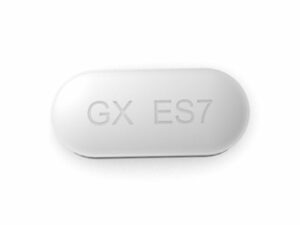
- Common form: Tablets (strengths vary by product)
- Where it is used: Typically for susceptible bacterial infections, particularly urinary tract infections
How norfloxacin works (mechanism of action)
Norfloxacin works by interfering with essential bacterial enzymes involved in DNA replication. Specifically, it inhibits:
- DNA gyrase (topoisomerase II)
- Topoisomerase IV
Without these enzymes, bacteria cannot copy their DNA and multiply effectively, leading to bacterial death or inhibition of growth.
Pharmacokinetics (what the body does to the medicine)
Pharmacokinetics describes how the body absorbs, distributes, metabolises, and eliminates norfloxacin. Understanding this helps explain why dosing and timing matter.
Absorption
Norfloxacin is absorbed after oral administration. Absorption can be reduced when taken with certain foods or minerals (such as iron, zinc, or calcium), because of reduced uptake in the gut.
Distribution
The medicine distributes throughout the body, with notable activity in the urinary tract. This is one reason norfloxacin has traditionally been used for urinary infections.
Metabolism
Like many medicines, norfloxacin may undergo metabolic processing to a limited extent, depending on individual factors.
Elimination
Norfloxacin is largely eliminated by the kidneys, meaning the medicine’s level in urine can be higher than in the bloodstream. This contributes to its usefulness for infections in the urinary tract.
Typical use in the UK
Norfloxacin is an antibiotic used for certain bacterial infections where the likely bacteria are susceptible. In UK practice, antibiotics are selected based on the likely cause of infection, local resistance patterns, and the patient’s kidney function and medical history.
Common indications
Norfloxacin may be used for infections of the urinary tract, particularly when caused by susceptible organisms. Depending on product availability and local prescribing practice, it may also be considered for other infections caused by bacteria sensitive to it.
Important: Antibiotics only work against bacteria, not viruses such as colds or flu.
Indications and when norfloxacin may be considered
Your clinician may consider norfloxacin for suspected or confirmed infections due to bacteria that are susceptible. For urinary symptoms, healthcare professionals often consider:
- Symptoms and examination findings
- Urine testing results (if performed)
- Risk factors and previous infection history
- Medication interactions and kidney function
- Whether an alternative antibiotic would be more appropriate
Seek urgent medical advice if you have severe symptoms such as fever, back/flank pain, vomiting, or feeling very unwell, as these can indicate a more serious infection requiring prompt assessment.
Dosing – how to take norfloxacin
Dosing varies by the specific infection, severity, kidney function, and the particular strength of the tablets you have. Use the directions on your medicine label and any advice provided by your healthcare professional.
Typical dosing principles
- Consistency matters: Take doses at evenly spaced times.
- Complete the course: Finish the full prescribed regimen even if you feel better.
- Kidney function: If you have reduced kidney function, your prescriber may adjust the dose or frequency.
Missed dose
If you miss a dose, take it as soon as you remember unless it is close to the time for your next dose. Do not take a double dose to make up for the missed tablet.
Overdose
Taking too much may increase the risk of side effects. If an overdose is suspected, seek medical advice urgently or contact NHS 111 for guidance.
Timing and practical routine tips
Many antibiotics work best when kept at fairly steady levels in the body. Practical steps can help you stay on track:
- Choose fixed times: For example, morning and evening at similar times each day.
- Use reminders: Set an alarm or use a pill organiser.
- Stay hydrated: Unless you’ve been told to restrict fluids, drink water to support urinary tract comfort.
- Track improvement: Note whether symptoms improve within the expected timeframe; if they worsen, contact a clinician.
Food interactions (what to watch for)
Food and certain dietary components can affect how well norfloxacin is absorbed. This may reduce effectiveness or increase side effects. Pay special attention to the interactions below.
Minerals that can reduce absorption
Norfloxacin absorption can be reduced by medicines or supplements containing minerals such as:
- Iron
- Zinc
- Calcium
- Magnesium
This includes some antacids and mineral supplements. You may be advised to separate norfloxacin from these products by a few hours. Follow the instructions given by your healthcare professional or pharmacist.
General food advice
- Take norfloxacin according to the instructions on your label.
- If the leaflet for your specific product recommends taking with or without food, follow it closely.
- A consistent routine (same relationship to meals each dose) can help maintain reliable absorption.
Alcohol and medicine interactions
Alcohol may worsen some side effects of antibiotics (such as dizziness, tiredness, or stomach upset). While there is not always a direct “no alcohol” rule, it’s generally wise to:
- Avoid heavy drinking while you’re taking norfloxacin.
- Stop alcohol immediately if you feel unwell or notice increased dizziness, nausea, or worsening symptoms.
If you are taking other medicines, check interactions carefully—some combinations can increase side effects or alter norfloxacin levels. When in doubt, speak to a pharmacist.
Medicine interactions (important)
Some medicines can interact with norfloxacin. Interactions may change drug levels or increase the risk of adverse effects. Always tell your pharmacist or clinician about all medicines you take, including over-the-counter products and supplements.
Medicines/supplements commonly relevant
- Antacids (especially those containing aluminium or magnesium)
- Iron, zinc, calcium or magnesium supplements
- Sucralfate
- Warfarin and other anticoagulants (bleeding risk may change)
- Oral diabetes medicines (blood sugar control can be affected)
- Some antiarrhythmics or medicines that affect heart rhythm
- Corticosteroids (may increase tendon risk)
This list is not exhaustive. If you have several prescriptions, consider asking your pharmacist to review your full medication list for interactions.
Safety profile: side effects and warnings
Like all medicines, norfloxacin can cause side effects. Not everyone will experience them. Many side effects are mild and temporary, but some are serious and require urgent attention.
Common side effects
- Nausea
- Diarrhoea or loose stools
- Stomach discomfort
- Headache
- Dizziness
- Vaginal itching or irritation (in some people)
Serious side effects: get urgent medical help
Contact urgent medical services or seek immediate advice if you develop:
- Tendon pain, swelling, or inflammation (especially Achilles tendon) or sudden difficulty walking
- Severe or persistent diarrhoea, particularly if watery or bloody (could indicate inflammation of the bowel)
- Allergic reaction such as facial swelling, wheezing, severe rash, or difficulty breathing
- Unusual nerve symptoms such as tingling, numbness, burning pain, or weakness
- Severe dizziness, fainting, or palpitations (possible rhythm effects)
- Confusion or hallucinations
Who should be extra cautious?
- People with a history of tendon disorders or previous tendon injury related to fluoroquinolones
- Individuals taking medicines that can affect heart rhythm
- Older adults, as risk of some side effects can be higher
- People with kidney impairment (dose adjustment may be necessary)
- People with a history of seizures or conditions that lower seizure threshold
Photosensitivity (sun sensitivity)
Some fluoroquinolones can increase sensitivity to sunlight. Consider:
- Using sunscreen
- Avoiding prolonged direct sun exposure
Driving and machinery
Dizziness or light-headedness can occur. If you feel unwell, avoid driving or operating machinery until you know how norfloxacin affects you.
Practical use tips for best results
- Start when advised: Begin the course at the recommended time.
- Take with correct spacing from minerals: Keep an interval between norfloxacin and iron/zinc/calcium supplements or mineral antacids (ask your pharmacist for exact timing).
- Hydrate: Drinking water may help with urinary tract comfort.
- Don’t share antibiotics: Only use norfloxacin for your specific infection.
- Track symptoms: If symptoms do not improve after a reasonable period (as advised), contact a clinician.
- Protect the stomach: If you get nausea, taking the medicine with food (if permitted for your product) may help—check your leaflet for the correct instruction.
What to do if you feel worse
Some symptoms may improve quickly, but infections can occasionally worsen or not respond. Seek advice promptly if:
- Your symptoms worsen after starting the antibiotic
- You develop fever, flank/back pain, or vomiting
- Your condition does not improve as expected
- You experience severe diarrhoea
Alternative options (discuss with a pharmacist/clinician)
There are multiple antibiotic and non-antibiotic approaches depending on the type of infection, local resistance patterns, and your health profile. Alternatives may include other antibiotics used for urinary tract infections and different strategies such as urine testing and targeted prescribing.
Possible antibiotic alternatives
Depending on local guidance and susceptibility, clinicians may consider other options such as:
- Nitrofurantoin (often for uncomplicated lower urinary tract infections)
- Trimethoprim (in some circumstances)
- Amoxicillin or co-amoxiclav (depending on likely organism and resistance)
- Cefalexin (in some cases)
Suitability depends on kidney function, allergy history, pregnancy status, drug interactions, and antibiotic resistance.
For persistent symptoms, healthcare professionals may recommend:
- Urine culture to identify the organism
- Reviewing contributing factors (e.g., hydration, bladder habits)
- Assessing for more complicated causes of urinary symptoms
UK market and legal context
In the United Kingdom, antibiotics are medicines regulated under UK medicines law and must be supplied in line with applicable rules. Fluoroquinolones, including norfloxacin, are monitored because of safety considerations and antibiotic stewardship requirements.
NHS and professional bodies encourage appropriate antibiotic use to reduce the risk of resistance and adverse effects. Clinicians may consider guidance on choice of antibiotic, local susceptibility patterns, and individual risk factors.
Recent guidance and antibiotic stewardship (UK overview)
UK practice places strong emphasis on:
- Using the right antibiotic for the suspected bacteria
- Avoiding unnecessary antibiotics for symptoms that may be viral or non-infectious
- Choosing safer options where appropriate
- Reviewing treatment if symptoms do not improve
Fluoroquinolones may be reserved for specific situations when benefits outweigh risks and when alternatives are not suitable.
Delivery and availability in the UK
Availability of norfloxacin can vary between suppliers and across different strengths or tablet formulations. If you don’t see it listed for immediate dispatch, it may be supplied via standard ordering processes subject to availability.
What to expect from an online pharmacy
- Order processing: Orders are typically checked and prepared promptly once confirmed.
- Delivery options: Delivery time depends on your location and the pharmacy’s dispatch schedule.
- Product packaging: Medicines are supplied in appropriate protective packaging to help maintain safe transit.
- Temperature considerations: Most tablets can be stored at room temperature; keep them as instructed.
For delivery times and costs, refer to the delivery details shown at checkout on the online pharmacy website.
Storage information
- Keep in a cool, dry place, away from direct heat and sunlight.
- Store in the original packaging to protect from moisture and to identify the product.
- Keep out of the sight and reach of children.
- Do not use after the expiry date on the pack.
FAQ about norfloxacin
1) What is norfloxacin used for?
Norfloxacin is an antibiotic used to treat certain bacterial infections, most commonly infections affecting the urinary tract caused by susceptible bacteria.
2) How quickly should I feel better?
Many people notice some symptom relief within a couple of days. Improvement should be gradual and consistent. If you do not improve within the expected timeframe, or symptoms worsen, seek medical advice promptly.
3) Can I take norfloxacin with food?
Whether you take it with food depends on the instructions for your specific product. Food can affect absorption, and some people experience less stomach upset when taking certain antibiotics with meals—follow your label and leaflet.
4) What foods or drinks should I avoid?
The main concern is interaction with mineral supplements (iron, zinc, calcium, magnesium) and some antacids. Alcohol should be limited to avoid increasing side effects such as nausea or dizziness.
5) Should I drink more water while taking it?
Generally, adequate hydration is helpful for urinary tract comfort, unless you’ve been told to restrict fluids. Drink regularly and comfortably throughout the day.
6) Are there interactions with other medicines?
Yes. Norfloxacin can interact with mineral-containing products (iron, zinc, calcium/magnesium), antacids, anticoagulants such as warfarin, and other medicines. Tell your pharmacist about all your current medicines and supplements.
7) Can I take probiotics?
Probiotics may be used by some people to help maintain gut comfort during antibiotics. They do not replace antibiotic treatment. To avoid absorption issues with other medicines, you may consider spacing them from norfloxacin—ask your pharmacist for timing advice.
8) What if I develop diarrhoea?
Mild diarrhoea can occur. However, severe diarrhoea, especially if watery or with blood, or diarrhoea that is persistent should be assessed urgently. Contact a clinician for guidance.
9) What should I do if I miss a dose?
Take the missed dose when you remember unless it’s almost time for the next dose. Do not take two doses together.
10) Is norfloxacin safe for everyone?
Not necessarily. Certain people may have higher risk of adverse effects, including tendon problems, nerve symptoms, or rhythm-related issues. Your pharmacist or clinician can advise based on your medical history and kidney function.
11) Can I drive after taking norfloxacin?
If you feel dizzy or light-headed, avoid driving or operating machinery. If you’re unsure how you respond, test your reaction cautiously before driving.
12) What are the risks of using the wrong antibiotic?
Using an inappropriate antibiotic may not treat the infection effectively, can delay recovery, and contributes to antibiotic resistance. This is why targeted prescribing and clinical review are important.
At-a-glance summary
| Topic | Key points |
|---|---|
| Medicine type | Antibiotic (fluoroquinolone) |
| Main action | Inhibits bacterial DNA replication enzymes |
| Common use | Certain susceptible urinary tract infections |
| Timing | Take at evenly spaced times as instructed |
| Food/mineral interactions | Separate from iron, zinc, calcium, magnesium, and some antacids |
| Alcohol | Limit; avoid heavy drinking due to possible side effects |
| Serious warning signs | Tendon pain, severe diarrhoea, allergic reaction, nerve symptoms |
| When to get help | Worsening symptoms or severe side effects—seek urgent advice |