Keflex (Cephalexin) — Patient Information (United Kingdom)
Keflex is a brand of cephalexin, an antibiotic in the cephalosporin family. It is used to treat certain bacterial infections. This page explains how Keflex works, when it is typically used, how to take it safely, and what to expect. Always follow the instructions provided with your medicine and consult a healthcare professional if you are unsure.
Basic product information
| Item | Details |
|---|---|
| Medicine | Keflex (cephalexin) |
| Drug type | Antibiotic (first-generation cephalosporin) |
| How it works | Stops bacteria building their cell wall |
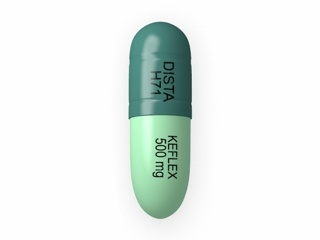
| Common forms | Capsules or tablets (form may vary by strength/pack) |
| Who may use it | Often adults and children, depending on infection type and dosing |
| Need to know | Effective only for bacterial infections; not for viruses like colds/flu |
How Keflex works (mechanism of action)
Keflex (cephalexin) is an antibiotic designed to target bacterial cell walls. It blocks the way bacteria create and cross-link their protective outer structure. Without a properly formed cell wall, bacteria cannot survive and multiply, allowing the infection to resolve.
Cephalexin primarily acts against a range of bacteria that are susceptible to first-generation cephalosporins. The exact suitability depends on the type of bacteria causing the infection.
Pharmacokinetics (how the body handles cephalexin)
Understanding pharmacokinetics can help explain timing and why it must be taken regularly. Key points are below (details can vary slightly between individuals).
- Absorption: Cephalexin is absorbed from the gut after you take a dose.
- Distribution: It reaches many tissues and body fluids, which supports its use in various infections.
- Metabolism: It is not extensively metabolised in the body.
- Elimination: It is cleared largely through the kidneys.
- Half-life: The dosing schedule is designed to keep effective levels at the infection site.
Because clearance depends on kidney function, people with reduced kidney function may need modified dosing or closer monitoring.
Typical uses and common indications in the UK
Keflex is used for susceptible bacterial infections. In practice, it may be considered for infections where the likely bacteria are expected to respond to cephalexin.
Examples of conditions it may be used for (depending on local guidance and individual assessment)
- Skin and soft tissue infections such as cellulitis (where appropriate)
- Dental infections when caused by susceptible bacteria
- Ear, nose or throat infections (certain cases may be managed with cephalexin)
- Urinary tract infections (UTIs) caused by susceptible organisms
- Respiratory tract infections in specific circumstances where bacteria are likely to be susceptible
Antibiotic choice should reflect the infection type, severity, allergy history (especially beta-lactam allergies), kidney function, and whether the infection is likely to be caused by bacteria sensitive to cephalexin.
How and when to take Keflex
Taking Keflex at the correct intervals helps maintain effective antibiotic levels in the body. Your prescriber’s instructions are the best guide for your situation.
Timing guidance (general)
- Follow the dosing schedule exactly (e.g., every 6 hours or 12 hours, depending on your regimen).
- Try to space doses evenly throughout the day.
- Keep taking it for the full course, even if you feel better earlier.
- If you miss a dose, take it when you remember unless it is almost time for the next dose. Do not double up.
Practical tips to help you remember
- Set reminders on your phone or medication alarm.
- Use a pill organiser labelled with the day and time.
- Link dosing to daily routines (breakfast, lunch, dinner, bedtime).
Food interactions and eating with Keflex
Many people can take cephalexin with or without food. Food may help reduce stomach upset for some individuals.
- Stomach comfort: If Keflex causes nausea or discomfort, taking it with a meal or snack may help.
- Consistency: Try to take it the same way each day (either with or without food), unless advised otherwise.
Always check the specific instructions provided with your particular Keflex presentation, as product details can differ by formulation and strength.
Alcohol and medicine interactions
Alcohol
There is usually no direct, specific interaction between cephalexin and alcohol. However, alcohol can worsen side effects such as dizziness, drowsiness, stomach upset, and can affect hydration—particularly if you are unwell.
For best recovery, consider avoiding alcohol while you are taking antibiotics and are fighting an infection.
Medicines that may interact with cephalexin
Tell your healthcare professional or pharmacist about all medicines you take, including non-prescription products and supplements. Important points include:
- Probenecid: May reduce the kidney clearance of cephalosporins, potentially increasing levels.
- Other medicines affecting kidneys: If you take medicines that influence kidney function, your clinician may monitor you more closely.
- Oral anticoagulants (e.g., warfarin): Antibiotics can sometimes affect gut bacteria and clotting control. If you are on warfarin, extra monitoring may be needed.
- Live bacterial vaccines: Cephalosporin treatment does not usually interfere with most vaccines, but it’s worth discussing vaccination timing if relevant.
This is not an exhaustive list. Interaction checks should include your exact medicines, doses, and kidney function.
Dosing information (what is typical)
Cephalexin dosing depends on factors such as the infection being treated, severity, age, weight (in children), kidney function, and local antimicrobial guidance. The exact regimen may differ between patients.
Common dosing patterns
- Adults: Dosing is often given in divided doses (for example, multiple times per day) to maintain effective levels.
- Children: Doses are commonly calculated using body weight and given in divided doses.
- Renal impairment: Doses may need adjustment if kidney function is reduced.
For your safety, use only the dose and frequency written on your medicine label. Do not change dosing without professional advice.
Missed dose advice (general)
- If you remember soon after the missed time, take it.
- If it is close to the time for the next dose, skip the missed dose.
- Do not take double the amount to make up for a missed dose.
Safety profile: side effects and when to get help
Most people tolerate cephalexin well. However, like all medicines, it can cause side effects. If you experience severe symptoms, stop the medicine and seek urgent medical advice.
Common side effects
- Diarrhoea, loose stools
- Nausea or mild stomach upset
- Vomiting
- Headache
- Skin rash (mild rashes can occur)
Serious side effects (seek urgent help)
- Allergic reaction signs such as swelling of the face/lips, wheezing, severe rash, or difficulty breathing.
- Severe or persistent diarrhoea, especially if watery, with blood, or with fever (possible antibiotic-associated colitis).
- Signs of liver problems such as yellowing of the skin/eyes, dark urine, or severe fatigue.
- Severe skin reactions such as blistering or peeling skin.
Who should take extra care
- People with a history of immediate-type allergy to cephalosporins, penicillins, or other beta-lactam antibiotics.
- People with kidney impairment (may need adjusted dosing).
- People who have previously developed antibiotic-associated bowel problems.
- Anyone taking multiple medicines that may affect kidneys or clotting.
Practical use tips for best results
- Complete the course: finishing the full duration helps prevent relapse and resistance.
- Do not use for viral illness: antibiotics do not treat colds or flu.
- Stay hydrated: especially if you have diarrhoea.
- Monitor symptoms: if your symptoms are not improving after a couple of days, seek advice.
- Consider probiotics cautiously: some people use probiotic-containing products to support gut health. If you wish to try this, ask your pharmacist about timing and suitability—especially in immunocompromised individuals.
- Avoid sharing: do not take someone else’s antibiotics.
Missed course or stopping early
Stopping early can lead to the infection returning or becoming harder to treat. If you develop side effects or feel worse, contact a healthcare professional rather than stopping on your own. They may advise whether to continue, adjust, or switch treatment.
Alternative options to Keflex (cephalexin)
Alternatives depend on the infection and the susceptibility of the bacteria, as well as allergies, pregnancy status, kidney function, and previous antibiotic exposure.
Possible antibiotic alternatives (examples)
- Other beta-lactams (depending on allergy history and organism susceptibility)
- Macrolides (in some throat/respiratory or skin infections)
- Clindamycin (for certain skin/soft tissue infections)
- Nitrofurantoin or trimethoprim (for selected urinary tract infections, depending on local resistance and suitability)
- Doxycycline (in certain infections where appropriate)
These are general examples; the best alternative is determined by clinical assessment and local guidance. If Keflex is not suitable (e.g., allergy or resistance), healthcare professionals may choose another treatment.
UK market and legal context (patient-friendly overview)
In the United Kingdom, antibiotics are regulated medicines. They must be used responsibly to reduce the risk of antibiotic resistance and to ensure they are prescribed for appropriate conditions.
UK antimicrobial stewardship encourages clinicians and patients to use antibiotics only when likely to help, to select the narrowest effective option, and to avoid unnecessary courses.
For online pharmacies, medicines are supplied in line with applicable UK regulations, including requirements around assessment and suitability where relevant. If you are unsure about eligibility, process, or delivery, contact the pharmacy’s customer support team.
Recent UK guidance (what it means for patients)
UK guidance on antibiotics commonly emphasises:
- Right antibiotic for the right infection—avoid antibiotics for viral illnesses.
- Appropriate duration—use the shortest effective course to reduce resistance risk.
- Consider local resistance patterns when selecting treatment.
- Review if not improving—if symptoms do not improve after a short time, reassessment is important.
If you have recurrent infections, treatment failure, or complications, a clinician may recommend tests (such as cultures) or a different antibiotic strategy.
Delivery and availability (UK online pharmacy information)
Availability of Keflex can vary by strength, pack size, and formulation. Most UK online pharmacies aim to provide reliable access to common antibiotic packs, but supply may be affected by market availability.
- Stock status: Check the product page for current availability.
- Dispatch: Orders are typically dispatched on working days when payment is confirmed.
- Delivery times: Delivery timelines depend on the chosen service level and courier network.
- Packaging: Medicines are delivered in appropriate packaging to protect tablets/capsules and maintain quality.
- Keeping the medicine: Store as directed on the label (commonly at room temperature, away from moisture and heat).
If your delivery is delayed or you received incorrect items, contact customer support promptly with your order details.
Storage and handling
- Store in the original packaging to protect from light/moisture.
- Keep out of sight and reach of children.
- Do not use after the expiry date on the pack.
- If tablets/capsules look damaged (e.g., cracked, discoloured), do not use—seek advice from the pharmacy.
FAQ about Keflex (cephalexin)
1) What is Keflex used for?
Keflex (cephalexin) is used to treat certain bacterial infections where the bacteria are susceptible to cephalexin. Your clinician decides whether it is suitable based on the infection and your medical history.
2) How long does it take to work?
Some people notice improvement within 24 to 48 hours. If there is no improvement after this time, or if symptoms worsen, seek medical advice.
3) Should I take Keflex with food?
It can often be taken with or without food. If it upsets your stomach, taking it with a meal or snack may help. Follow the instructions provided with your specific product.
4) Can I drink alcohol while taking Keflex?
There is usually no direct interaction, but alcohol may worsen side effects and slow recovery. For best results, consider avoiding alcohol during treatment.
5) What if I miss a dose?
Take it when you remember unless it is nearly time for the next dose. Do not take double to compensate. If you are unsure, ask your pharmacist for guidance.
6) What side effects are common?
Common side effects include diarrhoea, nausea, stomach upset, headache, and mild skin rash. Most are mild, but contact a healthcare professional if side effects are severe or persistent.
7) When should I seek urgent help?
Seek urgent medical attention if you have signs of a serious allergic reaction (such as breathing difficulty, facial swelling, or widespread hives) or if you develop severe/persistent diarrhoea (especially with blood) or severe skin reactions.
8) Can I stop Keflex once I feel better?
It is usually important to finish the full course as directed. Stopping early can allow infection to return and may increase the risk of resistance. If you are thinking of stopping due to side effects, contact a healthcare professional first.
9) Are there alternatives if I can’t take Keflex?
Yes. Depending on your infection and allergies, clinicians may choose other antibiotics or different treatments. Your pharmacist or prescriber can advise on suitable options.
10) Who should tell their pharmacist before taking Keflex?
People with a history of beta-lactam allergy, kidney problems, previous antibiotic-associated bowel disease, those taking anticoagulants (e.g., warfarin), and those taking multiple medicines should discuss suitability before starting.
Important patient reminder
Keflex is intended for bacterial infections and should be used responsibly. If you are unsure whether your illness is bacterial, or if you experience worsening symptoms, severe side effects, or lack of improvement, seek advice from a healthcare professional.