Macrobid (Nitrofurantoin monohydrate) — Patient Information (UK)
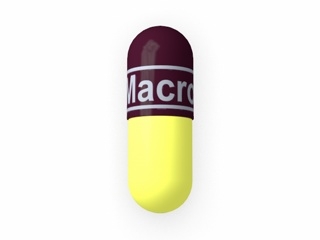
Macrobid is a brand of nitrofurantoin monohydrate, an antibiotic used mainly for certain uncomplicated urinary tract infections (UTIs). This page explains what Macrobid is, how it works, how to take it safely, and what to expect. It is written for people in the United Kingdom and includes practical guidance for safe use.
1. Basic product information
| Item | Information |
|---|---|
| Medicine name | Macrobid (nitrofurantoin monohydrate) |
| Medicinal form | Capsules (commonly 100 mg strength; please check your pack) |
| Who it’s for | Adults for suitable UTIs; use in children depends on guidance and clinician assessment |
| Common use | Uncomplicated cystitis (bladder infection) caused by susceptible bacteria |
| How it works | Nitrofurantoin damages bacterial DNA and other processes, leading to bacterial death |
| Where it acts best | Urine and bladder; not typically used for kidney infections |
Always check the leaflet inside your pack for the exact strength, dosing instructions and specific warnings relevant to your product.
2. How Macrobid works (mechanism of action)
Nitrofurantoin is an antibiotic that specifically targets bacteria commonly found in UTIs, such as strains of Escherichia coli. The medicine is converted inside bacterial cells into reactive compounds that interfere with key biological processes. This leads to damage to bacterial DNA and proteins and ultimately causes bacterial death.
Because nitrofurantoin acts through multiple damaging steps, resistance can develop more slowly than with some other antibiotic classes. However, bacterial susceptibility still varies, and local guidance may change depending on resistance patterns.
3. Pharmacokinetics (how the body handles it)
Understanding the way nitrofurantoin behaves in the body helps explain why it’s mainly used for bladder infections.
- Absorption: Nitrofurantoin is absorbed from the gut, with best tolerability when taken with food (see “Food interactions”).
- Distribution: It concentrates in the urinary tract. Concentrations in blood and tissues are generally lower than in urine.
- Elimination: The medicine is eliminated primarily by the kidneys and is excreted into the urine.
- Why this matters: If kidney function is reduced, less drug may reach the urine, and side-effect risk may increase.
If you have kidney problems or are unsure about kidney function, ask a healthcare professional or check your medication leaflet for guidance.
4. Typical use: what Macrobid is commonly used for
Macrobid is typically used to treat uncomplicated lower urinary tract infections, meaning infections affecting the bladder (cystitis). It is not intended for all types of UTIs.
Examples of common indications include:
- Symptoms consistent with acute uncomplicated cystitis (e.g., burning on urination, frequent urination, urgency, lower abdominal discomfort)
- UTIs when the likely bacteria are known or expected to be susceptible to nitrofurantoin
- Some cases of recurrent uncomplicated UTIs, depending on clinical evaluation and local guidance
If you have symptoms suggesting a more serious infection, such as fever, flank pain, or feeling very unwell, you may need a different assessment and treatment. Macrobid is generally not the first choice for kidney infections (pyelonephritis) or complicated UTIs.
5. When to take Macrobid (timing and duration)
Follow the dosing schedule provided on your pack or as advised by your healthcare professional. Nitrofurantoin dosing is usually spaced to maintain effective urinary levels.
General timing guidance:
- Take capsules at the same times each day.
- Space doses evenly (for example, morning and evening if prescribed twice daily).
- Continue the course for the full duration unless your clinician advises you to stop.
Many people start feeling better within 24–48 hours. If symptoms worsen, do not improve, or you develop new symptoms, seek medical advice promptly.
6. Food interactions (including taking with meals)
Food can affect how well nitrofurantoin is tolerated and absorbed. Taking Macrobid with food is commonly recommended to improve gastrointestinal comfort.
- Take with food: Taking the capsule with meals or shortly after eating may reduce nausea and stomach upset.
- Avoid missing meals: If you find you feel sick when taking antibiotics, taking with food often helps.
- Hydration: Drink plenty of fluids unless you have a medical reason to restrict fluids.
Food does not usually “cancel out” the antibiotic effect, but it can make a noticeable difference to how the medicine feels in your stomach.
7. Alcohol and medicine interactions
Alcohol
There is no universal rule that alcohol is strictly forbidden with nitrofurantoin, but it may increase the likelihood of side effects such as nausea, dizziness, or general stomach upset. To support recovery and reduce the risk of feeling unwell, it’s sensible to limit or avoid alcohol while you’re taking Macrobid—especially if you already feel nauseated.
Other medicine interactions
Interactions depend on what else you take. Always check your medicine leaflet and consider discussing medicines with a pharmacist if you are unsure. Key points to know include:
- Medicines that affect gut flora: Some antibiotics can affect digestion and how other drugs are handled. Macrobid has fewer major interactions than some other classes, but individual plans vary.
- Probenecid and similar drugs: Drugs that reduce the excretion of uric acid (such as probenecid) may reduce nitrofurantoin clearance and increase side-effect risk. Avoid combining unless advised.
- Antacids and stomach medicines: While nitrofurantoin’s absorption can be influenced by gut conditions, the main practical advice is to take with food and follow the leaflet. If you use antacids regularly, check guidance with a pharmacist.
- Warfarin/anticoagulants: Antibiotics can, in some situations, change bleeding risk by affecting gut bacteria and metabolism. If you take warfarin, you may need closer monitoring (for example, INR checks) during treatment.
Bring a list of your medicines (including herbal products and supplements) to your pharmacist for a quick interaction check.
8. Indications and suitability: who should (and shouldn’t) use Macrobid
Macrobid is intended for specific types of UTIs, mainly bladder infections caused by susceptible bacteria. Suitability depends on symptoms, medical history, and kidney function.
It may be suitable for you if:
- You have symptoms that fit uncomplicated cystitis.
- There is no indication of kidney involvement (for example, you do not have flank pain or high fever).
- Your healthcare professional determines nitrofurantoin is appropriate, including consideration of local resistance patterns.
It may not be suitable if:
- You have signs of complicated UTI (e.g., structural urinary problems, catheter-associated infections, or systemic illness).
- You suspect kidney infection or have significant systemic symptoms.
- You have significantly reduced kidney function (check the product leaflet for the specific thresholds/criteria).
- You have previously had serious allergic reactions to nitrofurantoin or similar medicines.
If you are pregnant, breastfeeding, or have complex health conditions, always check the advice in the leaflet and seek professional guidance where appropriate.
9. Dosing information (typical regimens)
Dosing depends on the age, kidney function, and type of UTI being treated, as well as the product strength. The leaflet inside your pack provides the exact regimen for your specific product.
Common adult regimens used for uncomplicated cystitis include:
- Twice daily dosing (often morning and evening) for a short course (commonly around 5 days), depending on local guidance and your clinical assessment.
- In some situations, dosing and duration may differ—particularly if the infection is recurrent or if another diagnosis is suspected.
Important: Do not use a different dose or longer duration than recommended. Using antibiotics unnecessarily can increase side effects and antibiotic resistance.
What to do if you miss a dose
- If you remember soon after, take it as soon as possible.
- If it’s nearly time for your next dose, skip the missed dose.
- Do not take a double dose to make up for a missed one.
10. Safety profile and side effects
Like all medicines, Macrobid can cause side effects. Many people experience none or only mild effects. Some reactions require urgent medical attention.
Common side effects
- Nausea
- Loss of appetite
- Headache
- Stomach discomfort
- Diarrhoea (usually mild)
Less common but important side effects
- Allergic reactions (rash, itching, swelling, breathing difficulties)
- Lung or breathing problems (new cough, shortness of breath, chest discomfort)
- Liver problems (yellowing of eyes/skin, dark urine, severe fatigue)
- Nerve-related symptoms (tingling, numbness, burning sensations)
Seek urgent help if you notice:
- Swelling of the face, lips, tongue, or throat
- Difficulty breathing or severe wheezing
- Severe, persistent diarrhoea, especially with blood or mucus
- Fever and feeling significantly worse
If you develop any concerning symptoms, stop and seek medical advice urgently. For allergic symptoms, use emergency services if breathing is affected.
Who needs extra caution
- Reduced kidney function: Because the medicine is eliminated by the kidneys, reduced clearance can raise risk.
- G6PD deficiency: Nitrofurantoin can be risky in some people with certain red blood cell conditions.
- Pregnancy and breastfeeding: Use may be appropriate in certain circumstances, but check leaflet and clinician advice.
- Longer courses: Some serious side effects are more likely with prolonged or repeated use. For uncomplicated UTIs, treatment is usually short.
11. Practical use tips (getting the best results)
- Take with food: This often improves stomach comfort.
- Hydrate: Drinking water helps flush the urinary tract.
- Don’t stop early: Even if you feel better, complete the course unless advised otherwise.
- Track symptoms: Note whether burning, urgency, and frequency improve. If not improving after 48 hours, get advice.
- Use pain relief if needed: Paracetamol or ibuprofen may be used for symptom relief if you can take them safely, but follow product guidance and avoid doubling up with combination cold/flu products.
- Avoid sharing antibiotics: UTIs differ, and using antibiotics incorrectly can worsen outcomes.
12. Alternative options for UTIs (discuss with a clinician/pharmacist)
Alternatives depend on the type of UTI, symptoms, kidney function, pregnancy status, and local resistance. Options sometimes include:
- Other antibiotics (e.g., trimethoprim, amoxicillin-clavulanate, or others depending on susceptibility and guidance)
- Different treatment strategies in complicated cases or when kidney infection is suspected
- Symptom relief measures (e.g., hydration, urinary alkalinising agents where appropriate, and pain control) alongside antibiotic treatment when indicated
If your infection is recurrent, clinicians may also discuss prevention strategies such as reviewing risk factors, hygiene practices, sexual triggers, or considering appropriate prophylaxis in selected cases.
13. Market and legal context in the United Kingdom
In the UK, antibiotic use is strongly governed by national antimicrobial stewardship guidance to reduce resistance and protect patient safety. Nitrofurantoin is widely used for uncomplicated UTIs when appropriate, but the choice of antibiotic may vary based on:
- Local bacterial resistance patterns
- Patient factors such as kidney function and allergy history
- Whether the infection is likely uncomplicated cystitis versus complicated infection
- Pregnancy status and other medical considerations
Public health advice in the UK encourages appropriate antibiotic selection and avoiding unnecessary antibiotics. The Summary of Product Characteristics (SmPC) and patient information leaflet provide key UK-specific safety and dosing details.
Recent guidance (high level)
UK antimicrobial guidance for UTIs emphasises:
- Using antibiotics only when likely bacterial infection is present
- Preferencing agents that are suitable for uncomplicated cystitis
- Reviewing symptoms and ensuring that if there is no improvement, the diagnosis and treatment plan may need reassessment
- Not using antibiotics for viral illnesses or non-infectious urinary symptoms
Local NHS trusts and national bodies may update recommended first-line choices over time. Your pharmacist can help explain how your specific product fits current practice.
14. Delivery and availability (UK online pharmacy)
Macrobid may be available from licensed UK pharmacies depending on stock levels and supply chain schedules. Availability can vary by strength, pack size, and regulatory controls.
For online orders, delivery timelines depend on the chosen delivery service and whether the item is available from local dispatch or requires sourcing. Typical options include:
- Standard delivery: usually several working days
- Express delivery: available from some pharmacies depending on location and stock
- Tracking: many services provide tracking updates
To help ensure you receive the medicine safely, check packaging and storage conditions on arrival. If anything looks unusual (damaged box, leaking capsules, missing batch information), contact the pharmacy promptly.
15. FAQ
How quickly should I feel better?
Many people begin to feel better within 24–48 hours. If you have no improvement after 48 hours, or if symptoms worsen (especially fever or back/flank pain), seek medical advice promptly.
Can I take Macrobid with food?
Yes—taking nitrofurantoin with food is usually recommended and often improves stomach comfort. Follow the instructions in your leaflet for best results.
Is Macrobid suitable for a kidney infection?
Macrobid is generally used for lower UTIs (bladder infections). Kidney infections usually need a different treatment approach. If you have flank pain or fever, get urgent medical advice.
What happens if I stop early?
Stopping early can lead to incomplete treatment, allowing the bacteria to persist and symptoms to return. Complete the course as directed unless you’re told to stop due to side effects or lack of response.
Does nitrofurantoin interact with warfarin?
It can, in some situations, affect bleeding risk. If you take warfarin or similar anticoagulants, consider closer monitoring and ask your pharmacist for specific advice.
Can I drink alcohol while taking Macrobid?
Alcohol may increase the chance of side effects like nausea or dizziness. It’s generally advisable to avoid or limit alcohol during treatment, especially if you feel unwell.
What should I do if I get side effects?
Mild stomach upset can sometimes be improved by taking the capsule with food and staying hydrated. However, if you have signs of an allergic reaction, breathing difficulties, severe rash, or symptoms suggesting liver or lung problems, seek urgent medical advice.
Who shouldn’t take nitrofurantoin?
People with certain medical conditions—particularly significantly reduced kidney function or specific red blood cell disorders—may be advised against nitrofurantoin. Check the patient leaflet and seek professional advice if you are unsure.
How should I store Macrobid?
Store in a cool, dry place and follow the storage instructions on the pack/leaflet. Keep out of the sight and reach of children.
Can Macrobid be used for recurring UTIs?
It may be used in some recurrent uncomplicated cases, but recurrence should be assessed to reduce repeated antibiotic exposure. Prevention strategies and culture/susceptibility may be considered by clinicians.
Disclaimer: This information is intended to help you understand Macrobid (nitrofurantoin monohydrate). It does not replace the product leaflet or personalised advice from healthcare professionals. If you have symptoms that may indicate a more serious condition, seek medical advice without delay.