Ampicillin (Acillin) — Patient-Friendly Guide (UK)
Ampicillin, sometimes recognised under the brand name Acillin, is an antibiotic medicine used to treat certain bacterial infections. This guide explains how ampicillin works, how it behaves in the body, when it’s typically taken, important interactions, and practical tips to help you use it safely and effectively in the United Kingdom.
Important: Antibiotics only work against bacteria, not viruses (such as colds and flu). Use this information to understand the medicine; always follow the directions given for your specific condition.
Basic product information
| Feature | Details |
|---|---|
| Generic name | Ampicillin |
| Brand example | Acillin |
| Medicine type | Beta-lactam antibiotic (penicillin group) |
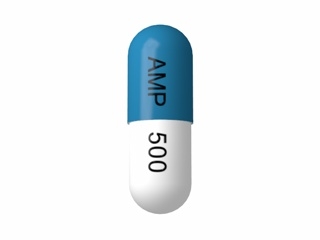
| How it’s given | Usually by mouth (tablets/capsules) or as an oral suspension; in some settings may be given by injection/infusion |
| Common strengths | Varies by formulation (your pack will list the exact strength) |
| Therapeutic purpose | Treat selected bacterial infections |
| Not for | Viral infections (e.g., flu, most sore throats caused by viruses) |
How ampicillin works (mechanism of action)
Ampicillin belongs to the penicillin family of antibiotics. It works by interfering with the way bacteria build and maintain their cell walls.
- Cell wall synthesis inhibition: Ampicillin blocks enzymes involved in constructing the bacterial cell wall.
- Result: Without a proper cell wall, susceptible bacteria weaken and die, or stop multiplying.
- Type: Beta-lactam antibiotics are generally bactericidal (they kill bacteria) for susceptible organisms.
Effectiveness depends on whether the infecting bacteria are susceptible to ampicillin. In many regions, resistance rates for some bacteria may be higher, so your clinician may choose amoxicillin or another antibiotic in preference if appropriate.
Pharmacokinetics (how the body handles ampicillin)
Pharmacokinetics describes absorption, distribution, metabolism, and elimination. While individual variation occurs, the typical pattern is:
- Absorption: Ampicillin can be absorbed after oral dosing, but absorption may vary with food and gut conditions.
- Distribution: It spreads into body tissues and fluids, including areas relevant to infection. Penetration can differ by site (for example, lung vs. urine vs. soft tissue).
- Metabolism: Ampicillin is only partly metabolised; much of it is eliminated unchanged.
- Elimination: The kidneys are the main route of excretion. This is why kidney function affects dosing and safety considerations.
- Half-life (general concept): The time needed for blood levels to decrease by half depends on kidney function and other factors.
If you have kidney impairment, you may require dose adjustments and closer monitoring.
Typical uses and indications (what it treats)
Ampicillin is used for certain bacterial infections where the likely organisms are susceptible and the clinical scenario supports its use. Common indications in clinical practice can include infections such as:
- Respiratory tract infections (where appropriate bacteria are susceptible)
- Urinary tract infections (UTIs) caused by susceptible organisms
- Ear, nose, and throat infections (selected cases)
- Skin and soft tissue infections due to susceptible bacteria
- Other susceptible bacterial infections as assessed by healthcare professionals
Note on suitability: The best antibiotic depends on the infection, severity, local resistance patterns, and your medical history (including allergies). Sometimes tests such as swabs or urine cultures help guide choice.
When to take ampicillin (timing and course length)
Timing is important for maintaining effective antibiotic levels.
- Follow your prescribed schedule exactly (for example, every 6 hours or every 8 hours depending on the regimen).
- Try to space doses evenly through the day and night to maintain steady levels.
- Complete the full course unless you’re advised to stop due to side effects or a change in treatment.
- Missed dose: Take it when you remember unless it’s nearly time for the next dose. Do not take double doses.
If symptoms start improving, it does not always mean the infection is fully cleared. Stopping early can increase the risk of relapse and may contribute to antibiotic resistance.
Dosing information (general guidance)
Dosing varies by infection type, severity, age, and kidney function. The exact dose should be taken from your medicine label and directions provided with your specific product.
Adults (general overview)
- Doses are commonly divided into multiple administrations per day.
- Total daily dosing may be adjusted depending on the infection and kidney function.
Children (general overview)
- Paediatric dosing is typically based on body weight.
- Formulation choice (e.g., suspension) allows accurate dosing.
Kidney impairment
- If you have reduced kidney function, dosing intervals may need adjustment.
- Discuss this with a healthcare professional to ensure safe use.
Do not self-adjust doses unless instructed by a clinician or pharmacist.
Food interactions and how to take ampicillin
Food can influence absorption for some oral antibiotics.
- General guidance: Many people can take ampicillin with food if it causes stomach upset.
- Follow your specific label instructions: Some products or regimens may have specific timing guidance (for example, whether to take with meals).
- Stay consistent: If you take it with food on some days and empty stomach on others, absorption could vary.
If you’re uncertain whether to take your particular formulation with or without food, ask your pharmacist. They can advise based on the exact brand and form you have.
Alcohol interactions
For most patients, ampicillin does not have a well-known direct interaction with alcohol in the same way as some other antibiotics. However, drinking alcohol may:
- Increase risk of side effects such as nausea, diarrhoea, dizziness, or headache.
- Worsen dehydration if you have vomiting or diarrhoea from the infection or medicine.
- Complicate recovery by affecting sleep and hydration.
Practical advice: If you choose to drink alcohol, keep it modest and avoid it if you’re experiencing significant stomach upset. If you develop severe diarrhoea or feel very unwell, stop alcohol and seek medical advice.
Medicine interactions (including important “check first” items)
Some medicines can affect how ampicillin works or increase side effects. Always tell your pharmacist or clinician about all medicines you’re taking, including over-the-counter products and herbal remedies.
Common interaction themes
- Allopurinol: May increase the likelihood of rash when combined with certain antibiotics.
- Probenecid: Can affect renal excretion of penicillins, potentially increasing levels.
- Oral anticoagulants (warfarin): Antibiotics can alter gut flora and may affect bleeding risk in some people. Monitoring (e.g., INR) may be needed.
- Oral contraceptives: Most guidance indicates additional contraceptive precautions are not routinely required with antibiotics other than specific exceptions; however, if you have vomiting/diarrhoea, contraceptive effectiveness may be reduced and barrier methods may be needed.
Specific “tell us first” situations
- History of allergy to penicillins, cephalosporins, or beta-lactam antibiotics.
- Previous severe skin reactions or serious medicine intolerance.
- Kidney disease or reduced urine output.
- Ongoing diarrhoea or history of antibiotic-associated colitis.
If you have a question about a particular medicine, share the name and dose with your healthcare professional or pharmacist.
Safety profile and side effects
Like all medicines, ampicillin can cause side effects. Many are mild and temporary, but some require urgent medical attention.
Common side effects
- Diarrhoea or loose stools
- Nausea or stomach discomfort
- Skin rash (sometimes mild; however, some rashes can be serious)
- Headache
Serious side effects — seek urgent help
- Allergic reaction (e.g., swelling of face/lips, breathing difficulty, widespread hives)
- Severe skin reactions (e.g., blistering, peeling skin, sores in the mouth)
- Severe or persistent diarrhoea especially if watery, with blood/mucus, fever, or abdominal pain (possible antibiotic-associated colitis)
- Jaundice or signs of liver problems (yellowing of skin/eyes, dark urine, severe fatigue)
If any of these occur, stop taking the medicine and seek urgent medical advice.
Who needs extra caution
- People with a history of penicillin allergy
- Those with kidney impairment
- People with a history of severe gastrointestinal reactions to antibiotics
- Those taking multiple medicines where interactions may matter
Practical tips for using ampicillin effectively
- Take at regular intervals: If your regimen is, for example, every 6 hours, set alarms to avoid missed doses.
- Hydration: Drink fluids normally (and more if you have mild diarrhoea), unless you’ve been told to restrict fluids.
- Manage diarrhoea carefully: Avoid anti-diarrhoeal medicines without advice if diarrhoea is severe or includes blood.
- Track improvement: Note symptom changes. Many bacterial infections start improving within 48–72 hours, but this depends on the condition and bacteria.
- Complete the course: Finishing reduces recurrence and resistance risk.
- Storage: Store according to the label (temperature and protection from moisture/heat can vary by formulation).
- Keep out of reach of children.
Contact a clinician if: symptoms worsen, fever persists, you develop unusual side effects, or there is no improvement within the expected timeframe.
Alternative options (when ampicillin may not be suitable)
Alternatives depend on the infection type, likely bacteria, allergy history, severity, pregnancy status, and local resistance.
Common alternative antibiotic choices
- Amoxicillin (another penicillin-type antibiotic; often preferred in many situations)
- Cephalosporins (used in selected cases, but choice depends on allergy type)
- Macrolides (e.g., for some respiratory infections when penicillins aren’t suitable)
- Tetracyclines (for certain bacterial infections depending on organism and site)
- Other targeted antibiotics if resistance or specific bacteria are suspected
Important: Antibiotic substitution should be decided by a healthcare professional, particularly if you have a penicillin allergy or a complicated infection.
Market and legal context for the UK
In the United Kingdom, antibiotics are regulated medicines and form part of antimicrobial stewardship efforts. This means that antibiotics are used appropriately to reduce harm to patients (from side effects or wrong choice) and to help limit antibiotic resistance in the wider community.
Key points relevant to customers:
- Supply and pharmacy regulations: Antibiotic medicines are provided in line with UK medicine supply and safety requirements.
- Information requirements: Pharmacies may need to verify eligibility, allergy history, and suitability before dispensing.
- Quality and authenticity: Purchasing from reputable sources helps ensure you receive a genuine product with correct labelling.
Guidance and prescribing behaviour can change based on emerging resistance trends, new evidence, and national antimicrobial recommendations.
Recent guidance and stewardship considerations
UK antimicrobial guidance emphasises:
- Using antibiotics only when needed and when bacterial infection is likely.
- Choosing narrow-spectrum options where appropriate and considering local resistance patterns.
- Avoiding unnecessary broad-spectrum use to reduce disruption of healthy gut bacteria.
- Reviewing treatment if symptoms don’t improve or if culture results identify resistance.
For specific infections, your clinician may recommend an alternative antibiotic over ampicillin due to resistance patterns or best practice. This doesn’t mean ampicillin is “bad”—rather, it may not be the most suitable option for the organism causing the infection.
Delivery and availability (UK)
Availability of ampicillin (Acillin) can vary depending on formulation (tablets/capsules vs suspension) and current supply conditions. Many online pharmacies in the UK aim to provide:
- Clear product listings: Exact strength, form, and pack size.
- Estimated delivery times: Based on stock and location.
- Cold chain information (if relevant): Not usually required for standard oral antibiotics, but always check product details.
- Packaging for safe transit: To protect against damage and moisture.
At dispatch, you should receive tracking details (where offered). If your medicine is temporarily unavailable, most reputable pharmacies will show an updated status and advise on alternatives.
Frequently Asked Questions (FAQ)
1) What is ampicillin used for?
Ampicillin is used to treat certain bacterial infections where the bacteria are susceptible. It’s not effective against viruses like colds and flu.
2) How soon will I feel better?
Many people notice improvement within 48–72 hours, depending on the infection. If you’re not improving or you feel worse, contact a clinician for review.
3) Should I take it with food?
Follow the label instructions for your specific product. If it upsets your stomach, taking it with food may help. Try to be consistent with how you take each dose.
4) What if I miss a dose?
Take it as soon as you remember, unless it’s nearly time for the next dose. Do not take double doses.
5) Can I drink alcohol while taking ampicillin?
There is usually no direct, specific interaction. However, alcohol may worsen side effects and dehydration. If you have stomach symptoms, it’s best to avoid alcohol and seek advice if symptoms are severe.
6) Is ampicillin safe if I have kidney problems?
You may need dose adjustments. Tell your healthcare professional or pharmacist if you have kidney impairment or reduced kidney function.
7) What should I do if I get a rash?
Mild rashes can occur, but some rashes may be serious allergic reactions. Stop taking the medicine and seek urgent medical advice if the rash is widespread, involves blistering/peeling, or is accompanied by breathing difficulty or facial swelling.
8) Can ampicillin cause diarrhoea?
Yes. Mild diarrhoea can happen. Seek urgent medical advice if diarrhoea is severe, persistent, or contains blood/mucus, or if you have fever and significant abdominal pain.
9) What medicines interact with ampicillin?
Interactions can include medicines such as probenecid, allopurinol, and anticoagulants like warfarin. Always provide your full medicine list to a pharmacist or clinician.
10) What are the alternatives if I can’t take ampicillin?
Alternatives depend on the infection and your allergy history. Options may include other penicillins (such as amoxicillin), cephalosporins, macrolides, or other targeted antibiotics. A clinician should decide the best choice.
When to seek urgent help
Contact urgent medical services or seek immediate care if you develop:
- Difficulty breathing, swelling of the face/lips, or widespread hives
- Severe skin reactions (blistering, peeling, sores in the mouth)
- Severe diarrhoea (especially with blood/mucus) or intense abdominal pain
- Yellowing of the skin/eyes, dark urine, or signs of liver problems
Final reminder: Use ampicillin only for bacterial infections where it is appropriate, take doses at the correct times, and seek advice promptly if you have severe side effects or your symptoms do not improve.