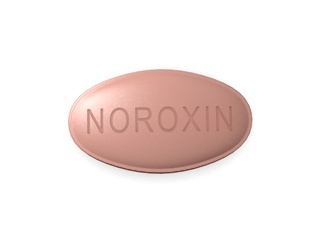
Noroxin (Norfloxacin) – Patient-Friendly Guide (United Kingdom)
Noroxin contains norfloxacin, a fluoroquinolone antibiotic used to treat certain bacterial infections, particularly of the urinary tract. This guide explains what the medicine is, how it works, typical uses and dosing patterns, interactions (including with food, alcohol and other medicines), safety considerations, practical tips, and relevant UK context. It also includes frequently asked questions to help you understand your treatment more clearly.
Important: Antibiotics must be used appropriately to help ensure they work effectively. Norfloxacin is intended for infections caused by susceptible bacteria and may not be suitable for every situation.
1) Basic product information
| Item | Details |
|---|---|
| Medicine name | Noroxin |
| Active ingredient | Norfloxacin |
| Drug class | Fluoroquinolone antibiotic |
| Main use (commonly) | Bacterial infections, especially certain urinary tract infections |
| How it’s taken | Oral (by mouth) |
| Typical form | Tablets (strengths may vary by country/stock) |
2) How Noroxin works (mechanism of action)
Norfloxacin is a fluoroquinolone antibiotic. It works by interfering with bacterial enzymes that are essential for DNA replication and repair. Specifically, it inhibits:
- DNA gyrase (topoisomerase II)
- Topoisomerase IV
By blocking these enzymes, norfloxacin prevents bacteria from multiplying, which helps the infection to clear. Like other antibiotics, it only works against bacteria—it will not treat viral infections such as colds or flu.
3) Pharmacokinetics (how the body handles norfloxacin)
“Pharmacokinetics” describes how a medicine is absorbed, distributed, metabolised and eliminated in the body. Key points for norfloxacin include:
- Absorption: Norfloxacin is absorbed after oral dosing. Absorption can be reduced by certain substances, including some minerals and food components (see “Food interactions” below).
- Distribution: It distributes into body tissues and fluids. It is particularly relevant to the urinary system, which is why it is often used for urinary tract infections when appropriate.
- Elimination: Norfloxacin is primarily eliminated via the kidneys. This makes kidney function an important factor when considering suitability and dosing.
- Effect of kidney function: Reduced renal function may increase norfloxacin levels in the body, which can raise the risk of side effects—dose adjustments or alternative therapies may be needed.
If you have kidney problems, always ensure your prescriber/pharmacist has this information, as it can affect whether norfloxacin is appropriate for you.
4) Typical uses and indications
Norfloxacin is used for bacterial infections where it is likely to be active against the causative organism. In everyday UK practice, norfloxacin has commonly been associated with certain urinary tract infections. Exact suitability depends on local guidance, bacterial resistance patterns, and patient factors.
Commonly targeted infection types
- Uncomplicated urinary tract infections (when appropriate for the individual and likely susceptible bacteria)
- Recurrent urinary infections in select cases, as part of a management plan
- Other susceptible bacterial infections may be considered depending on circumstances and sensitivity results (where available)
Your clinician may consider factors such as severity of symptoms, pregnancy/breastfeeding status, kidney function, allergies, previous antibiotic exposure, and recent urine culture results.
5) Timing: when and how to take Noroxin
The exact schedule depends on the intended course and your individual dosing plan. However, norfloxacin is often taken at set intervals during the day to maintain effective antibiotic levels.
General timing principles
- Follow the dosing schedule exactly (do not skip or double doses).
- Try to take doses at evenly spaced times to maintain consistent drug levels.
- Complete the full course even if you feel better, unless you are advised to stop.
If you miss a dose, take it when you remember unless it is close to the next scheduled dose. In that case, skip the missed dose and continue your regular schedule. If you’re unsure, ask a pharmacist.
6) Food interactions (what to avoid and why)
Certain foods and supplements can reduce absorption of fluoroquinolone antibiotics, leading to lower effectiveness. Norfloxacin is particularly affected by multivalent cations (minerals) that can bind to the antibiotic in the gut.
Common interacting items
- Antacids containing aluminium or magnesium
- Iron supplements
- Zinc supplements
- Calcium supplements (including some “high calcium” products)
- Sucralfate (used for some stomach/ulcer conditions)
Practical approach
- Take norfloxacin at a time that is separated from antacids/mineral supplements.
- A common safety practice is to separate doses by at least 2 hours before or 4–6 hours after mineral/antacid products, but you should follow the specific advice given for your prescription or medication plan.
- If you’re taking multiple medicines, ask a pharmacist to confirm the best spacing.
Food itself is sometimes tolerated, but taking norfloxacin with food may be preferable if it helps reduce nausea. However, always follow the directions given with your product and consult a pharmacist if you have a complex regimen.
7) Alcohol interactions and safety considerations
There is no “universal” rule that a small amount of alcohol will always be dangerous with norfloxacin, but alcohol can:
- Increase risk of side effects such as dizziness or nausea
- Make it harder to maintain hydration during an infection
- Worsen illness symptoms
Practical advice: It’s generally wise to avoid alcohol while you’re unwell and during the course of an antibiotic, or keep it to small amounts only if your clinician has not advised otherwise.
8) Medicine interactions (other drugs to consider)
Norfloxacin can interact with certain medicines due to absorption changes, effects on metabolism, or effects on the nervous system/heart rhythm. Always provide your pharmacist with a full list of medicines, including over-the-counter products and herbal supplements.
Notable interaction categories
- Antacids and mineral supplements (iron, zinc, calcium, magnesium, aluminium): reduce absorption.
- Warfarin or other anticoagulants: some fluoroquinolones can increase bleeding risk by affecting clotting. Monitoring may be needed.
- Antiarrhythmics and medicines that affect heart rhythm: fluoroquinolones can, in some people, affect the QT interval. Your pharmacist may check whether your other medicines carry similar risks.
- Corticosteroids (e.g., prednisolone): combining may increase tendon injury risk.
- Non-steroidal anti-inflammatory drugs (NSAIDs) or other medicines affecting the nervous system: may contribute to central nervous system side effects in susceptible individuals.
- Probenecid (gout medicine): may affect excretion and drug levels.
If you’re taking multiple long-term medications (for example, anticoagulants, heart medicines, or regular supplements), it’s especially important to get individual advice on spacing and compatibility.
9) Dosing: common adult approaches
Dosing is tailored to the infection type, severity, kidney function, and local antibiotic guidance. The information below provides typical adult dosing patterns for norfloxacin used in clinical practice, but your exact dose should match the instructions you were given.
Typical dosing patterns (adults)
- Common urinary infection regimens: often involve divided doses (e.g., twice daily) for several days.
- Recurrent infection plans: may involve different schedules depending on whether the aim is treatment or prevention.
- Kidney impairment: may require dose reduction or selection of an alternative antibiotic.
Because norfloxacin dosing schedules can vary by indication and product strength, it is best to follow the specific directions on the medicine pack or the dosing instructions provided by your healthcare professional.
10) Safety profile: side effects and when to seek help
Like all medicines, norfloxacin can cause side effects. Many people experience mild effects that settle as treatment finishes. However, some adverse reactions require urgent medical attention.
Common or mild side effects
- Nausea
- Stomach upset or abdominal discomfort
- Diarrhoea (mild)
- Headache
- Dizziness
- Changes in taste (sometimes)
Seek urgent medical advice if you develop
- Severe or persistent diarrhoea, especially if watery or with blood/mucus, or if associated with fever (could indicate antibiotic-associated colitis).
- Tendon pain, swelling or inflammation (particularly Achilles tendon pain). Stop treatment and seek medical advice promptly.
- Numbness, tingling, burning pain or other nerve symptoms.
- Severe allergic reaction symptoms, such as facial/lip swelling, breathing difficulties, widespread rash.
- Unusual bruising or bleeding (especially if you take anticoagulants).
- Palpitations, fainting, or severe dizziness (possible heart rhythm concerns).
- Signs of severe skin reactions such as blistering, peeling, or sores in the mouth/eyes.
Special caution groups
Fluoroquinolones have well-recognised safety concerns in certain populations. Extra caution is often needed if you have:
- History of tendon problems
- Use of oral corticosteroids
- Nervous system conditions or history of seizures
- Known heart rhythm problems or risk factors for QT prolongation
- Kidney impairment
- Myasthenia gravis
11) Practical use tips for best results
- Hydrate: Drinking fluids can help urinary discomfort and supports recovery.
- Take on schedule: Set reminders if you’re prone to missing doses.
- Separate interacting minerals: Avoid taking iron, zinc, calcium or antacids too close to each dose.
- Don’t share antibiotics: Use only for the condition they were selected for.
- Monitor symptoms: If symptoms worsen or do not improve after the expected timeframe, contact a clinician.
- Complete the course: Stopping early can allow infection to return and may contribute to resistance.
- Consider urine culture guidance: For recurrent infections, further testing may be recommended before further antibiotic use.
12) What to expect during treatment
Many urinary tract infections start to improve within a couple of days of effective antibiotics, but the timeline depends on: the bacteria involved, severity, hydration, and whether there are complications.
- Better symptoms such as reduced burning or urgency are expected gradually.
- Fever or flank pain may indicate a more serious infection and should be assessed urgently.
- If you develop new symptoms (for example, severe diarrhoea, rash, tendon pain or nerve symptoms), seek medical advice promptly.
13) Alternative options (depending on the infection)
Alternative antibiotics and non-antibiotic strategies may be considered based on the infection type, local resistance patterns, severity, and your medical history. For urinary tract symptoms, clinicians may consider options such as:
- Nitrofurantoin (often used for lower urinary tract infections in appropriate patients)
- Trimethoprim (where suitable based on resistance)
- Fosfomycin (for selected cases in some settings)
- Broader-spectrum antibiotics for complicated infections (as guided by local policy)
- Supportive care (pain relief, hydration, symptom management) alongside assessment
For recurrent or complicated infections, additional steps may include urine testing, evaluation for underlying causes, and lifestyle measures that may reduce future episodes.
14) UK market and legal/regulatory context (what it means for you)
In the United Kingdom, antibiotics are regulated medicines and are used in line with national and local antimicrobial stewardship (programmes designed to preserve antibiotic effectiveness and reduce resistance). Current practice encourages careful selection of antibiotics, ideally guided by symptoms, risk factors and (where appropriate) microbiology results.
Fluoroquinolones, including norfloxacin, have been subject to scrutiny due to potential risks. UK clinical practice typically balances benefits and harms and recommends use when benefits outweigh risks, particularly for uncomplicated infections where other options may be preferable.
“Recent guidance” overview (UK-focused)
UK antimicrobial guidance is regularly updated. While specific recommendations can vary by setting and patient group, the overall themes include:
- Use antibiotics only when needed and with the narrowest effective option.
- Consider resistance patterns when choosing empiric treatment.
- Review treatment if not improving within an expected timeframe.
- Be cautious with fluoroquinolones due to safety concerns and use them selectively.
Your healthcare professional will apply the latest UK guidance applicable to your situation.
15) Delivery and availability in the UK (online pharmacy)
Availability can vary depending on supply, pack size, and regional distribution. When ordering online, you should:
- Check product details such as strength and quantity (as these can differ between market supplies).
- Review delivery options and expected dispatch times.
- Ensure your address and contact details are correct to avoid delays.
- Store the medicine as directed on the outer packaging (typically at room temperature, away from moisture and direct sunlight).
Delivery timeframes in the UK depend on the courier and whether the stock is held locally or shipped from a distribution centre. If you need the medicine urgently, contact the pharmacy’s support team before placing an order.
16) If you stop taking Noroxin or need urgent help
Do not stop norfloxacin early without advice, even if you feel better. If you experience severe side effects, it may be safer to discontinue and seek urgent medical support.
In the UK, if you believe you’re experiencing a serious allergic reaction or severe adverse event, seek urgent help (such as calling 111 for urgent advice or 999 for life-threatening emergencies).
17) FAQ
Is Noroxin used for all urine infections?
Not always. Urinary symptoms can be caused by different issues, including bacteria, inflammation, or non-infectious causes. Treatment choice depends on symptoms, severity, and likely bacteria. Antibiotic selection may also depend on local resistance.
How quickly should I feel better?
Many people notice improvement within 24–48 hours after starting an effective antibiotic. If symptoms do not improve, worsen, or you develop fever/flank pain, seek medical advice promptly.
Can I take Noroxin with milk or yoghurt?
Dairy products are not the main issue for fluoroquinolones, but it’s important to avoid supplements that contain calcium taken at the same time. If you take calcium supplements or antacids, separate them by the recommended interval.
What should I do if I forget a dose?
Take it when you remember unless it’s almost time for the next dose. Do not take a double dose to make up for a missed one. If you’re unsure, ask a pharmacist for guidance.
Can I drive or operate machinery?
Some people experience dizziness or headache. If you feel unwell, dizzy or unusually tired, avoid driving or hazardous tasks until you know how the medicine affects you.
Does Noroxin interact with painkillers?
It can interact with some medicines, depending on what you’re taking. For example, NSAIDs can contribute to certain nervous system effects in some situations. If you use regular or frequent pain relief, tell your pharmacist so they can check compatibility.
Is alcohol completely forbidden?
Many antibiotics do not have a strict “absolute ban” with alcohol, but alcohol may worsen side effects and delay recovery. Keeping alcohol to a minimum during treatment is generally the safest approach—especially if you’re feeling unwell.
Who should use extra caution with norfloxacin?
Extra caution is commonly advised for people with kidney impairment, tendon disorders, history of nerve problems, seizure risk, or those taking corticosteroids or medicines that affect heart rhythm.
Are there alternatives to fluoroquinolones?
Yes. Depending on the infection and your personal circumstances, clinicians may choose other antibiotics such as nitrofurantoin or trimethoprim (or different options for complicated infections). The best choice depends on the likely bacteria and susceptibility patterns.
What if my symptoms return after finishing the course?
Return of symptoms can happen for several reasons, including resistant bacteria or an underlying cause. If symptoms come back, contact a clinician for reassessment rather than immediately restarting antibiotics.
Summary
Noroxin (norfloxacin) is a fluoroquinolone antibiotic used for selected bacterial infections, particularly certain urinary tract infections. It works by blocking key bacterial enzymes needed for DNA replication. To get the best outcomes, take it at the correct times, separate doses from mineral supplements/antacids, and watch for side effects—especially severe diarrhoea, allergic reactions, tendon pain, or nerve symptoms. UK prescribing practices emphasise appropriate antibiotic choice and caution with fluoroquinolones.