

Clindamycin (Clindamycin hydrochloride) – Patient-Friendly Guide (UK)
Clindamycin is an antibiotic used to treat certain bacterial infections. It can be available in different forms depending on the condition, including capsules, tablets, and sometimes solutions or topical forms through specialised products. This page explains how clindamycin works, when it is used, what to expect, and important safety information for patients in the United Kingdom.
Always follow the instructions given by your healthcare professional and the information leaflet provided with your medicine. The details below are intended to help you understand clindamycin and use it more safely.
At a Glance
- Medicine: Clindamycin
- Type: Antibiotic (lincosamide)
- Common uses: Some skin, dental, throat and other infections caused by susceptible bacteria
- How it works: Stops bacteria from making proteins needed to survive and multiply
- Key safety points: Risk of Clostridioides difficile-associated diarrhoea (sometimes severe)
- How to take: Usually at regular intervals; specific timing depends on the prescribed regimen
Basic Product Information
| Feature | What to know |
|---|---|
| Generic name | Clindamycin (commonly as clindamycin hydrochloride) |
| Medicine class | Antibiotic; lincosamide |
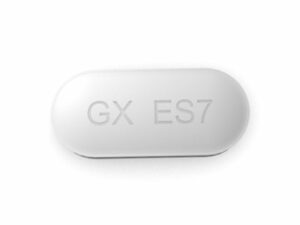
| Forms | Capsules/tablets and other formulations may be available depending on brand and country/regulation |
| Target conditions | Bacterial infections where clindamycin is appropriate based on likely organisms and local guidance |
| Typical course | Duration varies by infection; complete the course as directed |
How Clindamycin Works (Mechanism of Action)
Clindamycin works by inhibiting bacterial protein synthesis. It binds to the 50S ribosomal subunit of susceptible bacteria, blocking the formation of proteins required for growth and survival. Depending on the organism and concentration, clindamycin may act in a bacteriostatic manner (stopping growth) rather than directly killing the bacteria.
Clindamycin is most useful against bacteria where it is known to be effective, and resistance patterns can influence whether it is a good choice.
Pharmacokinetics (Absorption, Distribution, Metabolism and Excretion)
“Pharmacokinetics” describes what the body does to a medicine: how it is absorbed, how it moves through the body, how it is broken down, and how it leaves. Key points for clindamycin include:
- Absorption: Clindamycin is generally well absorbed after oral administration. Consistent dosing helps maintain effective levels.
- Distribution: It distributes into many tissues, which is one reason it can be used for infections beyond the skin. Penetration into infected areas can be clinically important.
- Metabolism: Clindamycin is metabolised in the body (primarily by the liver).
- Excretion: Metabolites and drug residues are eliminated mainly through the kidneys and bile/faecal route depending on the specific metabolic pathways.
- Variability: Drug handling can vary between individuals, especially if liver or kidney function is reduced.
Your prescriber may adjust the regimen based on age, severity of infection, liver function, and other medicines you use.
Typical Use in the UK (Indications)
In UK clinical practice, clindamycin may be used for susceptible bacterial infections, such as:
- Dental infections and some odontogenic infections
- Skin and soft tissue infections (for appropriate organisms)
- Bone and joint infections in selected cases where appropriate
- Respiratory tract infections where bacterial susceptibility suggests benefit
- Some severe infections where clindamycin is considered effective and suitable
- Alternative treatment when other antibiotics are unsuitable (e.g., for certain allergy situations), guided by local policies
Clindamycin is not effective against viruses such as the common cold or influenza. Using antibiotics appropriately helps reduce side effects and antibiotic resistance.
Timing: When to Take Clindamycin
The exact dosing schedule depends on the dose and formulation you receive and the infection being treated. In general, antibiotics work best when taken at evenly spaced intervals.
- Try to take each dose at the same times every day.
- If you miss a dose: take it when you remember unless it is close to the next dose—then skip the missed dose. Do not take a double dose.
- Finish the full course: even if you feel better, stop only when your course is complete or your clinician advises stopping.
If you are unsure about the timing for your specific regimen, check the label directions or speak to a pharmacist.
Food Interactions (Can You Take It With Meals?)
Clindamycin can often be taken with or without food, but your product’s instructions may differ slightly by formulation. Some patients find taking it with food helps reduce stomach upset.
- If your stomach is sensitive: taking with a meal or after food may help.
- Consistency helps: once you choose a pattern (with or without food), stick with it unless advised otherwise.
For your specific product, refer to the patient information leaflet included with your medicine.
Alcohol and Medicine Interactions
Alcohol
There is no universal “always avoid” rule for alcohol with clindamycin, but it is wise to be cautious. Alcohol can:
- Worsen nausea, dizziness, or stomach discomfort
- Make it harder to maintain hydration if you are unwell
- Contribute to liver stress when combined with other medicines or in people with liver problems
As a practical approach, consider limiting alcohol during your course, especially if you have side effects or if the infection is making you feel unwell.
Interactions with other medicines
Clindamycin can interact with other medicines in a few important ways. Tell your pharmacist or clinician about all medicines and supplements you take, including:
- Other antibiotics: can sometimes increase side-effect risks or affect effectiveness depending on the combination.
- Medicines affecting the gut: any treatment that may alter gut flora could influence diarrhoea risk.
- Anticoagulants (blood thinners): although not the most typical issue, any change in health or diet can affect clotting control. Monitoring may be needed with certain anticoagulants.
- Neuromuscular blocking agents: in hospital settings, antibiotic choices may matter for neuromuscular function. This is usually relevant only in specialist care.
- Liver-active medicines: if you have liver impairment, your clinician may choose safer alternatives or monitor more closely.
Always check the product leaflet and/or ask a pharmacist for guidance based on your personal medicine list.
Dosing (How Much and How Often?)
Do not change your dose yourself. The appropriate dose depends on the infection type, severity, age, and sometimes kidney or liver function, as well as local prescribing guidance.
Below is general information to help you understand what dosing may look like. For exact dosing, follow your label instructions.
- Adults: commonly prescribed regimens may range from 150 mg to 450 mg per dose, taken multiple times daily (for example, three or four times daily), depending on infection severity and the product used.
- Children: dosing is usually based on weight and clinical factors.
- Elderly: dosing may be similar but may require extra caution if there is frailty or impaired liver function.
Your healthcare team will set a schedule designed to maintain effective antibiotic levels. If you have questions about your particular prescription, ask a pharmacist.
Safety Profile and Important Warnings
Common side effects
Many people tolerate clindamycin well, but side effects can occur. Commonly reported effects include:
- Nausea
- Diarrhoea
- Abdominal pain or cramps
- Skin rash
- Headache
Serious warning: Clostridioides difficile (C. diff)
One of the most important risks with clindamycin is C. difficile–associated diarrhoea. This can range from mild to life-threatening colitis.
Seek urgent medical advice if you experience:
- Severe or persistent diarrhoea
- Blood or mucus in stools
- Fever and abdominal tenderness
- Dehydration (e.g., dizziness, dry mouth, reduced urination)
If you develop significant diarrhoea during treatment (or even within several weeks after finishing), contact a healthcare professional promptly. Do not try to “treat over” suspected antibiotic-associated diarrhoea without medical advice.
Allergic reactions
Stop clindamycin and get urgent help if you have signs of an allergic reaction, such as:
- Swelling of the face, lips, throat or tongue
- Difficulty breathing
- Severe rash, blistering, or widespread skin peeling
Liver and blood-related effects (less common)
Clindamycin can, rarely, be associated with changes in liver function or blood cell counts. Contact your clinician if you notice:
- Yellowing of the skin/eyes (jaundice)
- Unusual bruising or bleeding
- Severe weakness or infections that don’t improve
When to be extra cautious
- If you have a history of antibiotic-associated diarrhoea or C. difficile
- If you have liver disease
- If you take multiple medicines that affect the gut or immune system
- If you are pregnant, breastfeeding, or treating a child—seek individual guidance
Practical Use Tips (Getting the Best from Treatment)
- Keep to the schedule: set phone reminders for each dose.
- Stay hydrated: especially if you experience loose stools.
- Take with food if it upsets your stomach: many patients find this helps.
- Do not share antibiotics: using the wrong medicine can delay appropriate care.
- Complete the course: even if symptoms improve quickly.
- Track symptoms: note any rash, diarrhoea, or worsening symptoms and contact your clinician if concerned.
- Respect storage instructions: keep medicines in their original packaging and store at recommended temperatures.
If you have a sensitive stomach or have had diarrhoea with antibiotics in the past, discuss this with a healthcare professional before starting.
What to Do If You Miss a Dose
- Take it as soon as you remember if it’s not near the next dose.
- Skip the missed dose if the next dose is due soon.
- Do not take two doses together to make up for a missed one.
- If you miss multiple doses, ask a pharmacist for advice.
Alternative Options (Depending on the Infection)
Alternatives to clindamycin depend on the type of infection, suspected bacteria, allergy history, resistance patterns, and national/local guidelines. Your clinician may consider other antibiotics such as:
- Penicillins (for certain infections and when appropriate)
- Cephalosporins (in selected cases)
- Macrolides (e.g., for some respiratory/dental infections)
- Other lincosamides or options based on susceptibility and local practice
If you have a history of antibiotic allergy or severe side effects, share this early—so an appropriate option can be selected.
Market and Legal Context in the United Kingdom
In the UK, antibiotic prescribing and supply are governed by medicines regulations and professional standards designed to promote safe and effective use. Antibiotics are commonly used only when the likely cause is bacterial and an appropriate choice has been made based on clinical assessment and guidance.
- Responsible antibiotic use: UK practice focuses on selecting antibiotics that match the likely bacteria and minimising unnecessary exposure.
- Antimicrobial stewardship: NHS and public health initiatives support appropriate prescribing to reduce resistance.
- Safety requirements: medicines must be supplied in line with UK regulatory rules and product information.
If you are ordering online, ensure the product matches what was recommended for you and that you review the patient leaflet carefully.
Recent Guidance (Antibiotic Stewardship in the UK)
UK antibiotic guidance continues to emphasise:
- Using antibiotics only when needed (avoid treating viral illnesses).
- Choosing the narrowest appropriate option where possible.
- Reviewing treatment if symptoms don’t improve as expected.
- Monitoring for adverse effects, especially diarrhoea suggesting C. difficile.
Guidance may vary by condition and setting (e.g., primary care vs. hospital), and your clinician may tailor decisions based on local resistance patterns.
Delivery and Availability (Online Pharmacy Considerations)
Availability can vary by brand, formulation, and stock levels. When ordering online in the UK, reputable pharmacies typically offer:
- Clear product information (strength, form, quantity, and expiry date where shown)
- Secure delivery to UK addresses
- Packaging designed for safe transit
- Customer support if you have questions about the product or your order
Delivery times depend on location and pharmacy dispatch schedules. Check the estimated delivery window shown during checkout.
Clindamycin FAQ
1) What is clindamycin used for?
Clindamycin is used to treat bacterial infections where it is likely to be effective. Common examples include certain dental infections and skin/soft tissue infections caused by susceptible bacteria.
2) How long does it take to start working?
Many people begin to notice improvement within 24–48 hours, but this can vary by infection type and severity. If you feel significantly worse or no improvement occurs, contact a healthcare professional.
3) Can I take clindamycin with food?
Often yes—many patients can take it with or without food. If your stomach feels unsettled, taking it with meals may help. Always follow the instructions in your leaflet and on your label.
4) What should I do if I get diarrhoea?
Mild diarrhoea can occur with antibiotics, but seek urgent medical advice if diarrhoea is severe, persistent, or includes blood/mucus, or if you develop fever or significant abdominal pain. This can be a sign of C. difficile infection.
5) Is it safe to drink alcohol while taking clindamycin?
Alcohol is not automatically forbidden, but it may worsen stomach upset and dehydration and may add extra strain during illness. If you choose to drink, do so cautiously and consider avoiding alcohol if you experience side effects.
6) Can clindamycin interact with other medicines?
Yes, interactions are possible. Tell your pharmacist about all medicines and supplements you take—especially other antibiotics, medicines for stomach conditions, and any blood-thinning medicines.
7) What if I miss a dose?
Take it when you remember if it’s not too close to your next dose. Otherwise, skip the missed dose. Don’t take a double dose.
8) Who should be extra careful with clindamycin?
People with a history of C. difficile diarrhoea, those with liver problems, and those who are very unwell should use clindamycin with extra caution and prompt medical advice if symptoms change.
9) Are probiotics helpful?
Some patients consider probiotics to reduce antibiotic-associated diarrhoea risk. Evidence varies by product and situation. If you want to use probiotics, ask a pharmacist, particularly if you have serious illness or immune problems.
10) What if my symptoms get worse during treatment?
Worsening symptoms can mean the infection is not responding or that another issue is present. Contact your healthcare professional promptly—especially if you develop high fever, severe pain, breathing difficulty, or dehydration.
Important: This information is for general guidance and does not replace medical advice. If you are concerned about side effects or the infection is not improving, contact a healthcare professional.