Cleocin (Clindamycin) – Patient Information Guide (UK)
Cleocin is a brand name for clindamycin, an antibiotic medicine used to treat certain bacterial infections. This guide is designed to help you understand how clindamycin works, what it’s used for, how it’s taken, and what to watch for. Always follow the instructions given to you by your healthcare professional and read the patient information leaflet supplied with your medicine.
1) Basic Product Information
- Medicine: Cleocin
- Generic name: Clindamycin
- Type: Antibiotic (lincosamide)
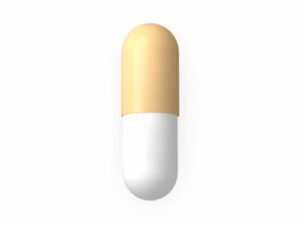
- Common formulations: capsules and other forms depending on product availability (brands/strengths may vary)
- Where it’s used: Treats infections caused by susceptible bacteria
In the UK, the exact presentation (capsule, solution, etc.), strength, and dosing schedule can vary depending on the infection and patient factors. Your pharmacist or healthcare team can help confirm the correct product and dosing for your situation.
2) How Cleocin Works (Mechanism of Action)
Clindamycin works by inhibiting bacterial protein synthesis. It binds to the 50S ribosomal subunit, which stops bacteria from making essential proteins they need to grow and multiply. Depending on the bacteria and concentration, clindamycin may be bacteriostatic (slows growth) or bactericidal (kills) for certain organisms.
Clindamycin is particularly effective against many anaerobic bacteria and certain Gram-positive organisms, and it may also be used for infections where susceptibility testing indicates it is appropriate.
3) Pharmacokinetics (Absorption, Distribution, Metabolism, Elimination)
Pharmacokinetics describes what the body does to a medicine (and how the medicine behaves in the body). Key points for clindamycin include:
- Absorption: Clindamycin is absorbed through the gastrointestinal tract. The extent and speed of absorption can be influenced by food.
- Distribution: It distributes into many tissues, including sites affected by infection.
- Metabolism: It is metabolised in the liver.
- Excretion: Metabolites are eliminated primarily via the kidneys and faeces (exact proportions may vary).
- Clinical implication: Taking doses as prescribed helps maintain effective antibiotic levels during treatment.
If you have liver or kidney problems, your prescriber may choose a specific dosing strategy and may monitor you more closely.
4) What Cleocin Is Used For (Typical Use & Indications)
Cleocin is used to treat infections caused by susceptible bacteria. It is commonly considered for infections where clindamycin is likely to be effective, such as certain anaerobic infections.
Common infection areas may include:
- Skin and soft tissue infections (depending on local guidance and organism susceptibility)
- Dental infections or other oral infections
- Infections involving anaerobic bacteria (e.g., some intra-abdominal or deep-seated infections, where appropriate)
- Bone and joint infections in selected situations
- Other serious bacterial infections when clindamycin is appropriate based on clinical judgement
The precise indication depends on your diagnosis, the suspected organism(s), and susceptibility results where available. Antibiotics should not be used to treat viral infections such as colds or flu.
5) Timing: When to Take Cleocin
The dosing schedule for clindamycin depends on your prescribed regimen. Common schedules are taken multiple times a day to keep antibiotic levels steady.
- Try to space doses evenly across the day (for example, morning, afternoon, and evening if three times daily).
- Keep taking it for the full course, even if you feel better.
- If you miss a dose: Take it when you remember unless it is close to your next dose. Do not take a double dose to make up for a missed one.
If you are unsure about your timing, check your label instructions or ask your pharmacist.
6) Food Interactions (Can You Take Cleocin With Meals?)
Food can influence how clindamycin is absorbed for some formulations. As a general patient-friendly approach:
- Follow your specific product label instructions.
- If you experience stomach upset: taking the dose with food may help (unless your leaflet instructs otherwise).
- Consistency helps: taking doses at similar times each day with the same general relation to meals can improve tolerability.
Your pharmacy or the patient information leaflet can provide guidance specific to your formulation.
7) Alcohol and Medicine Interactions
Alcohol
There is not typically a “disulfiram-like” reaction with clindamycin, but alcohol is generally not recommended during antibiotic treatment. Alcohol can worsen side effects such as nausea or diarrhoea and may interfere with recovery.
- Best practice: limit or avoid alcohol while taking clindamycin.
Other medicines (important interactions)
Many medicine interactions depend on your exact regimen and health conditions. Tell your healthcare professional about all medicines you take, including: prescription medicines, over-the-counter products, herbal remedies, and supplements.
Potential interaction considerations include:
- Antidiarrhoeal medicines: Avoid using anti-diarrhoea products unless advised, especially if you develop significant diarrhoea.
- Medicines affecting stomach acidity or digestion: These may affect absorption for some antibiotics, though clindamycin is usually taken in a way that still achieves effective levels. Follow the leaflet guidance.
- Neuromuscular blocking agents: Antibiotics in this class can theoretically interact with neuromuscular transmission (this is mainly relevant in hospital settings).
- Warfarin (and other vitamin K antagonists): Some antibiotics can affect bleeding risk by altering gut flora. If you take warfarin, you may need closer monitoring.
- Other antibiotics: Do not switch or combine antibiotics without medical advice.
If you would like, you can provide your current medication list and your clindamycin formulation (capsule/solution and strength), and a pharmacist can help identify likely interaction concerns.
8) Dosing: How Much Cleocin Do People Typically Take?
Dosing varies with the infection type, severity, age, weight (especially in children), and kidney/liver function. Below is general information to help you understand common dosing patterns. It does not replace your prescribed dose.
| Patient group | Typical dosing approach (general information) | Notes |
|---|---|---|
| Adults | Often taken multiple times daily (commonly 3 or 4 doses per day depending on indication) | Dose range and duration are determined by the infection and local guidance. |
| Older adults | Similar approach to adults unless frailty, organ function changes, or side effects require adjustment | Closer monitoring may be needed. |
| Children | Usually based on body weight and infection type | Specific strength/formulation is important for accurate dosing. |
Duration of treatment: Many antibiotic courses are typically 5–14 days depending on diagnosis and response. A clinician will select the duration to reduce the risk of relapse and antibiotic resistance.
How to take capsules/tablets:
- Swallow with water.
- Do not crush or open capsules unless instructed by your pharmacist or leaflet (some formulations are not designed for this).
- If you miss a dose, do not double up.
If you have been given a “once-daily” or other special schedule, follow that carefully—different formulations can have different regimens.
9) Safety Profile: What to Expect and When to Seek Help
Like all medicines, clindamycin can cause side effects. Many are mild and improve during treatment, but some require urgent action. The most important safety concern with clindamycin is an increased risk of Clostridioides difficile–associated diarrhoea.
Common side effects
- Diarrhoea
- Nausea, vomiting, or abdominal discomfort
- Indigestion or stomach upset
- Headache
Serious side effects (seek urgent medical advice)
- Severe or persistent diarrhoea, especially if watery, bloody, or accompanied by fever or stomach cramps. This can indicate C. difficile infection.
- Signs of allergy such as swelling of the face/lips, wheezing, severe rash, or difficulty breathing.
- Severe skin reactions (for example, blistering rash) or widespread rash with fever.
- Unexplained bruising or bleeding, extreme tiredness, or signs of liver problems (e.g., yellowing of skin/eyes, dark urine).
Why diarrhoea matters with clindamycin
Antibiotics can disrupt the balance of bacteria in the gut. With clindamycin, the risk of C. difficile diarrhoea is higher than with some other antibiotics. If you develop diarrhoea during treatment or in the weeks after finishing, contact a healthcare professional promptly.
Pregnancy and breastfeeding (general information)
If you are pregnant, trying to conceive, or breastfeeding, discuss clindamycin with your healthcare professional. They will weigh the benefits for your specific infection against potential risks.
10) Practical Use Tips (How to Get the Best Outcomes)
- Start on time: begin your course when directed, and keep to the schedule.
- Complete the course: stopping early can allow infection to return and increase resistance.
- Hydrate: if you experience mild diarrhoea, drink fluids and monitor your symptoms.
- Do not share antibiotics: different infections need different treatments.
- Be alert to side effects: especially diarrhoea, rash, or allergy symptoms.
- Save the leaflet: keep your patient information sheet for reference.
What to do if you miss a dose
Take the missed dose when you remember unless it’s almost time for the next dose. If you are unsure, ask your pharmacist. Taking extra doses can increase side effects without improving outcomes.
11) Alternatives to Cleocin (Other Options)
“Alternative” depends on the infection, suspected bacteria, your medical history, and allergy status. In the UK, clinicians choose antibiotics based on local resistance patterns and national guidance.
Possible alternative antibiotics (examples):
- For some anaerobic/skin-related infections: medicines such as metronidazole may be combined or used depending on diagnosis.
- For certain dental or respiratory infections: options may include penicillins (where suitable), macrolides, or other antibiotics guided by susceptibility.
- If clindamycin is not appropriate: susceptibility testing or clinical judgement may lead to a different agent.
If you have had side effects to clindamycin before, mention this to your prescriber and pharmacist. Options may also differ if you have allergies to related antibiotics.
12) Market and Legal Context in the UK
In the United Kingdom, antibiotics are regulated medicines. Antibiotic use is also influenced by public health initiatives to reduce antimicrobial resistance. Medicines such as clindamycin are used for appropriate bacterial infections and are not intended for viral illnesses.
Key UK themes include:
- Antimicrobial stewardship: ensuring antibiotics are used only when needed and for the right duration.
- Guidelines and resistance patterns: UK recommendations may be updated based on emerging evidence and local susceptibility data.
- Pharmacy oversight: pharmacists help ensure correct use, dose accuracy, and safety screening (including interactions).
Availability of specific pack sizes and formulations can vary by supplier and region.
13) Recent Guidance and Ongoing Safety Messaging
Guidance around antibiotics commonly emphasises:
- Correct diagnosis: avoid antibiotics for conditions likely caused by viruses.
- Risk awareness: recognition of antibiotic-associated diarrhoea and signs of C. difficile.
- Appropriate duration: avoid unnecessary prolonged courses.
- Review and reassessment: if symptoms do not improve, clinicians may reassess diagnosis, adherence, and culture/susceptibility results where appropriate.
If you experience worsening symptoms, severe side effects, or no improvement within the expected timeframe, contact your healthcare professional.
14) Delivery and Availability (UK Online Pharmacy Information)
Cleocin (clindamycin) availability online can depend on stock levels, formulation type, and strength. Many pharmacies offer:
- Standard delivery and/or tracked delivery options
- Secure packaging to protect medicines during transit
- Order processing times that may vary on weekends and public holidays
Delivery times vary by location and supplier. For the most accurate timeframe, check the estimated delivery option shown at checkout. If you need the medicine urgently, contact the pharmacy to confirm dispatch times.
Storage: store medicines according to the label—typically at room temperature, away from moisture and direct heat. Keep out of sight and reach of children.
15) FAQ – Frequently Asked Questions
How quickly does clindamycin work?
Many people begin to notice improvement within 24–48 hours. However, some infections take longer to respond, and complete resolution may require the full course. If you don’t feel better after a reasonable period (often within a couple of days for many mild-to-moderate infections), seek medical advice.
What should I do if I get diarrhoea while taking Cleocin?
Mild stomach upset can occur, but seek medical advice promptly if diarrhoea is severe, watery, bloody, or accompanied by fever or significant abdominal pain. Do not try to “treat through” significant diarrhoea without advice.
Can I take Cleocin with meals?
Many people tolerate clindamycin better with food if it causes stomach upset. Follow the instructions in your specific patient leaflet or the directions on your label. Consistency with meals can help improve tolerability.
Is it safe to drink alcohol during treatment?
It’s generally recommended to avoid alcohol during antibiotic therapy to reduce the risk of worsening side effects such as nausea or diarrhoea. If you choose to drink, keep it minimal and stop if you feel unwell.
What if I miss a dose?
Take it when you remember unless it is close to the next dose. If it’s nearly time for the next one, skip the missed dose. Do not take double the amount to catch up.
Can I take antacids or other stomach remedies?
Some products can affect absorption of medicines. Check with your pharmacist to confirm whether your specific antacid or stomach remedy is compatible with clindamycin. Always read labels for timing and interaction warnings.
Are there reasons clindamycin may not be suitable for me?
Clindamycin may not be suitable if you have had a previous allergic reaction to clindamycin or related antibiotics, or if you have a history of C. difficile diarrhoea linked to antibiotics. Your clinician will assess risks and benefits for your situation.
What symptoms mean I should stop and get urgent help?
Get urgent medical advice if you develop:
- Severe allergic reaction signs (swelling, wheezing, difficulty breathing)
- Severe rash or blistering skin reactions
- Severe diarrhoea (especially with blood), fever, or severe abdominal pain
What are the risks of taking antibiotics when they’re not needed?
Unnecessary antibiotic use can contribute to antibiotic resistance and increases the risk of side effects, including antibiotic-associated diarrhoea. Antibiotics should be used only when prescribed for bacterial infections.
Can Cleocin be used for infections like colds or flu?
No. Colds and flu are usually caused by viruses, and antibiotics like clindamycin do not work against viruses. If symptoms persist or worsen, seek medical advice.
Important Reminder
This page provides patient-friendly general information about Cleocin (clindamycin). It does not replace professional medical advice. If you have questions about your specific dose, duration, side effects, or interactions, contact your healthcare professional or pharmacist.