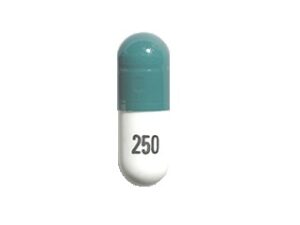
Levaquin (Levofloxacin) – Patient Information (UK)
Levaquin is the brand name for levofloxacin, an antibiotic in the fluoroquinolone family. It is used to treat certain bacterial infections. This page explains what the medicine does, how it works in the body, typical uses, how to take it, and important safety information to help you use it more confidently.
If you are unsure whether your infection is likely to be bacterial, or if you are worried about side effects or interactions, speak to a pharmacist or other qualified healthcare professional.
1) Basic product information
| Item | Details |
|---|---|
| Active ingredient | Levofloxacin |
| Drug class | Fluoroquinolone antibiotic |
| Common brand | Levaquin |
| Typical forms | Tablets; oral solution in some settings; intravenous use in hospitals (varies by product) |
| Target infections | Susceptible bacterial infections (as advised by local guidance and clinician assessment) |
| UK context | Availability and prescribing/usage are regulated; follow UK healthcare guidance and your local advice |
2) How Levaquin works (mechanism of action)
Levofloxacin works by interfering with bacterial DNA replication. It inhibits key bacterial enzymes: DNA gyrase and topoisomerase IV. These enzymes are essential for bacteria to copy and repair their genetic material, allowing them to multiply.
By blocking these targets, levofloxacin helps stop the growth of susceptible bacteria and supports recovery from infection.
Important note: Like all antibiotics, it is not effective against viruses (such as colds or flu).
3) Pharmacokinetics (how the body handles it)
Understanding pharmacokinetics can help explain dosing and timing.
- Absorption: Levofloxacin is absorbed after oral dosing and reaches measurable blood levels relatively quickly.
- Distribution: It distributes into many tissues and body fluids where certain infections occur.
- Metabolism and elimination: Levofloxacin is largely cleared unchanged through the kidneys. This is why kidney function may affect dosing in some people.
- Half-life: Its elimination half-life supports once-daily or twice-daily regimens depending on the infection and the dose selected.
- Effect of food: Food generally does not substantially reduce overall absorption, though spacing with certain supplements may still be important (see food interactions).
4) Typical use and indications (what it treats)
Levofloxacin may be used for certain bacterial infections where the causative organism is likely to be susceptible and where an appropriate antibiotic option has been chosen. Specific choice depends on local resistance patterns, severity of illness, and patient factors.
Potential indications (examples) may include infections such as:
- Chest and lung infections (e.g., community-acquired pneumonia, certain other bacterial lower respiratory infections)
- Urinary tract infections (selected cases, depending on bacteria and risk factors)
- Prostatitis (bacterial prostatitis in adults, where appropriate)
- Skin and skin structure infections (selected cases)
- Other serious infections when indicated by clinical assessment and susceptibility testing
Because fluoroquinolones have important safety considerations, they are typically used when benefits are expected to outweigh risks, and when other antibiotics are not suitable or may be less effective.
5) Timing and how to take Levaquin
Follow the dosing schedule given for your specific situation. Below is general guidance on timing for people using oral levofloxacin.
Typical timing principles
- Take at the same times each day to maintain steady antibiotic levels.
- Complete the course unless you are told to stop earlier by a clinician. Stopping too soon can lead to relapse or resistance.
- If you miss a dose: take it when you remember unless it is nearly time for the next dose. Do not take a double dose to make up for a missed one.
- Hydration: drink fluids as normally advised; avoid excessive dehydration.
With or without food
Levofloxacin can usually be taken with or without food. If it upsets your stomach, taking it with food may improve comfort, but avoid the interaction issues described below.
6) Food and drink interactions
Levofloxacin can interact with substances that reduce its absorption in the gut. The most important examples are certain minerals and some antacids.
Common food/supplement interactions
- Iron salts, zinc, magnesium, aluminium (including some antacids): these can bind levofloxacin and reduce absorption.
- Calcium-containing supplements: may interfere for the same reason.
- Didanosine (if applicable in HIV treatment): can reduce absorption (relevant depending on therapy).
Practical spacing tips
- Separate levofloxacin from antacids, iron, zinc, or multivitamins containing these minerals by at least 2 hours before or 2 hours after (unless your healthcare professional advises a different interval).
- For longer spacing (for example, antacid schedules), follow the instructions from your pharmacist.
Food generally: Eating does not usually eliminate the medicine’s effectiveness, but the mineral/supplement issue is the key interaction concern.
7) Alcohol and medicine interactions
Alcohol
There is no universal “perfectly safe” alcohol amount for everyone taking antibiotics, and individual responses vary. However, alcohol may:
- increase stomach irritation
- worsen fatigue or dizziness
- potentially affect recovery if your illness is significant
A cautious approach is recommended: consider avoiding alcohol or keeping it minimal while you are unwell and on treatment. If you have liver problems or take other medicines affected by alcohol, ask for specific advice.
Medicine interactions (important)
Levofloxacin can interact with several common medicines. The following are key categories to discuss with your pharmacist:
- Medicines that can affect heart rhythm (QT prolongation): fluoroquinolones may increase risk of abnormal rhythms in susceptible people.
- Warfarin or other vitamin K antagonists: can increase bleeding risk; monitoring may be needed.
- Oral diabetes medicines (including insulin and certain tablets): rare changes in blood sugar may occur.
- Non-steroidal anti-inflammatory drugs (NSAIDs) (e.g., ibuprofen, naproxen): may increase the risk of nervous system side effects in some people.
- Theophylline: can increase side effects (depending on use and patient factors).
- Corticosteroids (e.g., prednisolone): may increase risk of tendon problems in some cases.
- Probenecid and cimetidine: can influence elimination and increase levels.
- Kidney-function affecting medicines: because levofloxacin is cleared by the kidneys, kidney impairment may increase exposure.
Always tell your pharmacist or clinician about all medicines you take, including over-the-counter products and supplements.
8) Dosing (general information)
Doses vary depending on the infection being treated, your age, kidney function, and other clinical factors. Use your own prescriber’s or pharmacist’s instructions as the final guide.
The following dosing ranges are provided for general understanding:
- Adults: regimens may be once daily or twice daily depending on the infection and dose.
- Renal impairment: dose adjustment is often required when kidney function is reduced.
- Older adults: caution is common, particularly if kidney function is reduced or if multiple medicines are used.
- Children and adolescents: fluoroquinolones are not generally used routinely and may be restricted.
Do not adjust your dose yourself. If you have kidney disease, muscle or tendon problems, a history of abnormal heart rhythms, or are taking interacting medicines, discuss this before starting.
9) Safety profile and side effects
Like all medicines, levofloxacin can cause side effects. Many are mild and improve as your body adjusts, but some reactions require urgent medical attention.
Common side effects
- Nausea
- Diarrhoea
- Headache
- Stomach discomfort
- Dizziness
- Sleep disturbance
Serious or potentially urgent side effects
Seek urgent medical help if you develop any of the following:
- Tendon pain or swelling (especially Achilles tendon), or sudden difficulty walking. Stop and seek advice promptly—tendon rupture is uncommon but can be serious.
- Nerve symptoms such as numbness, tingling, burning pain, or weakness.
- Severe allergic reaction: swelling of the face/lips, rash with breathing difficulty, or fainting.
- Severe diarrhoea (particularly watery or bloody) or persistent diarrhoea with fever or severe abdominal cramps. This may indicate antibiotic-associated colitis.
- Abnormal heart symptoms: palpitations, fainting, or severe dizziness.
- Severe skin reactions (e.g., blistering, peeling, widespread rash).
- Changes in mood or behaviour including confusion, agitation, hallucinations, or suicidal thoughts.
- Low blood sugar symptoms (especially if you have diabetes): sweating, shaking, hunger, confusion, or fainting.
- Seizures (rare): emergency attention is required.
Risk factors to consider
Some groups have a higher likelihood of serious side effects. Your clinician/pharmacist may take additional care if you:
- are older (commonly 60+)
- have kidney impairment
- use corticosteroids
- have a history of tendon disorders
- have known heart rhythm problems
- have existing nerve disorders (e.g., neuropathy)
- use medicines that interact with levofloxacin
10) Practical use tips
- Track improvement: many bacterial infections start to improve within 48–72 hours, but this depends on the infection. If you are not improving or you worsen, contact a healthcare professional.
- Hydration and rest: support recovery, especially if you have fever or diarrhoea.
- Avoid strenuous activity: if you develop tendon discomfort, stop activity and seek advice.
- Sun sensitivity: some antibiotics can increase sensitivity to sunlight. Consider sun protection (clothing/limited direct sun) if you notice unusual skin reactions.
- Don’t share medicine: antibiotics are specific to the infection and the person’s needs.
- Use a reminder: if you are on once-daily dosing, choose a consistent time linked to a routine.
11) Alternative options
Alternatives depend on the infection type, severity, likely bacteria, allergy history, and local resistance. Antibiotic selection should be guided by clinical assessment and local/national recommendations.
Possible antibiotic alternatives (examples)
- Other antibiotics from different classes (e.g., beta-lactams such as amoxicillin/clavulanate, depending on infection)
- Narrower-spectrum options if susceptibility suggests this is safe and effective
- For certain infections, different routes or duration may be preferred
Non-antibiotic supportive measures may also be important (fluids, pain relief, monitoring), but antibiotic choice should not be replaced by self-treatment. A pharmacist can help explain which alternatives might be appropriate in general terms.
12) Market and legal context in the United Kingdom
In the UK, antibiotics are regulated medicines and their use is closely monitored to help prevent antibiotic resistance and ensure patient safety. Medicines containing levofloxacin are used according to UK clinical guidance and local antimicrobial stewardship programmes.
Regulatory bodies and healthcare services support safe prescribing by emphasising that fluoroquinolones should generally be used when expected benefits outweigh risks, and when other options are not suitable.
Always ensure that you obtain medicines from a reputable source and follow the packaging and professional advice provided with the product.
13) Recent guidance and safety communications (overview)
Over recent years, regulators and healthcare authorities have issued safety communications regarding fluoroquinolone antibiotics. Key themes include:
- Tendon injury risk (including tendonitis and rare rupture)
- Nervous system effects (e.g., neuropathic symptoms, dizziness, mood changes)
- Heart rhythm considerations (QT prolongation in susceptible patients)
- Peripheral neuropathy and mental health effects that may be long-lasting in rare cases
- Clostridioides difficile risk associated with many antibiotics, presenting as severe or persistent diarrhoea
These messages do not mean levofloxacin should never be used; rather, they help clinicians and patients consider risk factors and watch carefully for symptoms. If you have previously had reactions to fluoroquinolones, inform your healthcare professional before using any further doses.
14) Delivery and availability (UK)
Availability of Levaquin (levofloxacin) can vary by stock levels, formulation, and the regulatory route used by suppliers. On an online pharmacy, delivery options are typically shown at checkout, including estimated delivery times and any service limitations.
- In-stock items: may ship quickly depending on order cut-off times.
- Out-of-stock items: may require sourcing delays.
- Cold chain: Levofloxacin tablets do not usually require refrigeration; follow product packaging instructions.
If you have specific delivery deadlines (e.g., travel), contact customer support before placing the order. Always check that the strength and formulation match what you intend to use.
15) Frequently asked questions (FAQ)
Is Levaquin the same as levofloxacin?
Yes. Levaquin is a brand name; levofloxacin is the active ingredient. Different brands may contain the same medicine in different strengths.
How long does it take to start working?
Many people notice improvement within 48–72 hours for infections that respond to the antibiotic. If you are not improving or you worsen, contact a healthcare professional promptly.
Can I take Levaquin with food?
Generally, yes. Food usually does not significantly reduce effectiveness. If it upsets your stomach, taking it with a meal may help. However, avoid taking it close to mineral-containing antacids or supplements (iron/zinc/magnesium/aluminium/calcium) due to absorption issues.
What should I avoid while taking it?
Avoid:
- Mineral antacids and supplements taken too close to the dose
- Heavy exercise if you develop tendon pain
- Excess alcohol while you are unwell (and follow advice for your other medicines)
- Sun exposure if you notice skin sensitivity
Can I drink alcohol?
It’s generally safest to limit alcohol or avoid it while on treatment, especially if you feel unwell. Ask a pharmacist if you have liver problems or take medicines that interact with alcohol.
What if I miss a dose?
Take it as soon as you remember unless it is almost time for the next dose. Do not take double doses. If you’re unsure, ask your pharmacist.
Are there people who should take extra care with levofloxacin?
Yes. Extra caution may be needed if you are older, have kidney impairment, a history of tendon disorders, heart rhythm problems, neuropathy, or if you use interacting medicines such as corticosteroids or warfarin.
What should I do if I get side effects?
Mild effects such as nausea or headache may settle. If you have severe symptoms—such as allergic reaction signs, tendon pain, severe diarrhoea, nerve symptoms, fainting/palpitations, or a severe rash—seek urgent medical help.
Is it safe to stop early if I feel better?
It’s important to complete the planned course unless a healthcare professional advises otherwise. Stopping early can reduce effectiveness and increase the chance of recurrence.
Can Levaquin be used for viral infections?
No. Antibiotics like levofloxacin treat bacterial infections, not viruses such as cold or flu.
Summary
Levaquin (levofloxacin) is an antibiotic used for certain bacterial infections where benefits outweigh risks. It works by inhibiting bacterial enzymes needed for DNA replication. Levofloxacin is cleared mainly by the kidneys, so kidney function can affect dosing. It can interact with minerals and some medicines, and it has a safety profile that requires awareness—particularly regarding tendon injury, nervous system effects, heart rhythm considerations, and severe diarrhoea.
If you have questions about taking Levaquin with other medicines, supplements, or existing health conditions, speak to a pharmacist before starting. If you notice severe or worsening symptoms, seek medical advice promptly.