Permethrin (Cream/Lotion): Treatment for Scabies and Head Lice (UK)
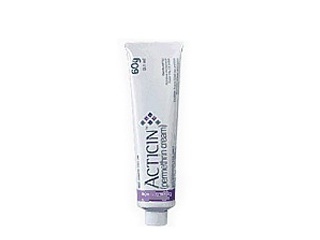
Permethrin is a well-known anti-parasitic medicine used to treat infestations such as scabies and head lice. It works by damaging the nervous system of parasites, helping to clear the infestation. In the UK, permethrin is available in different strengths and formulations depending on the condition being treated.
This page is designed to help you understand how permethrin works, how to use it effectively, what to expect, and what to consider for safety and interactions.
Basic product information
- Active ingredient: Permethrin
- Common formulations: Cream or lotion (strength varies by product)
- Uses: Scabies and head lice (depending on the product)
- Typical way to take: Apply to skin (scabies) or to hair and scalp (head lice), then remove after the recommended time
- Over-the-counter availability: Some permethrin products may be available without prescription in the UK; availability can vary by strength and brand
Always check the label or patient information leaflet for your specific brand and strength. Dosing schedules can differ between scabies and head lice products, and between age groups.
How permethrin works (mechanism of action)
Permethrin belongs to the pyrethroid group of medicines. It works mainly on the nervous system of parasites. The medicine interferes with the normal function of nerve cell membranes, causing uncontrolled nerve activity and ultimately killing the parasite.
Permethrin is designed to act on lice and scabies mites while being relatively safe for human skin when used as directed. However, effectiveness depends strongly on correct application and, for scabies, coordinated treatment of close contacts.
Pharmacokinetics: what happens in the body
When permethrin is used topically, only small amounts are absorbed through the skin in most people. The medicine remains largely on the skin/hair surface where it can act on the parasites.
- Absorption: Generally low for typical topical use.
- Metabolism: Any absorbed permethrin is processed by the body.
- Elimination: Breakdown products are removed from the body primarily via normal routes.
Because systemic absorption is usually limited, side effects affecting the whole body are uncommon when permethrin is used correctly. Still, sensitive skin reactions can occur locally.
What permethrin is used for (indications)
Depending on the formulation, permethrin is indicated for:
- Scabies: An infestation caused by the scabies mite, leading to intense itching (often worse at night) and a rash.
- Head lice: Infestation by head lice, causing itching and sometimes small sores from scratching.
Permethrin is intended to treat the parasite infestation. It does not treat the itch itself immediately; in scabies, itching can persist for some time after successful treatment.
Timing and treatment schedule
Timing is important because some products may not kill all eggs/young parasites at the first application. Many regimens therefore include a repeat dose.
| Condition | Common approach | Why it may be repeated | Key point |
|---|---|---|---|
| Scabies | Apply to the skin for the recommended period, then wash off. Often repeated after a set interval as directed by your product leaflet. | To help ensure mites that emerge later are also treated. | Treat close contacts at the same time if advised, to prevent reinfestation. |
| Head lice | Apply to the hair/scalp for the recommended period, then wash out. Many products are used again after a repeat interval. | To capture lice that hatch after the first treatment. | Regular combing (using a fine-toothed nit comb) is often essential. |
Always follow your product’s instructions. Repeat timing and how long to leave it on can vary between brands and between scabies vs head lice products.
How to use permethrin (typical dosing and instructions)
Dosing depends on the condition and the specific strength of your permethrin preparation. Below are practical, general guides. For exact directions, use the patient information leaflet supplied with your product.
Scabies (cream/lotion for skin application)
- Who should be treated: Follow local public health and product guidance. In many cases, treating close contacts at the same time is important.
- When to apply: Typically applied to clean, dry skin as instructed by your leaflet.
- Where to apply: Usually includes areas prone to scabies mites. Your leaflet will list which body sites to cover.
- How much: Use enough to cover the recommended areas.
- How long to leave on: Leave on for the time stated in the leaflet, then wash off.
- Repeat application: Often needed after an interval (commonly around one week for many scabies regimens), but this varies by product and local guidance.
Head lice (lotion for scalp and hair)
- Preparation: Ensure hair/scalp is dry or as directed by your product.
- Application: Apply lotion to the scalp and coat the hair as instructed.
- Leave-on time: Follow the stated duration carefully.
- Rinsing: Wash out after the recommended time.
- Combing: Using a fine nit comb helps remove lice and nits and improves success.
- Repeat treatment: Often repeated after a set number of days (commonly within the following week), depending on product instructions.
Do not use more or apply more frequently than the label recommends. If infestation persists after correct use, consider seeking advice from a pharmacist or healthcare professional for further assessment and alternative options.
Food interactions
Permethrin is used on the skin or hair, and food interactions are not expected for topical use. There is typically no need to avoid specific foods while using permethrin.
Alcohol and other medicines
There is generally no direct interaction between topical permethrin and alcohol because systemic absorption is limited when used correctly. However, avoid applying permethrin to broken or heavily inflamed skin unless directed, as this may increase absorption.
Other medicines: If you are using other topical products on the same area (for example, steroid creams), it’s best to check the product leaflet or ask a pharmacist. Mixing multiple treatments on the same skin area may reduce effectiveness or increase irritation.
If you are pregnant, breastfeeding, treating a young child, or have a long-term skin condition, speak with a pharmacist for advice on the most appropriate approach and product choice.
Why correct application matters
Permethrin can be highly effective when used properly, but treatment failures often occur due to:
- Missing areas during application (especially in scabies)
- Not repeating the treatment at the correct interval
- Reinfestation from untreated close contacts (scabies) or close contacts/household transmission (head lice)
- Insufficient combing for head lice
- Using permethrin incorrectly (wrong leave-on time or over/under-application)
Following the leaflet and a structured cleaning routine (when relevant) improves results.
Safety profile and possible side effects
Like all medicines, permethrin can cause side effects, although many people experience none or only mild effects. Most reactions are local and related to skin sensitivity.
Common or mild side effects
- Skin irritation (burning, stinging, redness)
- Dryness or mild swelling at the application site
- Itching (may continue for a while, particularly in scabies)
- Tingling or discomfort during or after treatment
Less common but more serious reactions
- Allergic reactions such as swelling, hives, or worsening rash
- Severe skin irritation or blistering
When to seek urgent advice
Get urgent medical help if you develop signs of a serious allergic reaction (for example, difficulty breathing, facial swelling) or if symptoms rapidly worsen.
Special populations
- Children: Use only product strengths and instructions appropriate for age. Ask a pharmacist if unsure.
- Pregnancy and breastfeeding: Many topical treatments are used during these periods when benefits outweigh risks; confirm with a pharmacist and follow leaflet guidance.
- Sensitive skin or eczema: Permethrin can be irritating—avoid applying to broken skin unless directed.
Practical use tips for best results
General tips
- Read the leaflet first: Product strength and instructions vary.
- Apply to the right areas: In scabies, coverage matters—follow a site list in the leaflet.
- Use the correct leave-on time: Too short may reduce effectiveness; too long may irritate skin.
- Keep nails short: Scratching increases irritation and can lead to secondary infection.
- Wash hands after application: Avoid transferring product to eyes and mouth.
Scabies-specific practical steps
- Coordinate with household/close contacts: Treating only one person often leads to reinfestation.
- Clean bedding and clothing: Follow leaflet guidance for washing and/or bagging items.
- Expect itch for a while: Even after mites are killed, itching may continue temporarily.
Head lice-specific practical steps
- Use a nit comb: Comb after the leave-on time as recommended and re-check frequently.
- Check close contacts: In many communities, head lice spread quickly among siblings and close contacts.
- Repeat treatment if instructed: Don’t skip the repeat dose if your product schedule requires it.
Alternative treatment options
If permethrin does not work after correct use, options may include other anti-parasitic treatments and supportive measures. Choice depends on the condition (scabies vs head lice), age, severity, and local guidance.
For scabies
- Other topical scabicides may be used where appropriate (e.g., different permethrin regimens or other actives).
- Oral treatments may be considered in certain situations under clinical advice.
For head lice
- Alternative lice treatments may be used if resistance is suspected or if treatment fails.
- Dimeticone-based approaches are used in some settings in addition to combing (availability varies).
- Strong emphasis on combing and repeat checks is common to all effective approaches.
Resistance to lice products can occur in some areas. If you suspect resistance or repeated failure, seek advice from a pharmacist for a product choice that fits current UK recommendations.
UK market and legal context (overview)
In the United Kingdom, permethrin products are regulated medicines. Availability, strength, and whether a particular product is sold with or without additional supply routes can vary by brand and formulation.
Pharmacies and healthcare services often follow national and local guidance for scabies and head lice management, including:
- How many treatment rounds are recommended
- How to manage contacts and household transmission
- Cleaning and bedding/clothing advice
- When to switch treatment if infestation persists
Product leaflets and NHS-style advice may be updated over time, so always check the leaflet included with your current purchase.
Recent guidance and practical expectations
Public health messaging in the UK commonly highlights that:
- In scabies: Treating close contacts and repeating the treatment as advised are key to success.
- In head lice: Combining chemical treatment with thorough combing improves outcomes.
- Itch can linger: Symptoms may remain after successful parasite clearance, especially in scabies.
- Reinfestation is common: Treating only one household member is a frequent cause of repeat cases.
If you are unsure whether symptoms represent ongoing infestation or post-treatment reactions, a pharmacist can help you decide whether another treatment round is appropriate or whether an alternative strategy should be discussed.
Delivery and availability in the UK
Permethrin products are typically available through online pharmacies and local retailers depending on the formulation and strength. Delivery options vary by supplier and region within the UK.
- Product availability: Subject to stock levels and demand.
- Dispatch times: Often listed at checkout; may vary on weekends and bank holidays.
- Packaging: Supplied in original packaging with leaflets and clear usage instructions.
- Quality: Medicines are sourced through regulated supply chains where required.
Before ordering, check the product label to confirm it matches your need (scabies vs head lice) and the correct strength for the person being treated.
Frequently asked questions
How quickly does permethrin work?
Many people notice reduced signs of infestation after the recommended treatment period and follow-up timing. However, especially in scabies, itching can continue for some time even when mites are killed.
Will the itch disappear immediately after treatment?
Not usually. Itching and irritation can persist for a while after successful scabies treatment due to the body’s reaction to dead mites and eggs. If symptoms are severe or you are unsure, seek advice from a pharmacist.
What if there are still lice after the first head lice treatment?
If you see live lice after correct use, a repeat treatment is commonly part of the regimen. Also check combing technique and frequency. If infestation persists after following the full schedule, you may need an alternative product and advice.
Do I need to treat everyone in the household for scabies?
Often, yes—close contacts are usually treated at the same time to reduce reinfestation risk. Follow your product leaflet and local guidance. A pharmacist can help you decide who counts as a close contact based on your situation.
How should I wash bedding and clothes?
Follow the instructions in your permethrin leaflet. Guidance commonly includes washing used bedding and clothing and considering item bagging if washing is not practical. Do not overdo cleaning measures beyond what is recommended.
Can I use permethrin on broken or infected skin?
Avoid applying to broken skin unless the leaflet specifically allows it. If you have open wounds, infection, or significant skin inflammation, seek pharmacist or healthcare advice before use.
Is permethrin safe for children?
Permethrin products may be used in children when the product is appropriate for their age and the leaflet is followed carefully. If you are uncertain about age restrictions or suitable strengths, ask a pharmacist.
Are there any food, alcohol, or drug interactions?
Food interactions are not expected for topical use. Direct alcohol interactions are also not typically expected. If using other topical medicines on the same areas, check the leaflet or ask a pharmacist to avoid irritation or reduced effectiveness.
What should I do if I miss a treatment dose?
If you miss a scheduled repeat application, follow the leaflet instructions for missed doses. When in doubt, consult a pharmacist for advice based on the timing since the first application.
Can permethrin be used more than once?
It is usually applied in a scheduled repeat course (for example, for scabies or head lice). Do not exceed the leaflet’s directions on frequency. If treatment repeatedly fails, consider switching approach rather than repeated over-application.
Important notes
This information is provided to help you use permethrin safely and effectively. Always follow the instructions on the pack and patient leaflet for your specific product.
- If symptoms worsen, signs of infection appear, or you are unsure whether infestation has been cleared, seek advice.
- Keep medicines out of reach of children.
- Store according to label instructions.