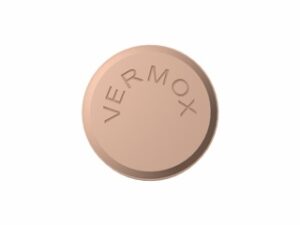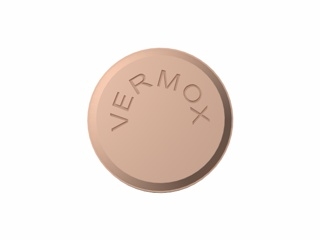


Mebendazole (for the treatment of worm infections) — Patient Guide (UK)
Mebendazole is an anti-parasitic medicine used to treat certain intestinal worm infections. It works by stopping worms from absorbing the energy they need to survive, helping the body eliminate the parasites. In the UK, mebendazole is available for a range of worm types and is commonly used for infections such as threadworms and roundworm.
This page explains how mebendazole works, how to take it safely, what to expect, and practical guidance for using it at home.
Basic product information
| Category | Details |
|---|---|
| Medicine | Mebendazole |
| Type | Anti-helminth (anti-parasitic) medicine |
| Where it acts | Primarily in the gastrointestinal tract (for most common worm infections) |
| Common uses | Threadworm (pinworm), roundworm, whipworm (and some other intestinal worm infections depending on local product information) |
| Typical forms | Tablets, chewable tablets, or oral suspension (varies by brand) |
Different brands and formulations may have different strengths. Always check the pack for your exact product strength and instructions.
How mebendazole works (mechanism of action)
Mebendazole belongs to a group of medicines called benzimidazoles. It works by interfering with the worms’ ability to use glucose (a key energy source). Specifically, it:
- Blocks glucose uptake and disrupts energy production in the worm cells.
- Reduces the worm’s ability to maintain normal cellular functions, leading to the worm dying or becoming unable to survive.
- Helps the body expel the worms via normal bowel movements.
Because it targets the parasite’s internal energy processes, mebendazole is effective for many common intestinal worm infections.
Pharmacokinetics (how your body handles it)
Pharmacokinetics describes what the body does to the medicine—absorption, distribution, metabolism, and elimination.
- Absorption: Mebendazole has limited absorption from the gut after typical oral dosing. Most of the medicine acts locally in the intestine.
- Metabolism: A portion that is absorbed is metabolised mainly in the liver.
- Excretion: The medicine and its breakdown products are eliminated via the bowel and kidneys (details vary with dose and formulation).
- Food effects: Taking with food may affect absorption for some people, but this usually does not prevent use. For most patients, following the pack instructions is sufficient.
Your absorption and response may vary. If you have liver disease or you need higher or longer dosing (as per product guidance), your clinician may want extra caution.
Typical indications (what mebendazole treats)
Mebendazole is used to treat certain intestinal worm infections. Common indications include:
- Threadworm (pinworm): a very common cause of anal itching, often worse at night.
- Roundworm (ascaris): infection acquired through contaminated environments or food.
- Whipworm (trichuris): infection affecting the large bowel.
- Other intestinal nematodes depending on the specific product licence and dosing schedule.
If symptoms persist or you suspect an unusual worm infection, you may need medical assessment. Worm infections can sometimes mimic other conditions, and the correct dose and duration can differ by parasite type.
Timing and how to take mebendazole
Timing depends on the infection being treated and the dose regimen provided by your specific product. However, general practical guidance is as follows:
- Take at the time(s) specified on the pack. Many threadworm regimens require a repeat dose later because worm eggs can survive initial treatment.
- Night-time symptoms: For threadworm, itching is often worst at night, but you can take the medicine at any suitable time unless instructed otherwise.
- Consistency: If a repeat dose is advised (commonly about two weeks after the first), completing it is important to reduce the chance of reinfection.
Tip: Write the repeat-dose date on your calendar at the time you take the first dose.
Food interactions
For most patients, mebendazole can be taken with or without food. Some people find taking it with a meal reduces stomach upset.
If your product leaflet advises taking with food (or avoiding food), follow that advice. Differences between brands and strengths can occur.
- General approach: Follow the instructions on your pack or the leaflet.
- If you have a sensitive stomach: consider taking with a light meal or after food.
Alcohol interactions
There is no universally known “major” interaction between mebendazole and alcohol. However, since worm treatments can be taken when you are otherwise unwell, it’s sensible to avoid heavy drinking.
- Practical advice: If you plan to drink alcohol, keep it moderate and stay hydrated.
- Watch your symptoms: if you feel unusually dizzy, nauseated, or unwell after the medicine, avoid alcohol and consider speaking to a pharmacist for advice.
If you have liver disease or you are taking medicines that affect the liver, discuss mebendazole with a healthcare professional (or pharmacist) to confirm safe use.
Medicine interactions (other medicines you may take)
Many people can take mebendazole safely alongside their usual routine medicines, but interactions can occur—especially with medicines that affect liver enzymes or strong medicines that require careful monitoring.
Tell a pharmacist about all medicines you are taking, including:
- Prescription medicines
- Over-the-counter products (including herbal medicines)
- Vitamins and supplements
Important examples (general points):
- Medicines affecting the liver: because mebendazole is metabolised in the liver, certain medicines may alter mebendazole levels.
- Long courses or higher doses: interaction concerns are more relevant if treatment is prolonged or at higher dosing schedules.
- Other anti-parasitic medicines: avoid doubling up unless advised, as it can increase side effects.
If you share a medicine schedule (or list) with a pharmacist, they can help identify any relevant interaction risks for your specific situation.
Dosing (typical regimens)
Dosing varies by the type of worm and the product strength. Always use the dosing schedule from the pack or product leaflet for your specific mebendazole product.
Below are common dosing patterns used for intestinal worm infections in many UK-approved regimens. These are provided to help you understand typical schedules; your pack instructions are the final authority.
Threadworm (pinworm)
- Often: a single dose, followed by a repeat dose after a gap (commonly about two weeks).
- Household approach: many regimens advise treating everyone in the household at the same time to reduce reinfection risk.
Roundworm and whipworm
- Often: dosing is repeated over several days rather than a one-off dose.
- Duration: depends on the infection and product instructions.
Children and dosing
Dosing for children depends on age and body weight in some regimens, as well as the product formulation. Use only the dosing instructions on your chosen brand.
If you are treating a child, it’s particularly important to:
- check the exact strength (mg per tablet/sachet/5 ml),
- use the measuring device for liquids if provided, and
- follow age limits listed on the pack.
Missed dose
If you miss a dose:
- Check your pack for advice (some regimens treat a “miss” differently depending on timing).
- As a rule, don’t double doses unless instructed.
- If unsure, contact a pharmacist.
Safety profile (who should take extra care)
Most people tolerate mebendazole well, but like all medicines it can cause side effects. Some effects are mild and temporary.
Common side effects
- Abdominal (stomach) pain or cramps
- Nausea
- Diarrhoea
- Headache
- Dizziness (less common)
Less common or serious reactions
Seek urgent medical advice if you experience signs of an allergic reaction, such as:
- Swelling of the face, lips, or throat
- Difficulty breathing
- Widespread rash or severe skin reaction
Special caution groups
- Liver disease: extra caution may be needed, especially with higher or prolonged dosing.
- Pregnancy: discuss with a healthcare professional or pharmacist before use.
- Breastfeeding: check product guidance and seek advice if you’re unsure.
- Children: only use brands and dosing schedules suitable for the child’s age.
- Prolonged treatment: safety considerations may differ if treated for longer durations or higher doses.
Practical use tips (to improve results and reduce reinfection)
Worm medicines can be highly effective, but reinfection is common—particularly with threadworm—because eggs can spread within households and close contacts.
Threadworm (pinworm) practical measures
- Treat household contacts if advised: many regimens recommend treating everyone at the same time (especially in shared households).
- Hygiene: wash hands regularly, especially after using the toilet and before eating.
- Clean bedding and underwear: consider washing bed linen and underwear regularly during the treatment period.
- Keep nails short: pinworm eggs can cling to under nails.
- Morning routine: shower or wash the anal area in the morning can help remove eggs that were laid overnight.
- Household cleaning: vacuum and clean frequently touched surfaces, particularly if itching is ongoing.
General tips for intestinal worm treatment
- Complete the full course: even if you feel better, finish the dosing schedule.
- Follow the recommended repeat dose timing if your regimen includes it.
- Expect symptom improvement gradually: itching may take some time to settle as reinfection risk decreases.
Alternatives to mebendazole
Depending on the worm type, other anti-parasitic treatments may be suitable. Availability and dosing differ, and local guidance should be followed.
Common alternatives (overview)
- Albendazole: another benzimidazole often used for various worm infections.
- Pyrantel pamoate: used particularly for threadworm in some settings.
Choice of medicine may depend on the parasite type, age, formulation availability, and safety considerations. If symptoms are not improving, a pharmacist can help discuss whether switching options is appropriate.
Important: don’t use two worm remedies together unless advised—incorrect combination or dosing can increase side effects without improving outcomes.
United Kingdom market and legal context (what to expect)
In the UK, worm treatments are widely available and may be sold through pharmacies and other authorised channels depending on product licensing and classification. Availability can vary by brand, formulation, and indication.
- Authorised medicines: mebendazole products available in the UK must be authorised and labelled for specific indications and dosing.
- Pharmacy guidance: pharmacists play an important role in advising on correct dosing and family/hygiene measures.
- Age restrictions and formulations: always use products suitable for the patient’s age and weight category.
Product information (leaflets and packaging) reflects the approved use for that specific product strength and formulation.
Recent guidance and practical healthcare approach (UK)
UK guidance for worm infections typically emphasises:
- Accurate identification of worm type: symptoms can overlap with other conditions.
- Repeat dosing where needed: particularly for threadworm because eggs survive initial treatment.
- Household measures: treating contacts and improving hygiene reduces reinfection.
- When to seek medical advice: ongoing symptoms, complications, blood in stool, significant abdominal pain, or failure of treatment.
- Special populations: extra caution is often recommended for pregnancy, very young children, and those with liver problems.
If you’re unsure about the correct worm type or dosing schedule, a pharmacist can help you choose the right regimen and advise on next steps if symptoms continue.
Delivery and availability (online pharmacy)
When you order mebendazole online in the UK, delivery times depend on your location and the pharmacy’s dispatch schedule. Many online pharmacies aim to deliver within standard courier timeframes once the order is processed.
- Availability: mebendazole is commonly stocked, but specific strengths or formulations may sell out.
- Packaging: medicines are supplied in original packaging with patient information leaflets.
- Storage: store according to label instructions (often at room temperature, away from moisture and direct heat).
- Delivery considerations: ensure someone can receive the parcel and keep it out of reach of children.
Always check the product label for expiry date and strength before use.
FAQ — Frequently asked questions
1) How quickly will mebendazole work?
Some people notice improvement within a day or two, but symptoms—especially itching in threadworm—may take longer to fully settle, particularly if reinfection continues. Completing any repeat dose schedule and using hygiene measures can make a big difference.
2) Do I need to treat everyone in the household for threadworm?
Often, yes—many regimens advise treating close contacts at the same time to prevent the cycle of reinfection. Follow the instructions on your specific product, and consider asking a pharmacist if multiple people have symptoms.
3) Is mebendazole safe for children?
Mebendazole may be used in children when the product is licensed for that age group and dosing is correct for the child’s age/weight and the formulation. Always use the pack instructions and check age limits carefully.
4) Can I take mebendazole more than once?
If your regimen includes a repeat dose (commonly for threadworm), that is standard practice. If symptoms return or persist after completing an appropriate course, seek advice from a pharmacist to confirm whether retreatment is appropriate and whether hygiene measures are sufficient.
5) What should I do if symptoms do not improve?
If symptoms continue after completing treatment and repeat dosing (when advised), or if symptoms are severe (e.g., significant abdominal pain, blood in stool, weight loss), seek medical advice promptly. Persistent symptoms may indicate a different cause or a different type of infection.
6) Does mebendazole work for stomach worms?
Mebendazole is designed for certain intestinal worm infections. “Stomach worms” can mean different things, and the correct treatment depends on the organism. If you’re unsure which worm is causing symptoms, a pharmacist can help guide you.
7) Can I take it with other medicines?
Many medicines can be taken alongside mebendazole, but interactions can occur—particularly with medicines that affect liver metabolism. It’s best to provide a complete list of medicines to a pharmacist to check suitability for your situation.
8) Can I drink alcohol while taking mebendazole?
Moderate alcohol is not generally known to interact strongly with mebendazole. However, it’s sensible to avoid heavy drinking and stop alcohol if you feel unwell. If you have liver problems, speak to a pharmacist for tailored advice.
9) What are signs of an allergic reaction?
Seek urgent help if you develop swelling of the face/lips/throat, difficulty breathing, or a widespread rash. Allergic reactions are uncommon but important to recognise early.
10) What hygiene steps reduce reinfection?
For threadworm, key measures include regular handwashing, keeping nails short, washing bedding/underwear frequently, morning bathing, and treating household contacts when advised. These steps help remove eggs that can spread and cause recurrence.
Summary
Mebendazole is a well-known anti-parasitic medicine used to treat common intestinal worm infections. It works by disrupting the worms’ ability to use energy, helping eliminate them from the body. To achieve the best results, follow the dosing schedule on your product label—including any repeat dose—and use hygiene measures, especially for threadworm.
If you have concerns about dosing, side effects, possible interactions with other medicines, pregnancy/breastfeeding, or persistent symptoms, speak with a pharmacist for tailored guidance.