
Praziquantel — Overview (UK)
Praziquantel is an antiparasitic medicine used to treat several infections caused by certain worms and parasites. It is commonly used for schistosomiasis (bilharzia) and some other parasitic infections. This page explains how praziquantel works, how it is used, what to expect, and important safety information for patients in the United Kingdom.
If you are unsure whether praziquantel is suitable for you, check with a pharmacist or clinician and always follow the instructions provided with your medicine.
Basic product information
| Category | Details |
|---|---|
| Generic name | Praziquantel |
| Common uses | Schistosomiasis (bilharzia) and certain other parasitic infections such as selected trematode (fluke) infections and cestode (tapeworm) infections, depending on type and local guidance. |
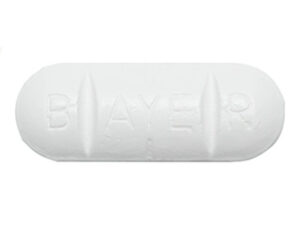
| How it’s taken | By mouth (tablets; formulations may vary by brand and strength). |
| How it works | Damages parasite tissues and disrupts muscle function, leading to parasite death. |
| How long it takes to work | Symptoms may improve over days; removal of parasites typically occurs after the dose(s). A follow-up test may be needed for some infections. |
How praziquantel works (mechanism of action)
Praziquantel targets parasitic worms. It is particularly effective against schistosomes and other trematodes (flukes) and some cestodes (tapeworms), depending on species and infection site.
While the exact process can differ by parasite type, praziquantel generally:
- Alters the parasite’s outer surface, making it more vulnerable.
- Disrupts calcium regulation in parasite cells, causing spasms and impaired movement.
- Leads to paralysis and death of the parasite, which then clears from the body.
Because it attacks established parasites, the timing of treatment and correct dosing schedule are important for best outcomes.
Pharmacokinetics (how the body handles the medicine)
After taking praziquantel by mouth, it is absorbed and distributed through the body. It is then metabolised mainly in the liver, and the breakdown products are removed by the kidneys (urine) and to a lesser extent via other routes.
- Absorption: Absorption occurs after oral administration; taking it with food may influence how much reaches the bloodstream.
- Distribution: It reaches many tissues, which is useful for treating parasites in different locations.
- Metabolism: Primarily hepatic (liver) metabolism.
- Elimination: Metabolites are excreted mainly in urine.
Your individual response may vary depending on factors such as liver function, age, other medicines, and the specific parasite species.
Typical uses and indications
Praziquantel is used to treat infections caused by particular parasite species. The exact indication depends on the parasite involved. In UK practice, praziquantel is well established for schistosomiasis and is also used for certain other parasitic infections.
Commonly treated conditions
- Schistosomiasis (bilharzia), caused by Schistosoma species (for example S. haematobium, S. mansoni, and others depending on the region of exposure).
- Some fluke (trematode) infections depending on the species and location.
- Some tapeworm (cestode) infections depending on the species and treatment plan.
If you are treating an infection after travel, immigration screening, or persistent symptoms, ensure your clinician or pharmacist has details of where you may have been exposed. This information can help guide the correct diagnosis and treatment plan.
Timing: when to take praziquantel
Timing can differ depending on the infection type and dosing schedule. Many treatments use one day dosing or divided doses within a day. A clinician may recommend a single dose or a split schedule.
General practical timing guidance
- Follow your specific schedule exactly as printed on the medication instructions.
- Space divided doses evenly (for example morning and evening) unless instructed otherwise.
- Finish the full course if multiple doses are prescribed.
- Consider planning around possible side effects such as dizziness or tiredness, especially after your first dose.
Food interactions and what to eat
Food can affect how praziquantel is absorbed. Many patients are advised to take it with food to improve tolerability and reduce the risk of stomach upset. Because product instructions can vary by formulation, always check the leaflet and your dosing instructions.
- Taking with food: Often recommended; may improve absorption and reduce nausea.
- Avoid very heavy meals: If you’re prone to nausea, a moderate meal may be more comfortable.
- Hydration: Drink water as usual unless you’ve been given fluid restrictions for another reason.
If you vomit shortly after taking a dose, speak to a pharmacist for advice on whether you need to repeat the dose.
Alcohol interactions and other medicine interactions
Alcohol
There is no universal “safe to drink alcohol” rule for all patients taking praziquantel, but alcohol may worsen side effects such as dizziness, drowsiness, headache, nausea, and fatigue.
- Recommendation: It’s generally best to avoid or limit alcohol during treatment and for at least a short period after your last dose.
- Special caution: If you have liver disease, avoid alcohol altogether and seek personalised advice.
Medicine interactions
Praziquantel is metabolised in the liver. Some medicines can affect liver enzymes and change praziquantel levels, potentially affecting effectiveness or side effect risk.
Tell your pharmacist or clinician about all medicines you take, including:
- Prescription medicines
- Over-the-counter medicines
- Herbal products (for example St John’s wort)
- Supplements
Particular attention should be given to medicines that strongly influence liver enzyme activity. If you take any long-term medications, ask for a specific interaction check.
In the meantime, avoid starting new medicines or herbal supplements during treatment unless advised.
Dosing: how much to take and common schedules
Dosing depends on the infection and the patient’s weight and age. The most common dosing approach for many parasitic infections is based on body weight. The prescribed amount is usually described in mg per kg.
Typical dosing patterns (general)
- Single-day treatment: Some infections are treated with one day dosing, sometimes divided into one or more doses.
- Multiple-dose schedules: Other infections may require repeat dosing on the same day or on subsequent days.
Because praziquantel dosing varies by condition and parasite species, this page does not replace your individual instructions. Use the dose schedule provided with your specific medicine and ask a pharmacist if you are unsure.
Practical dose checklist
- Confirm strength: Tablet strength may vary by brand (for example 600 mg tablets are common in some regions).
- Use body weight guidance only if instructed: Always follow clinician or leaflet dosing instructions.
- Don’t adjust without advice: If you miss a dose, seek guidance rather than doubling.
- Children: Dosing for children is weight-based—extra care is needed. Seek professional guidance.
Safety profile and side effects
Like all medicines, praziquantel can cause side effects. Many are mild and temporary, but some may require medical attention. Side effects may also be partly related to your body’s reaction to dying parasites.
Common side effects
- Nausea or vomiting
- Abdominal discomfort
- Headache
- Dizziness or tiredness
- Diarrhoea
- Muscle aches
Less common or more serious reactions
- Allergic reactions: such as rash, itching, swelling of the face/lips, or difficulty breathing.
- Severe dizziness, fainting, or confusion (seek urgent advice).
- Worsening neurological symptoms (for example severe headache, seizures, weakness), particularly if infection affects the nervous system.
- Significant liver problems: severe fatigue, yellowing of the skin/eyes, dark urine.
If you develop symptoms of an allergic reaction or severe neurological symptoms, seek urgent medical help immediately.
Pregnancy and breastfeeding
Praziquantel is used worldwide and safety considerations depend on the infection risk and timing in pregnancy. If you are pregnant, trying to conceive, or breastfeeding, speak with a clinician or pharmacist to weigh benefits and risks for your situation.
Driving and operating machinery
Dizziness and tiredness can occur. Until you know how praziquantel affects you, avoid driving or using machines, especially after the first dose.
Practical use tips (patient-friendly)
- Take with food if advised: This may reduce nausea and improve comfort.
- Plan your day: Consider taking it at a time when you can rest afterward.
- Hydrate: Drink water regularly, especially if you feel unwell or have vomiting/diarrhoea.
- Manage nausea: If your leaflet allows, taking it with a light snack can help. Ask a pharmacist about anti-nausea options if needed.
- Don’t drink alcohol: It may worsen dizziness and stomach upset.
- Keep follow-up appointments: Some infections require repeat stool or urine testing to confirm cure.
- Family and reinfection: If there’s ongoing exposure (for example in freshwater environments), prevention steps may be important to reduce reinfection.
Alternatives to praziquantel
Treatment choices depend on the specific parasite species, infection site, and severity. While praziquantel is a key option for many conditions, there may be other medicines used in certain situations.
Possible alternative antiparasitic options
- For different schistosomiasis species: Treatment is often praziquantel, but a clinician may consider specific regimens depending on local guidance.
- Other worm infections: Different medications may be used for different types of worms or flukes.
- Tapeworm infections: Another antiparasitic may be preferred depending on the tapeworm species and disease location.
Because correct therapy depends strongly on diagnosis, the best “alternative” is often ensuring the right identification of the parasite and using the regimen recommended for that condition. Ask your pharmacist which options apply to your particular diagnosis.
Market and legal context in the United Kingdom
In the UK, medicines are regulated and supplied according to their legal classification and patient safety requirements. Availability may vary by:
- Brand and formulation (tablet strength, pack size)
- Local guidance for diagnosis and treatment
- Pharmacy supply rules, depending on the legal status of the product
- Clinical assessment needs for certain infections
For many antiparasitic medicines used for travel-related infections or screening findings, UK healthcare professionals follow guidance that takes account of parasite species, organ involvement, and safety in special groups (children, pregnancy, and people with liver disease).
Recent guidance and clinical considerations
Guidance for helminth treatment can evolve as new evidence and public health recommendations become available. In the UK, clinicians often use internationally informed treatment approaches while considering local diagnostic practices and safety measures.
Key practical considerations typically include:
- Correct species identification or exposure history (especially after travel).
- Assessment for organ involvement (for example eye or nervous system involvement may require urgent specialist input).
- Managing side effects and supportive care.
- Follow-up testing in certain infections to confirm cure.
If you have severe symptoms, a complicated infection history, or involvement of the eye or nervous system, seek timely medical assessment.
Delivery and availability (UK)
Availability of praziquantel may differ between online pharmacies and local dispensing services based on product classification and supply arrangements. When ordering online, you can typically expect:
- Clear product details: tablet strength, pack size, and dosing guidance in the leaflet.
- Secure packaging: medicines are shipped to protect tablets from damage and moisture.
- Tracked delivery: many services offer tracked or signed-for options depending on your area and the product.
- Customer support: pharmacists may be available to answer general questions about use and safety.
Delivery times vary, so check the estimated dispatch and delivery window shown on the website at checkout.
If praziquantel is not available immediately, ask about expected restock dates or suitable alternatives where appropriate.
When to seek medical advice urgently
Most people tolerate praziquantel well, but you should seek urgent medical help if you experience:
- Signs of an allergic reaction (swelling, difficulty breathing, widespread rash)
- Severe or persistent vomiting or inability to keep tablets down
- Fainting, severe dizziness, or confusion
- Severe headache, seizures, weakness, or significant changes in vision
- Symptoms suggesting liver problems (yellow skin/eyes, dark urine, severe upper abdominal pain)
FAQ
1) What is praziquantel used for?
Praziquantel is an antiparasitic medicine used to treat infections caused by certain worms and parasites. It is widely used for schistosomiasis (bilharzia) and may be used for some other helminth infections depending on the species and site.
2) How should I take praziquantel?
Follow the dosing instructions provided with your medicine or by your healthcare professional. Many regimens are taken by mouth with food, and some require divided dosing across a day or repeat dosing. Take tablets as directed and finish the full course.
3) Can I take praziquantel on an empty stomach?
Some people may tolerate praziquantel better when taken with food. If your leaflet advises taking it with food, follow that guidance. If you’re prone to nausea, taking with a light meal may help.
4) How long does it take to work?
Many people start to feel better within a few days, but complete resolution can take longer depending on the infection and symptoms. Some infections require follow-up tests to confirm cure.
5) What side effects are normal?
Mild, temporary effects such as nausea, headache, dizziness, abdominal discomfort, or tiredness can occur. However, severe allergic reactions or serious neurological symptoms are not expected and require urgent medical attention.
6) Is it safe to drink alcohol while taking praziquantel?
It’s generally advisable to avoid or limit alcohol during treatment, since alcohol can worsen dizziness, drowsiness, and stomach upset. If you have liver problems, avoid alcohol and ask for medical advice.
7) What medicines can interact with praziquantel?
Praziquantel is metabolised in the liver, so medicines that affect liver enzyme activity may interact. Tell your pharmacist about all medicines, supplements, and herbal products to check for potential interactions.
8) What should I do if I vomit after taking a dose?
If vomiting occurs soon after taking praziquantel, the full dose may not have been absorbed. Contact a pharmacist promptly for advice on whether you need to repeat the dose.
9) How do I know if the infection has cleared?
Follow-up testing is often used for certain infections to confirm cure. Your healthcare professional will advise whether repeat stool or urine tests (or other tests) are needed based on the parasite type and symptoms.
10) Are there alternatives if praziquantel isn’t suitable for me?
Alternatives depend on the specific parasite and your health circumstances. If praziquantel is unsuitable due to interactions, allergy, or other reasons, a clinician can advise an appropriate regimen for your diagnosis.
Summary
Praziquantel is a widely used antiparasitic medicine, particularly for schistosomiasis. It works by damaging parasite tissues and disrupting muscle function, leading to parasite death. Many patients take it with food and tolerate it well, though side effects such as headache, dizziness, and nausea can occur. Because correct dosing depends on infection type and patient factors, always follow your specific instructions and seek advice promptly if symptoms are severe or concerning.