

Biltricide (Praziquantel) — Patient-Friendly Guide (UK)
Biltricide contains praziquantel, a medicine used to treat infections caused by certain parasitic worms (helminths). It is widely used in the UK for specific parasitic conditions, particularly those affecting the intestinal tract, liver, and urinary system. This page explains how the medicine works, how it is used, what to expect, and important safety and interaction information.
Please note: information below is general and may not cover every individual situation. Always follow the instructions provided with your medicine and seek medical advice for advice tailored to you.
Basic product information
| Item | Details |
|---|---|
| Medicine | Biltricide |
| Active ingredient | Praziquantel |
| What it treats | Schistosomiasis (blood flukes) and certain other trematode/cestode (fluke/tapeworm) infections, depending on country guidance and diagnosis |
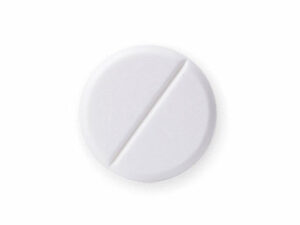
| Form | Tablets (strengths may vary by product presentation) |
| How it works | Kills susceptible parasites and helps the body clear them |
| Typical use | Often single-day or short-course dosing, depending on the condition and species |
How Biltricide works (mechanism of action)
Praziquantel acts directly on the parasite. It increases the permeability of the parasite’s body (cell membranes) to calcium and other ions. This leads to:
- Paralysis of the worm/fluke
- Disruption of the parasite’s normal movement and function
- Damage to the parasite, allowing the immune system and the body’s natural processes to clear it
The result is that praziquantel helps eliminate the parasite burden and can reduce symptoms and complications associated with infection.
Pharmacokinetics (how the body handles it)
Understanding pharmacokinetics helps explain why timing, food, and liver health can matter.
- Absorption: Praziquantel is absorbed through the gastrointestinal tract.
- Peak levels: Blood levels rise after taking the tablets, with peak concentrations occurring within hours.
- Metabolism: It is extensively metabolised in the liver.
- Excretion: Metabolites are excreted mainly via the urine and to a lesser extent in other routes.
- Protein binding: It is highly protein bound, which can influence distribution.
Because the medicine is processed by the liver, people with certain liver problems may need closer review.
What Biltricide is used for (indications)
Biltricide is used to treat infections caused by parasites that are susceptible to praziquantel. Indications can include:
- Schistosomiasis (also called bilharzia) caused by different Schistosoma species
- Trematode infections (flukes), depending on the specific parasite
- Some tapeworm infections (cestodes) depending on local guidance and the organism
Which exact infection is treated depends on diagnosis (often based on travel history, symptoms, and lab tests). If you’re unsure what your infection is, it’s important to confirm the organism before selecting a treatment plan.
Typical dosing and timing
Dosing depends on the diagnosis, the parasite species, age/weight, and severity. Treatment schedules vary widely between conditions (for example, different schistosomiasis species may use different dosing regimens).
General principles for timing:
- Take doses at the times directed for your condition.
- If your course involves multiple doses in a day, space them according to the instructions provided.
- Complete the full course even if you feel better.
Example dosing patterns (for general understanding)
Many praziquantel regimens are short-course. Some common examples in clinical practice include:
- Single-day courses for certain infections
- Divided dosing over 1–2 days for other conditions
- Weight-based dosing in mg per kilogram (kg)
The exact number of tablets and the total dose should be calculated by your clinician/pharmacist based on your diagnosis and your weight.
How to take Biltricide (practical use)
Biltricide tablets should be taken according to the instructions with your medicine. Practical considerations can help ensure reliable absorption.
With food or without?
Many people are advised to take praziquantel with food, because food can improve absorption and reduce gastrointestinal discomfort for some patients.
- Consider taking it with a meal or immediately after eating if your directions allow.
- If you experience nausea, taking with food may help.
Swallowing
Swallow tablets with water. Do not crush or chew unless your product instructions specifically allow it.
Missed dose
If you miss a scheduled dose, follow the guidance provided with your medicine. In general:
- Do not take a double dose to make up for a missed one.
- Contact a healthcare professional or pharmacist for advice if you’re unsure.
Food interactions and absorption tips
While praziquantel is taken by mouth, food may influence how well it absorbs. The most common practical advice is to take it with food.
- Take with food unless you have been told otherwise.
- Avoid very heavy meals if they worsen nausea, but do not take on a completely empty stomach unless instructed.
- If you have vomiting shortly after taking tablets, absorption may be affected—seek advice promptly.
Alcohol and medicine interactions
Alcohol
Alcohol can increase the risk of side effects such as dizziness and
Other medicine interactions (important)
Praziquantel is metabolised in the liver. Medicines that strongly affect liver enzymes can alter praziquantel levels and effectiveness or change side-effect risk.
Please inform your clinician/pharmacist if you take any of the following (examples):
- Rifampicin (an antibiotic used for certain infections)
- Anticonvulsants such as carbamazepine, phenytoin, phenobarbital (enzyme inducers)
- Some HIV medicines (varies by regimen)
- Certain sedatives if dizziness occurs (not necessarily a direct interaction, but a combined effect on alertness may occur)
This is not an exhaustive list. Always review your full medication list, including over-the-counter products and herbal remedies, with a healthcare professional or pharmacist.
Safety profile: common and serious side effects
Like all medicines, Biltricide can cause side effects. Many people experience mild or temporary effects, especially around the time of dosing.
Common side effects
- Headache
- Dizziness or light-headedness
- Fatigue
- Nausea or stomach discomfort
- Diarrhoea
- Abdominal pain
- Fever or general “unwell” feeling
Neurological and other serious reactions (seek urgent advice)
Some infections—particularly certain parasitic diseases—can cause inflammation when parasites die. This can lead to worsening symptoms, which may require prompt medical evaluation. Seek urgent medical help if you develop:
- Severe headache, confusion, drowsiness, or fitting (seizure)
- Vision changes or severe eye pain
- Difficulty breathing or swelling of the face/lips (possible allergic reaction)
- Persistent vomiting or inability to keep fluids down
- Rash with breathing difficulty (possible allergy)
When you may need extra caution
Extra care may be needed if you have:
- Liver disease or significantly reduced liver function
- Eye involvement from parasitic infection
- Neurological involvement or symptoms affecting the brain/spinal cord
- History of seizures
- Complex medication regimens with potential liver-enzyme interactions
Safety tips during treatment
- Hydrate: If you experience diarrhoea or nausea, drink fluids regularly.
- Be cautious with driving: Dizziness can occur. Avoid driving or operating machinery if you feel unsteady.
- Know the expected timeframe: Mild side effects often settle after the dose period. Persistent/worsening symptoms should be reviewed.
- Do not stop early: Completing the full dose schedule supports treatment success.
Practical steps to maximise effectiveness
- Use the correct diagnosis: Praziquantel works for specific parasites; taking it when the infection is different may not help.
- Follow timing closely: If your regimen requires multiple doses, splitting them correctly matters.
- Take with food: Often improves absorption and tolerability.
- Arrange follow-up where recommended: Depending on the parasite and symptoms, repeat testing or reassessment may be advised to confirm cure.
Alternative options (depending on the parasite)
Alternatives to praziquantel depend on the exact organism, site of infection, and severity. Common anti-parasitic options used in various conditions may include:
- Albendazole — used for some worm infections (different indications from praziquantel)
- Mebendazole — used for some intestinal helminths
- Triclabendazole — used for certain liver fluke infections
- Other anti-schistosomal treatments may be used in some settings based on local guidelines
The best alternative cannot be selected safely without knowing the specific diagnosis. Always confirm the parasite species and treatment plan with appropriate medical advice.
UK market and legal context (high-level information)
In the UK, access to medicines is regulated by medicines legislation and prescribing/dispensing rules. Praziquantel products such as Biltricide are supplied through appropriate channels for eligible patients, with guidance from healthcare professionals and/or local formularies.
Availability can vary by strength, formulation, and supply chain. Online pharmacies may offer medicines where they are legally permitted to do so and may require an assessment process in line with UK requirements.
Recent guidance and clinical considerations (UK context)
Treatment recommendations for parasitic infections can evolve as new evidence and monitoring data become available. In the UK, clinicians typically follow nationally recognised guidance and specialist input (for example, from tropical medicine services) when treating schistosomiasis and other helminth infections.
- Diagnosis matters: Confirming the parasite type and stage helps determine the correct regimen.
- Inflammatory reactions: For some infections, symptoms can temporarily worsen as parasites die, so monitoring and supportive care may be needed.
- Follow-up testing: Some conditions require repeat assessment rather than assuming cure after a single dose.
If you have symptoms that are severe, persistent, or involve the eye, nervous system, or urinary tract, seek prompt clinical review.
Delivery and availability from an online pharmacy
Biltricide availability may depend on current stock levels, batch distribution, and the specific strength/formulation supplied. Most online pharmacies in the UK offer:
- Secure, tracked delivery to UK addresses
- Packaging designed to protect tablets during transit
- Estimated delivery windows at checkout or confirmation email
For the smoothest experience, ensure the address and contact details are correct and keep an eye out for delivery updates. If you need treatment urgently, contact customer support to confirm dispatch times and stock status.
FAQ
1) Is Biltricide the same as praziquantel?
Yes. Biltricide is a brand name, and the active ingredient is praziquantel.
2) How soon will I feel better?
This varies depending on the parasite, how much infection is present, and your symptoms before treatment. Some people notice improvement within days, while others may require follow-up assessment. If symptoms worsen significantly after treatment, seek medical advice promptly.
3) Can I take Biltricide with food?
Often, yes. Taking praziquantel with food can improve absorption and may reduce nausea. Follow the instructions provided with your specific product.
4) What if I vomit after taking the tablets?
If vomiting occurs soon after a dose, the medicine may not have been fully absorbed. Contact a pharmacist or healthcare professional for guidance rather than taking an extra dose on your own.
5) Does Biltricide interact with alcohol?
Alcohol may worsen side effects such as dizziness and stomach upset. It’s generally advised to avoid or minimise alcohol during treatment, especially on dosing days.
6) What medicines should I tell the pharmacy about?
Tell them about all medicines you take, including over-the-counter products and herbal supplements—particularly medicines that affect liver enzymes (for example, some anti-seizure medicines or rifampicin).
7) Can children take Biltricide?
Children may be treated depending on the diagnosis and weight-based dosing. Dosing must be calculated carefully. If you are treating a child, confirm the regimen with a qualified clinician or pharmacist.
8) Are there any long-term risks?
Most people tolerate praziquantel well. Long-term risks are uncommon, but your overall safety depends on the infection being treated, your general health (including liver function), and any other medicines you use. If you have ongoing concerns, discuss them with a clinician.
9) Do I need follow-up tests?
In many parasitic infections, follow-up is recommended to confirm cure, especially if symptoms persist or if diagnosis requires confirmation of parasite clearance. Your clinician will advise based on your condition.
10) What should I do if I miss a dose?
Don’t take a double dose. Follow the instructions on your medicine or seek advice from a pharmacist to understand the safest next step.
Important: If you experience severe or unusual symptoms, signs of allergic reaction, or neurological symptoms after taking Biltricide, seek urgent medical advice.