Colchicum autumnale (Autumn Crocus) — Patient Information (UK)
Colchicum autumnale is a plant-derived medicine used to treat certain medical conditions, most importantly gout flares and prevention of gout attacks in selected patients. It contains a biologically active compound (colchicine) that can reduce inflammation. Because the medicine has a narrow safety margin, it must be used carefully and according to healthcare advice.
This page provides patient-friendly, practical information about how Colchicum autumnale works, how it is used, key safety points, possible interactions (including with alcohol and other medicines), and what to expect when taking it in the UK.
Basic product information
| Feature | What to know |
|---|---|
| Active substance | Colchicum autumnale preparations (commonly the active constituent is colchicine, depending on product formulation) |
| Common uses | Gout flares; sometimes for prevention of gout attacks when advised |
| How it works | Reduces inflammation by interfering with microtubule function and inflammatory signalling |
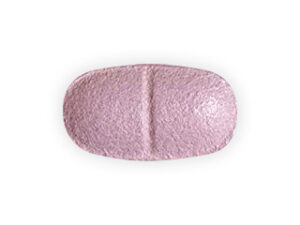
| Typical formulations | Oral tablets/capsules and similar preparations; dosing schedules vary by strength |
| Availability in the UK | Availability depends on product type and licensing status; some colchicine medicines are widely used for gout in the UK |
How Colchicum autumnale works (mechanism of action)
Colchicum autumnale works mainly by lowering the body’s inflammatory response. The active compound (colchicine) interferes with microtubules, which are structural elements within cells. This affects processes involved in inflammation, including how immune cells move and how inflammatory chemicals are released.
In gout, inflammation is triggered when urate crystals form and stimulate the immune system. By reducing inflammatory activity, Colchicum autumnale can help to:
- Reduce pain, swelling, and redness during a gout flare
- Shorten flare duration when taken early
- Help reduce the likelihood of future flares in specific prevention plans
Pharmacokinetics (how the body processes it)
Pharmacokinetics describes how the body absorbs, distributes, metabolises, and eliminates the medicine. For colchicine-based medicines, key features include:
- Absorption: Orally administered colchicine is absorbed from the gut, but absorption can vary between people and formulations.
- Distribution: It distributes to tissues, including those involved in inflammatory responses.
- Metabolism: Colchicine is metabolised partly by liver enzymes (including CYP3A4) and can be affected by transport proteins.
- Elimination: The medicine is cleared from the body through a combination of metabolism and excretion.
- Drug interactions: Because of metabolism and transport pathways, some medicines can significantly increase colchicine levels, raising the risk of toxicity.
- Kidney and liver function: Impaired kidney or liver function can increase exposure and side effects.
Your exact risk profile depends on the product’s strength, your age, kidney and liver function, and other medicines you take. If you have kidney problems, liver disease, or are older, you may need different dosing or extra caution.
Typical uses and indications
Colchicum autumnale is used for conditions where inflammation needs rapid control, most commonly:
- Acute gout flares: To reduce symptoms and inflammation in the short term.
- Prevention of gout attacks: In some patients, as part of a longer-term management plan (for example when urate-lowering treatment is started or adjusted), based on clinician advice.
In other inflammatory conditions, colchicine may be used off-label in certain settings in some countries; however, in the UK, its most established role is in gout. If you are considering use for another condition, seek advice from a qualified healthcare professional.
When to take it (timing)
Timing is important for gout flares. Colchicum autumnale tends to work best when started early during an attack, rather than waiting until symptoms are severe.
- For acute gout: Start as soon as possible after symptoms begin, following your prescribed regimen.
- For prevention (if advised): Take on a consistent schedule as instructed, not just during attacks.
- Don’t double up: If you miss a dose, take it as soon as you remember unless it is close to the next dose. Follow the instructions in your medicine guidance.
Dosing (general guidance for UK patients)
Dosing depends on the specific product, the strength of the medicine, your age, and your kidney/liver function. Always use the dose stated on your medicine label and follow instructions provided by your healthcare professional or the product information leaflet.
Important: Colchicine can be dangerous if taken in excess. Do not exceed the recommended dose.
Example dosing principles (not a substitute for your individual plan)
- Acute gout flare: Clinicians often prescribe a rapid initial regimen followed by further doses as needed, within strict maximum limits.
- Prevention: Lower, regular dosing may be used, particularly when starting urate-lowering therapy or during high-risk periods.
If you are unsure about your dosing schedule, check the packaging or speak to a pharmacist before taking further doses. If you experience significant diarrhoea, vomiting, severe abdominal cramps, unusual bruising, muscle weakness, or dizziness, stop and seek urgent medical advice.
Food interactions
Food can influence how some medicines are absorbed. With colchicine-based medicines, the interaction is often manageable, but patient guidance commonly includes:
- Take with or without food as directed by your product label. If your stomach is sensitive, taking it with food may improve tolerance.
- Watch for stomach upset: Diarrhoea and nausea are among the more common side effects, especially at higher doses.
There are no specific “avoid completely” dietary rules for all colchicine preparations. However, because drug interactions can be significant, always mention any supplements and herbal products you take.
Alcohol and medicine interactions
Alcohol can worsen dehydration and may aggravate gastrointestinal side effects (such as diarrhoea) associated with Colchicum autumnale. While alcohol is not typically described as a direct “absolute contraindication” for colchicine in all circumstances, it can increase risk.
Alcohol advice
- Avoid heavy drinking: Particularly if you are currently experiencing a gout flare.
- Stay hydrated: Dehydration can increase the risk of side effects.
- Be cautious with repeated use: If you experience nausea or diarrhoea, limit or avoid alcohol until your symptoms settle.
Common interaction medicines (very important)
Some medicines can increase colchicine levels by affecting metabolism or transport. This can raise the risk of severe toxicity. Examples include (please always check your individual medicine list):
- Strong CYP3A4 inhibitors (some antifungals and certain antibiotics)
- Some HIV medicines
- Other medicines that interact via transport proteins (for example, certain cardiac or lipid-lowering drugs depending on class)
If you are taking medicines for infection, fungal conditions, HIV, heart rhythm, blood pressure, or cholesterol, it is especially important to check interactions with a pharmacist.
If you become unwell while taking colchicine (for instance, severe diarrhoea, vomiting, muscle pain/weakness, numbness/tingling, or unusual bleeding), seek urgent medical help. Toxicity can be serious.
Safety profile (side effects and when to seek help)
Colchicum autumnale can cause side effects, ranging from mild gastrointestinal symptoms to rare but potentially serious toxicity. Risk is higher with high doses, prolonged use, kidney or liver impairment, and interacting medicines.
Common side effects
- Diarrhoea
- Nausea
- Vomiting
- Abdominal pain or cramping
- Loss of appetite
Less common but important risks
- Blood cell changes (rare; may show as bruising, infection, or tiredness)
- Nerve or muscle problems (rare; may appear as weakness, pain, numbness, or difficulty walking)
- Effects on heart rhythm (rare, particularly with overdose or interacting medicines)
- Severe toxicity: can occur with overdose or significant drug interactions
Seek urgent medical advice if
- You have severe or persistent diarrhoea or vomiting
- Symptoms of dehydration occur (dizziness, fainting, very dry mouth, very little urine)
- You experience muscle weakness, severe muscle pain, numbness/tingling
- You feel very unwell, unusually drowsy, confused, or have trouble breathing
- Any signs of bleeding or unusual bruising occur
Who should take extra care?
- People with kidney impairment
- People with liver impairment
- Older adults
- People taking interacting medicines (especially strong CYP3A4 inhibitors)
- People with severe gastrointestinal conditions or dehydration risk
Practical use tips (making treatment safer)
- Use the exact dose on the label: Do not take extra doses “to improve quickly”.
- Check interactions: Before starting colchicine, review all medicines including over-the-counter products and supplements.
- Don’t combine with certain drugs unless advised: If you need an antibiotic or antifungal, tell your clinician or pharmacist that you take colchicine.
- Hydration matters: If you get diarrhoea, maintain fluid intake (as appropriate for your health conditions).
- Plan timing for stomach comfort: If recommended by your product label, taking with food may reduce stomach upset.
- Track your symptoms: Note how quickly pain and swelling improve. If there’s no improvement or symptoms worsen, seek medical advice.
- Do not use plant preparations yourself: Colchicum autumnale contains highly toxic constituents in its raw form. Only use licensed medicinal products prepared and dosed for safety.
Alternative options for gout management (UK overview)
Depending on your health history, a clinician may recommend different approaches to acute gout flares and long-term prevention. Alternatives may include:
For acute gout flare
- Non-steroidal anti-inflammatory drugs (NSAIDs) (if suitable)
- Low-dose corticosteroids (oral or joint injection, depending on circumstances)
- Other anti-inflammatory therapies for specific situations
For long-term prevention
- Urate-lowering therapy (for example, medicines that reduce uric acid levels)
- Lifestyle measures (weight management, diet adjustments, reducing alcohol, staying hydrated)
The “best” option depends on kidney function, other medicines, past flare frequency, and your cardiovascular risk. Your pharmacist or GP can help choose a safe plan.
Market and legal context for the UK
In the United Kingdom, access to medicines is governed by drug licensing and regulation. Colchicine-based medicines are used for gout within UK clinical practice, and the availability of specific Colchicum autumnale products can vary.
When shopping online, it is important to ensure:
- The product is licensed for use in the UK (where applicable)
- The medicine is from a reputable, authorised supplier
- The dose strength matches your intended treatment plan
- Storage and handling instructions on the packaging are followed
If you see “Colchicum autumnale” as a supplement or homeopathic remedy, this may not be equivalent to licensed colchicine therapy. Safety and dosing can differ significantly. Always confirm the type of product you are buying and consult a pharmacist if unsure.
Recent guidance and clinical practice notes (UK context)
UK and international clinical guidance commonly emphasises:
- Early treatment of flares to improve symptom control
- Using colchicine carefully, particularly in people with kidney impairment or those taking interacting drugs
- Starting urate-lowering therapy appropriately and using flare prophylaxis when indicated
- Reviewing medication lists to avoid harmful interactions
Product-specific advice may differ, so always follow the information supplied with your particular medicine.
Delivery and availability
Availability can vary by formulation and strength. In the UK, we recommend checking:
- Stock status: real-time availability may change
- Delivery options: standard and express services may differ by location
- Packaging: medicines should arrive in secure tamper-evident packaging
- Storage requirements: keep the medicine as stated on the pack
If a product is temporarily out of stock, you may be offered alternatives or an estimated restock date. Always ensure you receive the correct strength and directions for your use.
FAQ
1) Is Colchicum autumnale the same as colchicine?
Colchicum autumnale is the plant source. Many licensed “colchicine” medicines are derived from this source. The exact equivalence depends on the product and how it is formulated. Always check the active ingredient and strength on the packaging.
2) How quickly will it work for a gout flare?
When taken early, it often helps reduce inflammation within hours to a day. Individual response varies, and severe flares may require additional treatment. If you’re not improving or you worsen, contact a clinician promptly.
3) Can I take it every day?
Some patients take colchicine as short-term or longer-term prevention under a clinician’s plan. Do not take it daily unless you have been specifically instructed to do so. Because toxicity risk increases with higher exposure and interactions, ongoing use requires proper oversight.
4) What should I do if I miss a dose?
Follow the instructions on your medicine label or patient leaflet. In general, don’t take an extra dose to make up for a missed one. If you’re unsure, ask a pharmacist for advice.
5) What medicines should I avoid while taking colchicine/Colchicum autumnale?
Avoid combinations that increase colchicine levels, particularly certain strong antifungals and antibiotics, some HIV medicines, and other interacting drug classes. Always provide your full list of medicines to a pharmacist to check interactions for your specific regimen.
6) Can I drink alcohol while taking it?
It’s best to keep alcohol to a minimum, especially during a flare. Alcohol can worsen dehydration and may increase gastrointestinal side effects. If you experience diarrhoea or vomiting, avoid alcohol and drink fluids appropriately.
7) Are there warning signs of overdose?
Yes. Severe diarrhoea, vomiting, abdominal pain, weakness, numbness/tingling, unusual bruising or bleeding, and feeling very unwell can be signs of serious toxicity. If overdose is suspected, seek urgent medical help immediately.
8) Who should not take it or should ask for extra advice?
Extra caution is needed for people with kidney or liver impairment, older age, and those taking interacting medicines. If you have any relevant medical conditions or take multiple medicines, consult a pharmacist before use.
9) What lifestyle changes can reduce gout flares?
Lifestyle measures often help reduce flare frequency. These can include maintaining a healthy weight, staying hydrated, moderating alcohol, and adjusting dietary triggers (as recommended by your clinician). Urate-lowering therapy may still be needed for long-term control.
10) What if I’m pregnant or breastfeeding?
Colchicine may require special consideration during pregnancy or breastfeeding. Speak to a healthcare professional for advice before use. Do not start or continue without appropriate guidance.
Summary
Colchicum autumnale (colchicine-based therapy) is a key treatment option for gout flares and, in some cases, prevention. It works by reducing inflammatory processes, but it can cause significant side effects—especially gastrointestinal symptoms— and can be dangerous when taken incorrectly or combined with interacting medicines. For safest use in the UK:
- Start early for acute gout flares as advised
- Follow the exact dosing instructions on the label
- Check for drug interactions, especially with antibiotics/antifungals and other interacting medicines
- Limit alcohol and stay hydrated
- Seek urgent advice if you develop severe symptoms
For personalised guidance, consult a pharmacist or healthcare professional—particularly if you have kidney or liver problems or take other medicines.