
Colchicine (Colchicum autumnale) – Patient Guide (UK)
Colchicine is a medicine used mainly for certain inflammatory conditions, particularly gout. It is derived from Colchicum autumnale (autumn crocus) and has been used for many years. Because colchicine can cause side effects if taken in the wrong way or with interacting medicines, it’s important to use it carefully and follow UK prescribing and safety guidance.
This guide explains what colchicine does, how it works, how it behaves in the body, what it’s used for, and key safety considerations— including interactions with other medicines, alcohol, food timing, and practical tips for use in the UK.
Basic product information
| Feature | Details |
|---|---|
| Medicine | Colchicine |
| Source | Derived from Colchicum autumnale |
| Common uses | Gout (flares and prevention in appropriate patients); some inflammatory/other indications under specialist guidance |
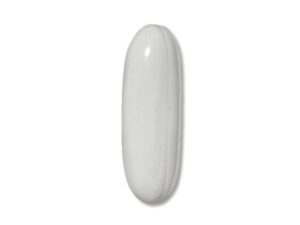
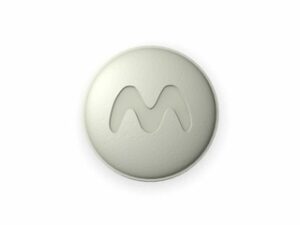
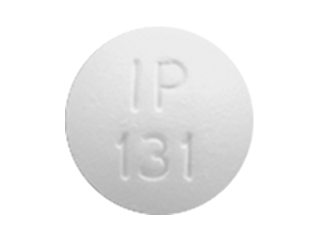
| Formulations | Available in tablet forms in the UK depending on brand/product |
| Typical route | Oral (by mouth) |
How colchicine works (mechanism of action)
Colchicine reduces inflammation by interfering with key cellular processes involved in inflammatory pathways. In gout, crystals can trigger an intense immune response that recruits white blood cells and leads to pain, swelling and redness. Colchicine works by:
- Inhibiting microtubule formation in certain cells, which helps stop immune cells from moving and activating effectively.
- Reducing inflammatory signalling associated with neutrophils (a type of white blood cell).
- Helping to limit the cascade that leads to the flare’s worsening symptoms.
This is why colchicine is generally most effective when started early in a flare (as described below under timing).
Pharmacokinetics: what the body does with colchicine
Pharmacokinetics describes how the body absorbs, distributes, metabolises and eliminates a medicine. Understanding these processes helps explain important safety issues, especially in people with kidney or liver problems.
Absorption
Colchicine is absorbed after oral intake. The exact speed and extent of absorption can vary between individuals. Food may influence absorption slightly, but in practice the more important factor is consistent use and avoiding interactions.
Distribution
Colchicine distributes throughout the body and can remain in tissues. Because it targets cell processes, side effects may occur even at doses that appear similar to other medicines.
Metabolism and elimination
Colchicine is primarily processed via drug transport and metabolic pathways involving enzymes and transporters, including:
- P-glycoprotein (P-gp) (a transporter that affects movement of drugs across cell membranes)
- CYP3A4 (an enzyme involved in drug metabolism)
It is then cleared from the body through a combination of metabolic breakdown and excretion. Clearance may be reduced in people with kidney impairment and/or liver impairment, increasing the risk of toxicity.
Key practical implication: medicines that inhibit P-gp and/or CYP3A4 can raise colchicine levels and increase side effects.
What colchicine is used for in the UK
Colchicine is commonly used for inflammatory conditions where it can reduce symptoms, most notably gout. Use depends on the clinical situation and on UK clinical practice.
Indications (typical uses)
- Acute gout flare: to relieve pain and inflammation during an attack when started early.
- Prevention of gout flares: in some patients during initiation or adjustment of urate-lowering strategies, and where clinically appropriate (to reduce flare risk).
- Other inflammatory conditions: colchicine may be used for specific rare inflammatory disorders under specialist supervision in the UK.
Note: The exact indication, suitability and regimen vary by patient factors such as kidney function, liver function, age, and other medicines used.
Dosing: how it’s typically taken
Dose regimens can differ depending on the reason for use, the severity of symptoms, and patient factors such as kidney function. Always follow the dosing plan provided by your clinician and the instructions with your product.
General dosing principles (patient-friendly)
- Start early for flares: colchicine works best when taken soon after the onset of gout symptoms.
- Lower doses may be needed: in older adults or in people with reduced kidney/liver function.
- Do not exceed recommended maximums: colchicine has a narrow margin between effective and unsafe exposure.
Dosing schedules (examples to discuss with a clinician)
In clinical practice, colchicine dosing for acute gout and for prevention differs. The exact details should be confirmed for the specific product strength and patient circumstances. If you have questions, speak to a pharmacist or clinician.
- Acute flare regimens: commonly involve an early dose followed by additional doses spaced out over the day, with a strict maximum limit.
- Prevention regimens: often involve a small dose taken once or twice daily over a period determined by clinical plan (especially around changes in urate-lowering treatment).
Important: Many safety issues come from taking too much, taking more frequently than recommended, or combining with interacting medicines. If you are unsure about timing or dose, contact your healthcare team.
Timing: when to take colchicine
Timing can be crucial, especially in acute gout. Colchicine is not an instant painkiller in the way some analgesics are, but it can reduce inflammation and may help prevent symptoms from escalating.
Acute gout flare
- Take as soon as possible: start early after the first signs of a flare (pain, swelling, warmth).
- Follow the flare dosing schedule exactly: do not “add extra” doses if the pain has not improved quickly.
Prevention (where applicable)
- Consistency matters: take at the same time(s) each day if prescribed that way.
- Continue for the planned duration: prevention is about reducing flare risk over time, not only one day.
Food interactions: does colchicine need food?
Colchicine can be taken with or without food depending on tolerance and product instructions. Some people find it easier on the stomach when taken with food, particularly if they experience nausea or diarrhoea.
- If your stomach feels unsettled, consider taking it with a light meal.
- Maintain the same approach day-to-day unless advised otherwise.
Grapefruit and certain foods
Although food interactions are less commonly discussed than medicine interactions, some foods can affect drug levels by influencing enzymes/transporters. For safety, avoid or limit:
- Grapefruit and grapefruit juice (potential to increase colchicine exposure via metabolic pathways)
If you’re unsure whether a particular food or supplement might interact, ask a pharmacist.
Alcohol: can I drink while taking colchicine?
There is no universally “safe” level of alcohol when taking colchicine because alcohol can worsen dehydration, affect the stomach and liver, and may increase the risk of side effects—especially if you experience diarrhoea or vomiting.
- Avoid heavy drinking: it may increase the chance of dehydration and gastrointestinal upset.
- Be cautious: if you have gout flares linked with diet and alcohol, reducing alcohol intake can also help reduce recurrence.
If you develop diarrhoea, vomiting, or feel unwell, avoid alcohol until you are back to normal and speak to a clinician if symptoms persist.
Medicine interactions: what to watch for
Drug interactions are one of the most important safety topics for colchicine. Many interacting medicines can raise colchicine levels, which can lead to severe toxicity. Always tell your pharmacist and clinician about all medicines you take, including over-the-counter products and herbal supplements.
High-risk interactions (examples)
Medicines that inhibit P-gp and/or CYP3A4 can increase colchicine exposure. Examples that may require avoidance or dose adjustments depending on the situation include:
- Macrolide antibiotics (e.g., clarithromycin, erythromycin)
- Azole antifungals (e.g., ketoconazole, itraconazole)
- Some antiviral medicines used for viral infections (specific agents vary)
- Some calcium-channel blockers (e.g., verapamil, diltiazem)
- Other CYP3A4/P-gp inhibitors (including some heart and other medicines)
Other interaction considerations
- Statins and muscle risk: some combinations may increase the risk of muscle injury in susceptible patients. Seek medical advice if you develop unexplained muscle pain, weakness, or dark urine.
- Kidney-impacting situations: dehydration from diarrhoea/vomiting or illness can increase colchicine risk, so avoid becoming dehydrated.
- Other gout medicines: colchicine is often used alongside or near other gout treatments. The exact regimen should be coordinated.
Action point: If you start or stop any medicine (including antibiotics/antifungals), contact a pharmacist to check colchicine safety.
Safety profile: side effects and when to seek help
Like all medicines, colchicine can cause side effects. Many side effects relate to the gastrointestinal tract, especially if doses are too high or drug levels build up due to interactions or reduced clearance.
Common side effects
- Diarrhoea
- Nausea
- Vomiting
- Stomach cramps
Serious side effects (urgent)
Seek urgent medical advice if you experience signs of serious toxicity, which can include:
- Severe or persistent diarrhoea/vomiting
- Signs of dehydration (dizziness, fainting, very low urine output)
- Unusual weakness, numbness, or severe muscle symptoms
- Fever, severe sore throat, or unexplained bruising/bleeding
- Worsening breathing difficulty or feeling very unwell
If you suspect an overdose or you took more than recommended, treat it as urgent and seek help immediately.
Who should be extra careful
- Older adults
- People with kidney impairment
- People with liver impairment
- People taking interacting medicines (especially P-gp/CYP3A4 inhibitors)
- People with a history of significant gastrointestinal intolerance to medicines
Practical use tips (how to take colchicine safely)
- Keep to the schedule: do not increase the dose to “catch up” if pain persists.
- Plan for sensitive stomachs: taking with a meal may help reduce nausea for some people.
- Stay hydrated: particularly if you experience mild diarrhoea or are unwell.
- Check new medicines: whenever you’re prescribed an antibiotic/antifungal or started on a new chronic medicine, ask a pharmacist whether it interacts with colchicine.
- Avoid grapefruit products unless a clinician/pharmacist confirms it is safe.
- Use a medication list: maintain an up-to-date list of your medicines and allergies for each healthcare visit.
Alternative options for gout and inflammatory conditions
If colchicine is not suitable due to side effects, interactions, or individual clinical factors, doctors may consider alternatives. Options for gout flares and gout prevention vary by person and comorbidities.
Possible alternatives (gout-related)
- NSAIDs (anti-inflammatory painkillers) for acute flares in appropriate patients
- Corticosteroids (oral or injection, depending on clinical setting)
- Urate-lowering treatments for long-term management of gout (to reduce urate levels and prevent future attacks)
If you’re exploring alternatives, a clinician can tailor treatment based on kidney function, stomach ulcers history, cardiovascular risk, and other medicines.
UK market and legal context: how colchicine is supplied
In the United Kingdom, medicine supply is regulated to ensure safe use and appropriate patient information. Colchicine availability can depend on:
- Licensed product status and the specific formulation/strength available
- Safety controls and which clinical indication is being treated
- Local prescribing and supply protocols within the NHS and private healthcare
- Pharmacy rules for medicines classification and dispensing
UK guidance evolves with new safety data and changing clinical evidence. Always check the most up-to-date advice via your healthcare team and trusted NHS resources.
Recent guidance (high-level summary)
Recent UK and international safety messaging has consistently highlighted:
- Higher-risk interactions for colchicine, particularly with P-gp/CYP3A4 inhibitors
- The need for dose adjustment in patients with kidney and/or liver impairment
- Early treatment for acute gout flares when colchicine is used appropriately
If you’re currently taking colchicine and have had a change in kidney function or started a new medicine, it’s worth checking safety promptly with a pharmacist.
Delivery and availability in the UK (online pharmacy)
Availability can vary by brand, strength, and stock levels. When ordering online, you may be offered:
- Standard delivery (typically several working days, depending on carrier and location)
- Express delivery where available
- Click-and-collect options if supported by the pharmacy
During checkout, delivery times and costs will be shown clearly. If a product is temporarily out of stock, you may be offered an alternative brand/strength if clinically appropriate and permitted by supply regulations.
Tip: If colchicine is needed for a flare, avoid waiting until symptoms are severe—contact a healthcare professional early so that the correct treatment plan can be started promptly.
FAQ: Colchicine (Colchicum autumnale)
1) How quickly does colchicine work for a gout flare?
Colchicine is generally most effective when started early in a flare. Some people notice improvement within the first day, while others may take longer. If symptoms are not improving or worsen, seek medical advice rather than increasing the dose.
2) Can I take colchicine with food?
Usually yes. If you feel nauseated, taking it with a meal may help. Always follow the instructions given for your specific product.
3) What should I do if I miss a dose?
If you miss a dose, take it when you remember unless it is close to the next scheduled dose. Do not take extra to make up for it. If you are unsure, ask a pharmacist for advice based on your dosing schedule.
4) Can I drink alcohol while using colchicine?
It’s best to avoid excessive alcohol. Alcohol may worsen dehydration and stomach irritation and can affect how well you tolerate treatment. If you experience diarrhoea or vomiting, avoid alcohol and seek advice if symptoms persist.
5) Why are interactions with antibiotics and antifungal medicines important?
Many antibiotics and antifungals can increase colchicine levels by blocking transporters/enzymes. This can raise the risk of serious side effects. Always ask a pharmacist when starting a new medicine.
6) Is colchicine safe for people with kidney problems?
Dose adjustments or alternative approaches may be needed. Reduced kidney function can increase colchicine exposure and toxicity risk. If you have kidney impairment, review your regimen carefully with a healthcare professional.
7) What are the earliest warning signs of too much colchicine?
Early signs often involve the gastrointestinal tract—especially severe diarrhoea, vomiting, or abdominal cramping—sometimes with weakness or feeling very unwell. Seek urgent help if you suspect overdose or severe toxicity.
8) Can colchicine be used long-term?
Some patients take colchicine for prevention depending on clinical plan. Long-term use requires periodic safety review, especially regarding kidney/liver function and potential drug interactions.
9) What are good lifestyle steps to reduce gout flares?
Lifestyle advice varies by person, but commonly includes staying hydrated, limiting alcohol (especially beer/spirits), moderating high-purine foods, managing weight if relevant, and taking long-term urate-lowering therapy when recommended.
10) Are there alternatives to colchicine?
Yes. Alternatives for gout flares can include NSAIDs or corticosteroids for selected patients. For prevention, long-term urate-lowering therapy is often key. The best option depends on your health conditions and other medicines.
Summary: key points to remember
- Colchicine is used for gout flares and sometimes for prevention in suitable patients.
- It is most effective for acute gout when started early.
- Safety depends strongly on avoiding drug interactions, especially with medicines that inhibit P-gp/CYP3A4.
- People with kidney or liver problems may need special dose adjustments.
- If you develop severe diarrhoea/vomiting or feel very unwell, seek urgent medical help.
This information is intended to support safe self-care and informed conversations with healthcare professionals. For personalised advice, speak to a pharmacist or clinician, particularly if you have other medical conditions or take multiple medicines.