Indocin (Indomethacin) – Patient Information (UK)
Indocin contains the medicine indomethacin, a non-steroidal anti-inflammatory drug (NSAID). It is used to relieve pain and inflammation associated with certain conditions, and it can help reduce swelling and stiffness.
This page explains how Indocin works, what it is commonly used for, how it is taken, and important safety information. If you are unsure whether Indocin is suitable for you, speak to a qualified healthcare professional.
Basic product information
- Medicine name: Indocin
- Active ingredient: Indomethacin
- Class: NSAID (non-steroidal anti-inflammatory drug)
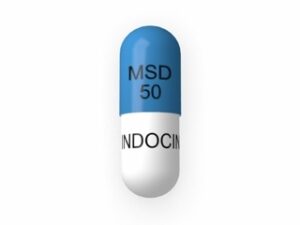
- Common forms: Oral capsules or tablets (availability may vary)
- Also known as: Indomethacin
- Who it’s for: Adults and, in some situations, children under specialist direction (UK practice depends on indication)
How Indocin works (mechanism of action)
Indomethacin works by reducing the production of substances in the body called prostaglandins. Prostaglandins contribute to:
- Pain (by sensitising nerves)
- Inflammation (by supporting inflammatory processes)
- Fever (in some cases)
It does this mainly by inhibiting an enzyme called cyclo-oxygenase (COX), which is involved in prostaglandin production (often described as COX inhibition, reducing prostaglandins).
Pharmacokinetics (how the body handles indomethacin)
Pharmacokinetics describes what the body does with a medicine—absorption, distribution, metabolism, and elimination.
| Topic | What typically happens with indomethacin |
|---|---|
| Absorption | After oral dosing, indomethacin is absorbed through the gastrointestinal tract. Food may affect the speed of absorption more than the overall amount. |
| Onset of effect | Some pain relief may be felt within hours. Full benefit for inflammatory conditions may take days and depend on the condition and dose. |
| Distribution | It distributes throughout the body and can reach sites of inflammation. |
| Metabolism | Primarily metabolised in the liver. |
| Elimination | Excreted mainly via the kidneys (including metabolites). Some may be eliminated through bile. |
| Half-life | Indomethacin has a relatively short to intermediate half-life, so dosing schedules are important for symptom control. |
Note: Individual response and levels may vary based on age, other medicines, kidney and liver function, and the condition being treated.
What Indocin is used for (typical use)
Indomethacin is used for conditions where inflammation and pain are prominent. Depending on local clinical practice in the UK, Indomethacin may be used for certain inflammatory and musculoskeletal conditions. It may also be used in specialist settings for specific types of pain or inflammation.
Commonly treated indications may include:
- Inflammatory joint conditions (such as some forms of arthritis)
- Acute flare-ups where rapid anti-inflammatory effect is needed
- Other specialist indications determined by a clinician
Important: Indomethacin is not suitable for everyone. Your clinician will consider your medical history (especially stomach ulcers, bleeding risk, kidney disease, heart disease, and blood pressure) before recommending an NSAID.
Timing and how to take it
How you take Indocin affects tolerability and symptom control.
General timing guidance
- Take at the times prescribed to maintain symptom relief.
- Consistency matters: if taken more than once daily, try to space doses evenly.
- Do not exceed the recommended dose or take it more frequently than advised.
How to take it with food
Indomethacin can irritate the stomach. Taking it with food or after meals may reduce stomach discomfort and lower the risk of indigestion.
If you are taking it and you still get stomach symptoms, discuss options with a healthcare professional rather than simply increasing dose or frequency.
Food interactions (what to watch for)
Food generally helps reduce stomach irritation. However, certain dietary and drink habits can increase gastrointestinal risk.
- Taking with food: usually recommended to minimise gastric irritation.
- Alcohol: can increase the risk of stomach bleeding (see the alcohol section below).
- Gastro-irritating foods: very spicy meals or heavy alcohol intake may worsen symptoms such as heartburn in some people.
Grapefruit: Unlike some medicines, indomethacin does not have a well-known major grapefruit interaction for most patients. Still, if you notice side effects after dietary changes, seek advice.
Alcohol and medicine interactions
Alcohol
It is generally advisable to avoid or minimise alcohol while taking indomethacin. Alcohol and NSAIDs together increase the risk of:
- Stomach irritation
- Gastric ulcers
- Gastrointestinal bleeding
If you drink alcohol regularly, discuss safe limits with a healthcare professional.
Other medicines that may interact
NSAIDs can interact with many medicines. Examples include:
- Other NSAIDs (e.g., ibuprofen, naproxen, aspirin used for pain): increases GI and kidney risks.
- Blood thinning medicines (e.g., warfarin, DOACs like apixaban/rivaroxaban): may increase bleeding risk.
- Antiplatelet medicines (e.g., clopidogrel): may increase bleeding risk.
- Corticosteroids (e.g., prednisolone): can increase ulcer/bleeding risk.
- SSRIs/SNRIs (e.g., sertraline, citalopram, venlafaxine): may increase bleeding risk, particularly from the gut.
- Diuretics and medicines that affect blood pressure (e.g., ACE inhibitors, ARBs): NSAIDs can reduce kidney function in some situations and may affect blood pressure control.
- Lithium: NSAIDs may increase lithium levels.
- Methotrexate: NSAIDs may increase methotrexate levels and toxicity (especially at higher doses).
- Digoxin: NSAIDs can sometimes affect digoxin levels.
This list is not exhaustive. If you take multiple medicines, check the full medication list with a healthcare professional or pharmacist before starting Indocin.
Indications (when doctors may choose Indocin)
In UK clinical practice, indomethacin may be chosen when an NSAID is needed to manage pain and inflammation, and when the specific condition responds to indomethacin. Indications can vary based on:
- Your symptoms and diagnosis
- Previous response to NSAIDs
- Your risk factors for side effects (especially stomach, kidney, and cardiovascular risks)
- Local prescribing preferences and guidance
Do not self-start Indocin for a new problem without advice if you have risk factors such as previous stomach ulcer or bleeding, kidney disease, or heart disease.
Dosing (general information)
Dosing must be individualised based on the indication, age, kidney and liver function, and other medications. Your clinician will decide the safest dose for you.
Key principles
- Use the lowest effective dose for the shortest possible time to reduce side effects.
- Follow the schedule exactly (frequency and timing).
- Do not increase dose if pain persists—contact a healthcare professional to review options.
What a typical regimen may look like
Indomethacin dosing schedules vary by formulation (immediate-release vs other types), and by condition. Many NSAIDs are taken multiple times per day due to pharmacokinetic properties. Your exact regimen should be based on your product instructions and clinician advice.
If you are unsure about your dose: check the packaging and product leaflet, or speak to a pharmacist.
Safety profile: important risks
Like all NSAIDs, indomethacin can cause side effects. Some risks are serious and require urgent action.
Common side effects
- Stomach upset (indigestion, heartburn, nausea)
- Abdominal pain
- Headache or dizziness (in some people)
- Fluid retention (in some cases)
Serious risks (seek urgent medical advice if these occur)
- Signs of stomach bleeding: black/tarry stools, vomiting blood or material like “coffee grounds”, unusual weakness or fainting.
- Severe allergic reaction: swelling of the face/lips, wheezing, severe rash, trouble breathing.
- Kidney problems: reduced urination, swelling of legs/feet, sudden weight gain, persistent tiredness.
- Chest pain or shortness of breath, sudden weakness, or speech problems (possible cardiovascular event).
- Severe skin reactions (rare but serious): blistering, peeling, or widespread rash with fever.
Who should be extra cautious
You should discuss suitability carefully if you have any of the following:
- Past stomach ulcer or gastrointestinal bleeding
- History of NSAID intolerance (including asthma triggered by NSAIDs)
- Kidney disease or dehydration
- Heart disease, stroke history, or uncontrolled high blood pressure
- Liver disease
- Ageing/frailty (higher risk of adverse events)
Practical use tips (to get the benefit and reduce risk)
- Take with food to reduce stomach irritation.
- Stay hydrated, particularly if you are elderly or at risk of kidney problems.
- Avoid combining NSAIDs (do not take ibuprofen/naproxen alongside Indocin).
- Keep your medicines list updated (including over-the-counter pain relief and herbal products).
- Watch for warning signs: black stools, severe abdominal pain, unexplained bruising, breathlessness, swelling.
- Use the lowest effective dose and avoid long courses unless your clinician advises otherwise.
- Consider stomach protection if advised: some people may be prescribed gastro-protective treatment when NSAIDs are necessary.
Alternative options
Depending on your diagnosis and risk factors, alternatives may include:
- Other NSAIDs (e.g., ibuprofen, naproxen) – choice depends on your risk profile and previous response.
- Paracetamol (acetaminophen) for pain relief in some conditions, though it doesn’t provide the same anti-inflammatory effect.
- Topical NSAIDs (e.g., topical diclofenac) for some joint and soft tissue pain—often with lower systemic exposure.
- Non-drug measures such as physiotherapy, exercise programmes, heat/cold therapy, and activity modification.
- Condition-specific treatments for inflammatory diseases (e.g., disease-modifying therapies), usually under specialist management.
Your pharmacist or clinician can help you compare options, considering your medical history and the severity of symptoms.
UK market and legal context (what it means for you)
In the UK, medicines are regulated and classified by UK medicines law and guidance from UK health authorities. Indomethacin/Indocin-containing products may be subject to prescribing and supply rules depending on:
- The product’s form and strength
- The indication and patient group
- Regulatory classification and local pharmacy processes
When buying medicines online, ensure the website is reputable, licensed to supply, and offers clear product details, delivery information, and patient safety information.
Important: NSAIDs can be harmful for some people. UK safety information typically emphasises careful screening for risk factors and patient counselling.
Recent guidance and safety messaging (UK)
Guidance in the UK and across Europe has consistently stressed:
- Use NSAIDs at the lowest effective dose for the shortest duration.
- Assess cardiovascular and gastrointestinal risk before starting and during treatment.
- Avoid taking multiple NSAIDs together.
- Monitor for side effects, especially in older adults or those with kidney disease or a history of ulcer/bleeding.
Pharmacists and clinicians may recommend gastro-protective strategies for higher-risk patients and may review the need for continued NSAID treatment if symptoms persist.
Delivery and availability (UK online pharmacy)
Availability of Indocin may vary by strength and formulation. A reputable UK online pharmacy typically provides:
- Clear stock status (in-stock, pre-order, or back-order)
- Estimated delivery times depending on location
- Secure packaging to protect tablets/capsules
- Discreet delivery
Delivery considerations: delivery timing can be affected by stock levels, courier availability, public holidays, and local address details. When ordering, confirm that you can receive the parcel safely at your delivery address.
FAQ
1) Is Indocin the same as indomethacin?
Yes. Indocin is a brand name that contains indomethacin, the active ingredient.
2) How long does Indocin take to work?
Some symptom relief may occur within hours. For inflammatory conditions, noticeable improvement may take several days. If you don’t feel better or symptoms worsen, seek medical advice rather than increasing dose.
3) Can I take Indocin with food?
Yes—taking indomethacin with food or after meals is generally recommended to reduce stomach irritation. If you feel indigestion, try taking it with a full meal (unless your product instructions say otherwise).
4) Can I take other painkillers with Indocin?
Avoid combining with other NSAIDs (like ibuprofen or naproxen). Paracetamol may be considered for pain in some situations, but you should check your total daily paracetamol dose and whether it is suitable for you.
5) What medicines should I avoid?
Be cautious with blood thinners, other NSAIDs, corticosteroids, certain antidepressants, and medicines affecting kidneys or blood pressure. Always review your full list of medicines with a pharmacist.
6) Can I drink alcohol?
It’s best to avoid or minimise alcohol. Alcohol plus NSAIDs increases the risk of stomach bleeding and irritation.
7) What should I do if I miss a dose?
Follow the product instructions provided with your medicine. In general, do not take a double dose to make up for a missed one. If you’re unsure, ask a pharmacist.
8) Who should not use indomethacin?
It may not be suitable if you have a history of NSAID-triggered asthma, active stomach ulcer/bleeding, significant kidney disease, or if your clinician has told you NSAIDs are unsafe for you. Always check suitability with a healthcare professional.
9) Are there any early warning signs of serious problems?
Yes. Seek urgent help if you notice black/tarry stools, vomiting blood, severe abdominal pain, swelling of face/lips, wheezing/trouble breathing, reduced urination, or unexplained chest pain or breathlessness.
10) What are safer alternatives if I can’t tolerate NSAIDs?
Depending on your condition, alternatives may include paracetamol, topical therapies, physiotherapy/exercise, or other treatments chosen by your clinician. In some cases, gastro-protection may allow continued NSAID use under supervision.
Disclaimer: This information is intended to help you understand indomethacin and how it is commonly used. It does not replace advice from a qualified healthcare professional. If you have any concerns about side effects or suitability, seek medical advice promptly.