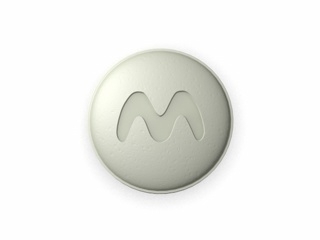
Mobic 7.5 mg / 15 mg Tablets (Meloxicam) — Patient Information (UK)
Brand: Mobic
Active ingredient: Meloxicam
Medicine type: Non-steroidal anti-inflammatory drug (NSAID)
Who it may help: Adults with painful inflammatory conditions such as osteoarthritis, rheumatoid arthritis, or ankylosing spondylitis.
This guide explains how Mobic works, how it is usually used, key safety points, and what to discuss with a pharmacist or doctor.
Basic product information
Mobic contains meloxicam, an NSAID used to relieve pain and inflammation. It is available as tablets in different strengths (commonly 7.5 mg and 15 mg). Your exact strength and dose may vary depending on your condition and response.
- Available form: Oral tablets
- Typical dosing frequency: Once daily in many cases
- Medicines group: NSAIDs (anti-inflammatory painkillers)
How Mobic (meloxicam) works
Mobic works by reducing inflammation-related chemicals called prostaglandins. Prostaglandins are involved in pain, swelling, and stiffness.
Meloxicam is an NSAID that preferentially inhibits COX-2 (more than COX-1 at usual therapeutic doses), though it still affects both to some degree. By lowering prostaglandin production, it helps:
- Reduce pain
- Improve mobility and reduce stiffness
- Decrease inflammation
Important: Mobic helps symptoms and inflammation. It does not cure the underlying joint condition, so ongoing management may still be needed.
Pharmacokinetics (how your body handles it)
Pharmacokinetics describes what happens after you take a dose—absorption, distribution, metabolism, and elimination.
Absorption
- Meloxicam is absorbed reasonably well after taking a tablet.
- Peak blood levels typically occur within a few hours after dosing.
Distribution
- Meloxicam is widely distributed throughout the body and binds to plasma proteins.
- It reaches areas involved in inflammation, including joints.
Metabolism
- Meloxicam is processed mainly by the liver through metabolic pathways involving enzymes such as CYP (cytochrome P450 systems contribute).
Elimination
- It is eliminated from the body by metabolism and subsequent excretion (both urine and faeces contribute).
- The effective duration is why it is often taken once daily.
Why this matters: If you have liver or kidney disease, or you are taking interacting medicines, the way meloxicam is handled may change. Your healthcare professional may adjust dose and monitor you more closely.
Typical uses and indications (UK)
Mobic is used in adults for conditions where inflammation and pain are prominent. Common indications include:
- Osteoarthritis (degenerative joint disease) — to relieve pain and inflammation
- Rheumatoid arthritis — for symptom relief and reduction of inflammatory signs
- Ankylosing spondylitis (including spondyloarthritis) — to reduce pain and stiffness
Your doctor or pharmacist may use meloxicam as part of a broader plan including exercise, physiotherapy, and other medicines depending on your overall health.
When to take Mobic: timing and how often
For many adults, Mobic is taken once daily. The exact timing depends on your condition and recommended dose.
General timing tips
- Try to take it at the same time each day to help keep symptoms controlled.
- If it upsets your stomach, taking it with food may help.
- Do not take more than the recommended daily dose.
How long it takes to work
- Some people notice pain relief within the first day.
- Better anti-inflammatory effect may take several days of consistent use.
If you miss a dose: Take it when you remember on the same day. If it is almost time for your next dose, skip the missed dose. Do not take a double dose.
Dosing (typical adult regimens)
Dose varies by condition, age, and risk factors for side effects (particularly stomach and heart/kidney risks). Always follow the dose provided to you by a healthcare professional.
| Condition | Common starting dose | Notes |
|---|---|---|
| Osteoarthritis | Usually 7.5 mg once daily | Your clinician may increase if needed and tolerated. |
| Rheumatoid arthritis | Usually 7.5 mg once daily | Some people require higher doses; reassessment is recommended. |
| Ankylosing spondylitis | Usually 15 mg once daily | Use the lowest effective dose for the shortest necessary duration. |
Lowest effective dose principle: NSAIDs can carry risks that increase with higher doses and longer use. In the UK, clinical practice generally emphasises using the lowest effective dose for the shortest duration consistent with good symptom control.
Special populations:
- Older adults: Often started at the lower end and monitored more closely.
- Kidney or liver impairment: Dose and safety monitoring may need adjustment.
- History of stomach ulcer or bleeding: Extra caution and prevention strategies may be considered.
Food interactions and stomach comfort
Meloxicam can be taken with or without food. However, taking it with food may help reduce stomach irritation and discomfort.
- If you get indigestion or nausea: try taking Mobic with a meal.
- Avoid taking it on an empty stomach if you are prone to gastric irritation.
Does food change how well it works? Food may slightly affect how quickly it is absorbed, but it generally does not significantly reduce overall benefit. Comfort and stomach safety are the main reasons to take with food.
Alcohol and medicine interactions
Alcohol can increase the risk of stomach bleeding and irritation when combined with NSAIDs.
Alcohol
- Limit or avoid alcohol while taking Mobic.
- If you choose to drink, keep it minimal and pay attention to any stomach symptoms.
Other medicine interactions (important)
Meloxicam may interact with several commonly used medicines. Tell your pharmacist or healthcare professional about all medicines and supplements you take, including over-the-counter products.
- Other NSAIDs (e.g., ibuprofen, naproxen, diclofenac): avoid combining unless specifically advised. Using multiple NSAIDs increases risk of gastrointestinal (GI) bleeding and kidney problems.
- Low-dose aspirin: may be prescribed for heart protection. Do not stop aspirin without medical advice. The combination can still increase bleeding risk.
- Anticoagulants (e.g., warfarin) and antiplatelet drugs: increased bleeding risk. Close monitoring may be needed.
- Selective serotonin reuptake inhibitors (SSRIs) (e.g., sertraline, citalopram) or other antidepressants: can increase GI bleeding risk when combined with NSAIDs.
- Corticosteroids (e.g., prednisolone): can increase GI ulcer/bleeding risk when taken with NSAIDs.
- Diuretics (e.g., furosemide), ACE inhibitors (e.g., lisinopril) or ARBs (e.g., losartan): the combination with NSAIDs can increase risk of kidney injury, particularly in dehydrated people or those with existing kidney disease.
- Lithium: NSAIDs can raise lithium levels, increasing toxicity risk.
- Methotrexate: NSAIDs can affect methotrexate levels and increase side effects; dose-dependent monitoring is required.
- Cyclosporin/tacrolimus: increased risk of kidney damage may occur.
- Cholestyramine: may reduce meloxicam levels (may be used in specific circumstances).
Herbal supplements: Be cautious with products that affect bleeding risk (for example, some supplements). Always check with a pharmacist.
Safety profile: common side effects and when to seek help
Most people tolerate Mobic reasonably well, but all NSAIDs have potential risks. Side effects range from mild stomach upset to serious complications.
Common side effects
- Indigestion, heartburn
- Nausea
- Stomach pain
- Mild dizziness or headache
Serious risks (seek urgent medical help)
Get urgent help if you experience symptoms that may indicate serious complications such as GI bleeding or allergic reaction.
- Signs of stomach/intestinal bleeding: black tarry stools, vomiting blood or material like “coffee grounds”, severe stomach pain, unexplained weakness or fainting.
- Allergic reaction: swelling of the face/lips, wheezing, trouble breathing, widespread rash or blistering skin.
- Severe skin reactions (rare): painful rash, blisters, peeling skin.
- Kidney problems: reduced urine output, swelling in the legs/ankles, sudden weight gain, severe fatigue.
- Heart-related symptoms: chest pain, shortness of breath, sudden weakness, or symptoms of stroke (face drooping, speech difficulty).
Risk factors to discuss with your pharmacist/doctor
- Past history of stomach ulcer or GI bleeding
- Age 65 and over
- History of cardiovascular disease or high cardiovascular risk
- Kidney disease
- Use of medicines that increase bleeding risk (anticoagulants, antiplatelets, SSRIs)
- Dehydration (for example, during illness)
Practical use tips (getting the best balance of benefit and safety)
- Use the lowest effective dose: If your symptoms improve, ask whether a lower dose could still control pain.
- Keep NSAID use short when possible: Review your need regularly—especially if you’re using it continuously.
- Do not combine NSAIDs: Avoid taking ibuprofen/naproxen/diclofenac alongside meloxicam.
- Consider stomach protection if you’re at risk: Your pharmacist or GP may consider a stomach-protecting medicine if you have risk factors.
- Stay hydrated: Dehydration increases kidney risk with NSAIDs.
- Watch for symptoms early: Stop and seek advice if you notice signs of bleeding, severe abdominal pain, or allergic symptoms.
- Inform clinicians: Tell any healthcare professional you’re taking Mobic, especially before surgery or dental procedures.
Guidance on use in common scenarios
If you have arthritis flare-ups
Mobic is often used for ongoing symptom control. For flare-ups, do not exceed the recommended dose. If pain is poorly controlled, discuss options rather than increasing dose on your own.
During illness (vomiting, diarrhoea, dehydration)
If you become dehydrated (for example, gastroenteritis), NSAIDs can increase kidney risk. If you’re unwell and not drinking much, seek advice promptly about whether you should continue Mobic.
Before starting new medicines
Ask a pharmacist if any new medicine is safe to take with meloxicam—particularly medicines affecting blood pressure, kidneys, stomach protection, and bleeding risk.
Alternative options for pain and inflammation
Depending on your condition and health history, alternative medicines and non-medicine options may be considered.
Other NSAIDs
- Ibuprofen, naproxen, diclofenac (different NSAIDs may have different risk profiles and tolerability).
- Do not take two NSAIDs together unless a clinician specifically instructs otherwise.
Non-NSAID pain relief
- Paracetamol may help some pain, especially where anti-inflammatory effect is not essential. It generally has a different safety profile.
- Topical therapies (gels/creams) may help localised osteoarthritis pain with less systemic exposure.
Condition-specific alternatives
- Physiotherapy and exercise for joint function and stiffness
- Weight management for weight-bearing joint pain
- Heat/cold therapy for symptom relief
- For inflammatory arthritis (e.g., rheumatoid arthritis), other disease-modifying treatments may be used by specialists
Your best alternative depends on your diagnosis, risk factors, and what medicines you already use.
UK market and legal context
In the United Kingdom, NSAIDs like meloxicam are regulated medicines supplied under the medicines framework set by UK health authorities. They are available via pharmacy supply channels according to their classification, and product availability may depend on local guidance and pharmacy processes.
Important note: This information is for patient education. The safety of any medicine depends on personal factors such as medical history, other medicines, age, and specific risk factors.
Recent guidance (UK clinical focus)
Recent UK clinical priorities for NSAIDs focus on balancing pain relief with risk reduction:
- Use the lowest effective dose for the shortest necessary duration.
- Consider GI protection for people at higher risk (e.g., previous ulcer/bleeding).
- Assess cardiovascular and kidney risks, especially in older adults or those with comorbidities.
- Avoid combining NSAIDs and carefully review interacting medicines (anticoagulants, antiplatelets, SSRIs, corticosteroids, ACE inhibitors/ARBs/diuretics, etc.).
Local practice may vary, and recommendations may be updated as new evidence becomes available. Always follow the advice given by your healthcare professional.
Delivery and availability (UK online pharmacy)
Availability of Mobic can vary depending on strength, pack size, and supply conditions. When ordered online, your pharmacy will typically verify suitability and provide product information and instructions.
- Typical delivery: Often within a few days (exact times depend on your location and courier/service).
- Discreet packaging: Many pharmacies use plain packaging.
- Stock checks: If stock is limited, you may be contacted about substitutions within the same active ingredient and strength (where permitted and appropriate).
If you need Mobic urgently or have a limited supply, speak to the pharmacy team before placing an order.
FAQ
1) What is Mobic used for?
Mobic (meloxicam) is used to relieve pain and inflammation in conditions such as osteoarthritis, rheumatoid arthritis, and ankylosing spondylitis in adults.
2) How quickly will Mobic work?
Many people feel some improvement within the first day. Full benefit for inflammation and stiffness may take several days, depending on the condition and dose.
3) Can I take Mobic with food?
Yes. Taking it with food may reduce stomach irritation. If you notice indigestion, this is often the best approach.
4) Can I drink alcohol while taking Mobic?
It’s best to avoid or keep alcohol to a minimum. Alcohol increases the risk of stomach irritation and bleeding when combined with NSAIDs.
5) Can I take ibuprofen or naproxen with Mobic?
Generally, no. Avoid combining NSAIDs unless your healthcare professional specifically tells you to. Using multiple NSAIDs increases risk to the stomach, kidneys, and cardiovascular system.
6) What should I do if I miss a dose?
Take it when you remember on the same day. If it’s close to your next dose, skip the missed dose. Don’t take a double dose.
7) Who should be extra careful with Mobic?
Extra caution is needed if you have a history of stomach ulcers or GI bleeding, kidney disease, heart disease, high blood pressure, are older, or take medicines that increase bleeding risk (such as anticoagulants/antiplatelets) or affect kidneys (certain blood pressure medicines/diuretics).
8) What are the warning signs of serious side effects?
Seek urgent help for signs like black stools, vomiting blood, severe stomach pain, facial swelling or breathing difficulties, sudden weakness, chest pain, or significantly reduced urine output.
9) Can I take Mobic for a long time?
Some inflammatory conditions require longer symptom control, but NSAID risks can increase with dose and duration. Regular review with a healthcare professional is recommended to confirm the lowest effective dose and whether alternatives could be safer.
10) Are there alternatives to meloxicam?
Yes. Depending on your condition, options may include other NSAIDs (not together), paracetamol for pain, topical treatments for certain joint pains, physiotherapy, and condition-specific therapies for inflammatory arthritis.
Summary
Mobic (meloxicam) is an NSAID commonly used in the UK to relieve pain and inflammation in conditions such as osteoarthritis, rheumatoid arthritis, and ankylosing spondylitis. It works by reducing prostaglandin-related inflammatory activity. For many people it is taken once daily, often with food to improve stomach comfort.
Because NSAIDs can affect the stomach, kidneys, and cardiovascular system, it’s important to use the lowest effective dose, avoid combining with other NSAIDs, and be alert to warning signs such as GI bleeding or allergic reactions. If you have risk factors or are taking other medicines, ask a pharmacist for personalised advice.