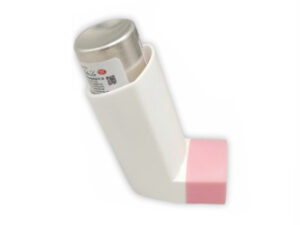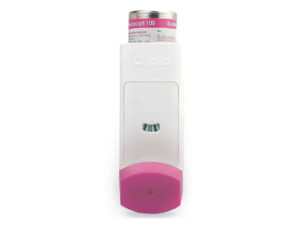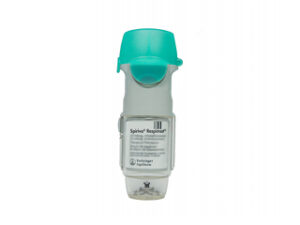
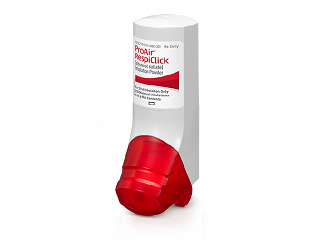
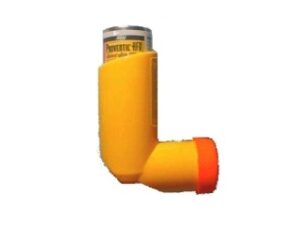
Proair Inhaler (Salbutamol / Albuterol) – Patient Guide (UK)
Proair Inhaler contains salbutamol (also called albuterol), a medicine used to quickly relieve symptoms of breathing problems such as asthma and some types of chronic obstructive pulmonary disease (COPD). It is designed to work fast, helping to open the airways so you can breathe more easily.
This guide explains how Proair Inhaler works, when it’s used, how to use it properly, what to expect, and important safety information. If you are unsure about your inhaler technique or your symptoms, seek advice from a healthcare professional.
Basic product information
| Product name | Active ingredient | Common use | Availability (UK) |
|---|---|---|---|
| Proair Inhaler | Salbutamol (Albuterol) | Relief of sudden breathing difficulty | Usually available via prescription in the UK (availability may vary by brand and pharmacy) |
| Type | Short-acting beta2-agonist (SABA) inhaler | “Reliever” inhaler | Pack sizes and inhaler types depend on product format |
What to expect: When used correctly, salbutamol inhalers typically start to help within minutes. The effect often lasts for several hours, but this can vary between people.
How Proair Inhaler works (mechanism of action)
Salbutamol belongs to a group of medicines called short-acting beta2-agonists. It works by:
- Relaxing smooth muscle in the airways (bronchi), which helps to widen them.
- Reducing bronchospasm (tightening of airway muscles), allowing air to move in and out more easily.
- Supporting mucus clearance indirectly by improving airflow.
Importantly, it provides symptom relief. It does not treat the underlying airway inflammation in asthma (for that, many people need inhaled corticosteroids or other controller treatments).
Pharmacokinetics: how the body handles salbutamol
Because Proair Inhaler is an inhaled medicine, much of the drug acts locally in the lungs. Some of the dose may be swallowed and absorbed through the gut.
- Absorption: A portion reaches the lungs; a portion may deposit in the mouth/throat and then be swallowed.
- Distribution: Once absorbed, salbutamol distributes throughout the body.
- Metabolism: It is mainly metabolised in the liver to an inactive compound.
- Elimination: The metabolites are excreted, primarily via the urine. A smaller amount may leave the body in other ways.
- Onset: Relief is usually felt within minutes.
Why this matters: Inhaled dosing aims to provide rapid relief with lower systemic exposure than tablets, but some whole-body effects can still occur, especially if you use the inhaler frequently or incorrectly.
Typical use: what it’s for
Proair Inhaler is a reliever medicine. It may be used to treat:
- Asthma symptoms such as wheeze, shortness of breath, chest tightness, and cough due to reversible airway narrowing.
- Prevention or relief of exercise-induced symptoms in some people (individual advice varies).
- COPD symptoms in some patients where bronchospasm and breathlessness occur.
Key point: If you find you need your reliever more often, this can be a sign your underlying condition isn’t well controlled. Contact your healthcare professional promptly for review.
Timing and how quickly it works
- Start of action: often within 5 minutes.
- Peak effect: typically reaches maximum effect within 15–30 minutes.
- Duration: often lasts for around 4–6 hours, though this differs by person and situation.
If symptoms don’t improve: Follow the action plan given to you. If you have severe breathlessness, blue lips, trouble speaking full sentences, or worsening symptoms, seek urgent medical help.
Food interactions
Because Proair Inhaler is inhaled, there are no major, direct food interactions expected. However:
- If some of the dose is swallowed, food in the stomach usually does not significantly change the inhaled effect.
- If you experience nausea or throat irritation, it may be helpful to consider using the inhaler before meals or after eating—still ensuring correct technique.
If you are taking other medications, check for interactions with those medicines separately (see below).
Alcohol and medicine interactions
Alcohol
There is no well-established, specific interaction between salbutamol and alcohol. However, alcohol can sometimes worsen breathing comfort in some people and may affect asthma control indirectly.
- If you choose to drink alcohol, do so in moderation and monitor your symptoms.
- If you notice increased breathlessness after drinking, discuss this with a healthcare professional.
Other medicines
Some medicines can influence how salbutamol works or increase risk of side effects.
- Beta-blockers (including some eye drops such as timolol): may reduce the effect of salbutamol and can worsen bronchospasm in susceptible people.
- Other inhaled bronchodilators: generally used together under clinical guidance; excess use of multiple bronchodilators may increase side effects.
- Diuretics (“water tablets”) and some other medicines that lower potassium: high doses of salbutamol can also lower blood potassium, potentially increasing risk of rhythm problems in susceptible individuals.
- Digoxin: changes in potassium levels can affect digoxin’s effects.
- Monoamine oxidase inhibitors (MAOIs) and some antidepressants: interactions are possible; always mention all medicines to your clinician or pharmacist.
- Antiarrhythmics and medicines affecting heart rhythm: combining can increase the chance of heart-related side effects, especially if salbutamol is used frequently.
Important: Always tell your pharmacist about all medicines and supplements you use, including over-the-counter products.
Dosing: typical reliever dosing information (general guidance)
Dosing can vary by age, diagnosis, inhaler type, and your individual action plan. Always follow the instructions provided by your healthcare professional and the product label.
Common adult and older-teen use (general):
- For sudden symptoms, many regimens use 1–2 inhalations when needed.
- If symptoms do not improve, additional inhalations may be advised according to your asthma/COPD action plan.
Children: Dosing differs by age and inhaler strength; use only the schedule assigned for your child’s specific product and action plan.
Do not exceed your prescribed or action-plan maximum: Frequent reliance on a reliever can indicate poor control and increases the risk of side effects.
Indications: when to use Proair Inhaler
You may be advised to use Proair Inhaler for:
- Acute symptoms of wheezing or breathlessness.
- Exercise-induced bronchospasm (for some people) if your clinician has recommended pre-exercise use.
- Rescue in line with your personalised asthma action plan or COPD management plan.
Not suitable as the only treatment for persistent asthma: If you have persistent asthma symptoms, controller therapy (often inhaled corticosteroids) is usually required. Using only a reliever may leave inflammation untreated.
Safety profile: side effects and risks
Most people tolerate salbutamol well when used as directed. However, because it acts on beta receptors in the body, side effects can occur—particularly with higher doses or frequent use.
Common side effects
- Tremor (shaking, often in hands)
- Headache
- Feeling nervous or jittery
- Fast heartbeat (palpitations)
- Occasional mild throat irritation
Less common but important risks
- Low potassium (hypokalaemia): usually associated with high or frequent dosing.
- Heart rhythm disturbances: more likely if used excessively, in people with underlying heart conditions, or with certain interacting medicines.
- Chest pain or severe palpitations: require urgent assessment.
When to seek urgent help
Get urgent medical attention if you experience:
- Severe breathlessness that is not improving
- Trouble speaking in full sentences
- Blue/grey lips or face
- Severe chest pain
- Fainting or feeling severely unwell
Special populations
- Pregnancy and breastfeeding: salbutamol may be used if clinically needed; discuss risks and benefits with a clinician.
- Heart disease or abnormal heart rhythms: use may need extra monitoring.
- Overactive thyroid (hyperthyroidism): may increase sensitivity to side effects.
- Diabetes: beta-agonists can affect blood sugar levels in some people.
Practical use tips: getting the best effect from your inhaler
Proper technique is essential to get the medicine where it needs to go. Incorrect use is a common reason why inhalers seem not to work.
Before you start
- Check the inhaler label and expiry date.
- Make sure you know whether your device requires shaking and how to prime it (follow the specific instructions for your Proair inhaler model).
- If you are using a spacer (often recommended for many inhalers in children and some adults), follow spacer instructions carefully.
Step-by-step technique (general guidance)
- 1) Breathe out fully away from the mouthpiece.
- 2) Seal your lips around the mouthpiece.
- 3) Start breathing in slowly through your mouth as you release the dose.
- 4) Keep breathing in steadily for a few seconds.
- 5) Hold your breath for about 10 seconds (or as long as comfortable).
- 6) Breathe out slowly.
If you’re using more than one puff: wait about 1 minute between inhalations (or as directed).
After using your inhaler
- If you feel any medicine taste in the mouth, rinse your mouth gently and spit out (this is especially relevant if you also use inhaled steroids).
- Note whether symptoms improve and how long the relief lasts.
Signs you may be using it incorrectly
- You feel no relief after correct use
- You frequently hear a “hissing” sound from the back of the mouth or see mist escaping
- Frequent use is needed without improving control
If any of these occur, ask your pharmacist or GP practice to review your inhaler technique.
When to review your treatment
In asthma, needing your reliever more often can indicate that your condition is worsening. Common signs include:
- Using your reliever several times a week
- Symptoms waking you at night
- Reduced exercise tolerance due to breathlessness or wheeze
- Symptoms not improving as expected
In such cases, your healthcare professional may adjust your controller therapy or overall management plan.
Alternative options (UK context)
Depending on your condition and severity, clinicians may consider different inhalers or approaches. Alternatives can include:
- Other short-acting relievers containing salbutamol (same active ingredient, different device/manufacturer).
- Other bronchodilators such as short-acting agents with different mechanisms (used in specific circumstances).
- Inhaled corticosteroids (ICS) for long-term asthma control (reduce inflammation; not a direct reliever).
- Combination inhalers (ICS plus bronchodilator) for control in persistent asthma.
- For COPD: long-acting bronchodilators (such as LABA/LAMA) may be used for ongoing symptom control.
Choosing an alternative: The “best” option depends on diagnosis, symptom frequency, inhaler technique, and other medical factors. A pharmacist can also advise on device suitability and correct use.
Market and legal context in the United Kingdom
In the UK, inhaled medicines like salbutamol are widely used for asthma and COPD management. Medicines containing salbutamol are regulated, and the product you receive will follow UK medicines guidance and pharmacy requirements.
- Regulatory oversight: Medicines are authorised and monitored under UK medicines regulations.
- Medicines guidance: Prescribing and use should align with national clinical guidance and local health authority protocols.
- Patient information: Leaflets provided with the medicine outline risks, correct use, and key safety warnings.
Professional support: If you have asthma or COPD, the UK strongly encourages regular review and action planning with a healthcare professional, including technique checks.
Recent guidance and clinical practice trends (UK)
While specific recommendations vary by individual circumstances, UK clinical practice commonly emphasises:
- Recognising poor asthma control early: increased reliever use may signal the need to step up controller therapy.
- Correct inhaler technique: technique checks at reviews and after device changes.
- Action plans: personalised written guidance for managing worsening symptoms.
- Safety awareness: seeking urgent help when symptoms are severe and not responding.
Ask your clinician or pharmacist how these principles apply to you.
Delivery and availability in the UK
Availability can vary by pharmacy and by the specific Proair Inhaler presentation. When ordering online:
- Check the product page for strength, pack size, and device type.
- Confirm that the inhaler is suitable for your needs and matches what your action plan specifies.
- Allow time for standard delivery; delivery schedules can vary by location and courier service.
Storage: Store your inhaler as instructed on the label, typically at room temperature and protected from excessive heat or direct sunlight. Keep out of sight and reach of children.
FAQ – Proair Inhaler (Salbutamol / Albuterol)
1) How fast does Proair Inhaler work?
Many people feel relief within minutes. Peak effect is often reached within 15–30 minutes. If you do not get relief or symptoms worsen, follow your action plan and seek advice.
2) Can I use Proair Inhaler every day?
Some people may need it occasionally, but in asthma, frequent daily use can indicate inadequate control. Use only as directed by your healthcare professional and keep your review appointments.
3) What should I do if I forget to take my other inhaler?
If you use a controller inhaler (commonly an inhaled corticosteroid), don’t replace it with extra reliever dosing. Use your medication schedule as advised and ask your pharmacist for guidance.
4) Are tremors and a fast heartbeat normal?
These are common side effects of salbutamol and often settle. However, if palpitations are severe, you get chest pain, or you feel faint, seek urgent medical assessment.
5) Is Proair Inhaler safe for children?
Many children use salbutamol inhalers. Correct dosing and inhaler technique are essential. Use the inhaler strength and regimen specified for your child’s age and condition.
6) Can I use a spacer with Proair Inhaler?
A spacer can improve how much medicine reaches the lungs, especially for children or people who struggle with timing. If your device and local guidance support spacer use, your pharmacist can advise on compatible spacers.
7) What if my inhaler doesn’t seem to work?
Common causes include incorrect technique, empty or near-empty canister, poor inhalation timing, or device issues. Stop and get help with technique rather than repeatedly increasing doses.
8) Can I drive or use machinery after using salbutamol?
Most people can drive and use machinery. If you feel shaky, dizzy, or have palpitations, avoid driving until you feel well.
9) Does salbutamol affect blood sugar?
It can affect blood sugar in some people, particularly those with diabetes, especially after higher doses. Monitor your usual diabetes plan and discuss concerns with a healthcare professional.
10) When should I get urgent help for asthma/COPD?
Seek urgent medical help for severe breathlessness, symptoms not improving after your reliever, difficulty speaking, or any signs of a serious attack.
Summary
Proair Inhaler (salbutamol/albuterol) is a fast-acting reliever that helps open airways and relieve sudden symptoms like wheezing and breathlessness. It works quickly, typically within minutes, but it does not treat long-term airway inflammation on its own. Use it as directed, practice correct inhaler technique, and review your asthma/COPD control if you find you need it more often than usual.