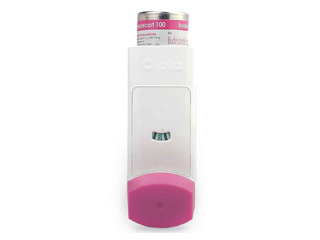
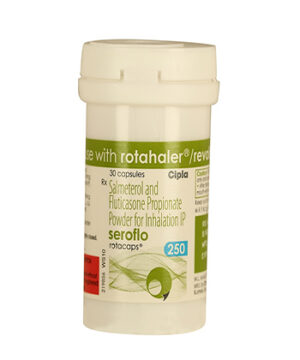
Budecort (Budesonide): Patient-Friendly Guide (UK)
Budecort contains budesonide, a medicine in the steroid (corticosteroid) family. It helps reduce inflammation in specific airways and organs, helping symptoms to improve and flare-ups to be controlled. This guide explains how Budecort works, how to use it effectively, what to expect, important safety information, and practical tips—tailored for the United Kingdom.
1) Basic product information
- Active ingredient: Budesonide
- Medication type: Corticosteroid (anti-inflammatory)
- Common UK use: Treatment of inflammatory conditions affecting the airways (e.g., asthma) and certain gut inflammatory conditions depending on the formulation
- Forms you may see in the UK: The name “Budecort” is commonly associated with inhalation products. Other budesonide formulations (e.g., for the gut) may have different brand names. Always check the specific product strengths and instructions on your pack.
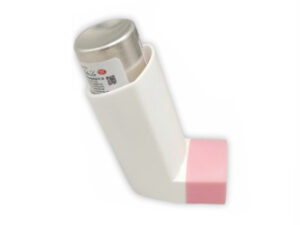
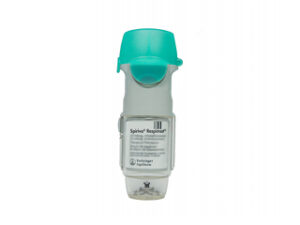
Note: Budecort products can differ by formulation and device (e.g., inhaler type). Your pack instructions are the most important source for how to use your specific Budecort.
2) How Budecort works (mechanism of action)
Budesonide is a glucocorticoid (steroid) that reduces inflammation. It works by switching on anti-inflammatory pathways within cells and reducing the production of inflammatory substances. As a result:
- Airway swelling and mucus production can decrease.
- Excess immune activity in the lining of the airways may calm down.
- Airway hyper-reactivity can reduce, helping prevent symptoms triggered by allergens, infections, cold air, exercise, or irritants.
Because it targets inflammation, Budecort is intended as a controller medicine for long-term control in the conditions it is used for.
3) Pharmacokinetics (how the body handles it)
Pharmacokinetics describes how the medicine is absorbed, processed in the body, and eliminated.
Absorption
- For inhaled budesonide, much of the dose may deposit in the airways or be swallowed and then absorbed through the gastrointestinal tract.
- Inhaled therapy aims to deliver drug locally to the lungs with relatively less overall systemic exposure than some oral steroid therapy.
Metabolism
- Budesonide is extensively metabolised in the liver, largely by the enzyme CYP3A4.
- This “first-pass” metabolism helps limit the amount of active drug circulating throughout the body (depending on the route and formulation).
Elimination
- Metabolites are eliminated mainly via the kidneys (urine).
- The exact timing varies by formulation and individual factors.
Practical meaning: Drugs that strongly affect CYP3A4 can change budesonide levels in the body, which may increase side effects or reduce effectiveness.
4) Typical uses and indications in the UK
The precise indication depends on the formulation and the way Budecort is supplied. Common indications for budesonide-containing products include:
- Asthma (inhaled budesonide products): For long-term control and prevention of asthma symptoms and exacerbations.
- COPD (where relevant): Some budesonide products may be used in selected COPD regimens, typically as part of combination treatment (such use is formulation- and patient-specific).
- Inflammatory bowel disease (other budesonide formulations): Budesonide is also used in certain gut inflammatory conditions in forms designed to act locally in the gastrointestinal tract (e.g., ileal/colon-release or rectal formulations). If you are considering a product other than inhalation Budecort, check the pack leaflet for the specific condition it’s intended for.
Important: Your healthcare professional will choose the right budesonide formulation and dose based on your diagnosis, severity, and response.
5) How to use Budecort: timing and technique
Budecort can be used on a regular schedule. Steroids often work best when taken consistently.
When does it start working?
- Some improvement may be noticed within a few days.
- Full benefit often takes longer (commonly 1–2 weeks or more for controller effects), depending on the condition.
Timing tips
- Inhaled use: Many people take their dose in the morning and/or evening as prescribed by their clinician or as directed on the packaging.
- Gut-targeted formulations: Timing can depend on the type of release and whether food interactions are relevant (see below). Follow the pack instructions closely.
Technique matters (especially for inhalers)
- Use the same steps each time.
- If you are unsure about your inhaler technique, ask a pharmacist or nurse to check.
- For inhaled products, incorrect technique can reduce how much medicine reaches the lungs and may lead to poor symptom control.
Common tip for inhaled steroid inhalers: Rinse your mouth or brush your teeth after use (unless your specific product guidance says otherwise). This can reduce the risk of throat irritation and oral thrush.
6) Food interactions and alcohol
Food interactions
Food interactions depend on the formulation and how it is absorbed.
- Inhaled Budecort: Food does not usually have a major direct interaction because much of the effect is local to the lungs.
- Some gut-targeted budesonide products: Certain formulations can have more interaction with food or with gastric pH and transit time. Always follow the instructions in your specific leaflet.
If you are using an inhaled Budecort, you can generally take it without regard to meals—but confirm in your patient information leaflet because the exact advice varies by product.
Alcohol
- Moderate alcohol use is not usually a direct interaction with inhaled budesonide.
- However, alcohol can affect the immune system and can worsen reflux or sleep, which may indirectly affect respiratory symptoms.
- If you have liver disease, drink heavily, or take medicines that strongly affect steroid metabolism, discuss this with your healthcare professional.
7) Medicine interactions (including alcohol-related and CYP3A4 interactions)
Budesonide is metabolised by CYP3A4. Medicines that inhibit or induce CYP3A4 can change budesonide levels.
Common interaction groups to be aware of
- Strong CYP3A4 inhibitors (can increase steroid levels and side effects): for example, some antifungals (azoles), certain antibiotics (e.g., macrolides such as clarithromycin), and some antiviral treatments.
- Moderate CYP3A4 inhibitors (may still increase levels): certain medicines including some antidepressants and calcium channel blockers depending on the specific drug.
- CYP3A4 inducers (can reduce budesonide effect): some epilepsy medicines (e.g., carbamazepine), rifampicin and others.
Other medicine considerations
- Other corticosteroids: Combining steroid medicines (including tablets, nasal sprays, or injections) may increase the risk of systemic side effects.
- Immunosuppressant medicines: Combined effects on immunity may increase infection risk.
- Diuretics and blood sugar–affecting medicines: Steroids can influence fluid balance and glucose. This is more relevant at higher systemic exposure.
- Vaccines: Live vaccines may be less suitable for people on significant steroid doses (your clinical team will advise based on your overall treatment).
Action step: Keep an up-to-date list of your medicines and show it to your pharmacist. If you start or stop any medicine (including over-the-counter products and herbal supplements), it’s worth checking for interactions.
8) Dosing: what to expect
Dose depends on the specific condition, severity, age, and the formulation/device.
How to find your correct dose
- Check the strength on your pack (e.g., micrograms per actuation for inhalers, or milligrams for other formulations).
- Follow the frequency on your pack instructions or your healthcare professional’s plan.
Typical dosing pattern (general guidance)
Many budesonide inhaler regimens are taken once or twice daily depending on control needs. Some conditions may require step-up dosing during flare-ups under clinical guidance.
Important: Do not change your dose suddenly. If your symptoms worsen or you think the dose is too low, seek advice rather than adjusting yourself.
If you miss a dose
- Take it when you remember unless it’s close to the next dose.
- Do not take double the dose to make up for a missed one.
- If you are unsure, ask your pharmacist.
9) Safety profile and side effects
Like all medicines, Budecort can cause side effects. Many people tolerate budesonide well, especially when used correctly and at the lowest effective dose.
Common side effects (often mild)
- Inhaled steroid side effects may include hoarseness or throat irritation.
- Oral thrush (fungal infection in the mouth) can occur—especially if you don’t rinse your mouth after use.
- Cough or unpleasant taste after inhalation (technique-related).
Less common but important side effects
- Systemic steroid effects may occur with higher doses or prolonged use (for example, effects on bone health, growth in children, cataracts, glaucoma, or adrenal suppression risk).
- Infections: Steroids can slightly increase susceptibility to infections, particularly if immune suppression occurs due to higher steroid exposure.
- Skin reactions and hypersensitivity can happen in some individuals.
Seek urgent medical advice if
- You have signs of a serious allergic reaction (e.g., swelling of the face/lips, difficulty breathing, severe rash).
- You develop severe worsening breathing problems.
- You experience symptoms suggesting significant infection (e.g., fever, severe sore throat, painful mouth sores) that do not settle.
Long-term safety considerations
For chronic inflammatory conditions, ongoing review is important. Your clinician may monitor:
- Symptom control and frequency of flare-ups
- Inhaler technique
- Growth (for children), eye health (if long-term/high dose), and bone health depending on your overall steroid exposure
10) Practical use tips (to get the best results)
- Use consistently: Budecort works best as a controller medicine when used regularly.
- Check your inhaler technique: Incorrect technique is a common reason for poor control.
- Rinse and spit: If you’re using an inhaled product, rinse your mouth or brush your teeth after each dose.
- Track symptoms: Keep note of your breathing, rescue inhaler use (if applicable), and any triggers.
- Don’t stop suddenly: Stopping steroids without advice can cause worsening inflammation.
- Store correctly: Keep the medicine as directed on the pack, protected from moisture and heat.
If your symptoms are not controlled: Tell your pharmacist or GP. In many cases, the solution is technique adjustment, adherence support, or a plan update rather than simply increasing the dose yourself.
11) Alternative options
If Budecort is not suitable or symptoms remain poorly controlled, there may be other treatment options. Alternatives depend on your diagnosis and severity.
For asthma and airway inflammation (common alternatives)
- Other inhaled corticosteroids (ICS), such as fluticasone or beclometasone
- ICS/LABA combination inhalers (inhaled corticosteroid plus a long-acting beta-agonist)
- Leukotriene receptor antagonists (oral options for some people)
- Biologic therapies for selected patients with severe asthma (specialist-led)
For inflammatory bowel conditions (formulation-specific alternatives)
- Other corticosteroids or steroid-sparing medicines such as immunomodulators or biologics (depending on the condition)
Note: Choosing an alternative should be guided by diagnosis, past response, and risk profile. Your pharmacist can discuss typical options you might ask your clinician about.
12) Budecort in the UK: market and legal context
In the United Kingdom, medicines are regulated by the Medicines and Healthcare products Regulatory Agency (MHRA), with prescribing and supply governed by UK medicines legislation and pharmacy regulations.
Budecort (budesonide) is widely used in clinical practice under appropriate clinical supervision according to its licensed indications. For online pharmacies, availability may depend on:
- The specific product and strength
- Whether it is classified as prescription-only or falls under a specific pharmacy supply pathway
- Eligibility criteria and documentation requirements that apply at the point of sale
Guidance matters: Treatment choices and step-up/step-down strategies are commonly informed by NHS and specialist guidance relevant to the condition being treated.
13) Recent UK guidance and care pathways (overview)
Clinical recommendations for asthma and other inflammatory conditions in the UK are periodically updated. While you should always refer to the most current NHS guidance and your local clinical service, common UK themes include:
- Using inhaled corticosteroids as the foundation of controller therapy for many people with asthma.
- Regular review to ensure the lowest effective dose and to check inhaler technique and adherence.
- Reducing steroid exposure where possible while maintaining control (for example, stepping down when stable).
- Personalised plans for managing exacerbations and preventing flare-ups.
For inflammatory bowel conditions, UK management often focuses on disease activity control, minimising steroid exposure, and using longer-term therapies when appropriate—guided by specialist teams.
14) Delivery, availability, and ordering in the UK
Budecort is typically available through registered pharmacies in the UK. Availability online depends on stock and the exact product strength/device.
What to expect from an online pharmacy
- Secure payment and order processing
- Packaging: Medicines are usually packed to protect the product and maintain safe handling
- Delivery times: Vary by carrier and location; delivery estimates are usually shown at checkout
- Stock checks: If a product is temporarily unavailable, the pharmacy may notify you or offer an alternative where permitted
Tip: Ensure your delivery address is correct and someone can receive the parcel, particularly for refrigerated or temperature-sensitive products (if applicable—check your pack and pharmacy listing).
15) FAQ
Is Budecort the same as other steroid inhalers?
Budesonide is an inhaled corticosteroid, and other steroid inhalers also exist. “Budecort” is a brand name; other budesonide-containing inhalers and different corticosteroids may be alternatives. The correct choice depends on your prescription plan, device type, and dose.
How quickly will I feel better?
Many people notice improvement within a few days, but controller effects often take longer. If there is no improvement after the expected time frame, contact your pharmacist or clinician for review.
Can I use Budecort for sudden breathlessness?
Budecort is generally a controller medicine for inflammation. Sudden severe symptoms may require a different type of “reliever” treatment. Follow your personal action plan and seek urgent care if breathing is rapidly worsening.
Do I need to rinse my mouth after using it?
For inhaled budesonide products, rinsing your mouth and spitting (or brushing your teeth) after each dose is recommended to reduce the risk of thrush and hoarseness. Check your product leaflet for the exact advice for your device.
What if I accidentally take an extra dose?
If you take more than intended, contact your pharmacist for advice. For inhaled doses, a small overdose often does not cause major problems, but repeated or significant extra dosing should be discussed.
Are there any foods I should avoid?
Food interactions mainly depend on the formulation. Inhaled budesonide usually has few food interactions. Gut-targeted formulations may have specific instructions. Always follow the leaflet supplied with your exact product.
Can I drink alcohol while using Budecort?
Moderate alcohol use is usually not a direct interaction for inhaled budesonide. However, heavy alcohol intake, liver disease, or multiple medicines that affect steroid metabolism may increase risks. If in doubt, ask your pharmacist.
Which medicines are most likely to interact with Budecort?
Medicines that strongly affect CYP3A4 (such as certain antifungals, some antibiotics, and some antivirals) can increase budesonide levels. Other steroids may increase overall steroid exposure. Always share your full medicine list with your pharmacist.
What side effects should I watch for long term?
Most users experience mild local effects (like hoarseness). Long-term or higher-dose use can rarely lead to systemic steroid effects (eyes, bones, adrenal function). Regular reviews help reduce these risks.
Can children use Budecort?
Children may use budesonide-containing inhalers under appropriate medical guidance. Growth and development should be monitored as part of routine asthma care.
Where can I find the instructions for my specific product?
The patient information leaflet inside your pack and the instructions on the device are the best references. If anything is unclear—such as how to prime, shake, or use a spacer—ask your pharmacist.
16) Summary
Budecort (budesonide) is an anti-inflammatory corticosteroid used to help control inflammatory conditions, most commonly within the lungs (depending on formulation). It reduces airway inflammation, leading to improved breathing and fewer flare-ups when used consistently. Like all steroid medicines, it has potential side effects, but many are preventable or reduced—particularly with correct inhaler technique and mouth rinsing for inhaled products.
If you have questions about whether Budecort is suitable for you, how to use your device correctly, or what interactions to consider, speak to a pharmacist before continuing.