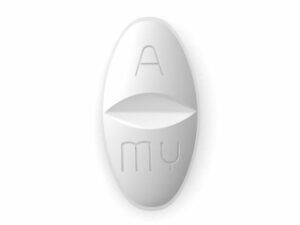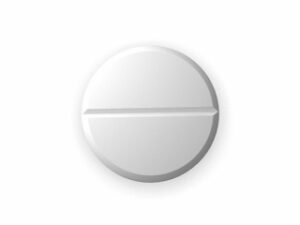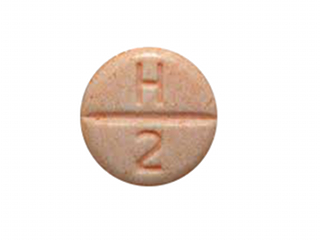


Hydrochlorothiazide (HCTZ) – Patient Information (UK)
Hydrochlorothiazide is a widely used “water tablet” (diuretic) used to help treat certain conditions where reducing fluid volume and lowering blood pressure are beneficial. This guide is written for patients and explains what hydrochlorothiazide is, how it works, how it’s taken, key interactions and safety information, and what to expect in the UK.
| Category | Details |
|---|---|
| Medicinal name | Hydrochlorothiazide |
| Type | Thiazide diuretic (often referred to as a “water tablet”) |
| How it helps | Reduces sodium and water reabsorption in the kidney; helps lower blood pressure; can reduce fluid retention |
| Common forms in the UK | Tablets (strengths vary by brand/generic) |
| Typical dosing frequency | Often once daily (sometimes divided depending on the dose and your plan) |
Basic product information
Hydrochlorothiazide is a thiazide diuretic. It works mainly in the kidneys to increase urine production and to lower blood pressure over time. It is sometimes used alone, and it is also commonly found as part of combination therapies for hypertension.
In the UK, hydrochlorothiazide is available as a generic medicine and under various brand names depending on supply and manufacturer. Your local pharmacy can confirm the exact brand and strength you receive.
How hydrochlorothiazide works (mechanism of action)
Hydrochlorothiazide reduces reabsorption of sodium (and water) in the kidney’s distal tubule. This leads to increased sodium excretion, followed by increased water excretion. Over time, reduced fluid volume contributes to lower blood pressure.
Thiazide diuretics may also produce additional blood vessel effects that help lower vascular resistance. The overall result is that both fluid retention and high blood pressure may improve depending on the condition being treated.
Pharmacokinetics (how the body processes it)
Pharmacokinetics refers to how a medicine is absorbed, distributed, metabolised, and eliminated. While exact values can vary between individuals and formulations, hydrochlorothiazide typically follows these general patterns:
- Absorption: Hydrochlorothiazide is absorbed from the digestive tract after oral dosing.
- Onset of diuretic effect: The diuretic (water-reducing) effect often begins within a few hours of taking a dose.
- Peak effect: Peak blood levels may occur a few hours after dosing.
- Duration: The effect can last up to about 24 hours, which is why once-daily dosing is common.
- Elimination: It is largely eliminated by the kidneys, largely unchanged.
Because kidney function influences clearance, people with reduced renal function may need closer monitoring and possibly dose adjustments. If you have chronic kidney disease, your clinician/pharmacist will advise the safest approach.
What hydrochlorothiazide is used for (typical use and indications)
Hydrochlorothiazide is used to treat:
- High blood pressure (hypertension): to help reduce cardiovascular risk associated with elevated blood pressure.
- Fluid retention (oedema): in selected situations where diuresis is beneficial.
- Sometimes as part of combination regimens: to achieve stronger blood-pressure control and improved tolerability compared with higher doses of a single agent.
The exact indication depends on your diagnosis and other medicines you take. Your healthcare team will also consider your age, kidney function, electrolyte levels (such as potassium and sodium), and overall risk profile.
When to take it (timing and practical advice)
A key practical point for diuretics is that they can increase urination. Therefore, timing matters for comfort and sleep.
- Typical timing: Take hydrochlorothiazide in the morning or early in the day, unless advised otherwise.
- Avoid late dosing: Taking it late in the day may cause frequent night-time urination.
- Consistency: Try to take it at about the same time each day.
- Hydration: Drink enough fluids during the day, unless you have been instructed to restrict fluids.
With or without food?
Hydrochlorothiazide can generally be taken with or without food. If it upsets your stomach, taking it with a small meal or after food may help. Always follow the instructions on your specific product label.
Food interactions (what to watch)
There are no specific “food rules” that apply to everyone, but food and drink can influence electrolyte balance and blood pressure control. Key considerations include:
- Salt (sodium) intake: A high-salt diet can counteract blood pressure benefits and may affect fluid balance. Reducing excess salt may improve control.
- Potassium-rich foods: Hydrochlorothiazide can lower potassium in some people. Eating potassium-containing foods (such as fruit and vegetables) may help, but do not take potassium supplements unless advised.
- Alcohol with meals: Alcohol can increase dizziness and may worsen dehydration risk when combined with diuretics.
If you’ve been given a special diet plan (for example, for kidney or heart conditions), follow that plan and ask about how it interacts with diuretic therapy.
Alcohol and medicine interactions
Alcohol may not directly “block” hydrochlorothiazide, but it can increase certain risks:
- Increased dizziness/light-headedness: Both alcohol and blood pressure-lowering medicines can contribute.
- Dehydration: Alcohol can affect hydration and may worsen diuretic-related volume changes.
- Electrolyte and blood pressure effects: Heavy drinking can destabilise blood pressure and fluid balance.
If you drink alcohol, consider:
- keeping it moderate,
- avoiding binge drinking, and
- being cautious when standing up, especially at the start of treatment or after a dose change.
Other medicine interactions (important)
Hydrochlorothiazide can interact with other medicines, mainly by affecting kidney function, electrolyte levels, and blood pressure. Always tell your healthcare team about all medicines you use, including over-the-counter products and herbal supplements.
Common interaction themes
- Potassium changes: Hydrochlorothiazide may reduce potassium. Medicines that also affect potassium can increase the risk of imbalance.
- Blood pressure effects: Combining with other blood pressure-lowering medicines can increase the chance of low blood pressure symptoms.
- Kidney function: Some medicines can be harder on the kidneys, and diuretics can change fluid balance.
- Electrolyte-sensitive medicines: Certain heart medicines and treatments can be affected by potassium and magnesium levels.
Examples of medicine classes that may interact
- Other blood pressure medicines (including ACE inhibitors, angiotensin II receptor blockers, calcium channel blockers): may strengthen blood pressure lowering.
- Digoxin: risk of toxicity can increase if potassium is low.
- Lithium: thiazides can raise lithium levels; this combination usually requires close monitoring or avoidance.
- Non-steroidal anti-inflammatory drugs (NSAIDs) (e.g., ibuprofen, naproxen): may reduce the diuretic/blood pressure effects and increase kidney strain in some situations.
- Diabetes medicines (including insulin and tablets): thiazides can affect blood sugar, so monitoring may be needed.
- Other diuretics: may increase electrolyte disturbances.
- Medicines that can lower potassium (some steroids, laxatives used frequently, etc.): may increase risk of hypokalaemia.
- Medicines that can affect sodium levels or hydration status.
This is not an exhaustive list. Ask your pharmacist to check interactions with your specific medicines.
Dosing: how much is usually taken
Dose depends on the condition being treated, your response, and your kidney function and electrolyte levels. Hydrochlorothiazide doses can vary by age and comorbidities.
Your exact dose should be confirmed by the product label or by your healthcare professional. The information below is general and may not match every individual plan.
Typical dosing approach (general guidance)
- Hypertension: Often once daily in the morning. Some people require titration (dose adjustment) based on blood pressure readings.
- Fluid retention: Often once daily or as directed, depending on severity and response.
- Combination therapy: If used with other blood pressure medicines, dosing may be lower than when used alone.
Do not adjust without advice
Do not change the dose on your own. If you miss a dose or want to stop, speak to your healthcare team for personalised advice. Stopping suddenly may cause fluid or blood pressure changes.
How to use hydrochlorothiazide safely (practical use tips)
- Check your blood pressure: If you are monitoring at home, keep a note of readings, especially after starting or changing the dose.
- Watch for dehydration: Ensure you drink adequately unless you’ve been told to restrict fluids.
- Be alert to dizziness: Stand up slowly, especially in the morning or after a dose change.
- Keep track of electrolytes: Your clinician may arrange blood tests for sodium, potassium, kidney function and sometimes other values.
- Manage diet: Do not take potassium supplements unless advised; use a balanced diet and follow your treatment plan.
- Medication timing: Take in the morning to reduce night-time urination.
Safety profile: side effects and when to seek help
Like all medicines, hydrochlorothiazide can cause side effects. Some people experience none, while others experience mild effects that settle as the body adjusts. However, certain symptoms require urgent medical attention.
Common or expected effects
- Increased urination (especially soon after starting)
- Possible dizziness or light-headedness (often related to blood pressure changes)
- Muscle cramps or weakness (may be linked to electrolyte changes)
- Headache
- Fatigue
Less common but important risks
- Low potassium (hypokalaemia): can cause muscle weakness, cramps, abnormal heart rhythms.
- Low sodium (hyponatraemia): can cause confusion, severe headache, nausea, or weakness.
- Metabolic effects: may affect blood sugar or uric acid (gout risk) in some individuals.
- Changes in kidney function: particularly during illness, dehydration, or with interacting medicines.
- Skin reactions: rare allergic-type reactions; also photosensitivity can occur with some diuretics.
Seek urgent medical help if you experience
- Severe or persistent dizziness/fainting
- Signs of severe dehydration (e.g., marked weakness, confusion)
- Severe muscle cramps with palpitations or chest discomfort
- Unusual swelling, rash, or difficulty breathing
- Severe vomiting or inability to keep fluids down
If you are unsure whether a symptom is serious, contact your pharmacist or a clinician for advice. In the UK, you can also seek urgent help through NHS 111 when appropriate.
Monitoring and “safety checks”
Hydrochlorothiazide can influence electrolyte and kidney function. Your healthcare team may monitor:
- Blood pressure (including orthostatic readings if dizziness occurs)
- Electrolytes: sodium and potassium
- Kidney function: creatinine and estimated glomerular filtration rate (eGFR)
- Metabolic markers (as relevant): blood glucose, uric acid
Monitoring may be more frequent early in treatment, after dose changes, during intercurrent illness, or when interacting medicines are started.
Recent guidance and general prescribing considerations in the UK
In the UK, thiazide diuretics have long been used for hypertension and remain important options in standard care. Current practice typically emphasises:
- Individualised risk assessment: considering age, comorbidities, kidney function and electrolyte risks.
- Starting low and monitoring: especially for older adults or those with renal impairment.
- Electrolyte and kidney monitoring: to detect changes early and prevent complications.
- Medication interaction awareness: especially with NSAIDs, lithium, digoxin and other agents affecting potassium.
Local prescribing and patient advice may also reflect updates from UK healthcare bodies and professional guidance as it evolves. Your pharmacist can provide product-specific information and help you understand your own monitoring schedule.
Missed dose, overdose and what to do
If you miss a dose
- If you remember soon, take it when convenient.
- If it is close to your next dose, skip the missed dose.
- Do not double to make up for a missed dose.
Overdose
Taking more than the prescribed dose can lead to dehydration, electrolyte disturbances and low blood pressure. If you think too much has been taken, seek urgent medical advice.
Availability, delivery and how ordering works in the UK
Hydrochlorothiazide is a commonly used generic medicine, so availability is generally good in the UK. Online pharmacies typically offer:
- Home delivery where permitted by regulations and product category
- Trackable dispatch once an order is processed
- Packaging guidance to help protect tablets during transit
Delivery options (next day, standard delivery, weekend delivery) depend on the pharmacy provider and stock levels. When ordering online, check:
- the product strength and formulation match what you need,
- the expected dispatch/delivery time, and
- any temperature or handling requirements (usually minimal for tablets, but packaging practices may vary).
Prices and brands can differ, particularly between suppliers. Many people find the generic version offers a cost-effective option while maintaining the same active ingredient.
Alternative options (other medicines with similar aims)
If hydrochlorothiazide is not suitable (for example, due to side effects, interactions, or insufficient control), there are alternative medicines used for similar conditions:
- Other thiazide-like diuretics: such as indapamide or chlortalidone (availability and suitability varies).
- Loop diuretics: e.g., furosemide (used in particular situations, especially where stronger diuresis is needed).
- Other blood pressure medicines:
- ACE inhibitors (e.g., lisinopril, ramipril)
- Angiotensin II receptor blockers (e.g., losartan)
- Calcium channel blockers (e.g., amlodipine)
- Beta-blockers (selected cases)
The “best” option depends on the diagnosis, kidney function, other risk factors, and how well the medicine controls symptoms. Do not switch without medical advice—particularly because diuretics can affect electrolyte balance and require monitoring.
Market and legal context in the UK (patient-friendly overview)
In the UK, prescription medicines and pharmacy medicines are regulated to ensure safe supply and correct use. For patient safety, online pharmacies typically follow UK requirements on identity checks, product labelling, and supply procedures.
Always use medicines only for the condition they were intended for and follow the dosing instructions provided with your medicine. If you have questions about supply eligibility, product status, or how to order safely online, speak to your chosen pharmacy.
Frequently Asked Questions (FAQ)
1) What does hydrochlorothiazide feel like when it starts working?
Many people notice increased urination within the first few hours after taking a dose. Blood pressure benefits may take longer to become fully apparent (often over days to weeks). Some people feel mild dizziness at the beginning, especially if their blood pressure drops quickly.
2) Will I need blood tests?
Often, yes. Because hydrochlorothiazide can change sodium, potassium and kidney function, clinicians commonly arrange blood monitoring—particularly after starting, after dose changes, and for those at higher risk (older age, kidney problems, multiple medicines).
3) Can I take hydrochlorothiazide with other blood pressure tablets?
Hydrochlorothiazide is frequently used with other blood pressure medicines. However, combination therapy increases the likelihood of low blood pressure or electrolyte changes. Your pharmacist can check whether your specific combination is appropriate and safe.
4) Is hydrochlorothiazide safe for older adults?
It can be used in older adults, but careful monitoring is important because risks such as dehydration, electrolyte changes and dizziness may be higher. Taking it in the morning, staying hydrated, and attending follow-up blood tests can reduce problems.
5) What if I get muscle cramps or weakness?
Muscle cramps or weakness may be related to low potassium or other electrolyte changes. Contact your healthcare professional for advice and ask about electrolyte checks—especially if symptoms are new, worsening, or accompanied by palpitations.
6) Does hydrochlorothiazide affect gout?
It may. Thiazide diuretics can increase uric acid levels in some people, which may trigger or worsen gout. If you have a history of gout, discuss this with your pharmacist or clinician.
7) Can I stop hydrochlorothiazide if I feel better?
Do not stop suddenly without advice. Blood pressure and fluid balance can return if the medicine is stopped. If side effects occur, seek guidance—alternatives or dose adjustments may be possible.
8) Are there any “day-to-day” lifestyle tips?
Yes. Consider:
- reducing excess salt in your diet
- drinking adequate fluids (unless restricted)
- standing up slowly if you feel light-headed
- keeping your blood pressure monitoring notes
- attending scheduled tests
9) Can I use NSAIDs like ibuprofen while taking it?
Sometimes, but caution is advised. NSAIDs can reduce the effect of diuretics and can strain the kidneys, particularly if you are dehydrated or taking other interacting medicines. Talk to your pharmacist about safer options for pain relief in your situation.
10) How quickly should my blood pressure improve?
Some improvement can occur within days, but full effect may take longer. Consistent daily use is important. If blood pressure readings are very high or you experience severe symptoms (such as chest pain, severe headache, breathlessness), seek urgent medical attention.
Key takeaways
- Hydrochlorothiazide is a thiazide diuretic used for high blood pressure and selected fluid retention conditions.
- It increases urine output and helps lower blood pressure by affecting sodium and water handling in the kidneys.
- Take it in the morning to reduce the impact on night-time urination.
- Expect possible electrolyte and kidney monitoring; report dizziness, cramps, or unusual symptoms promptly.
- Avoid dehydration and be cautious with alcohol and interacting medicines (especially NSAIDs, lithium, and some heart medicines).
If you’d like, share the strength you’re considering (and any other medicines you take), and we can help you review general interaction and timing points in a patient-friendly way.