

Inderal (Propranolol) — Patient Guide (UK)
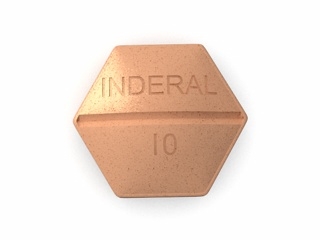
Inderal is a brand of propranolol, a medicine in the beta-blocker family. It is used to treat a range of conditions, including certain heart problems, high blood pressure, and several types of long-term symptom control such as tremor and migraine prevention.
This guide explains what Inderal is, how it works, how it is used in practice, common interactions (including food, alcohol, and other medicines), key safety information, and questions patients often ask. If you have specific concerns or complicated medical history, speak with a healthcare professional for personalised advice.
Basic product information
| Category | Details |
|---|---|
| Generic name | Propranolol |
| Brand example | Inderal |
| Drug class | Non-selective beta-blocker (blocks β1 and β2 receptors) |
| Common forms | Tablets (strengths vary by product). Some patients may receive modified-release formulations depending on the prescriber’s plan. |
| How it is taken | By mouth, usually once or multiple times daily depending on the formulation |
| Availability in the UK | Prescription-only in the UK for most uses; availability depends on supply and local pharmacy stock |
Note: Product strength and dosing schedules can differ between immediate-release and modified-release preparations. Always follow the dosing instructions provided for your specific product.
How Inderal works (mechanism of action)
Propranolol blocks beta-adrenergic receptors (non-selective). This reduces the effects of adrenaline and noradrenaline on the heart and blood vessels.
- Heart rate and contractility: Slows the heart rate and reduces force of contraction.
- Blood pressure: Can lower blood pressure over time by reducing cardiac output and affecting blood vessel tone.
- Symptoms of “fight-or-flight”: Can reduce tremor, palpitations, and anxiety-like physical symptoms.
- Antianginal and protective effects: Helps reduce workload on the heart, which can improve angina control.
- Migraine prevention: Helps stabilise neurological pathways involved in migraine frequency and severity (exact mechanism is complex).
Pharmacokinetics (how the body absorbs and handles it)
Pharmacokinetics describes what the body does to the medicine—absorption, distribution, metabolism, and elimination.
- Absorption: Propranolol is absorbed after oral dosing. Food may affect the rate and extent of absorption depending on the formulation.
- First-pass metabolism: The liver metabolises propranolol substantially before it reaches the bloodstream, which is one reason dosing may vary between individuals.
- Distribution: It is widely distributed throughout the body and can cross into the brain, contributing to possible central side effects in some people.
- Metabolism: Primarily via the liver (notably CYP450 pathways).
- Elimination: Metabolites are excreted mainly via the kidneys.
- Duration: The duration of effect depends on the formulation and individual factors such as liver function.
Practical implication: If you miss a dose or your dose is changed, effects may not be immediate and may take several days to settle—especially for prevention treatments.
Typical uses in the UK
Inderal is used for a variety of indications. The most common reasons include:
- High blood pressure (hypertension) in selected patients
- Angina (to help reduce chest pain episodes)
- Certain heart rhythm and rate-related conditions where slowing the heart is beneficial
- Treatment of tremor (for example, some forms of essential tremor)
- Prevention of migraine (to reduce frequency/severity)
- Some forms of anxiety-related physical symptoms (typically for physical symptoms like shaking or palpitations)
Availability of specific indications can vary by product and local clinical pathways.
Timing and how to take Inderal
Timing depends on the type of propranolol you have (immediate-release vs modified-release). Your pharmacist or healthcare professional will advise the best schedule.
General guidance
- Take it at the same times each day to keep levels stable.
- Do not change dose suddenly. Beta-blockers should usually be tapered to reduce the risk of rebound symptoms.
- Swallow tablets whole unless your specific product instructions say otherwise.
- Monitor your response (e.g., blood pressure, heart rate, migraine frequency) and report concerns.
Missed dose
If you miss a dose:
- Take it when you remember unless it is close to the next dose.
- If close to the next dose, skip the missed dose—do not double.
When in doubt, follow the instructions in your medicine information leaflet or ask a pharmacist.
Food interactions
Food can influence how propranolol is absorbed. In many cases, taking propranolol with or after food may improve tolerance (e.g., reduce stomach upset). However, exact advice depends on the formulation.
What to consider
- Take consistently: If you usually take it with food, continue to do so unless advised otherwise.
- Grapefruit and certain fruit juices: These can alter liver enzyme activity in some medicines. While grapefruit is more famously linked to other beta-blockers, it’s still wise to check with your pharmacist or avoid large, sudden changes in intake.
- High-caffeine intake: Caffeine may counter some heart-rate and symptom effects in sensitive individuals.
Tip: If you experience nausea, taking your dose after a meal can help.
Alcohol interactions and practical advice
Alcohol can increase some of propranolol’s side effects such as dizziness, drowsiness, and low blood pressure. It may also increase risk of feeling faint—especially when you first start treatment or after dose changes.
Safety considerations
- Start cautiously: Avoid heavy drinking when you begin Inderal or after dose changes.
- Watch for dizziness: Be careful when driving or using tools if you feel light-headed.
- Hypoglycaemia masking: Beta-blockers can sometimes mask warning signs of low blood sugar (particularly relevant in people with diabetes). Alcohol can also affect blood sugar levels.
If you have diabetes or a history of fainting, ask a healthcare professional for tailored guidance.
Medicine interactions
Propranolol can interact with several other medicines. Some interactions increase the chance of slow heart rate, low blood pressure, or breathing issues.
Medicines that may affect heart rate and rhythm
- Other rate-controlling drugs (e.g., certain calcium channel blockers such as verapamil or diltiazem, and other antiarrhythmics): can increase risk of bradycardia or conduction problems.
- Digoxin: may amplify effects on heart rate; monitoring may be needed.
- Clonidine: stopping clonidine abruptly can cause rebound hypertension; beta-blockers should be coordinated carefully if both are used.
Medicines that affect liver metabolism
- CYP450 inhibitors (some antidepressants, antifungals, and other drugs): can raise propranolol levels and increase side effects.
- CYP450 inducers (some anti-epileptics and rifampicin): may reduce propranolol levels and make it less effective.
Diabetes medicines
- Insulin and sulfonylureas: propranolol may mask symptoms of low blood sugar (e.g., palpitations, shakiness), making it easier to miss hypoglycaemia.
Asthma/COPD and breathing-related medicines
- Non-selective beta-blockers like propranolol can potentially worsen bronchospasm in people with asthma or COPD.
- Inhalers such as salbutamol may not work as effectively for some people.
NSAIDs and painkillers
Regular use of certain anti-inflammatory painkillers (NSAIDs) may affect blood pressure control in some patients. This doesn’t necessarily mean you must avoid them, but it’s worth discussing with a pharmacist if you use NSAIDs frequently.
Other common interaction checks
- Some antihistamines may increase sedation with propranolol in certain individuals.
- Some antidepressants may increase propranolol levels or side effects.
- Thyroid hormones and other cardiovascular drugs may require dose adjustments.
Always tell your pharmacist about everything you take, including over-the-counter medicines, herbal supplements, and inhalers.
Dosing: what to expect
Only a clinician can decide your exact dose based on your condition, age, other medicines, heart rate, blood pressure, and response. Below are general dosing principles for propranolol; your dosing schedule may differ.
General principles
- Start low and adjust gradually: Many conditions respond best when dose is titrated.
- Monitor heart rate and blood pressure: Dose changes often depend on pulse and symptoms.
- Consistency matters: Use the correct formulation and dosing frequency.
- Do not stop suddenly: If you need to discontinue, it is usually tapered.
Example dosing approaches (varies by indication)
Common practice in the UK may involve:
- Hypertension/angina: multiple daily dosing for immediate-release or once/twice daily for modified-release depending on product.
- Migraine prevention: gradual titration over weeks, aiming for symptom reduction.
- Tremor: titration to control shaking while minimising side effects.
If you share which Inderal/propranolol formulation and strength you have (e.g., immediate-release tablets or modified-release), a pharmacist can help explain how to take it. Do not self-adjust doses.
Safety profile and side effects
Most people tolerate propranolol well, but side effects can occur. Many are related to the medicine’s effects on heart rate, blood pressure, and the nervous system.
Common side effects
- Fatigue or tiredness
- Dizziness, especially when standing up (postural hypotension)
- Cold hands and feet
- Slow heart rate (bradycardia)
- Sleep disturbances or vivid dreams
- Digestive upset (nausea)
- Reduced exercise tolerance
Less common but important effects
- Shortness of breath/wheezing (especially in people with asthma or COPD)
- Light-headedness or fainting (usually from low blood pressure or too slow a pulse)
- Sexual side effects (e.g., reduced libido)
- Mood changes in some individuals
Seek urgent medical help if
- You feel faint, have chest pain, or severe breathlessness
- There are signs of a serious allergic reaction (swelling of face/lips, difficulty breathing, severe rash)
- You experience very slow pulse with weakness or collapse
Who should take extra care
- Asthma or COPD: non-selective beta-blockers can trigger breathing problems.
- Certain heart conduction problems: may increase risk of heart block.
- Diabetes: beta-blockers can mask low blood sugar symptoms.
- Low blood pressure or slow pulse: higher risk of dizziness and fainting.
- Peripheral circulation problems (e.g., Raynaud’s): may worsen cold extremities.
Practical tips for everyday use
- Check your pulse and BP if advised: Keep a simple log, especially after starting or dose changes.
- Stand up slowly: Helps reduce dizziness when your blood pressure drops.
- Track symptom targets: For migraines, note frequency and severity; for tremor, note impact on daily tasks.
- Be mindful with exercise: You may feel reduced exercise tolerance initially; build up gradually if safe.
- Carry a medication list: Helpful for emergencies and new healthcare appointments.
- Do not stop abruptly: Rebound effects may occur. If stopping is planned, ask about a taper schedule.
- Inform clinicians and dentists: Let them know you are taking Inderal.
Alternative options
Whether you can switch depends on your condition, response, and side effects. If Inderal isn’t suitable, alternatives may include other beta-blockers or non-beta-blocker medicines.
Beta-blocker alternatives
- Selective beta-blockers (β1-selective) may be considered for some patients, especially where breathing issues are a concern.
- Different beta-blockers vary in duration of action and side-effect profiles.
Non-beta-blocker alternatives (condition-dependent)
- High blood pressure: ACE inhibitors, ARBs, calcium channel blockers, thiazide-like diuretics (choice depends on comorbidities).
- Angina: nitrates, calcium channel blockers, other antianginal therapies may be used.
- Migraine prevention: certain antihypertensives, antidepressants, anti-CGRP treatments, or anti-epileptic options may be considered.
- Tremor: other medications and, in some cases, therapy or procedures may help.
Only change medication with guidance from a healthcare professional.
UK market and legal context
In the United Kingdom, propranolol (including Inderal) is widely used and is available via the NHS and private care pathways. In general, Inderal/propranolol products are regulated medicines and are typically supplied under UK medicine regulations.
Key points for UK patients:
- Safety and monitoring: Beta-blockers require appropriate clinical monitoring due to effects on pulse, blood pressure, and breathing in susceptible people.
- Formulation matters: Different propranolol products may have different dosing schedules.
- Supply and availability: Stock availability can change based on manufacturer supply, pharmacy demand, and distribution.
Recent guidance and clinical considerations (UK context)
Clinical practice in the UK emphasises:
- Personalised treatment: Choice of beta-blocker depends on the condition and patient factors (heart rate, blood pressure, asthma history, diabetes status, and concurrent medicines).
- Cardiovascular monitoring: Dose adjustments are often based on symptom response and pulse/BP measurements.
- Gradual withdrawal: Stopping beta-blockers abruptly can be risky, so tapering is generally recommended unless urgent reasons exist.
- Awareness of respiratory risk: Non-selective beta-blockers may worsen asthma/COPD; selective alternatives may be considered when appropriate.
Your healthcare team can provide the most up-to-date approach for your specific condition and local NHS guidance.
Delivery and availability in the UK
Online pharmacy availability can vary depending on stock and which propranolol/Inderal product you need (strength and formulation). When ordering online in the UK:
- Stock checks: Most pharmacies check real-time availability before dispatch.
- Delivery times: Delivery estimates typically depend on the chosen service and your postcode area.
- Packaging: Medicines are sent in secure, tamper-evident packaging.
- Temperature and handling: Follow any storage instructions on the pack; most tablets do not require refrigeration.
If a specific strength is temporarily unavailable, the pharmacy may offer guidance on the nearest equivalent where appropriate—always confirm with the pharmacy.
FAQ — Inderal (Propranolol)
1) Is Inderal the same as propranolol?
Inderal is a brand name for propranolol. Different brands can contain the same active ingredient, but strengths and formulations may differ.
2) How long does it take to work?
Some effects (like heart rate reduction) can be felt within hours. For long-term uses such as migraine prevention or tremor control, it may take several weeks to notice the full benefit, especially during dose titration.
3) Can I stop Inderal suddenly?
Do not stop abruptly without medical advice. Beta-blockers are usually tapered to reduce the risk of rebound symptoms such as increased heart rate, blood pressure, or angina.
4) Will Inderal make me feel tired?
Fatigue is a common side effect, particularly early in treatment or after dose increases. If it’s severe or you feel faint, contact a healthcare professional promptly.
5) Can I take Inderal if I have asthma?
Propranolol can worsen breathing problems because it is non-selective. Some people with asthma may be advised to avoid it or use an alternative beta-blocker. Always discuss your respiratory history with a clinician.
6) How does Inderal affect diabetes?
Beta-blockers can sometimes mask warning signs of low blood sugar such as palpitations and tremor. If you have diabetes, you may need extra monitoring and tailored advice.
7) Is it safe to drink alcohol while taking Inderal?
Moderate alcohol may be tolerated by some people, but alcohol can increase dizziness and low blood pressure effects. Avoid heavy drinking and be cautious, especially at the start of treatment or after dose changes.
8) What should I do if I miss a dose?
Take it when you remember unless it’s close to the next dose. If close, skip the missed dose. Do not double up.
9) Can Inderal interact with other medicines?
Yes. Important interactions may occur with medicines affecting heart rate, liver metabolism, diabetes control, and asthma medicines. Always provide a full list of your medications and supplements to the pharmacy.
10) Are there alternative medicines if Inderal isn’t suitable?
Yes, depending on the condition. Alternatives may include other beta-blockers or non-beta-blocker options. Your clinician can recommend the most suitable strategy based on your symptoms and health profile.
Important: This information is for general guidance. If you experience severe dizziness, breathing difficulties, fainting, or worsening symptoms, seek urgent medical help. For personalised advice on Inderal/propranolol—particularly if you have heart disease, asthma/COPD, diabetes, or multiple medicines—speak with a healthcare professional.