
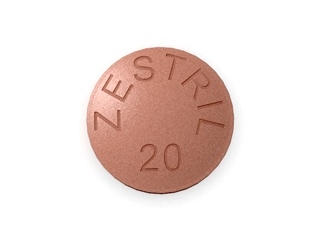


Zestril (Lisinopril) — Patient-Friendly Guide (UK)
Zestril contains the medicine lisinopril, an ACE inhibitor (Angiotensin-Converting Enzyme inhibitor). It is commonly used to treat high blood pressure and certain heart conditions. This guide explains how Zestril works, how it is taken, and what to consider for safety—written for people in the United Kingdom.
Quick Facts
- Active ingredient: Lisinopril
- Medicine type: ACE inhibitor
- Common uses: high blood pressure, heart failure, protection after heart attack (in suitable patients)
- Typical dosing frequency: once daily (many people take it the same time each day)
- Common side effects: dry cough, dizziness, tiredness
- Important cautions: do not use in pregnancy; watch for low blood pressure, kidney function and potassium changes
Basic Product Information
| Feature | Details |
|---|---|
| Brand name | Zestril |
| Generic name | Lisinopril |
| Medicine class | ACE inhibitor |
| How it is taken | By mouth, usually once daily |
| Availability (UK) | Widely available; generic lisinopril products may also be stocked by UK pharmacies |
How Zestril Works (Mechanism of Action)
Zestril (lisinopril) helps relax blood vessels and reduce strain on the heart. It does this by blocking an enzyme called ACE (angiotensin-converting enzyme). ACE normally helps produce angiotensin II, a substance that tightens blood vessels and increases blood pressure.
By inhibiting ACE, lisinopril:
- Lowers blood pressure by promoting blood vessel relaxation
- Reduces the workload on the heart, which can improve symptoms in heart failure
- May reduce harmful heart and vessel remodelling over time
- Increases levels of bradykinin, which contributes to the effect on blood vessels but can also contribute to dry cough
Pharmacokinetics (How the Body Handles It)
Pharmacokinetics describes how the body absorbs, distributes, metabolises, and eliminates a medicine. Lisinopril is generally not extensively broken down by the body and is mainly removed by the kidneys.
- Absorption: Lisinopril is absorbed after oral dosing. Food has limited effect on overall absorption, but taking it consistently is still important.
- Peak concentration: Typically reached within a few hours after a dose (often around 6 hours, varying between individuals).
- Distribution: Spreads through the body and targets the renin–angiotensin system.
- Metabolism: Minimal metabolism; the active drug remains largely unchanged.
- Elimination: Mainly excreted in the urine. Kidney function therefore strongly influences the dose and safety.
- Half-life: Lisinopril’s effects last longer than a single absorption phase; clinicians often use once-daily dosing.
Typical Uses in the UK
Zestril is used for several cardiovascular conditions. The suitability of Zestril depends on the person’s medical history and current findings.
Common indications
- Hypertension (high blood pressure): To lower blood pressure and reduce risk of complications such as stroke and heart disease.
- Heart failure: To help relieve symptoms, improve quality of life, and reduce hospitalisations in appropriate patients.
- After myocardial infarction (heart attack): In selected patients (often where early treatment is appropriate and tolerated) to reduce risk of further events.
- Other patient-specific uses: Sometimes chosen for certain patients with diabetic kidney disease or other conditions, depending on clinician assessment and local guidance.
When to Take Zestril (Timing and Routine)
Many people take lisinopril . Choosing a consistent time can help you remember doses and keep blood levels steadier.
Practical timing tips
- Same time each day: e.g., morning or evening—pick what suits your routine.
- After the first dose: if you feel lightheaded, consider taking it at a time you can rest and avoid driving until you know how you respond.
- Missed dose: take it when you remember unless it is close to the next dose; do not double up.
Starting doses and adjustments
Your prescriber may start at a lower dose and increase gradually to reach the safest and most effective dose. This approach helps reduce the chance of blood pressure drops and kidney-related side effects.
Dose Information (General Guidance)
Doses vary by condition, age, kidney function, and other medicines. Below are typical dosing ranges used in practice. Your individual dose should follow the instructions provided to you by your healthcare professional.
Typical dosing ranges (adults)
- Hypertension: often starts at a lower dose and may be titrated upward to achieve blood pressure goals.
- Heart failure: may begin at a lower dose due to a higher risk of low blood pressure and kidney changes, then adjusted carefully.
- After heart attack: may involve a structured initiation schedule, depending on clinical stability.
Important: If you have kidney disease or reduced kidney function, dose adjustments are commonly needed. People with dehydration, older age, or use of certain interacting medicines may also require closer monitoring.
Food Interactions
Lisinopril can generally be taken with or without food. Food is not known for major effects that would require careful meal timing for most people. However, consistency is helpful—try to take it the same way each day.
Practical considerations
- Stay hydrated: if you’re ill with vomiting/diarrhoea, dehydration can increase the risk of kidney problems when taking ACE inhibitors.
- Grapefruit: Grapefruit and similar products usually have less relevance to lisinopril than with some other drug classes, but always check with your pharmacist if you have concerns.
Alcohol and Medicine Interactions
Alcohol can increase the risk of dizziness or low blood pressure, especially when you start lisinopril or when your dose is increased. Moderate alcohol may still be possible for many people, but you should be cautious and avoid binge drinking.
Alcohol safety tips
- Start cautious: if you plan to drink, try a small amount first to see how you feel.
- Avoid mixing with dehydration: alcohol can worsen dehydration, which is particularly relevant if you’re unwell.
- Be careful with driving: if you feel lightheaded.
Medicine Interactions (What to Tell Your Pharmacist)
Interactions don’t always mean “stop taking” — but they may require dose adjustments and blood tests. Always inform your pharmacist and healthcare professional about all medicines and supplements you take.
Key interaction groups
- Diuretics (“water tablets”): can increase the chance of low blood pressure, especially at initiation. Sometimes your doctor adjusts the diuretic dose or monitoring schedule.
- Potassium supplements or potassium-sparing diuretics: can raise potassium levels, increasing risk of hyperkalaemia.
- NSAIDs (painkillers such as ibuprofen, naproxen, diclofenac): regular or high-dose NSAID use may reduce kidney function and affect blood pressure control. Occasional use may be safer but ask your pharmacist, especially if you have kidney disease or are older.
- Other blood pressure medicines: may increase the overall blood pressure-lowering effect (sometimes beneficial, but monitor for symptoms).
- Lithium: ACE inhibitors can increase lithium levels; this requires close monitoring.
- Immunosuppressants/other medicines affecting blood cells or kidney function: may require extra blood monitoring.
- Dual therapy with another renin–angiotensin system medicine: combining an ACE inhibitor with an ARB or aliskiren is usually avoided in many patients due to risk of kidney problems and elevated potassium (your clinician will guide what is appropriate).
Herbal and supplement reminders
Even “natural” products can affect blood pressure or kidney function. Examples include licorice (which may raise blood pressure) and potassium-containing supplements. Tell your pharmacist about all supplements and non-prescription products.
Safety Profile (Common Risks and Warnings)
Like all medicines, Zestril can cause side effects. Many people tolerate it well, but it is important to understand what is normal, what requires attention, and when to seek urgent help.
Common side effects
- Dry, persistent cough (a known ACE inhibitor effect; may take weeks to appear)
- Dizziness, especially when standing up quickly (orthostatic hypotension)
- Headache
- Tiredness or reduced energy
- Low blood pressure symptoms in some people
Less common but important effects
- Kidney function changes: measured by blood tests (creatinine/eGFR)
- High potassium (hyperkalaemia): may be picked up on blood tests; symptoms can be subtle
- Changes in blood counts: rare but may require blood monitoring in certain cases
Seek urgent medical help if
Stop taking the medicine and seek urgent help if you experience signs of angioedema, a rare but serious reaction. Symptoms may include:
- swelling of the face, lips, tongue or throat
- difficulty breathing or swallowing
- severe allergic-type reactions
Pregnancy warning
ACE inhibitors such as lisinopril can cause harm to an unborn baby. Use in pregnancy is contraindicated. If you are planning a pregnancy or could become pregnant, speak to your healthcare professional promptly about safer alternatives.
Kidney and dehydration considerations (“sick day” guidance)
If you become very unwell with vomiting or diarrhoea, or you’re unable to drink normally, dehydration can increase risk of kidney problems. Many clinicians advise following “sick day rules” for ACE inhibitors, which usually means temporary interruption during significant dehydration, but you should confirm this approach with your own healthcare team.
Practical Use Tips
- Keep appointments for blood tests: monitoring kidney function and potassium is a routine part of safe ACE inhibitor use.
- Check blood pressure if advised: home readings can help your clinician adjust dosing.
- Stand up slowly: helps reduce dizziness due to blood pressure changes.
- Know the signs to report: persistent cough, severe dizziness, swelling of face/lips, reduced urine output, or unusual muscle weakness should be discussed with healthcare professionals.
- Use consistent dosing: taking at the same time each day helps adherence.
- Don’t stop suddenly without advice: blood pressure and heart workload may worsen.
What to Expect After Starting Zestril
Response varies, but you can generally expect:
- Blood pressure lowering: may begin within days, with fuller effects over several weeks.
- Heart failure symptoms: may improve gradually; your care team will tailor monitoring to your condition.
- Cough: dry cough may develop after starting and can persist while taking the medicine.
If you experience bothersome cough or side effects, do not simply stop—discuss options with a pharmacist or clinician.
Alternative Options (If Zestril Is Not Suitable)
Alternatives depend on the condition being treated and individual circumstances (kidney function, potassium levels, tolerance, and other medicines). Below are commonly used alternatives in UK practice.
Possible alternatives
- ARBs (Angiotensin Receptor Blockers): e.g., losartan, valsartan, candesartan (often used if ACE inhibitor cough occurs).
- Other blood pressure medicines: calcium channel blockers (e.g., amlodipine), thiazide-like diuretics (e.g., indapamide), and beta-blockers (e.g., bisoprolol) depending on your diagnosis.
- Diuretics: may be used alone or combined with ACE inhibitors for certain blood pressure patterns or heart failure regimens.
Your clinician will select the best option based on your cardiovascular profile and side effect history. Do not substitute medicines without professional advice.
UK Market and Legal Context (Availability and Oversight)
In the UK, medicines like Zestril are regulated and supplied in line with medicines legislation and pharmacy standards. ACE inhibitors are widely used in primary and hospital care, and lisinopril products are commonly available through UK pharmacies and healthcare pathways.
Pharmacy supply practices may vary depending on stock, formulations, and local regulatory requirements. An online pharmacy will typically provide information about packaging, strength, and delivery options before you complete an order.
Recent Guidance (Monitoring and Caution Points)
UK clinical practice generally emphasises careful monitoring when using ACE inhibitors, including:
- Baseline checks: kidney function and electrolytes (especially potassium) are typically assessed before or soon after starting.
- Follow-up blood tests: often repeated after dose changes and at intervals thereafter.
- Managing high potassium and kidney risk: reducing interacting medicines (when appropriate) and adjusting doses if blood results change.
- Pregnancy avoidance: strong emphasis on contraception counselling and urgent review if pregnancy is possible.
- NSAID caution: guidance commonly warns against frequent NSAID use in people at risk of kidney impairment or those on ACE inhibitors.
For personal decisions and the most current advice applicable to your situation, follow the guidance provided by your GP or prescribing clinician.
Delivery and Availability (UK Online Pharmacy Notes)
Zestril (lisinopril) is generally stocked by many UK pharmacies and may be available in tablet strengths depending on supply. Online pharmacies often show:
- Pack sizes and tablet strengths available at the time of ordering
- Delivery windows based on standard or priority services
- Order cut-off times for same-day dispatch (if offered)
- Packaging and tamper-evidence for safe transit
Availability can vary due to market supply and pharmacy stock levels. If your preferred strength is temporarily unavailable, the pharmacy may offer an alternative pack size or a generic lisinopril product, where appropriate.
FAQ
1) Is Zestril the same as lisinopril?
Yes. Zestril is a brand name. The active ingredient is lisinopril. You may also see other brands or generic products containing lisinopril.
2) How long does it take to work?
Blood pressure effects can start within days, but the full effect may take several weeks. If you are using it for heart failure, improvements in symptoms may also occur gradually.
3) Can I take Zestril with food?
In most cases, yes. Food is not expected to significantly change how lisinopril works. Taking it consistently each day is recommended.
4) What should I do if I miss a dose?
Take it as soon as you remember unless it is close to your next dose. Do not take a double dose to make up for the missed one.
5) Will Zestril cause a cough?
A dry, persistent cough is a known ACE inhibitor side effect. Not everyone experiences it. If you get a bothersome cough, discuss it with your healthcare professional—an alternative medicine may be considered.
6) Are there foods or drinks I must avoid?
There are no widely required dietary restrictions solely because of lisinopril. However, alcohol can increase dizziness or low blood pressure. If you have been advised to restrict potassium, follow that advice carefully.
7) Can I take ibuprofen or other painkillers?
Occasional use of NSAIDs may be acceptable for some people, but frequent or high-dose NSAID use can increase kidney risk in those on ACE inhibitors. Ask your pharmacist for personalised advice, especially if you have kidney disease, older age, dehydration risk, or use diuretics.
8) What blood tests are needed?
Monitoring commonly includes kidney function (creatinine/eGFR) and electrolytes (especially potassium). Tests are often repeated after starting and after dose changes.
9) Can I drink alcohol while taking Zestril?
You may be able to drink alcohol, but take care—alcohol can increase dizziness and the risk of low blood pressure, particularly early in treatment or after dose increases.
10) Is Zestril safe in pregnancy?
No. ACE inhibitors such as lisinopril can harm an unborn baby. Use is not recommended in pregnancy. If pregnancy is possible, speak to your healthcare professional promptly for the safest plan.
11) What are the signs I should contact a clinician urgently?
Seek urgent help if you have swelling of the face/lips/tongue or difficulty breathing (possible angioedema), severe dizziness or fainting, reduced urination, or any severe or rapidly worsening symptoms.
12) What alternatives exist if I can’t tolerate Zestril?
Depending on your condition, an ARBs such as losartan or valsartan may be considered for some people—particularly if ACE inhibitor cough occurs. Other blood pressure or heart medicines may also be options.
Important Note
This page is intended to provide general information to help you understand how Zestril (lisinopril) is used. Individual treatment decisions depend on your health, other medicines, and blood test results. If you have any questions about starting, changing, or taking Zestril, consult a qualified healthcare professional or a pharmacist.