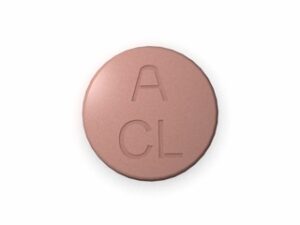
Altace (Ramipril) – Patient Information (UK)
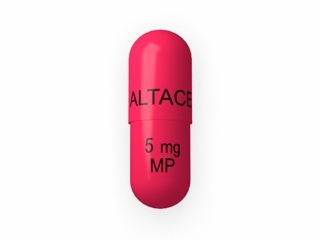
Altace contains ramipril, a medicine from the ACE inhibitor (angiotensin-converting enzyme inhibitor) group. It is used to treat high blood pressure and several heart and kidney conditions. This guide explains how Altace works, how it is typically taken, important safety information, and what to consider in everyday life.
Always follow the instructions given by your healthcare professional and read the leaflet supplied with your medicine.
Quick product facts
- Brand name: Altace
- Active ingredient: Ramipril
- Medicine type: ACE inhibitor
- Common uses: High blood pressure, heart failure, after certain heart events, and to protect kidneys in some patients
- How it’s taken: Usually once or twice daily by mouth, depending on the dose plan
What is Altace (ramipril) and what does it do?
Altace (ramipril) is a prescription-only medicine in the UK and is used to help control blood pressure and reduce strain on the heart and blood vessels. It can also help protect kidneys, particularly in people with diabetes and certain stages of kidney disease.
Mechanism of action (how it works)
Ramipril helps relax blood vessels and reduces pressure on the heart by blocking an enzyme called ACE. This lowers levels of angiotensin II (a substance that narrows blood vessels) and increases levels of bradykinin, which also supports blood vessel dilation.
As a result, Altace can:
- Reduce blood pressure
- Lower the workload on the heart
- Improve circulation in some people with heart failure
- Help slow kidney damage in selected groups
Pharmacokinetics (how the body handles ramipril)
Pharmacokinetics describes what happens to a medicine in the body—how it is absorbed, transformed, distributed, and eliminated.
- Absorption: Ramipril is absorbed after oral dosing. Food does not generally prevent its effect, but timing can affect how quickly levels rise.
- Activation: Ramipril is converted in the body to its active form (ramiprilat), which is responsible for much of the ACE inhibition.
- Distribution: The active drug circulates in the bloodstream and acts on tissues involved in blood vessel control.
- Elimination: The active drug is mainly cleared by the kidneys. Dose adjustments may be needed in kidney impairment.
- Onset and duration: Blood pressure lowering is typically noticeable within hours, with ongoing effects across the day. Your dosing schedule is designed for steady benefit.
Typical uses in the UK
Altace is used for a range of cardiovascular and kidney conditions. Indications may vary based on your individual assessment.
Common indications include:
- Hypertension (high blood pressure): to lower blood pressure and reduce cardiovascular risk.
- Heart failure: to manage symptoms and reduce risk of hospitalisation in selected patients.
- After a heart attack (myocardial infarction): in certain patients, often as part of risk reduction.
- High cardiovascular risk: to reduce the risk of cardiovascular events in some people with established disease or significant risk factors.
- Diabetic kidney disease / kidney protection: particularly when urine protein is present or in other defined scenarios.
Note: Your prescriber will decide which indication applies to you based on your history, blood pressure, kidney function, potassium levels, and other medicines.
Timing: when to take Altace
Altace is usually taken once daily, but some people may require twice daily dosing depending on dose and the treatment plan.
Practical timing guidance
- Choose a consistent time: Taking it at the same time each day can help you remember.
- First dose considerations: Your first dose or any dose increase may make you feel dizzy, especially if you’re dehydrated or also taking diuretics (water tablets).
- Morning vs evening: Many people take it in the morning; others may be advised to take it at a different time. Follow your guidance.
- If you forget a dose: Take it when you remember unless it’s close to the next dose. Do not double the dose.
Food interactions (can you take it with meals?)
Ramipril can generally be taken with or without food. However, food may affect the speed at which some people absorb the medicine. For most patients, what matters most is maintaining a consistent routine.
- With food: usually acceptable.
- Without food: also usually acceptable.
- Consistency: taking it the same way each day may reduce day-to-day variation.
If you have stomach upset, dizziness, or feel unwell after a dose, speak to a healthcare professional for tailored advice.
Alcohol and medicine interactions
Alcohol
Alcohol can further lower blood pressure and may increase the chance of dizziness or faintness, especially when starting Altace or after dose increases. If you drink alcohol, consider:
- Starting with small amounts and see how you feel
- Avoiding binge drinking
- Staying well-hydrated
Important medicine interactions
Many medicines can interact with Altace because of effects on kidney function, potassium balance, or blood pressure.
Tell your healthcare professional or pharmacist about all medicines you take, including over-the-counter products and herbal remedies.
Common interaction themes include:
- Potassium supplements or salt substitutes: can raise potassium levels, increasing risk of hyperkalaemia.
- Other medicines that raise potassium: some heart failure medicines and certain immunosuppressants.
- Diuretics (“water tablets”): may increase the risk of low blood pressure, particularly around starting or dose changes.
- Non-steroidal anti-inflammatory drugs (NSAIDs) (e.g., ibuprofen, naproxen): in some people, long-term or high-dose NSAIDs may reduce kidney protection and contribute to kidney stress.
- Lithium: ACE inhibitors can increase lithium levels.
- Diabetes medicines: may require monitoring because blood sugar can be affected.
Because individual regimens differ, always check your specific combination with a pharmacist.
Dosing: how much is usually taken?
Altace dosing is individualised. Dose may depend on:
- Your diagnosis (blood pressure vs heart failure vs kidney protection)
- Kidney function
- Potassium level
- Your response and side effects
- Whether you’re taking diuretics or other cardiovascular medicines
General approach (dose titration)
For many patients, clinicians start with a lower dose to reduce the risk of dizziness or abnormal blood test results, then increase gradually (“titration”) based on blood pressure and blood tests.
Important: The exact dose and schedule you should use is determined by your healthcare professional.
Typical dose patterns (example ranges)
In practice, ramipril is commonly available in multiple strengths. Typical dosing regimens may include once-daily or split dosing depending on the indication. Your prescriber will confirm the exact strength and number of tablets.
- High blood pressure: often started low and increased to achieve target blood pressure.
- Heart failure / post-heart event management: usually begins at a low dose with close monitoring.
- Kidney protection in selected patients: often uses a structured titration plan.
If you’re unsure about your strength or how to take your tablets, ask your pharmacist.
Safety profile: who should be cautious?
Altace is effective for many people, but like all medicines it can cause side effects. Some are mild, while others require urgent medical attention.
Common side effects
- Dizziness or light-headedness (often around starting or increasing dose)
- Headache
- Dry cough
- Tiredness
- Nausea or abdominal discomfort in some people
Less common but important effects
- Low blood pressure (hypotension), especially after first dose or if dehydrated
- High potassium (hyperkalaemia) shown in blood tests
- Kidney function changes detected by blood tests
- Changes in blood counts (rare)
Seek urgent medical help if you have
- Signs of angioedema: swelling of face, lips, tongue, or throat; difficulty breathing or swallowing
- Severe allergic reaction symptoms
- Fainting, severe dizziness, or signs of dangerously low blood pressure
- Signs of kidney problems: very reduced urine output, severe fatigue, or rapidly worsening symptoms
Who may need extra caution
- Kidney impairment or reduced kidney function
- History of high potassium
- Dehydration (e.g., vomiting/diarrhoea, poor fluid intake)
- Older adults who may be more sensitive to blood pressure changes
- People taking diuretics or medicines affecting potassium
- People with diabetes who may require close monitoring of kidney function and blood sugar
Practical use tips (to get the best results and stay safe)
- Attend blood test appointments: Ramipril can affect kidney function and potassium, so monitoring is commonly required.
- Know your “sick day” plan: If you develop vomiting, diarrhoea, fever, or you’re unable to drink normally, your healthcare team may advise temporarily pausing certain medicines. Ask for specific instructions.
- Be careful with dehydration: Aim to drink fluids normally unless told otherwise.
- Stand up slowly: This can reduce dizziness, especially in the early stages of treatment.
- Check your blood pressure: Home monitoring can help your clinician adjust treatment. Ensure you use a properly validated device and record readings.
- Don’t start NSAIDs without advice: Frequent ibuprofen/naproxen use can affect kidney function in some people taking ACE inhibitors.
- Be mindful of cough: A persistent dry cough is a known ACE inhibitor side effect. If it bothers you, speak to a pharmacist or clinician about alternatives.
Alternative treatment options
Depending on your condition and tolerance, healthcare professionals may consider other medicines. Alternatives may include:
- ARBs (angiotensin II receptor blockers), such as losartan or candesartan
- Calcium channel blockers for blood pressure (e.g., amlodipine)
- Diuretics (e.g., bendroflumethiazide) in selected cases
- Beta-blockers for certain heart conditions (e.g., bisoprolol, carvedilol)
If you experience problematic side effects (such as angioedema or a troublesome cough), your healthcare professional may advise switching to a different class of medicine.
Recent guidance and UK context (overview)
In the UK, ACE inhibitors like ramipril are widely used in cardiovascular and renal care. Ongoing guidance and review of best practice typically emphasise:
- Appropriate patient selection and careful baseline assessment (blood pressure, kidney function, potassium)
- Blood monitoring after starting or changing dose
- Managing safety risks such as hyperkalaemia, kidney function changes, and ACE inhibitor cough
- Special caution in pregnancy (ACE inhibitors are not suitable during pregnancy)
- Individualised therapy in line with clinical guidelines and patient circumstances
Guidance may be updated over time; your healthcare professional can provide the most relevant, up-to-date advice for your situation.
Market and legal information in the UK
Altace (ramipril) is available in the UK under regulated pharmaceutical supply standards. Medicines such as ramipril are subject to UK medicines legislation and dispensing rules. Online pharmacy services operate within UK regulations regarding medicinal products, supply processes, and patient safety checks.
Availability can vary by strength and formulation. If a specific strength is temporarily unavailable, your pharmacist may offer an appropriate substitute where allowed and clinically suitable.
Delivery and availability (online pharmacy)
Online pharmacies in the UK typically offer:
- Home delivery to UK addresses (subject to eligibility and service areas)
- Discrete packaging
- Tracking options where available
- Support from pharmacy staff for questions about timing, side effects, or interactions
Delivery times depend on stock status, couriers, and the prescription/dispensing workflow used by the service (where applicable). If you need your medicine urgently, check with the pharmacy about current dispatch times.
Food and lifestyle considerations
While Altace can be taken with or without food, lifestyle factors can influence blood pressure and overall cardiovascular risk.
Helpful lifestyle measures
- Reduce excess salt where advised, as this can improve blood pressure control.
- Stay active in a safe, approved way (e.g., walking or gentle exercise).
- Maintain a healthy weight if possible.
- Stop smoking and limit alcohol (where appropriate).
- Follow any kidney-friendly dietary advice, particularly if you have been told to limit potassium or fluids.
FAQ about Altace (ramipril)
1) How long does Altace take to work?
Blood pressure lowering can begin within hours, but the full benefit may take days to weeks as your body adjusts and doses are optimised. Your clinician will monitor your response and may adjust the dose over time.
2) Can I take Altace with other blood pressure medicines?
Often, yes—combination therapy is common. However, certain combinations require closer monitoring (e.g., medicines that affect kidney function or potassium). Always check your medication list with a pharmacist or clinician.
3) Why do I feel dizzy when starting Altace?
Dizziness can occur due to lowered blood pressure, especially after the first dose or following a dose increase. Dehydration, diarrhoea, vomiting, or other blood pressure-lowering medicines can make it more likely. If symptoms are severe or you faint, seek urgent medical help.
4) Does Altace cause a cough?
A dry, persistent cough is a known side effect of ACE inhibitors such as ramipril. If the cough is troublesome, discuss options with your healthcare professional. Some people may be switched to an alternative class (e.g., an ARB).
5) Is Altace safe for kidneys?
In appropriate patients, ACE inhibitors can help protect kidneys and reduce progression of certain kidney diseases. However, they can also temporarily affect kidney function and potassium levels, especially at the start or after dose changes—hence blood monitoring is important.
6) Can I drink alcohol while taking Altace?
Small amounts may be acceptable for some people, but alcohol can increase dizziness and lower blood pressure. Avoid heavy drinking and be cautious when starting treatment or adjusting dose.
7) What if I miss a dose?
Take it as soon as you remember unless it’s close to the next dose. Do not take a double dose to make up for a missed tablet.
8) What should I do if I become unwell (vomiting/diarrhoea/fever)?
Dehydration can increase the risk of low blood pressure and kidney stress. Many patients are advised to temporarily pause certain medicines during severe illness, but the exact plan should be given to you by your healthcare team. Contact your clinician or pharmacist for personalised advice.
9) Can Altace be taken in pregnancy?
ACE inhibitors like ramipril are generally not suitable in pregnancy and may harm the developing baby. If pregnancy is possible or planned, discuss contraception and treatment options with a healthcare professional urgently.
10) Are there alternatives if I can’t tolerate ramipril?
Yes. Alternatives may include ARBs, and other blood pressure or heart failure medicines depending on your diagnosis and medical history.
Product summary table
| Topic | What to know |
|---|---|
| Medicine | Altace (ramipril), an ACE inhibitor |
| Main benefits | Lowers blood pressure; helps in heart failure and reduces cardiovascular risk; may protect kidneys in selected patients |
| How it works | Reduces angiotensin II effects and supports blood vessel relaxation |
| Typical timing | Often once daily (sometimes split dosing); take at a consistent time |
| With food | Usually can be taken with or without food |
| Alcohol | May worsen dizziness/low blood pressure; use caution |
| Key monitoring | Blood tests for kidney function and potassium are commonly needed, especially after starting or dose changes |
| Common side effects | Dizziness, headache, dry cough |
| Urgent warning sign | Swelling of face/lips/tongue/throat or breathing difficulty (possible angioedema) |
Important: If you have questions about whether Altace is suitable for you, or if you experience side effects, contact a healthcare professional or your pharmacist promptly.