

Telmisartan (Tablet Medicine) – Patient-Friendly Guide (UK)
Telmisartan is a medicine used to treat high blood pressure and to reduce the risk of certain heart and blood-vessel problems in people at higher cardiovascular risk. This guide explains what telmisartan is, how it works, how it’s taken, food and alcohol considerations, safety information, practical tips, and related options available in the UK.
| Category | Details |
|---|---|
| Generic name | Telmisartan |
| Medicine type | Angiotensin II receptor blocker (ARB) |
| Common uses | High blood pressure; risk reduction in selected adults with cardiovascular disease |
| How it’s usually taken | Once daily (tablet), at about the same time each day |
| Typical dose range | Often 20–80 mg once daily (dose depends on condition and tolerance) |
| Food interaction | Food may slightly reduce absorption; many people can take it with or without food |
| Key cautions | Pregnancy risk, dehydration, kidney artery/narrowing concerns, electrolyte changes |
Basic Product Information
Telmisartan belongs to a group of medicines called ARBs (angiotensin II receptor blockers). It helps relax blood vessels and lowers blood pressure, making it easier for the heart to pump. Telmisartan can also help reduce the risk of cardiovascular events in certain higher-risk adults.
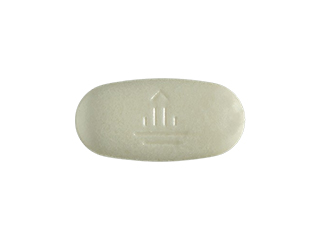
Telmisartan is available in tablet strengths (often including 20 mg, 40 mg, and 80 mg depending on brand and market availability). Always check the exact strength printed on your tablet pack.
How Telmisartan Works (Mechanism of Action)
The body naturally uses a hormone system (the renin–angiotensin–aldosterone system, RAAS) to control blood vessel tone and fluid balance. Angiotensin II is one of the key RAAS hormones. It can cause:
- Blood vessels to tighten (raising blood pressure)
- Increased strain on the heart
- Potential stimulation of hormones that affect fluid and salt balance
Telmisartan works by blocking angiotensin II receptors (specifically the AT1 receptor). This reduces blood vessel tightening and can lead to:
- Lower blood pressure
- Improved blood flow and reduced workload on the heart
- Reduced risk of certain cardiovascular complications in suitable patients
Pharmacokinetics (How the Body Handles Telmisartan)
Understanding how telmisartan is absorbed and processed may help you take it more effectively. Pharmacokinetics describes what happens to the medicine in the body:
- Absorption: Telmisartan is absorbed after taking a tablet. Its absorption can be slightly affected by food, but it is still effective for most people.
- Time to peak concentration: Blood levels typically peak around 1–2 hours after a dose.
- Distribution: Telmisartan is highly bound to plasma proteins.
- Metabolism: It is metabolised primarily in the liver (via processes involving conjugation).
- Elimination: Telmisartan is mostly excreted via the bile and faeces; a smaller proportion is eliminated via urine.
- Half-life: It has a relatively long duration of action, supporting once-daily dosing.
Typical Use in the UK
1) High Blood Pressure (Hypertension)
Telmisartan is commonly used to treat hypertension. Lowering blood pressure helps reduce the risk of:
- Stroke
- Heart attack
- Heart failure
- Kidney damage caused by high blood pressure
2) Cardiovascular Risk Reduction
In selected adults who have cardiovascular disease or are at high risk (as defined by clinical criteria), telmisartan may help reduce the risk of cardiovascular events. Your clinician will advise if telmisartan is appropriate for your individual risk profile.
When and How to Take Telmisartan (Timing & Consistency)
Telmisartan is usually taken once daily. Many people prefer taking it at the same time each day to build a routine. Some patients take it in the morning; others take it in the evening—either is usually acceptable.
Practical timing tips
- Choose a time you can stick to: mornings, evenings, or after a meal.
- If you miss a dose: take it when you remember unless it’s close to your next dose. Do not take a double dose.
- Give it time to work: blood pressure can start to improve within days, but the full effect may take several weeks.
Food Interactions
Telmisartan can be taken with or without food in many cases. Food may slightly reduce absorption (lower peak levels), but this generally does not prevent telmisartan from being effective for most patients.
If you notice stomach discomfort or other effects, you may find it easier to take telmisartan with food. Consistency is key—try to take it the same way each day.
Alcohol and Medicine Interactions
Alcohol can affect blood pressure and may increase the chance of feeling dizzy or light-headed, especially when you first start telmisartan or if your dose changes.
Alcohol
- Moderation is advisable: avoid binge drinking.
- Be cautious with dehydration: heavy alcohol use can worsen dehydration.
- Watch dizziness: if you feel faint, sit or lie down and avoid driving.
Common medicines that may interact
Always check your medication list with a healthcare professional or pharmacist—telmisartan can interact with other medicines, particularly those affecting the kidneys, potassium, or blood pressure.
- Potassium supplements or potassium-containing salt substitutes: may increase potassium levels.
- Diuretics (“water tablets”): can affect fluid balance and kidney function; dehydration increases risk.
- Other blood pressure medicines: may increase the blood-pressure-lowering effect (often acceptable but needs monitoring).
- Non-steroidal anti-inflammatory drugs (NSAIDs) such as ibuprofen or naproxen (especially frequent or high-dose use): may affect kidney function and reduce the effect of blood-pressure medicines in some people.
- Lithium: can have increased levels and toxicity risk when combined with RAAS medicines.
This is not an exhaustive list. Your pharmacist can help check interactions with your specific medicines and medical history.
Indications (What Telmisartan Treats)
In the UK, telmisartan is used for:
- Treatment of hypertension (high blood pressure) in adults
- Reduction of cardiovascular risk in adults at high cardiovascular risk who cannot tolerate certain alternatives or who meet clinical criteria (based on prescriber assessment and current guidelines).
Dosing (Typical Dose Information)
The right dose depends on your diagnosis, blood pressure response, kidney function, and other medicines you take. Below is general information to help you understand typical regimens. Follow your specific dosing instructions from your healthcare professional.
For high blood pressure
- Starting dose: often 20–40 mg once daily
- Typical maintenance: 40–80 mg once daily
- Dose changes: may be adjusted based on blood pressure readings over time
For cardiovascular risk reduction
- Typical approach: a once-daily regimen is used, commonly 80 mg once daily in studies for risk reduction.
Special situations
- Kidney impairment: clinicians may use the lowest effective dose and monitor kidney function and electrolytes.
- Liver impairment: dose adjustments may be needed; caution is important in certain liver conditions.
- Dehydration or volume depletion: may require correction before starting or changing the dose.
Safety Profile (Common Side Effects & Serious Risks)
Most common side effects
Many people tolerate telmisartan well. Possible side effects include:
- Feeling dizzy or light-headed
- Fatigue
- Headache
- Stomach discomfort or diarrhoea
- Back pain
If side effects are persistent or troublesome, contact a pharmacist or clinician for advice.
Serious or urgent concerns
Seek urgent medical help if you experience symptoms that could signal a serious reaction. Examples include:
- Signs of an allergic reaction: swelling of face/lips, difficulty breathing, severe rash
- Severe dizziness or fainting (especially after starting or dose increases)
- Signs of very high potassium such as muscle weakness, slow heartbeat, or palpitations
- Reduced urine output or sudden swelling, which may suggest kidney problems
Important safety information
- Pregnancy: Telmisartan is generally not suitable during pregnancy. RAAS medicines can harm the developing baby. If you might become pregnant, discuss contraception options with your clinician.
- Kidney artery narrowing: In people with narrowing of the renal artery, kidney function changes can occur.
- Dehydration: If you are dehydrated (e.g., vomiting/diarrhoea, heavy sweating), your clinician may advise temporarily pausing certain medicines and arranging assessment.
- Electrolyte monitoring: RAAS medicines may affect potassium and kidney function; blood tests are commonly used to monitor safety.
Practical Use Tips (Get the Best Results)
- Measure your blood pressure: If you have a home monitor, keep records to discuss with your clinician.
- Be consistent: daily adherence helps maintain stable blood pressure control.
- Stay hydrated: especially during hot weather or if you are unwell. Ask your clinician about “sick day” rules for your medicines.
- Know your lab tests: ask when kidney function (creatinine/eGFR) and potassium will be checked.
- Be careful with painkillers: frequent NSAID use may increase kidney risk in some patients on RAAS medicines.
- Don’t stop suddenly without advice: blood pressure can rise if telmisartan is discontinued.
Alternative Options (If Telmisartan Isn’t Suitable)
Treatment for hypertension and cardiovascular risk reduction can involve different medicine classes. If telmisartan is not suitable due to side effects, interactions, or a lack of effect, your clinician may consider alternatives such as:
Other ARBs
- Losartan
- Valsartan
- Candesartan
ACE inhibitors
- Enalapril
- Lisinopril
- Ramipril
(Note: ACE inhibitors can cause a cough in some people; ARBs are often chosen when cough occurs.)
Other blood pressure classes
- Calcium channel blockers (e.g., amlodipine)
- Thiazide-like diuretics (e.g., indapamide, chlortalidone)
- Beta blockers (e.g., bisoprolol, atenolol) in selected patients
Non-medicine strategies also matter: reducing salt intake, maintaining a healthy weight, regular physical activity, limiting alcohol, and stopping smoking.
Market & Legal Context in the United Kingdom
Telmisartan is an established medicine used in the UK for blood pressure and selected cardiovascular risk management. Like all medicines supplied in the UK, it is regulated to ensure quality, safety, and effectiveness. Medicines are supplied in line with UK medicines legislation and prescribing/dispensing practices.
Online pharmacies offering medicines in the UK typically follow strict requirements, including:
- Verification of patient eligibility
- Safe supply practices and clear product information
- Systems to support safe storage and delivery
- Pharmacist review where required by regulations
Recent Guidance (Where Telmisartan May Fit)
In the UK, guidance for hypertension management is influenced by organisations such as NICE (National Institute for Health and Care Excellence) and British and European cardiology and hypertension recommendations. In general, ARBs like telmisartan are considered:
- When an ARB is appropriate based on patient factors
- As an alternative or complement to other first-line classes
- In combination regimens where suitable to reach target blood pressure
Clinical decisions can vary based on age, co-existing conditions (such as kidney disease or diabetes), and overall cardiovascular risk. Your pharmacist and clinician can help interpret the most relevant guidance for your situation.
Delivery, Availability & What to Expect (UK Online Pharmacy)
Availability and dispatch times may vary by supplier, current demand, and the specific tablet strength. Most online pharmacies in the UK aim to provide:
- Clear product listing: strength, pack size, and dosage form
- Estimated delivery windows: usually provided at checkout
- Secure packaging: tablets protected from moisture and damage
- Trackable delivery: depending on the service chosen
If you need a repeated supply, many services offer reminders or subscriptions (where available) to help you avoid running out.
FAQ About Telmisartan
1. What is telmisartan used for?
Telmisartan is used to treat high blood pressure and may be used to reduce the risk of certain cardiovascular events in people at higher risk, depending on their clinical profile.
2. How quickly will telmisartan work?
Some blood pressure lowering can be noticed within a few days, but the full effect may take several weeks. If your clinician adjusts the dose, further improvement is often seen over the next few weeks.
3. Can I take telmisartan with food?
Yes, many people can take telmisartan with or without food. Food may slightly affect absorption, so choose a routine that suits you and keep it consistent.
4. What should I do if I miss a dose?
Take it as soon as you remember unless it is close to the next dose. Do not take a double dose to make up for a missed tablet.
5. Is telmisartan safe to take with other medicines?
Telmisartan can interact with medicines that affect kidney function or potassium levels, and with other blood pressure medicines. Your pharmacist can check your medication list for compatibility.
6. Can I drink alcohol while taking telmisartan?
Moderate alcohol is usually possible, but alcohol can lower blood pressure and increase dizziness risk. Avoid heavy drinking, and seek advice if you feel faint or unwell.
7. Does telmisartan affect kidney function?
It can in certain situations, which is why clinicians may monitor kidney function and potassium with blood tests. This is especially important if you are dehydrated, have existing kidney issues, or take interacting medicines.
8. What side effects should I watch for?
Common effects include dizziness, headache, or fatigue. Contact a clinician promptly if you experience severe dizziness, swelling, breathlessness, reduced urine output, or symptoms that may suggest high potassium.
9. Can I stop telmisartan suddenly?
It’s usually not recommended to stop without advice. Stopping can lead to blood pressure rising again. If you want to stop, discuss a plan with your clinician.
10. Who should not take telmisartan?
Telmisartan is generally not recommended during pregnancy. People with certain rare conditions (or those with significant electrolyte problems) may need specialist advice. Your pharmacist can help confirm suitability based on your history.
Summary
Telmisartan is an ARB medicine widely used in the UK to manage high blood pressure and, for some patients, reduce cardiovascular risk. It works by blocking angiotensin II at its receptor, helping blood vessels relax and lowering blood pressure. Most people take it once daily, at a consistent time, with or without food. As with all blood pressure medicines, regular monitoring and awareness of interactions—especially potassium changes, kidney function, dehydration, and NSAID use—are important for safe and effective treatment.
If you have questions about your dose, how to take telmisartan alongside your other medicines, or what to do when you are unwell, speak to a pharmacist or healthcare professional for personalised advice.