
Tritace (Ramipril): Patient-Friendly Guide (UK)
Tritace is a brand of ramipril, a medicine from the class of drugs known as ACE inhibitors (Angiotensin-Converting Enzyme inhibitors). It is used to treat certain heart and blood pressure conditions and, in some people, to help reduce the risk of cardiovascular events.
This guide explains how Tritace works, when it’s typically taken, important food and alcohol considerations, medicine interactions, practical tips, and what to expect regarding safety. It also includes information relevant to the United Kingdom, including current healthcare guidance themes and how to access medicines safely through an online pharmacy.
1) Basic product information
Active ingredient: Ramipril
Brand: Tritace
Medicine type: ACE inhibitor (blood pressure/heart medicine)
Typical strengths (commonly available in the UK): Often 1.25 mg, 2.5 mg, 5 mg, and 10 mg tablets
(availability may vary by supplier)
How it’s supplied: Oral tablets
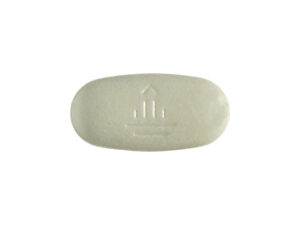
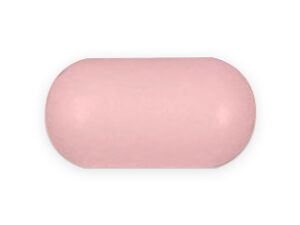
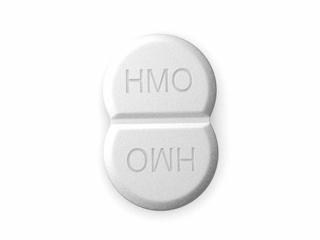
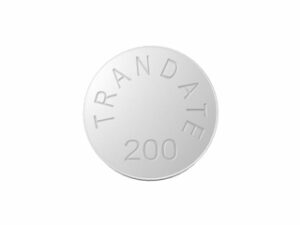
Note: Always check the specific strength and tablet imprint/pack details on your product. If you are unsure, speak to a pharmacist.
2) How Tritace works (mechanism of action)
Ramipril is an ACE inhibitor. It works by lowering levels of angiotensin II, a substance that narrows blood vessels and increases blood pressure.
- Vasodilation: blood vessels relax, which helps reduce blood pressure.
- Reduced strain on the heart: by lowering afterload (the effort the heart makes to pump).
- Kidney effects: ACE inhibition can reduce harmful pressure patterns in some kidney conditions, particularly where the kidneys are affected by diabetes or blood pressure problems.
- Long-term cardiovascular protection: in suitable patients, it can lower the risk of events such as heart attack, stroke, or cardiovascular death.
Important: ACE inhibitors can also increase levels of bradykinin, which contributes to some side effects (notably dry cough in some people and, rarely, angioedema).
3) Pharmacokinetics (how the body handles ramipril)
Pharmacokinetics describes absorption, conversion, and elimination of the medicine. While individual results vary, the main points are:
- Absorption: Ramipril is taken by mouth and absorbed through the gut.
- Activation: Ramipril is converted in the body to its active form (ramiprilat), which is responsible for most of the ACE-inhibiting effect.
- Onset of effect: blood pressure-lowering typically starts within hours, with maximal effects often developing over days as dose adjustment and steady state occur.
- Duration: ACE inhibition generally lasts long enough for once-daily dosing in many patients.
- Elimination: the medicine and its metabolites are eliminated mainly via the kidneys.
Kidney function can affect clearance. If you have reduced kidney function, doctors usually monitor carefully and may adjust the starting dose.
4) Typical use and when to take it (timing)
Tritace is often taken . The exact timing depends on your condition and how you tolerate the medicine. Many people take it at the same time each day to maintain steady blood levels.
Common timing patterns
- Once daily in the morning: common for blood pressure control and cardiovascular protection.
- Once daily at night: sometimes preferred if it causes dizziness or light-headedness during the day.
- Dose changes: dose increases are often done gradually, typically after review of blood pressure symptoms, and blood tests for kidney function and potassium.
Practical tip: Take it at the same time each day. If you miss a dose, take it when you remember, unless it is close to the next dose. Do not take a double dose.
5) Food interactions
Food may affect the absorption of some medicines. With ramipril, you can usually take it with or without food. However, your prescriber or pharmacist may advise a consistent routine.
- Consistency helps: taking Tritace the same way each day (with or without food) may reduce variability.
- If stomach upset occurs: some people find taking it with food more comfortable.
If you have been told to follow specific dietary guidance (for example, regarding salt intake), continue to follow that advice.
6) Alcohol and medicine interactions
Alcohol
Alcohol can increase the chance of dizziness or low blood pressure, particularly when you first start Tritace or after a dose increase.
- If you drink alcohol, consider keeping it moderate and avoid binge drinking.
- Stand up slowly if you feel light-headed, especially after alcohol or on hot days.
Medicine interactions (important)
Some medicines can interact with ramipril by affecting kidney function, potassium levels, or blood pressure. Always check with a pharmacist or clinician if you take any of the following:
- Potassium supplements or salt substitutes containing potassium (may increase potassium and risk irregular heart rhythm).
- Potassium-sparing diuretics such as spironolactone or eplerenone (may raise potassium).
- Other blood pressure medicines (effects may add up, increasing risk of low blood pressure).
- Diuretics (“water tablets”) including loop or thiazide diuretics (may increase first-dose dizziness or dehydration risk).
- Non-steroidal anti-inflammatory drugs (NSAIDs) such as ibuprofen, naproxen, or diclofenac (can reduce kidney protection and increase kidney risk when combined with ACE inhibitors).
- Medicines that affect kidney blood flow (for example, certain treatments for pain or inflammation that include NSAIDs).
- Medicines used in diabetes (ramipril can lower blood glucose modestly; monitor for symptoms of low blood sugar if on insulin or sulfonylureas).
- Lithium (ACE inhibitors can increase lithium levels; this combination requires careful monitoring).
- Immunosuppressants and some cancer medicines (may affect blood counts and kidney function).
All “over-the-counter” medicines matter: include painkillers, cold/flu remedies, and herbal products when checking interactions. “Natural” does not always mean risk-free.
7) Indications (what Tritace is used for in the UK)
Ramipril is used for a range of cardiovascular and kidney-related indications. Your exact suitability depends on your medical history and results of examinations and blood tests.
Common indications
- High blood pressure (hypertension)
- Heart failure (including some people with reduced heart pumping ability)
- Reducing risk of cardiovascular events in people at higher cardiovascular risk (for example, after certain heart or vascular events)
- After myocardial infarction (heart attack) in selected patients, often to reduce further risk
- Diabetic kidney disease or kidney protection in selected people with diabetes and albumin in the urine (as determined by clinicians)
Some uses and eligibility criteria are based on clinical trials and national/local prescribing practices. Your doctor may also use ramipril as part of a broader treatment plan including lifestyle measures and other medicines.
8) Dosing: how Tritace is commonly prescribed and adjusted
Dosing is individual. Typical strategies involve starting at a lower dose and increasing gradually to improve tolerance and achieve the desired effect. Your clinician may use blood pressure readings and lab results (especially creatinine/eGFR and potassium) to guide dose changes.
General dosing principles
- Start low to reduce the chance of first-dose dizziness.
- Increase slowly based on tolerance and response.
- Monitor kidney function and potassium after starting and after dose changes.
Typical once-daily schedule (example framework)
The following is a general framework used in many ACE inhibitor regimens. Your exact dose should follow your healthcare professional’s instructions.
| Condition (typical use) | Starting approach (typical) | Adjustment (typical pattern) |
|---|---|---|
| High blood pressure | Lower starting dose | Titrate upward gradually based on BP response |
| Heart failure | Very low starting dose in many patients | Increase slowly with careful monitoring |
| Post-heart attack / higher risk prevention | Started once clinically stable | Gradual titration toward target studied doses |
| Diabetic kidney protection (selected patients) | Low starting dose | Adjusted based on kidney labs and potassium |
If you have dehydration (for example, vomiting or diarrhoea), are on high-dose diuretics, or have reduced kidney function, clinicians may delay or reduce dose escalation until safer.
Do not stop suddenly unless advised. If you feel unwell, you can contact your prescriber or pharmacist for urgent advice.
9) Safety profile: common, serious, and what to monitor
Like all medicines, Tritace can cause side effects. Many people tolerate it well, especially after gradual dose adjustment. The most important safety considerations relate to blood pressure, kidney function, potassium levels, and rare allergic reactions.
Common side effects
- Dry cough (often persistent, usually without fever)
- Dizziness or light-headedness, especially when standing
- Headache
- Fatigue
- Low blood pressure symptoms (e.g., feeling faint)
Less common but important effects
- Changes in kidney function (monitored with blood tests)
- Raised potassium (hyperkalaemia), which can affect heart rhythm in severe cases
- Digestive upset (nausea, stomach discomfort)
- Rash or itching
Rare but serious: seek urgent medical help
- Angioedema (swelling of face, lips, tongue, or throat; difficulty breathing or swallowing). This is a medical emergency.
- Severe allergic reaction or widespread rash with blistering/peeling skin.
- Signs of very high potassium (e.g., unusual weakness, palpitations) — can be serious.
Monitoring schedule (typical)
Doctors commonly check:
- Blood pressure
- Kidney function (creatinine/eGFR)
- Potassium level
Testing is often done soon after starting and after dose changes, then periodically depending on stability and other medicines.
10) Practical use tips (how to take Tritace safely)
- Hydration matters: avoid becoming dehydrated. On hot days or during illness, reduced fluid intake may increase risk of low blood pressure and kidney strain.
- Be cautious when rising: if you feel dizzy, stand up slowly from sitting or lying down.
- Don’t ignore a persistent cough: a dry cough is common with ACE inhibitors. Inform a clinician—there may be alternatives if it affects quality of life.
- Keep lab appointments: kidney and potassium tests are central to safe use.
- Medication list: keep an updated list of all medicines you take (including OTC and supplements) for interaction checks.
- Illness guidance (“sick day” considerations): if you develop vomiting/diarrhoea or you can’t keep fluids down, you may need temporary advice about ACE inhibitors and diuretics. Contact a healthcare professional for tailored guidance.
11) Alternative options (if Tritace isn’t suitable)
Alternatives depend on why you’re taking ramipril (blood pressure, heart failure, kidney protection, or risk reduction), your tolerance, and your lab results.
Common alternative medicine classes
- ARBs (Angiotensin Receptor Blockers) (e.g., losartan, valsartan, candesartan) — sometimes used if ACE inhibitor cough occurs.
- Other blood pressure medicines such as calcium channel blockers (e.g., amlodipine) or thiazide-like diuretics depending on overall cardiovascular risk profile.
- Heart failure specific options may be considered in addition to, or instead of, ACE inhibitors in some patients.
If Tritace isn’t tolerated (for example, due to cough or angioedema), a clinician will advise a suitable alternative. Do not switch between ACE inhibitors without medical advice.
12) Market and legal context in the United Kingdom (including access via online pharmacies)
In the UK, ramipril is a prescription-only medicine. Online pharmacies must follow strict UK regulations, including safe supply processes, identity verification, and checks to reduce harm.
A reputable online pharmacy will typically require:
- Confirming the correct medicine name and strength
- Age and allergy safety checks
- Information about current medicines to check interactions
- Guidance about how to take it safely
- Packaging and delivery suitable for medicines
Always ensure you use a pharmacy registered with the appropriate UK regulators and provide accurate information when ordering. If a medicine is unavailable, a supplier should communicate expected timelines or propose appropriate alternatives.
13) Recent guidance and clinical practice themes (UK)
Clinical guidance in the UK for cardiovascular conditions commonly emphasises:
- Individualised titration based on blood pressure, symptoms, and blood test results
- Regular monitoring of kidney function and potassium for ACE inhibitors
- Careful use in higher-risk groups (older adults, those with kidney impairment, dehydration risk, or multiple interacting medicines)
- Managing cough or intolerability by considering alternative regimens where appropriate
- Patient safety and “sick day” advice to help prevent complications during intercurrent illness
Guidance evolves over time. Your prescriber may follow national and local protocols from UK professional bodies and update regimens based on your needs.
14) Delivery and availability (UK online pharmacy)
Availability can vary by strength and packaging. When ordering online, you can typically expect:
- Clear stock status during checkout
- Delivery options depending on the supplier’s logistics network
- Tracking or delivery confirmation for dispatched orders
- Substitution handling: if a brand strength is temporarily unavailable, the pharmacy may offer an equivalent option if allowed and clinically appropriate, and will notify you as required
For time-sensitive treatment, select the delivery option that matches your needs and consider ordering early.
15) Tritace FAQ
How long does it take for Tritace to work?
Blood pressure lowering can begin within hours, but the full effect may take days to weeks as the body adjusts and dosing is titrated. If you’re monitoring symptoms (such as dizziness), pay attention especially in the first days after starting or increasing the dose.
Can I take Tritace with food?
Usually, yes. Many people take it with or without food. To reduce variability, it’s helpful to take it the same way each day. If your stomach feels unsettled, taking it with food may help.
What should I do if I miss a dose?
Take it as soon as you remember unless it is close to the next dose. Do not take a double dose to make up for a missed tablet. If you’re unsure, ask your pharmacist for advice.
Why do I get a dry cough?
A dry cough is a known side effect of ACE inhibitors like ramipril. It’s usually persistent but not associated with fever or infection. Let your clinician know if it becomes troublesome, as an alternative medicine class may be considered.
Will Tritace affect my potassium or kidney function?
It can. ACE inhibitors may raise potassium and can change kidney function tests. That’s why blood tests are routinely monitored, especially after starting or adjusting the dose.
Is it safe to drink alcohol while taking Tritace?
Moderate alcohol is usually possible, but alcohol can increase dizziness or lower blood pressure. Avoid heavy drinking and be cautious when standing up, particularly at the beginning of treatment or after dose changes.
What medicines should I avoid or be careful with?
Be cautious with potassium supplements or salt substitutes, potassium-sparing diuretics, NSAIDs (such as ibuprofen or naproxen), lithium, and other medicines that affect blood pressure, kidney function, or potassium. Tell your pharmacist everything you take.
Can I use painkillers like ibuprofen?
Occasional use may be possible for some people, but NSAIDs can increase kidney strain and reduce the blood pressure-lowering benefit in combination with ACE inhibitors. It’s best to ask a pharmacist for personal advice, especially if you have kidney disease, dehydration risk, or you’re on diuretics.
What if I become ill with vomiting or diarrhoea?
Dehydration during illness can increase risk of low blood pressure and kidney complications. Contact a healthcare professional for specific “sick day” advice. If you can’t keep fluids down, seek urgent guidance.
Who should not take Tritace?
Tritace may be unsuitable for some people, including those with a history of ACE inhibitor–related angioedema, certain pregnancy-related risks, or specific kidney conditions requiring specialist assessment. A clinician will determine suitability based on your medical history and tests.
Emergency warning: If you notice swelling of the face/lips/tongue, difficulty breathing, or severe allergic symptoms, seek urgent medical help immediately.
Summary
Tritace (ramipril) is an ACE inhibitor widely used in the UK for high blood pressure, heart failure, and reducing risk of certain cardiovascular events. It lowers blood vessel tension and helps protect the heart and kidneys in suitable patients. Safe use relies on careful dosing, regular monitoring of kidney function and potassium, and being alert to side effects—especially dizziness, dry cough, and rare swelling reactions.
If you have questions about how Tritace fits your condition or what to watch for, speak to your pharmacist or healthcare professional. Keep your medicine list up to date and follow monitoring appointments to help you get the best and safest results.