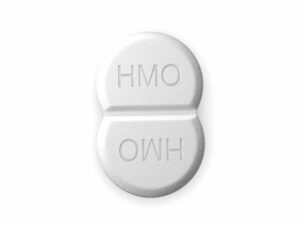
Trandate (Labetalol) – Patient-Friendly Guide (UK)
Trandate is a medicine containing labetalol, used mainly to treat high blood pressure (hypertension) and, in some circumstances, certain heart and circulation conditions. This guide explains how Trandate works, how it is used, common safety considerations, and practical tips for everyday use. Always follow the advice given by your healthcare professional and the information on the medicine label.
Important: This page provides general information. It does not replace personalised medical advice.
1. Basic product information
| Feature | Details |
|---|---|
| Medicine name | Trandate |
| Active ingredient | Labetalol |
| Class | Alpha- and beta-adrenoceptor blocker (mixed) |
| Main uses | Hypertension; selected situations requiring blood pressure control |
| Available forms | Typically tablets; hospital settings may use other labetalol preparations |
| How it is taken | By mouth (tablets) according to a personalised schedule |
| Country context | UK medicines market and clinical practice |
2. How Trandate (labetalol) works
Labetalol works by blocking two types of adrenergic receptors: beta receptors and alpha receptors. The combination helps to lower blood pressure in several ways at once:
- Beta-blocking effect: reduces the heart’s workload by lowering heart rate and the force of contraction.
- Alpha-blocking effect: relaxes blood vessels, which helps reduce peripheral resistance.
- Overall result: blood pressure falls without the same degree of reflex fast heart rate that some “pure” vasodilators may cause.
Because it affects both alpha and beta receptors, labetalol is often selected when controlled blood pressure reduction is needed.
3. Pharmacokinetics (how the body handles labetalol)
Pharmacokinetics describes how the body absorbs, distributes, metabolises, and eliminates a medicine. For labetalol, key points include:
- Absorption: labetalol is generally absorbed after oral dosing, though the extent can vary.
- Distribution: it circulates systemically and reaches sites involved in blood pressure control.
- Metabolism: it is metabolised, largely in the liver.
- Elimination: metabolites and some drug-related products are cleared from the body, including via bile and urine.
- Duration of effect: clinical effect depends on dosing frequency and individual response; it may take days to achieve stable blood pressure control.
Your prescriber may adjust dose based on blood pressure readings, heart rate, symptoms, and other medicines you take.
4. Typical uses and indications in the UK
In UK practice, labetalol is used for conditions where reducing blood pressure or heart strain is beneficial. Indications may include:
- Hypertension (high blood pressure): including situations where a mixed alpha/beta blocker is appropriate.
- Blood pressure control in special clinical settings: depending on local protocols and patient factors.
- Adjunct use in cardiovascular care: in selected patients where beta-blockade and vasodilation can help.
The exact reason you were given Trandate is personalised. If you are unsure why you are taking it, ask your healthcare team.
5. When to take Trandate and timing tips
Timing matters for steady blood pressure control and to reduce side effects. Follow your dosing schedule carefully.
How often?
Trandate tablet dosing schedules can vary (for example, more than once daily). Your label and clinician instructions are the most reliable guide.
Practical timing guidance
- Try to take doses at consistent times each day.
- With or without food: many people can take labetalol with water irrespective of meals. If your stomach feels unsettled, taking it with food may help.
- Plan around changes: after a dose change, give it a little time for blood pressure to settle while monitoring symptoms.
- If you miss a dose: take it when you remember unless it is near the time for the next dose. Do not double up. If you’re unsure, ask a pharmacist for advice.
If you monitor your blood pressure at home, record readings and bring them to reviews. Bring both “morning” and “evening” readings if your clinician asks for them.
6. Food interactions
There are usually no strict “no-food” rules for labetalol tablets, but diet can influence blood pressure and tolerability.
- General meals: taking labetalol with water is typical. If it makes you nauseous, consider taking it with a meal.
- Grapefruit and similar products: some medicines are affected by grapefruit in general. For labetalol, interactions are not commonly highlighted as major, but if you use grapefruit products regularly, it’s sensible to discuss with a pharmacist.
- Salt (dietary sodium): although not a direct interaction, high salt intake can counteract blood pressure lowering. Reducing excess salt may improve control when advised as part of lifestyle measures.
- Alcohol intake: can affect blood pressure and cause dizziness (see “Alcohol and medicine interactions” below).
If you have been advised to follow a particular diet (for example, low-salt), continue to do so.
7. Alcohol and medicine interactions
Alcohol
Alcohol may increase the chance of dizziness, light-headedness, and falls, particularly when you first start Trandate or after a dose increase.
- Avoid heavy drinking.
- Be cautious when driving or using machinery if you feel unsteady.
- If you notice symptoms after alcohol, consider avoiding it and speak to your clinician.
Other medicines (common interaction themes)
Labetalol can interact with other medicines that affect heart rhythm, heart rate, and blood pressure. This is not an exhaustive list, but examples include:
- Other blood pressure or heart medicines: risk of an overly low blood pressure when combined with multiple antihypertensives.
- Other beta-blockers or rate-lowering agents: may further slow heart rate.
- Calcium-channel blockers (particularly those affecting heart rate): may increase the chance of slow heart rate or low blood pressure in some patients.
- Medicines affecting rhythm: some antiarrhythmic medicines may increase monitoring needs.
- Diabetes medicines: beta-blockers can sometimes mask symptoms of low blood sugar (e.g., fast heartbeat). This is especially relevant if you take insulin or sulfonylureas.
- Non-steroidal anti-inflammatory drugs (NSAIDs): may reduce the blood pressure-lowering effect of some antihypertensives in some people.
- Other substances: certain supplements and “cold/flu” products can contain ingredients that affect heart rate and blood pressure (e.g., decongestants).
Always tell your pharmacist or clinician about:
- all prescription medicines,
- over-the-counter products,
- herbal supplements, and
- any new treatments started recently.
8. Dosing: how Trandate is usually started and adjusted
Dosing is individual. Your clinician will consider your blood pressure, heart rate, age, kidney/liver function, other conditions, and other medicines.
Because exact dosing schedules can differ by indication and formulation, the most accurate dosing information is on your medicine label. Below is general guidance on how beta/alpha blockers are commonly managed:
General dosing principles
- Start low and adjust: many patients begin at a lower dose and gradually increase depending on response.
- Monitor heart rate: overly slow pulse (bradycardia) can occur in some people.
- Monitor blood pressure: both too high (ineffective) and too low (symptomatic hypotension) matter.
- Do not stop suddenly: beta-blockers should not be stopped abruptly because of the risk of rebound effects. If you ever need to stop, your clinician will guide a safe taper.
When to seek help urgently
If you experience severe dizziness, fainting, chest pain, wheezing, or confusion, seek urgent medical advice. These can signal significant low blood pressure or other problems.
9. Safety profile and who should be careful
Common side effects
Side effects vary by person and dose. Commonly reported effects can include:
- Dizziness or light-headedness
- Fatigue or tiredness
- Nausea or stomach discomfort
- Headache
- Feeling cold in hands/feet (related to blood vessel effects)
- Slower heart rate (sometimes)
Serious side effects (seek medical help)
Contact a clinician promptly or seek urgent help if you have:
- Fainting or severe dizziness
- Very slow pulse or irregular heartbeat with symptoms
- Breathing difficulties, wheezing, or worsening asthma/COPD symptoms
- Swelling of face/lips, rash, or signs of allergy
- Chest pain that is new or severe
- Signs of liver problems such as persistent yellowing of eyes/skin or dark urine (uncommon but important)
Who should use caution
Labetalol may not be suitable for everyone. Extra care may be needed if you have:
- Asthma or certain breathing conditions (beta-blockers can affect airflow in some people)
- Heart block or significant conduction problems
- Very low heart rate (bradycardia)
- Low blood pressure or tendency to feel faint
- Diabetes (low blood sugar symptoms may be less noticeable)
- Liver impairment (metabolism involves the liver)
If you have any of these conditions, your clinician can weigh benefits and risks and may choose an alternative or adjust the plan.
10. Practical use tips for everyday life
- Stand up slowly: to reduce the risk of dizziness, especially after taking a dose.
- Check your pulse: if you have a device, it can help you understand if you’re becoming overly slow. If you don’t have one, ask a pharmacist about safe self-check methods.
- Keep a blood pressure log: record readings and note symptoms (e.g., headaches, dizziness, fatigue).
- Watch for drug “double-ups”: cold and flu medicines sometimes contain decongestants that can raise blood pressure.
- Be consistent with lifestyle: regular activity, weight management, limiting salt, and reducing excess alcohol support long-term control.
- Plan around exercise: if you feel unusually breathless or faint, stop and seek advice.
11. Alternative options for blood pressure (UK context)
If labetalol is not suitable or is not tolerated, other medicines may be considered. Alternatives often include:
- ACE inhibitors (e.g., enalapril-type medicines)
- Angiotensin receptor blockers (ARBs) (e.g., losartan-type medicines)
- Calcium-channel blockers (e.g., amlodipine-type medicines)
- Thiazide-like diuretics (e.g., indapamide-type medicines)
- Other beta-blockers when appropriate
Choice depends on the individual, co-existing conditions, kidney function, side-effect profile, and how well blood pressure responds. Your clinician can explain why one option is preferred over another.
12. Market, legal and guidance context in the UK
In the United Kingdom, antihypertensive medicines are used widely in primary care and specialist settings. Prescribing and monitoring follow established clinical guidance, including recommendations from professional bodies. Medicines are regulated by the UK’s medicines regulator and must meet quality and safety standards.
Recent guidance (general themes)
While guidance can evolve over time, recent UK-focused hypertension management typically emphasises:
- Confirming diagnosis and assessing cardiovascular risk
- Using evidence-based first-line options for long-term blood pressure control
- Encouraging home blood pressure monitoring where appropriate
- Reviewing treatment regularly to optimise benefits and minimise side effects
- Addressing lifestyle factors alongside medication
- Careful medication selection in special circumstances (e.g., comorbidities)
Your healthcare team will choose the best medicine for your situation based on these principles and your personal factors.
13. Delivery, availability and customer service (UK)
Availability can vary by formulation and strength. Online pharmacy services in the UK typically manage stock through licensed supply chains. Delivery options and times depend on the service you choose at checkout.
What you can do to ensure smooth ordering
- Check the strength and form match what you need.
- Allow extra time if your chosen delivery service is slower.
- If you have allergies or restrictions, contact customer support before ordering.
If you need urgent continuation of treatment, look for options that offer tracked delivery or priority dispatch. If a product is temporarily out of stock, some pharmacies can offer alternatives or restock updates.
14. Storage and handling
- Store at room temperature unless your packaging says otherwise.
- Keep in the original container to protect from moisture and for identification.
- Keep out of sight and reach of children.
- Do not use after the expiry date on the pack.
15. FAQ about Trandate (labetalol)
How quickly does Trandate lower blood pressure?
Some blood pressure improvement may be noticed within hours of taking a dose, but consistent control usually develops over days as dosing stabilises. Your clinician may review progress after a period of regular use.
What if I feel dizzy after starting Trandate?
Dizziness is a common early side effect. Sit or lie down if you feel faint, avoid sudden standing, and let your healthcare team know. Do not stop the medicine suddenly without advice.
Can I take Trandate with food?
Many people can take labetalol with water with or without food. If it upsets your stomach, try taking it with meals and discuss persistent symptoms with a pharmacist.
Is alcohol allowed?
Alcohol can increase dizziness and lower blood pressure further. If you drink, do so cautiously and consider reducing or avoiding alcohol if you notice symptoms.
Will Trandate affect my heart rate?
Yes. Labetalol can slow the heart rate in some patients. If you have a very slow pulse, feel unusually weak, or experience fainting, seek medical advice promptly.
Can I exercise while taking Trandate?
Many people can exercise safely while taking antihypertensives, but start gradually. If you feel breathless, dizzy, or unwell, stop and seek advice.
Do I need regular blood tests?
Blood tests depend on your health profile and other medicines. Because labetalol involves liver metabolism, your clinician may monitor relevant parameters in some cases.
Are there alternatives if Trandate isn’t right for me?
Yes. Depending on your diagnosis and health conditions, clinicians may choose other antihypertensive classes such as ACE inhibitors, ARBs, calcium-channel blockers, or diuretics.
What happens if I miss a dose?
Take it when you remember unless it is near your next dose. Do not double up. If you’re unsure, ask a pharmacist for guidance.
Can I stop Trandate suddenly?
Do not stop abruptly unless instructed. Beta-blockers may cause unwanted effects if stopped suddenly. If you need to stop, your clinician will provide a tapering plan where appropriate.
Summary
Trandate (labetalol) is a mixed alpha and beta blocker used to help control blood pressure. By reducing the workload on the heart and relaxing blood vessels, it can lower blood pressure and improve cardiovascular health over time. Like all medicines, it may cause side effects such as dizziness or fatigue, especially early on, and it can interact with other medicines and alcohol. With consistent dosing, monitoring, and practical safety steps, many people use labetalol effectively as part of a long-term plan.
If you have questions about your specific dose, side effects, or suitability for Trandate, speak with your pharmacist or healthcare team. They can tailor advice to your medical history and current treatment.