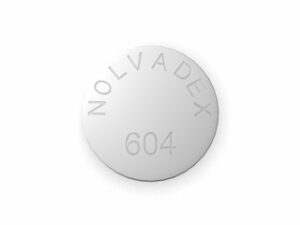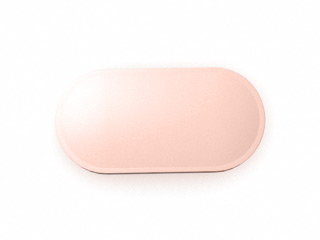


Capnat (Capecitabine) — Patient Information Guide (UK)
Capnat is the brand name of capecitabine, a prescription medicine used to treat certain types of cancer. This guide explains, in plain language, what Capnat does, how it works in the body, how it is usually taken, key safety points, and practical tips to help you use it more comfortably.
Important: Cancer medicines can be complex. Always follow the specific instructions provided by your oncology team for your personal dose schedule, because regimens can vary by cancer type, treatment cycles, and blood test results.
Quick overview
| Product | What it is |
|---|---|
| Capnat | Capecitabine (an oral anticancer medicine) |
| How it’s taken | By mouth, usually in treatment cycles |
| Common side effects | Diarrhoea, feeling sick, tiredness, hand-foot syndrome |
| Key safety issues | Infection risk if blood counts drop, dehydration, severe skin reactions, serious diarrhoea |
Basic product information
Active ingredient: capecitabine
Medicine type: oral chemotherapy (antimetabolite)
Form: usually tablets
Typical packaging: blister packs or tablet packs, depending on supplier and batch
Capecitabine is designed to act mainly within tumour tissue. It is taken in cycles—often a period of taking the tablets followed by a break—so your body can recover and your clinicians can monitor your response and blood counts.
How Capnat works (mechanism of action)
Capecitabine belongs to a group of medicines called fluoropyrimidines. It works by interfering with how cancer cells build their DNA and RNA.
Capecitabine is a “prodrug”, meaning it becomes active through a series of steps inside the body:
- It is converted in the body into 5-fluorouracil (5-FU).
- Enzymes involved in this conversion are more active in some tumour tissues, which helps target the effect where it’s needed.
- 5-FU then disrupts key processes required for cancer cells to grow and divide.
This makes Capnat effective in cancers where controlling DNA/RNA synthesis can slow tumour growth.
Pharmacokinetics (how the body handles it)
Understanding pharmacokinetics helps explain why timing and food matter.
- Absorption: Capecitabine is absorbed after swallowing and undergoes conversion to the active compound through the liver and other tissues.
- Activation: The drug is metabolised stepwise into active forms (including 5-FU).
- Distribution: The active metabolites act on rapidly dividing cells.
- Elimination: metabolites are mainly cleared by the body, primarily through the kidneys.
Kidney function matters: if you have reduced kidney function, capecitabine exposure may increase, which can raise the chance of side effects. Your clinician may adjust the dose and monitor you more closely.
Typical uses and indications (UK)
Capecitabine is used for several cancers. Your oncology team will choose the most appropriate regimen based on tumour type, stage, past treatments, and your overall health.
Common indications include:
- Breast cancer: often used in specific settings such as metastatic breast cancer, and sometimes after surgery depending on the clinical situation (as advised by local treatment protocols).
- Colorectal cancer: used in metastatic and adjuvant settings depending on risk and treatment plan.
- Gastrointestinal cancers: in particular situations for cancers of the stomach/oesophagus in combination regimens in line with specialist guidance.
Note: Exact use may vary between NHS trusts and specialist centres. If you’re unsure why Capnat is recommended for you, ask your treating team—they can explain the goal of treatment (curative, adjuvant, or palliative) and the expected schedule.
Timing and how to take Capnat
Capecitabine is usually taken twice daily on a scheduled cycle (for example, morning and evening doses), with a planned rest period. Many regimens are arranged so you take tablets for 14 days followed by 7 days off, but your exact schedule could differ.
General timing principles (follow your regimen):
- Try to take doses at roughly the same times each day.
- Swallow tablets whole with water; do not crush or chew unless your clinician advises otherwise.
- If you miss a dose, do not double up—seek advice based on your cycle plan.
Make it easier: using a medication alarm, dose chart, or smartphone reminder can reduce missed doses.
Food interactions (taking with meals)
Food can affect the absorption of capecitabine. To reduce gastrointestinal side effects and help reliable absorption, Capnat is generally taken with food.
Practical guidance:
- Take your dose within 30 minutes after a meal (or as your prescriber instructs).
- Keep meal times consistent where possible.
If you have difficulty eating (for example, nausea or appetite loss), speak to your team. They can advise whether to adjust meal timing or manage side effects to help you complete treatment.
Alcohol and medicine interactions
Alcohol: There is no simple “safe amount” rule for everyone on chemotherapy. Alcohol may worsen dehydration, nausea, fatigue, and liver stress. In general, it is best to limit alcohol or avoid it during treatment, especially if you have diarrhoea, mouth sores, abnormal blood results, or liver issues.
Medicine interactions: Capecitabine interacts with several other medicines mainly through effects on drug metabolism pathways and bleeding/infection risks. Tell your healthcare team about everything you take, including:
- Other cancer medicines
- Warfarin or other blood thinners (and any anticoagulants)
- Phenytoin (for seizures)
- Medicines affecting kidney or liver function
- Antacids and acid-suppressing medicines
- Herbal products and supplements (e.g., St John’s wort)
- Over-the-counter medicines for pain, fever, or indigestion
Important: Do not start, stop, or change any medicines without discussing it with your prescriber or pharmacist. If you have a planned procedure or you are starting antibiotics, check for interactions.
Dosing information (what “dose” means)
Capecitabine dosing is typically based on:
- Your body surface area (BSA) (calculated from height and weight), and
- Your treatment regimen (cycle schedule), and
- Blood test results (particularly neutrophils and platelets) and
- How you tolerate treatment (side effects may require dose adjustment).
Typical regimen pattern:
- Often twice daily dosing for a fixed number of days, then a break.
- Exact tablet strengths and number of tablets per dose are calculated to match your prescribed dose.
Dose adjustments: If you develop side effects such as severe diarrhoea, significant mouth ulcers, or hand-foot syndrome, your oncology team may:
- delay the next cycle
- reduce the dose
- interrupt treatment temporarily
Never change your dose yourself. Dose modifications should be guided by your clinician and monitored with blood tests and symptoms.
How Capnat is used in treatment cycles
A “cycle” is a repeating schedule of taking the tablets and then having a rest period. Your clinician may repeat cycles until the goal is achieved or side effects become too difficult to manage.
Many regimens involve monitoring:
- Full blood count (FBC)
- Kidney function tests (creatinine/eGFR)
- Liver function tests
- Assessment of symptoms (diarrhoea, rash, hand-foot syndrome, fatigue)
Before each cycle, you may be assessed to confirm it is safe to continue.
Safety profile: key warnings and side effects
Like all chemotherapy, Capnat can cause side effects. Many are manageable, but some require urgent medical attention. Below is a patient-friendly overview.
Common side effects
- Diarrhoea
- Nausea and sometimes vomiting
- Tiredness (fatigue)
- Loss of appetite
- Mouth sores or inflammation of the mouth
- Hand-foot syndrome (pain, redness, swelling, or peeling of palms/soles)
- Rash or dry skin
- Changes in blood counts (low white cells, low platelets, low red cells)
Serious side effects — seek urgent medical help
Contact your urgent care service or healthcare team right away if you experience:
- Fever or chills (possible infection due to low white blood cells)
- Severe diarrhoea, especially if you cannot keep fluids down
- Signs of dehydration (dizziness, very dark urine, fainting)
- Severe mouth ulcers or inability to eat/drink
- Severe rash or blistering/peeling skin
- Breathing difficulty or swelling of the face/lips (possible allergy)
What to watch during treatment
- Blood count-related risks: infections, easy bruising, unusual bleeding
- Hydration: diarrhoea can quickly cause fluid and electrolyte loss
- Skin and hands/feet: early treatment and prevention measures can reduce severity of hand-foot syndrome
Practical use tips (to make treatment safer and more comfortable)
1) Prevent dehydration and manage diarrhoea early
- Start oral rehydration early if stools become loose.
- Follow your clinic’s advice on anti-diarrhoeal medicines (e.g., loperamide) if prescribed or recommended.
- Avoid foods that worsen diarrhoea (very fatty/spicy foods), and aim for small, frequent drinks.
2) Reduce hand-foot syndrome discomfort
- Keep hands and feet moisturised (use a fragrance-free moisturiser).
- Avoid friction and pressure (tight shoes, long walking, heavy lifting).
- Protect from heat (hot water, saunas) and from extreme cold.
- If you notice early redness or tingling, tell your team promptly—early actions can prevent escalation.
3) Mouth care
- Brush gently with a soft toothbrush.
- Use alcohol-free mouthwash if recommended.
- Report mouth ulcers early; treatments are available to reduce pain and promote healing.
4) Tackle nausea and appetite changes
- Ask about anti-sickness medicines you can take if needed.
- Try smaller meals and calorie-containing fluids when appetite is low.
- Stay hydrated even if food intake drops.
5) Keep a symptom diary
- Track diarrhoea frequency, mouth pain, skin changes, temperature, and any new symptoms.
- This helps clinicians decide on dose adjustments and supportive care.
6) Handling and storage
- Keep tablets in their original packaging and away from children.
- Follow pharmacy instructions for storage (often at room temperature, away from moisture and heat).
- If tablets break or powder leaks (rare), avoid direct contact and follow pharmacy guidance.
When to contact your healthcare team
Contact your oncology team or chemotherapy advice line if you have:
- Any fever (often defined as a temperature of 38°C or higher—confirm the threshold your team uses)
- Diarrhoea that persists, worsens, or is more frequent than advised
- Severe vomiting or inability to drink
- Painful mouth sores preventing eating/drinking
- New shortness of breath, chest pain, or fainting
- Hand-foot symptoms that interfere with daily activities
It’s better to ask early than to wait—early management can prevent complications.
Alternative options (discuss with your specialist)
Depending on cancer type, stage, and prior treatments, clinicians may consider other options instead of or alongside capecitabine. Alternatives can include:
- Intravenous chemotherapy regimens (chosen based on cancer type)
- Other oral chemotherapy agents used in specific protocols
- Targeted therapies (for tumours with certain genetic markers)
- Immunotherapy in selected cancers
- Radiotherapy where appropriate
- Supportive care to manage symptoms alongside anticancer treatment
Your oncology team can explain why capecitabine is selected for you and what the realistic alternatives would be if treatment needs to change due to side effects or response.
UK market and legal context (high-level information)
In the United Kingdom, medicines like Capnat are regulated and supplied under the country’s medicines framework. Cancer medicines are dispensed through NHS services and private pharmacies according to clinical need and national guidance.
Patient access is typically organised through:
- NHS hospital pharmacy supply pathways for ongoing treatment
- Community pharmacy dispensing where appropriate and commissioned
- Specialist prescribing and monitoring arrangements
Availability: Most capecitabine supply in the UK follows standard pharmaceutical distribution. During periods of demand variation, short-term supply constraints can occur, and pharmacies may substitute packs only if approved and appropriate per clinician/pharmacist advice.
Recent guidance and monitoring (general)
Clinical practice for capecitabine generally emphasises:
- Regular blood tests and symptom monitoring
- Early intervention for diarrhoea, infections, and dehydration
- Dose modifications based on tolerability
- Supportive care such as anti-sickness medicines, mouth care plans, and skin protection strategies
Because guidance may be updated by professional bodies and oncology protocols, your clinician may use the latest locally agreed approach for managing side effects and dose timing.
Delivery and availability in the UK
Online pharmacy services may offer delivery to UK addresses where permitted by law and where the medicine is eligible for online supply. Delivery options can vary by supplier.
What to expect:
- Processing time: confirmation, stock checks, and packaging
- Dispatch: once the order is ready
- Delivery window: typically a tracked service (exact times vary)
- Cold-chain: usually not required for tablets, but follow packaging instructions
Availability: If your preferred pack strength is temporarily unavailable, your pharmacist will normally aim to source an equivalent option or advise alternative steps based on clinical suitability.
Safety questions you may have
Can I drive or operate machinery?
Capecitabine can cause tiredness or dizziness in some people. If you feel unwell or unusually drowsy, avoid driving and machinery use until you feel steady again.
Can I take vitamins or supplements?
Some supplements can interact with treatment or affect bleeding risk, liver function, or immunity. Check with your pharmacist or oncology team before starting new supplements.
What if I get pregnant or father a child while taking Capnat?
Capecitabine may affect a developing baby. Contraception is usually recommended during treatment and for a period after. Discuss family planning guidance with your oncology team as early as possible.
FAQ
1) What is Capnat used for?
Capnat (capecitabine) is used to treat certain cancers, including some cases of breast cancer and colorectal cancer, and other gastrointestinal cancers depending on the specific regimen. Your specialist will explain your individual treatment goal and schedule.
2) How do I take Capnat tablets?
Typically, capecitabine tablets are taken twice daily and are usually taken after food (often within 30 minutes of a meal). Swallow the tablets whole with water unless your clinician says otherwise.
3) What should I do if I miss a dose?
Do not double up. Because regimens vary, follow the guidance given by your oncology team or pharmacist for your specific schedule. If you’re unsure, contact them for advice.
4) Can I take Capnat with food?
Yes—taking with food is generally recommended to support absorption and reduce side effects. Try to keep meal timing consistent.
5) Does alcohol affect Capnat?
Alcohol may worsen dehydration and nausea and can add strain to organs involved in metabolism. It’s generally safest to limit or avoid alcohol during treatment, particularly if you’re experiencing diarrhoea, mouth sores, or abnormal blood or liver results.
6) What side effects are most common?
Common side effects include diarrhoea, nausea, tiredness, mouth sores, rash, and hand-foot syndrome. Many people need supportive medicines during treatment.
7) When is it an emergency?
Seek urgent medical help if you have fever/chills (infection risk), severe diarrhoea, signs of dehydration, severe mouth sores, blistering/severe skin reactions, or breathing/swelling symptoms.
8) How is the dose adjusted?
Dose changes are based on blood test results and the severity of side effects. Your oncology team may delay treatment, reduce the dose, or interrupt therapy temporarily.
9) Are there alternatives if Capnat causes severe side effects?
Yes. Your specialist may adjust the dose, change supportive care, or switch to another chemotherapy, targeted therapy, or immunotherapy depending on your cancer type and situation.
10) How long does treatment last?
That depends on the goal (adjuvant vs metastatic), your response, and how you tolerate the medicine. Treatment is usually given in cycles and continued as advised by your specialist.
Disclaimer: This page provides general information to help you understand Capnat (capecitabine). It cannot replace advice from your oncology team. If you have any concerns about symptoms, interactions, or dosing, contact your healthcare provider promptly.