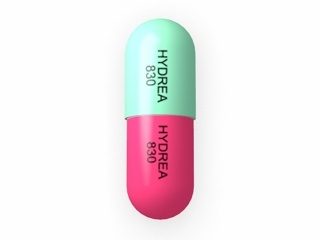


Hydrea (Hydroxyurea) – Patient Information
Hydrea contains hydroxyurea, a medicine used in specific cancer and blood-related conditions. This page explains what Hydrea is, how it works, how it is usually taken, and important safety considerations. It is written for patients in the United Kingdom (UK).
Quick overview
- Active ingredient: Hydroxyurea
- Medicine type: Antimetabolite / cytotoxic medicine
- Common forms: Oral capsules/tablets depending on brand and supply
- Used for: Selected cancers and certain blood disorders
- Key safety themes: Blood count changes, infection risk, skin and nail effects, fertility considerations
- Monitoring: Regular blood tests are usually required
Basic product information
Hydrea is an oral medicine that affects how cells reproduce. In the UK, hydroxyurea-based treatments may be supplied under brand names and/or as generic options, depending on local availability and prescriber decisions.
Your exact dose and schedule may differ from others because hydroxyurea is often tailored to the condition being treated, your blood counts, kidney function, and overall tolerance.
How Hydrea works (mechanism of action)
Hydroxyurea is best known for inhibiting an enzyme called ribonucleotide reductase. This enzyme helps produce building blocks (nucleotides) needed for DNA synthesis and cell division.
By slowing DNA production, hydroxyurea can reduce the growth of rapidly dividing cells. In conditions like myeloproliferative neoplasms, this can help control overproduction of blood cells. In certain cancers, it can contribute to anti-cancer activity by reducing cell replication and potentially enhancing sensitivity to other treatments (depending on the regimen).
Pharmacokinetics: how the body handles hydroxyurea
Pharmacokinetics describes how the body absorbs, distributes, metabolises, and eliminates a medicine. For hydroxyurea, the main practical points are:
- Absorption: Hydroxyurea is taken by mouth and is absorbed into the bloodstream.
- Distribution: It can distribute into body tissues, including where rapidly dividing cells are active.
- Metabolism: It is broken down mainly in the liver.
- Elimination: It is cleared from the body through renal (kidney) pathways and further metabolism.
- Half-life (general concept): The duration of action is influenced by clearance and individual factors; this is why monitoring and dose adjustments are important.
Kidney function may affect drug levels. If you have reduced kidney function, your prescriber may adjust dosing and increase the frequency of blood tests.
Typical use in the UK
Hydrea is used in selected conditions where reducing abnormal or excessive cell production is beneficial. Depending on your specific diagnosis, hydroxyurea may be used:
- To control blood cell counts in certain myeloproliferative disorders.
- As part of treatment regimens for some cancers, particularly when an oral cytotoxic option is appropriate.
Your clinician will explain the goals of treatment (for example, controlling symptoms, reducing clotting risk, or slowing disease progression).
Indications (what it may be used for)
Indications can vary by country and by the specific regulatory approvals and treatment pathways in the UK. Common categories where hydroxyurea is used include:
- Myeloproliferative neoplasms (such as polycythaemia vera and essential thrombocythaemia) to help control excessive blood cell production.
- Advanced or refractory cancers in situations where hydroxyurea is appropriate according to oncology guidance.
- Other specialist indications depending on clinical judgement and local protocols.
If you are unsure which indication applies to you, speak to your treating team or pharmacist. The exact reason for taking Hydrea should be recorded in your treatment plan.
Dose and timing: how to take Hydrea
Dosing must be individualised. Hydroxyurea is usually started at a dose designed to balance effectiveness with safety, particularly control of blood counts.
Your treatment plan may include:
- Starting dose based on your condition and baseline blood counts.
- Regular blood tests followed by dose adjustments (for example, increasing gradually if counts allow, or reducing if counts drop).
- Fixed daily dosing or intermittent schedules depending on your regimen.
When to take it
- Take Hydrea at the time(s) you were told and try to keep a consistent schedule.
- If your regimen is once daily, taking it around the same time each day can help with adherence.
- Do not change the dose without guidance from your clinical team.
Swallowing and handling
- Swallow capsules/tablets whole with water unless your pharmacist advised otherwise.
- If you struggle with swallowing, ask your pharmacist for advice—do not crush or open unless specifically instructed.
- Wash hands after handling the medicine.
- Avoid direct contact with broken tablets or capsule contents; follow pharmacy advice for safe handling.
Missed dose: If you miss a dose, contact your pharmacist or prescribing team for specific advice. Avoid taking extra doses to “catch up” unless told to do so.
Food interactions
Food may influence the absorption rate of some medicines. For hydroxyurea, there are no universally required dietary restrictions, but consistency is important.
- In many cases, hydroxyurea can be taken with or without food.
- If your clinician has given you a specific instruction (for example, “take consistently with food”), follow that advice.
- If you experience stomach upset, taking Hydrea with food may help—confirm this approach with your pharmacist.
Important: Always check the leaflet supplied with your specific brand or ask your pharmacist if you have questions about how to take it with meals.
Alcohol and medicine interactions
Alcohol
There is no single universal rule that every patient must avoid alcohol completely, but alcohol can increase strain on the liver and may worsen side effects such as nausea or fatigue.
- For safety, consider limiting alcohol while you are taking Hydrea, especially if you notice increased tiredness, nausea, or abnormal bruising/bleeding.
- If you have liver problems or drink heavily, discuss alcohol use with your healthcare team.
Interactions with other medicines
Hydroxyurea can interact with treatments affecting blood cell production or the immune system. Tell your pharmacist about all medicines you take, including:
- Other cancer medicines
- Medicines that suppress the immune system
- Warfarin and other anticoagulants/antiplatelets (because blood counts and bleeding risk may change)
- Other medicines that affect the bone marrow
- Herbal products and supplements
Some combinations may increase the risk of severe side effects. Your prescriber may adjust your treatment plan or monitor you more closely if medicines interact.
Safety profile: what to watch for
Like all medicines, Hydrea can cause side effects. Many are related to its effect on rapidly dividing cells, including bone marrow. This can lead to lower blood cell counts and sometimes impacts skin and nails.
Common or expected side effects
- Reduced blood cell counts (low white blood cells, platelets, or red blood cells), detected via blood tests
- Infection risk when white blood cells are low
- Fatigue or tiredness
- Nausea or stomach discomfort
- Skin changes such as dryness or rash
- Nail changes (for example, darkening or brittle nails)
- Mouth sores in some people
Serious side effects: seek urgent medical help
Contact urgent medical services (or your local urgent care) promptly if you experience:
- Fever or signs of infection (chills, sore throat, painful urination), especially with low white cells
- Unusual bruising or bleeding (nosebleeds, bleeding gums, blood in urine/stool)
- Severe shortness of breath or chest pain
- Severe allergic reaction (swelling of face/lips, difficulty breathing)
Long-term considerations
Over time, some patients experience cumulative skin effects and nail changes. In addition, because hydroxyurea affects DNA synthesis, it is especially important to use it only as directed and to attend all follow-up monitoring.
Practical use tips for patients
- Keep all appointments for blood tests and reviews. Monitoring is a key part of safe use.
- Know your “baseline”: ask your team what your blood counts are and what targets you are aiming for.
- Track side effects: keep a simple diary of fever, infections, mouth ulcers, bruising, and new skin changes.
- Protect your skin: sun/UV exposure can worsen skin reactions. Use sunscreen and protective clothing.
- Oral care: if you get mouth sores, use gentle mouth hygiene and ask your pharmacist about suitable products.
- Infection precautions: wash hands regularly, avoid close contact with people who are clearly unwell, and seek advice early if you feel unwell.
- Pregnancy and contraception planning: see the section below under “Special populations”.
Special populations: pregnancy, breastfeeding, and fertility
Hydroxyurea can affect rapidly dividing cells and may pose risks during pregnancy. It may also affect fertility.
- Pregnancy: Discuss pregnancy plans immediately with your healthcare team. Use effective contraception as advised.
- Breastfeeding: Avoid breastfeeding unless your clinician specifically approves. Many cytotoxic medicines are not recommended during breastfeeding.
- Contraception: Both men and women taking hydroxyurea should use reliable contraception during treatment and for a period after stopping, as advised by their specialist team.
- Fertility: Consider fertility preservation options before starting treatment if relevant to your situation.
Because recommendations vary by individual circumstances, your clinician will provide the most relevant timing for contraception and follow-up.
Interactions and monitoring: what your clinician may check
Hydroxyurea’s effects on the bone marrow mean that regular blood tests are standard practice. Monitoring helps ensure your blood counts stay within a safer range and guides dose changes.
Your team may monitor:
- Full blood count (FBC): white cells, haemoglobin, platelets
- Kidney function (and sometimes liver function)
- Symptoms such as infection signs and bleeding/bruising
- Dose adjustments based on results
Alternative options
Treatment alternatives depend on your diagnosis, disease stage, and overall health. Possible alternatives may include other therapies used in myeloproliferative neoplasms and cancers, such as:
- Other cytoreductive medicines (for some blood disorders)
- Interferon-based treatments in selected patients
- Targeted therapies depending on cancer type and biomarkers
- Supportive care strategies (such as symptom control and management of clotting risk)
In some cases, doctors may choose a different approach based on tolerability, blood count response, and long-term risk factors. If you’re considering alternatives, ask your clinical team what options are most suitable for your diagnosis.
UK market and legal context (patient-friendly overview)
In the UK, hydroxyurea is a well-established medicine used in specialist care. Medicines are supplied through licensed channels and are governed by UK medicines regulations and safety monitoring requirements.
Availability can vary depending on manufacturer supply, local prescribing practices, and whether the product is brand-led or available as a generic. Your pharmacy can advise on what is currently in stock or the expected delivery time.
Safety monitoring: Like other medicines, hydroxyurea use is supported by pharmacovigilance systems in the UK. If you notice unexpected side effects, report them to your healthcare provider.
Recent guidance and how monitoring may be updated
Treatment standards evolve as new evidence emerges. In the UK, specialist guidance for hydroxyurea use may be informed by:
- National cancer and haematology guidance
- Local trust protocols
- Updated safety communications and monitoring recommendations
What stays consistent is the emphasis on regular blood monitoring, attention to infection and bleeding symptoms, and individual dose adjustment based on tolerance and response.
If you receive updates from your clinic, follow them carefully and ask your pharmacist if anything in your regimen changes.
Delivery and availability in the UK
Online pharmacy services may offer Hydrea where legally and safely permitted. Availability depends on supply status and which formulation is required.
- Stock checks: We may confirm availability before dispatch.
- Delivery times: Delivery time varies by courier and location; estimated delivery times are shown at checkout or confirmed by customer service.
- Temperature/handling: Hydroxyurea products are typically stored at controlled room conditions unless the leaflet specifies otherwise.
- Packaging: Medicines are dispatched in secure packaging to protect contents and maintain privacy.
If the exact brand/formulation you need is temporarily unavailable, your pharmacy may contact you about suitable options in line with your healthcare plan.
Storage instructions
- Store Hydrea according to the leaflet (commonly at room temperature, away from heat and moisture).
- Keep out of the sight and reach of children.
- Do not use after the expiry date on the package.
- Return unused medicines to a pharmacy for safe disposal if advised locally.
FAQ
1) What is Hydrea used for?
Hydrea (hydroxyurea) is used for certain cancers and blood disorders where reducing abnormal cell growth or excessive blood cell production is beneficial. The exact reason depends on your diagnosis.
2) How long does Hydrea take to work?
Some effects may be seen after initial dosing and monitoring, but response times vary. For conditions affecting blood counts, changes are often assessed through regular blood tests and can take weeks. Your clinician can tell you what to expect for your specific condition.
3) Will Hydrea affect my immune system?
It may. By affecting bone marrow activity, hydroxyurea can lower white blood cells, which may increase infection risk. Report fever or signs of infection promptly.
4) Do I need regular blood tests?
Yes, regular monitoring is generally essential. Blood tests help your team detect low blood counts early and adjust the dose if needed.
5) Can I take Hydrea with food?
In many cases, hydroxyurea can be taken with or without food. If you were given specific instructions, follow those. If nausea occurs, your pharmacist may advise taking it with food.
6) What should I do if I miss a dose?
Seek advice from your pharmacist or clinical team. Don’t take an extra dose unless specifically instructed.
7) Can I drink alcohol while taking Hydrea?
Alcohol may increase side effects or strain on the body. It’s best to limit alcohol and discuss your situation with your healthcare team, particularly if you have liver issues or experience significant side effects.
8) What side effects are most important to watch for?
The most urgent are signs of infection (especially fever), unusual bruising or bleeding, and severe allergic-type reactions. Routine but important effects include fatigue, mouth sores, and skin/nail changes.
9) Are there any long-term skin precautions?
Yes. Hydroxyurea can cause or worsen skin reactions. Use sunscreen, protective clothing, and avoid excessive sun exposure. Report persistent or worsening skin changes to your clinician.
10) What are the common alternatives?
Alternatives depend on your diagnosis. Your specialist may consider other cytoreductive treatments, interferon options, targeted therapies, or supportive approaches. Discuss your options with your care team.
Important note
This information is intended to support understanding of Hydrea and its typical safe-use considerations. Your own treatment plan may differ based on your medical history, diagnosis, and monitoring results. For personalised advice—especially about side effects, interactions, and dose timing—speak to your pharmacist or specialist team.