
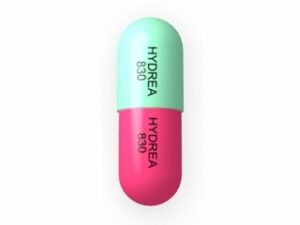

Hydroxyurea (Hydroxyurea) – Patient Information (UK)
Hydroxyurea is a medicine used to treat certain blood disorders and some types of cancer. It works by slowing down the growth of rapidly dividing cells in the body. This can help reduce abnormal blood cell production and manage disease-related symptoms.
This page explains how hydroxyurea works, typical uses, how it is taken, important safety information, and practical tips for everyday use in the United Kingdom.
Basic product information
| Category | Details |
|---|---|
| Generic name | Hydroxyurea |
| Common brand names | May vary by manufacturer |
| Medicinal form | Tablets or capsules (depending on supplier) |
| How it is used | Regular dosing schedule as advised by your specialist team |
| Main effect | Reduces rapid cell division; affects DNA production |
Important note: Hydroxyurea dosing is individualised based on your condition, blood tests, and your response. Always follow the dosing plan provided by your clinical team.
How hydroxyurea works (mechanism of action)
Hydroxyurea is an antimetabolite (a chemotherapy-related medicine). Its main actions include:
- Inhibiting ribonucleotide reductase, an enzyme needed for DNA synthesis. This can slow the production of new DNA strands, particularly in fast-growing cells.
- Reducing overproduction of blood cells in certain bone marrow conditions, helping bring blood counts down toward safer levels.
- Improving disease control by decreasing abnormal cell proliferation and potentially reducing symptoms related to high cell counts and complications.
While hydroxyurea primarily targets rapidly dividing cells, it can also affect other cells in the body—this is why monitoring blood counts is essential.
Pharmacokinetics: what the body does to hydroxyurea
Pharmacokinetics describes how hydroxyurea is absorbed, distributed, metabolised, and eliminated. Key general points include:
- Absorption: Hydroxyurea is absorbed after oral dosing, reaching systemic circulation for its effect.
- Distribution: It can distribute throughout the body, including into tissues involved in blood cell production.
- Metabolism: It is metabolised in the body (details depend on individual factors).
- Elimination: The medicine is cleared mainly via the kidneys and urine, so kidney function can matter for safe use.
- Time course: Hydroxyurea is taken regularly; clinical effects usually develop over days to weeks, depending on the condition and response.
Because hydroxyurea can influence blood cell production, regular blood monitoring (for example full blood counts) is a key part of treatment.
Typical use: which conditions it may treat
Hydroxyurea is used in specific situations where reducing rapid cell proliferation is beneficial. Commonly, it is used for:
-
Myeloproliferative neoplasms (MPNs), such as:
- Polycythaemia vera (to help control high blood cell counts and reduce complications in appropriate patients)
- Essential thrombocythaemia (to reduce high platelet counts and related risks)
- Primary myelofibrosis (to help manage symptoms and blood counts in selected cases)
- Some cancer-related indications, depending on specialist assessment and treatment plan.
If you are unsure whether hydroxyurea is right for your condition, confirm with your prescriber or clinic team. Product indications can vary by formulation and local practice.
Dosing overview and timing
Hydroxyurea is typically taken once daily or as directed by your clinical team. The exact dose depends on:
- Your diagnosis
- Your blood test results (especially white blood cells, neutrophils, platelets, and haemoglobin)
- Kidney function and other health factors
- Whether dose adjustments are needed due to side effects
How to take it (general guidance):
- Take your dose at the same time each day to help maintain a consistent schedule.
- Use the strength and number of tablets/capsules exactly as advised.
- Do not increase, decrease, or stop hydroxyurea without guidance from your healthcare team.
- If you miss a dose, follow the advice given by your clinic or pharmacist. In general, do not double up to make up for a missed dose.
Monitoring effect: Hydroxyurea may take time to stabilise blood counts. Your team will check blood tests regularly and adjust dose if needed.
Food interactions: can you take hydroxyurea with meals?
Hydroxyurea can generally be taken with or without food. However, the most important factor is to take it consistently the same way each day.
Consider these practical tips:
- If you get nausea or stomach upset, taking hydroxyurea with food may help.
- Choose a routine you can maintain (e.g., with breakfast or with your evening meal).
- Keep your pharmacist or clinic informed about any new stomach symptoms.
For personal guidance, use the instructions from your medicine label and your healthcare team’s advice.
Alcohol interactions
There is no single universal rule that hydroxyurea must never be used with alcohol. However, alcohol can increase the risk of stomach irritation, fatigue, and can affect liver health and overall tolerance to treatment.
To help you make safer choices:
- Keep alcohol modest and discuss your usual drinking pattern with your clinician.
- If you notice increased side effects after drinking (for example mouth ulcers, fatigue, nausea, or diarrhoea), consider reducing alcohol further.
- Avoid binge drinking.
- If you have liver disease or significant kidney impairment, ask your healthcare team for specific advice.
Medicine interactions (including important examples)
Hydroxyurea can interact with other medicines mainly through effects on blood counts, kidney clearance, and shared side effects such as bone marrow suppression (lowering blood cell numbers).
Always tell your healthcare team about all medicines and supplements you take**, including OTC products and herbal remedies.
Examples of interaction considerations include:
- Medicines that can also affect blood counts (e.g., certain chemotherapy agents or other drugs that suppress the bone marrow): combined effects may increase the risk of infection, anaemia, or low platelets.
- Vaccines: some vaccines may be less suitable during treatment that affects the immune system. Ask your clinic for advice on which vaccines are appropriate.
- Renal (kidney) excretion influences: medicines cleared by the kidneys may need review if kidney function changes.
- Allopurinol (used for gout): may be relevant when managing uric acid levels and overall tolerability; your clinician will guide decisions.
- Other medicines for underlying conditions (anticoagulants, antiplatelets, antihypertensives, diabetes medicines): many can be used safely, but coordination is important, especially when blood counts or bleeding risk changes.
This is not an exhaustive list. Your pharmacist can help check specific combinations.
Indications in more detail
Hydroxyurea is most widely used in MPNs such as polycythaemia vera, essential thrombocythaemia, and selected cases of primary myelofibrosis. In these conditions, hydroxyurea can help:
- Lower excessive blood cell or platelet production
- Reduce symptoms (e.g., due to high cell counts) in some patients
- Decrease risk of disease-related complications in appropriate individuals
For cancer indications, use depends on treatment protocols and clinician judgement. Your care team will explain the goal of therapy (for example controlling disease progression, symptom relief, or part of a combination regimen).
Safety profile: what to watch for
Hydroxyurea affects rapidly dividing cells, so side effects commonly relate to changes in blood counts and irritation of certain tissues (such as the mouth and skin). Many side effects are manageable with dose adjustments and supportive care.
Common or important side effects
- Low blood counts:
- Low white blood cells (infection risk)
- Low neutrophils (increased risk of serious infection)
- Low platelets (bleeding/bruising risk)
- Low red blood cells (anaemia; fatigue, breathlessness)
- Mouth ulcers or soreness of the mouth
- Nausea or stomach discomfort
- Diarrhoea
- Skin changes (for example darkening, dryness, or rash)
- Fatigue
- Hair changes (less common than with some other chemotherapy agents)
Seek urgent medical help if you have
- Signs of infection: fever, chills, persistent sore throat, or feeling suddenly very unwell
- Unexplained bleeding or significant bruising
- Severe mouth sores that prevent eating or drinking
- Breathing difficulties or severe weakness
- Any symptoms your care team has told you to treat as urgent
Pregnancy, breastfeeding, and fertility
Hydroxyurea can affect cell division and may carry risks to a developing baby. If you are pregnant, planning pregnancy, or breastfeeding, discuss this urgently with your clinician. Contraception advice may be required for both men and women while taking hydroxyurea.
For fertility and family planning concerns, speak to your healthcare team before starting or continuing treatment.
Practical use tips (daily life)
1) Keep up with blood tests
Regular blood tests are a central part of safe hydroxyurea treatment. They help your clinician adjust dose to keep blood counts in a safer range and reduce side effects.
2) Protect your mouth
- Maintain good oral hygiene (gentle brushing, soft toothbrush).
- Report mouth ulcers early so the team can offer remedies or dose adjustments.
- Avoid spicy, acidic foods if they trigger soreness.
3) Manage fatigue and infection risk
- Rest when needed and pace activities.
- Contact your clinic promptly if you develop fever or signs of infection.
- Ask whether there are special precautions you should follow during times of low white cells.
4) Skin care
- Use moisturisers and sun protection (SPF) to reduce irritation and potential skin changes.
- Report rashes or unusual skin symptoms to your clinician.
5) Handling considerations
Because hydroxyurea can affect cell division, it’s important to follow safe handling guidance provided by your pharmacy. Avoid crushing or spilling tablets unless the instructions specifically allow it.
Kidney and liver considerations
Hydroxyurea clearance depends largely on the kidneys, so kidney function can influence exposure to the medicine. If you have reduced kidney function, your clinician may adjust dose and monitoring frequency.
Tell your healthcare team about any history of kidney disease and about any changes in urination, swelling, or other concerning symptoms.
Alternative options
Treatment choices depend on the condition, your risk factors, age, and how you respond to hydroxyurea. Alternatives may include:
- For myeloproliferative neoplasms: other cytoreductive agents (selected by specialist), supportive treatments, and risk-based strategies.
- For specific cancer settings: other chemotherapy regimens or targeted therapies based on tumour type and stage.
- Supportive care: treatments that address symptoms such as anaemia, itching, pain, or clotting complications.
Switching medicines should only be done after discussion with your specialist team. They can explain benefits, risks, and monitoring requirements.
UK market and legal context (general)
In the United Kingdom, medicines containing hydroxyurea are used under clinical supervision in hospital or specialist care pathways. Supply is managed through licensed manufacturers and pharmacy channels in line with UK medicines regulations.
Your local healthcare team may reference national guidance and specialist standards for MPN and cancer care. Monitoring schedules and dose adjustments reflect these recommendations and the product’s licence information.
For patients, the most important practical point is to follow the monitoring plan and attend scheduled blood tests. Many safety aspects depend on dose being adjusted promptly.
Recent guidance and what it means for patients
In recent years, MPN care has increasingly emphasised:
- Risk-adapted treatment (choosing therapy based on clotting/bleeding risk and overall health)
- Regular blood count monitoring and timely dose adjustments
- Symptom assessment (for example fatigue, pruritus/itching, and discomfort)
- Awareness of long-term risks and careful follow-up in chronic treatment
Guidance may differ by condition subtype and patient factors. Your specialist team will tailor decisions based on the latest evidence and your personal blood test trends.
Delivery and availability in the UK
Hydroxyurea availability can vary by strength and manufacturer. Online pharmacies in the UK typically provide:
- Order processing during working days
- Home delivery options where available
- Packaging designed to protect tablets/capsules and maintain stability
- Tracking for many delivery services
Delivery timeframes depend on stock levels and chosen courier. To avoid delays, try to order early and plan ahead for repeat supplies. If a specific strength is temporarily unavailable, the pharmacy may be able to advise on alternatives (such as different strengths with equivalent total dose, if clinically appropriate).
Storage and disposal
- Store at the temperature recommended on the pack.
- Keep out of the sight and reach of children.
- Keep in the original container to protect from moisture/light as instructed.
- Do not dispose of medicines via household waste or flushing unless instructed by local guidance.
- If you have unused medicines, ask your pharmacist about safe disposal options.
FAQ
1) When will hydroxyurea start working?
Many people notice changes in blood counts within days to weeks, but the exact timing varies by condition and dose. Your clinician will monitor your results and adjust the dose to maintain a safe target range.
2) What blood tests are usually monitored?
Typically, monitoring focuses on full blood count parameters such as white blood cells (and neutrophils), haemoglobin, and platelets. Depending on your condition, additional tests may be performed.
3) Can I stop hydroxyurea if I feel better?
Do not stop unless your clinical team advises you. Stopping abruptly can allow blood counts to rise again, depending on the condition. Stopping or changing dose should always be planned with monitoring in mind.
4) What should I do if I miss a dose?
Follow the guidance given with your medicine by your healthcare team or pharmacist. In many cases, the advice is not to double the dose. If you are unsure, contact your pharmacist for specific direction.
5) Is hydroxyurea chemotherapy?
Hydroxyurea is often grouped with chemotherapy-related medicines because of its mechanism (it affects DNA synthesis). However, in some chronic blood disorders it may be used long term with different goals, such as controlling blood counts and reducing complications.
6) Can I take it with food?
Generally, it can be taken with or without food. Consistency is important—use the same routine each day and follow the instructions on your label.
7) Can I drink alcohol while taking hydroxyurea?
Moderate alcohol may be acceptable for some people, but alcohol can worsen side effects in others. Discuss your usual alcohol intake with your clinical team, especially if you have liver or kidney issues.
8) What infections should I watch for?
Watch for fever, chills, sore throat, or feeling significantly unwell. Contact your clinic promptly if you suspect an infection, particularly if you have been told your white blood cell counts are low.
9) Are there vaccines I should avoid?
Some vaccines may not be suitable depending on immune status and treatment context. Ask your clinic or pharmacist for advice about which vaccines are appropriate for you.
10) What are common early side effects?
Early side effects can include fatigue, nausea, diarrhoea, or mouth ulcers. Low blood counts may also develop, which is why blood tests are essential. If you notice concerning symptoms, seek advice from your healthcare team.
Always seek medical advice if you have questions about your treatment, side effects, or suitability of hydroxyurea for your individual situation. Your pharmacist can also help check for interactions with your current medicines and advise on practical administration.