
Rybelsus (Semaglutide) — Patient-Friendly Guide (UK)
Rybelsus is an oral medicine containing semaglutide, used to improve blood sugar control in adults with type 2 diabetes. It belongs to a class of medicines called GLP-1 receptor agonists. Rybelsus is taken by mouth once daily and, for many people, can also support weight management alongside diet and exercise.
This guide explains how Rybelsus works, how it’s taken, what to expect, potential side effects, key drug and food interactions, and practical tips for safe use. It also includes information relevant to the United Kingdom regarding availability and guidance.
Basic product information
- Medicine name: Rybelsus
- Active ingredient: Semaglutide
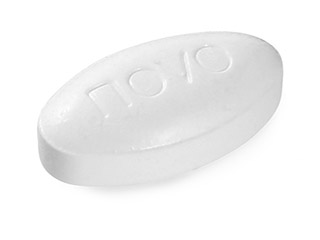
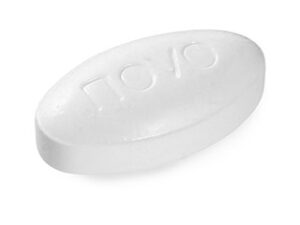
- Medicinal form: Tablets for oral use
- How it’s taken: Once daily
- Common strengths (UK): 3 mg, 7 mg, 14 mg tablets (strengths may vary by availability)
- Therapeutic area: Type 2 diabetes (blood glucose control)
- Drug class: GLP-1 receptor agonist
Note: Brand availability, tablet strengths, and pack sizes can vary. Always check the packaging and patient information leaflet supplied with your specific product.
What is semaglutide and how does Rybelsus work?
Mechanism of action (how it improves diabetes)
Semaglutide works by mimicking the action of GLP-1 (glucagon-like peptide-1), an incretin hormone that the body releases after eating. In people with type 2 diabetes, this helps to:
- Increase insulin release in response to meals when blood glucose is elevated.
- Reduce glucagon secretion (glucagon normally raises blood glucose).
- Slow gastric emptying, which can reduce the speed at which glucose enters the bloodstream after food.
- Support appetite regulation, which may contribute to weight reduction for some people.
Because semaglutide’s insulin effect is more glucose-dependent, it generally has a lower risk of causing low blood sugar than some other diabetes treatments (though risk can still increase when used with other glucose-lowering medicines such as insulin or sulfonylureas).
Pharmacokinetics (how the body handles the medicine)
Pharmacokinetics describes what happens after you swallow the tablet—how it’s absorbed, distributed, metabolised, and eliminated.
Absorption and the importance of timing
- Absorption is reduced by food. This is why Rybelsus must be taken on an empty stomach.
- Take it with water only and wait before eating.
- Semaglutide is absorbed slowly and steadily, supporting once-daily dosing.
Distribution and metabolism
- Semaglutide is a peptide-based medicine processed in the body through normal pathways for proteins/peptides.
- It forms exposure levels that build with consistent daily use.
Elimination
- Semaglutide is cleared from the body gradually, which supports once-daily treatment.
Practical takeaway: The “empty stomach” instructions are not optional—following them improves how much medicine you absorb and can help maintain consistent effects.
Typical use in the UK
In the UK, Rybelsus is used as a treatment option for adults with type 2 diabetes. It is often considered when lifestyle changes and metformin (or other treatments) do not provide sufficient glucose control, or when weight considerations make GLP-1 receptor agonists a suitable option.
It is used as part of a broader diabetes management plan, which usually includes:
- Diet and exercise
- Regular monitoring of blood glucose
- Routine diabetes check-ups (including HbA1c testing)
When and how to take Rybelsus (timing instructions)
How to take the tablet correctly
For best absorption, take Rybelsus:
- Once daily
- On an empty stomach
- With a full glass of water (approximately 120 ml)
- Swallow the tablet whole (do not crush, chew, or split)
- Wait at least 30 minutes before eating or drinking anything other than water
If you choose to drink coffee/tea: wait until after the minimum time window. Liquids other than water may reduce absorption.
Missed dose advice (general guidance)
If you miss a dose, the approach may depend on how close the next dose is. Follow the instructions in your patient leaflet or clinical guidance. In general, avoid taking two doses close together.
Switching timing
If you change the time of day you take your tablet, keep the same pattern: empty stomach, water only, then wait before eating.
Food interactions (what to avoid and why)
Rybelsus absorption can be affected by food and some drinks. To minimise variability:
- Take it before meals and do not eat until the waiting period has passed.
- Avoid taking it after a meal.
- Do not take it with other beverages besides water immediately around dosing.
Why it matters: Semaglutide’s absorption is reduced when taken with food, which may lead to lower blood sugar control.
Alcohol and medicine interactions
Alcohol
Moderate alcohol may be possible for some people with type 2 diabetes, but it can increase health risks depending on your overall situation. Key considerations include:
- Low blood sugar risk: Alcohol can contribute to hypoglycaemia, especially if you take insulin or sulfonylureas.
- Stomach side effects: GLP-1 medicines can cause nausea or indigestion; alcohol may worsen these for some people.
- Pancreatitis concerns: While alcohol does not automatically cause pancreatitis, heavy alcohol use is a known risk factor.
If you drink alcohol, consider discussing a safe limit with your healthcare professional, especially if you also take insulin or medicines that can cause hypoglycaemia.
Common medicine interaction themes
Semaglutide slows gastric emptying. This can affect how quickly other oral medicines are absorbed. In many cases, no dose adjustment is required, but caution may be needed for medicines with:
- Narrow therapeutic index (where small changes in blood levels matter)
- Required rapid absorption
- Hypoglycaemia risk when used alongside diabetes medicines
Diabetes medicine combinations
- Insulin: Using semaglutide with insulin may increase the chance of hypoglycaemia. Your clinician may adjust insulin dose.
- Sulfonylureas (e.g., gliclazide, glimepiride): Combined therapy may increase hypoglycaemia risk. Dose adjustments may be considered.
- Metformin: Often used together; hypoglycaemia risk is typically lower with metformin alone.
Other medicine interactions
Please check your full medicines list with a healthcare professional or pharmacist if you use:
- Other oral medicines you rely on for stable effect
- Medicines that affect heart rhythm or blood pressure
- Medicines that may worsen stomach symptoms
Tip: Keep an up-to-date list of all medicines and supplements (including herbal products) and share it whenever your treatment plan changes.
Indications (what Rybelsus is used for)
Rybelsus is indicated for the treatment of type 2 diabetes in adults to:
- Improve glycaemic control as part of comprehensive diabetes care.
In practice, clinicians may use Rybelsus in different combinations depending on your current diabetes regimen and treatment goals.
Dosing (typical escalation and maintenance)
Rybelsus dosing generally follows a gradual escalation to improve tolerability, particularly gastrointestinal side effects.
| Stage | Starting dose | Typical duration | Maintenance dose (may vary) |
|---|---|---|---|
| Initiation | 3 mg once daily | Usually at least 30 days | — |
| Titration | 7 mg once daily | After appropriate assessment | — |
| Further adjustment | 14 mg once daily | After assessing response and tolerability | 14 mg once daily may be used long-term if appropriate |
Important: Your exact dose and escalation schedule should follow the instructions provided by your healthcare professional and the leaflet supplied with your medicine.
What if side effects are bothersome?
Many people experience nausea, indigestion, or diarrhoea early in treatment, often improving over time. If symptoms are persistent or severe, your clinician may advise dose adjustments, slower escalation, or additional supportive measures.
Safety profile and side effects
Common side effects
Like all medicines, Rybelsus can cause side effects. Commonly reported effects include:
- Nausea
- Diarrhoea or constipation
- Vomiting
- Indigestion (dyspepsia)
- Abdominal discomfort
- Reduced appetite
- Headache (in some people)
Low blood sugar (hypoglycaemia)
Rybelsus on its own has a relatively low risk of hypoglycaemia. However, when used with medicines such as insulin or sulfonylureas, risk increases. Symptoms can include:
- Shakiness or sweating
- Feeling unusually hungry
- Dizziness or confusion
- Fast heartbeat
If you think you have low blood sugar, treat it according to your diabetes plan and seek medical advice if it is severe or recurring.
Serious warnings (seek urgent advice)
Contact a healthcare professional urgently if you experience:
- Severe, persistent abdominal pain (especially if it radiates to the back), which could indicate pancreatitis
- Signs of dehydration (e.g., persistent vomiting, severe diarrhoea, feeling faint)
- Allergic reaction symptoms such as swelling of the face/lips, difficulty breathing, or rash
- Symptoms of gallbladder problems (e.g., severe pain in the right upper abdomen, fever, jaundice)
This is not a complete list of all potential risks. For full safety information, refer to the patient information leaflet provided with your medicine.
Who should take extra care?
Discuss with your clinician if you have:
- A history of pancreatitis
- Severe gastrointestinal disease affecting stomach emptying
- Severe kidney problems (dehydration from vomiting/diarrhoea can worsen kidney function)
- Eye disease related to diabetes (retinopathy)
Practical use tips (making treatment easier)
- Set a daily reminder at a time when you can reliably take it on an empty stomach.
- Keep water ready: take the tablet with a full glass of water (approximately 120 ml).
- Plan breakfasts: you must wait at least 30 minutes before eating or drinking other beverages.
- Start gently if you feel nauseated: try smaller, lower-fat meals once you eat; eat more slowly.
- Stay hydrated: especially if you experience nausea, vomiting, or diarrhoea.
- Be cautious with other medicines: if you take multiple tablets, keep your routine consistent and ask a pharmacist about spacing if needed.
- Monitor glucose if needed: if you use insulin or sulfonylureas, follow your diabetes plan and test if advised.
Tip on missed or late meals: If you accidentally eat too soon, it may reduce absorption. Don’t double up—simply follow your next scheduled dose timing unless your healthcare professional advises otherwise.
Alternative options for type 2 diabetes
There are several alternative medicines and treatment approaches for type 2 diabetes. Which option is suitable depends on your medical history, glucose levels, weight goals, kidney function, and other factors.
Other GLP-1 receptor agonists (injectable and oral)
- Other GLP-1 receptor agonists may be available in the UK, including injectable treatments and other oral options depending on eligibility and availability.
Other diabetes medicine classes
- Metformin
- SGLT2 inhibitors (e.g., empagliflozin, dapagliflozin)
- DPP-4 inhibitors
- Insulin (various types and regimens)
- Sulfonylureas
- Thiazolidinediones
Non-medicine options
- Lifestyle changes: diet, physical activity, weight management
- Diabetes education programmes
- Monitoring and screening (including kidney and eye checks)
If you are considering switching therapies, discuss the pros and cons with your healthcare professional—timing, side effect profiles, and interaction risks can differ.
Rybelsus in the UK: market and legal context
In the United Kingdom, medicines such as Rybelsus are authorised and regulated for quality, safety, and efficacy. Availability in pharmacies can depend on:
- Stock levels and supply schedules
- Prescribing and clinical eligibility pathways
- Pharmacy distribution and licensed wholesaler supply
Clinical recommendations and guidance can be influenced by updates from UK health authorities and professional bodies. These may cover:
- Appropriate patient selection for GLP-1 receptor agonists
- Choice of second-line and later-line therapies
- Safety monitoring and risk management
Recent UK guidance (high-level)
While specific recommendations can change over time, UK practice commonly emphasises:
- Individualised treatment targets for HbA1c
- Considering cardiovascular and weight-related benefits when choosing therapies
- Reviewing medicine combinations to reduce hypoglycaemia risk
- Monitoring for adverse effects and complications
For the latest details, your healthcare professional can refer to up-to-date national guidance and local formularies.
Delivery, availability, and what to expect when ordering
Online pharmacy delivery services typically aim to deliver within standard working days, depending on stock location and your postcode area. Availability can vary by:
- Tablet strength (3 mg, 7 mg, 14 mg)
- Current demand
- Manufacturer or wholesaler supply
Common steps after ordering
- You place an order for your selected strength and quantity.
- Your order is prepared and packed according to standard healthcare delivery requirements.
- Tracking information may be provided where available.
Storage advice
Follow the storage instructions on the outer carton and patient leaflet (for example, keeping tablets in a dry place and protecting from excessive heat or moisture).
If you receive damaged packaging: do not use the tablets and contact the pharmacy or courier service for guidance.
FAQ
1) Is Rybelsus taken by mouth or injection?
Rybelsus is a tablet taken by mouth once daily. It is not an injection.
2) What time of day should I take it?
Choose a time you can take consistently on an empty stomach with water only. After taking it, wait at least 30 minutes before eating or drinking other beverages.
3) Can I take Rybelsus with coffee or tea?
To support absorption, take Rybelsus with water only. Wait until after the minimum waiting time before having coffee, tea, milk, or other drinks.
4) What happens if I miss a dose?
Follow the missed-dose guidance in your patient leaflet or instructions provided with your medicine. In general, don’t take a double dose to make up for a missed tablet.
5) Does Rybelsus cause weight loss?
Some people experience weight reduction with GLP-1 receptor agonist treatment. Results vary and should be considered alongside overall diet, activity, and diabetes management.
6) Will Rybelsus work immediately?
Many people notice improvements in blood glucose over days to weeks, but full effect and dose optimisation take time. Your dose schedule may be adjusted based on your response and tolerability.
7) Can Rybelsus cause nausea?
Yes. Nausea and stomach-related side effects are among the most common. They often improve after the initial weeks, and dose escalation can help reduce the severity for some people.
8) Is it safe to drink alcohol while taking Rybelsus?
Moderate alcohol may be possible for some people, but it can affect blood sugar and stomach symptoms. Extra caution is needed if you’re also taking insulin or sulfonylureas due to hypoglycaemia risk.
9) Does Rybelsus interact with other medicines?
Potential interactions can occur, particularly with other diabetes medicines (for example, increased hypoglycaemia risk with insulin or sulfonylureas). Because semaglutide can slow gastric emptying, it may also affect absorption of some oral medicines. Always review your medicine list with a pharmacist or healthcare professional.
10) What should I do if I have severe abdominal pain or persistent vomiting?
Seek urgent medical advice. Severe abdominal pain, especially if persistent or radiating to the back, may indicate pancreatitis or another serious condition.
Reminder: This information is intended to support understanding of Rybelsus and its safe use. For personal medical advice, refer to the patient information leaflet included with your medicine and consult a healthcare professional for questions tailored to your health situation.