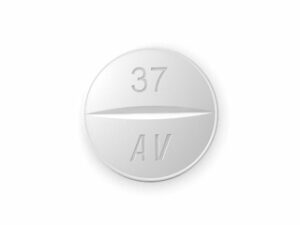



Metoclopramide (UK) – Patient-Friendly Medicine Information
Metoclopramide is a medicine used to treat certain types of nausea and vomiting. It is also used for some stomach-related conditions where improving how the stomach moves can help symptoms. This guide explains what metoclopramide does, how it works in the body, when it is taken, key safety information, and practical tips for use in the UK.
Please note: Always follow the instructions given by your doctor or pharmacist and read the patient information leaflet supplied with your medicine.
1. Basic product information
| Topic | Details |
|---|---|
| Generic name | Metoclopramide |
| What it’s used for | Nausea/vomiting; sometimes certain stomach emptying (gastrointestinal motility) problems |
| Common form(s) in the UK | Tablets, oral solutions, and (in some settings) injection or suppositories |
| How it works | Blocks dopamine receptors and enhances stomach/intestine movement (prokinetic + antiemetic) |
| How quickly it may help | Often within 30–60 minutes (varies by person and formulation) |
2. How metoclopramide works (mechanism of action)
Metoclopramide affects two main pathways in the body:
- Anti-nausea (antiemetic) action: It blocks dopamine (D2) receptors in the brain’s vomiting centre, which can reduce nausea and vomiting.
- Pro-kinetic action: It also increases gastrointestinal motility—helping the stomach empty more effectively and improving movement in parts of the upper digestive tract.
Because of this dual action, metoclopramide is useful when nausea/vomiting is linked to delayed stomach emptying or when stomach movement needs support.
3. Pharmacokinetics (how the body handles it)
Pharmacokinetics describes what the body does to the medicine—how it is absorbed, distributed, metabolised, and eliminated.
- Absorption: After oral use, metoclopramide is absorbed through the digestive tract.
- Onset of action: Symptom relief may begin within about 30–60 minutes, depending on the person and whether food is present.
- Distribution: It can reach the brain and can cross into areas relevant to nausea/vomiting, which is why side effects can occur.
- Metabolism and elimination: It is broken down in the body and eliminated primarily by the kidneys (renal elimination), so dose adjustments may be needed in kidney problems.
Important: If you have liver or kidney impairment, the safest dose and duration may differ. Always seek advice from a clinician or pharmacist.
4. Typical uses in the UK
Metoclopramide is used to treat:
- Nausea and vomiting (for example, where treatment is needed to control symptoms)
- Conditions involving delayed gastric emptying (problems with stomach movement)
Its use is generally aimed at symptom control and improving stomach emptying when appropriate. It is commonly considered when nausea/vomiting is thought to be related to upper gastrointestinal motility.
5. Timing: when to take metoclopramide
Follow your label and clinician instructions. In general:
- Try to take it consistently at the times advised.
- If you take it for nausea, it is often taken before meals when stomach emptying support is intended.
- If it is taken on a scheduled basis, do not skip doses unless advised.
Practical timing tip: If you notice it helps more when taken before eating, discuss this with your pharmacist, as the “best” timing can vary depending on your condition and formulation.
6. Food interactions (and absorption)
Food can influence how quickly metoclopramide works:
- Taking it with food may affect the speed of absorption for some people.
- If your symptoms are linked to meals (e.g., nausea after eating), many people find taking it before meals helpful.
What to do: Use the dosing instructions on your product and consult a pharmacist if you are unsure whether to take it with or without food for your specific situation.
7. Alcohol and medicine interactions
Alcohol: It’s advisable to avoid alcohol while taking metoclopramide, or at least keep it minimal, because alcohol can increase tiredness or dizziness and may worsen certain side effects.
Other medicines (important interactions): Metoclopramide can interact with drugs that affect the brain or dopamine systems. Tell your pharmacist if you take any of the following (this is not exhaustive):
- Medicines that affect the nervous system (for example, medicines that may increase drowsiness)
- Antipsychotics or medicines that alter dopamine signalling
- Medicines for Parkinson’s disease (dopamine-related therapies)
- Anticholinergic medicines (may reduce effectiveness)
- Serotonergic or mood medicines (your clinician may consider risks based on your exact combination)
Always check: Use the patient leaflet for your specific brand and talk to a pharmacist if you’re taking multiple medicines, including over-the-counter products and herbal remedies.
8. Indications (when metoclopramide is appropriate)
In practice, metoclopramide is considered for:
- Short-term treatment of nausea and vomiting when clinically appropriate
- Upper gastrointestinal motility problems related to delayed gastric emptying, under the guidance of a clinician
Duration matters: Metoclopramide is typically intended for short-term use at the lowest effective dose, because side effects—especially those involving involuntary movements—become more likely with longer treatment.
9. Dosing information (general guidance)
Dosing varies by age, indication, formulation, and individual health factors (including kidney function). Follow the specific instructions on your medicine pack or provided by your clinician.
General principles:
- Use the lowest effective dose.
- Use it for the shortest possible time.
- Do not increase the dose to “speed up” effects unless instructed by a clinician.
Adults (typical approach)
Adult dosing commonly uses doses taken several times per day depending on the formulation and the medical reason. The exact amount and frequency must be confirmed for your specific product strength.
Children and young people
Use in children requires extra caution and strict adherence to appropriate age guidance on the product leaflet. Not all formulations are suitable for all ages.
People with kidney problems
Because elimination is significantly influenced by kidney function, dose adjustments may be needed in renal impairment.
If you’re unsure: Check the leaflet included with your medicine or ask a pharmacist to confirm the correct dose schedule for your specific product.
10. Safety profile and side effects
Like all medicines, metoclopramide can cause side effects. Many people tolerate it well, but it has well-recognised risks—particularly related to movement disorders.
Common side effects
- Sleepiness or tiredness
- Dizziness
- Restlessness in some people
- Diarrhoea or abdominal discomfort (may occur)
Serious side effects (seek urgent medical advice)
Get urgent help if you develop:
- Signs of a serious allergic reaction: swelling of the face/lips, trouble breathing, severe rash
- Involuntary movements (especially if sudden or worsening), such as abnormal facial movements, stiffening, or uncontrolled movements
- Severe agitation or confusion
- High fever, muscle stiffness, and changes in consciousness (rare but important)
Movement-related risks (why duration is important)
Metoclopramide can cause extrapyramidal symptoms (movement-related side effects). The risk is higher with:
- Longer treatment
- Higher doses
- Older age
- History of certain movement disorders
If you notice restlessness, tremor, spasms, or abnormal movements, stop taking the medicine and contact a healthcare professional promptly for advice.
Pregnancy and breastfeeding
If you are pregnant or breastfeeding, discuss the risks and benefits with a clinician. They will consider whether metoclopramide is suitable for your situation and for the shortest appropriate time.
11. Practical use tips
- Follow the schedule: Take doses at the stated intervals.
- Don’t “double up”: If you miss a dose, take the next dose at the correct time unless your pharmacist advised otherwise.
- Be aware of tiredness: You may feel drowsy or dizzy—avoid driving or operating machinery if affected.
- Track symptoms: Note whether nausea/vomiting improves and how long it takes. This helps clinicians judge whether continued treatment is appropriate.
- Watch for movement side effects: If you feel unusually restless or develop involuntary movements, seek advice early.
- Keep hydration in mind: If you are vomiting, focus on hydration (small frequent sips of water or oral rehydration solutions may help).
12. Alternative options for nausea and gastric symptoms
Depending on the cause of your symptoms, other medicines may be considered. Alternatives may include:
- Antihistamines (for certain nausea types)
- Serotonin (5-HT3) antagonists (often for chemotherapy-related nausea in clinical settings)
- Other antiemetics (depending on diagnosis)
- Medicines for acidity/indigestion if symptoms are mainly reflux-related
- Diet and lifestyle measures such as smaller meals, avoiding triggers, and managing constipation
Important: The best option depends on why you feel sick (for example, stomach infection, migraine, reflux, medication side effects, or delayed gastric emptying). Ask a pharmacist to help you choose an appropriate approach for your symptoms.
13. Market and legal context in the United Kingdom
In the UK, medicine availability and supply depend on licensing, classification, and safety guidance. Metoclopramide is an established medicine and is supplied under UK regulatory frameworks administered by medicines authorities and NHS guidance.
Key points commonly reflected in UK practice:
- Risk management: Because of movement-related adverse effects, UK safety guidance emphasises using the lowest effective dose for the shortest possible duration.
- Education on side effects: Patients are encouraged to recognise early signs of involuntary movements or restlessness.
- Age and suitability checks: Supply and use may vary by age group and the specific product formulation.
If you are shopping for metoclopramide online, ensure the product is from a reputable UK supplier and that you receive the correct patient information leaflet for the item you order.
14. Recent guidance and safety updates (UK context)
Over recent years, regulatory communications in the UK and across Europe have continued to stress:
- Limiting duration of metoclopramide treatment.
- Careful dosing and patient monitoring.
- Prompt action if movement-related side effects occur.
Product leaflets and clinician instructions should reflect the latest approved information for your formulation. If you have been taking metoclopramide for longer than you expected, discuss this promptly with a pharmacist or clinician to ensure continued use remains appropriate.
15. Delivery and availability in the UK
Online pharmacies in the UK may offer metoclopramide products depending on their legal classification and local supply arrangements. Availability can vary by:
- Strength and formulation (tablets, oral solution, etc.)
- Stock levels at the supplier
- Age suitability and how the product is supplied
Delivery expectations: Many UK online pharmacies offer standard and expedited delivery options. Delivery times depend on your location and the supplier’s dispatch schedule. Check the retailer’s delivery information at checkout for accurate timeframes.
Storage: Store metoclopramide as directed on the packaging (commonly at room temperature, away from excessive heat and moisture). Keep out of sight and reach of children.
16. FAQ – Frequently asked questions
How fast does metoclopramide work?
Many people notice improvement within 30–60 minutes after taking it by mouth, though the timing can vary depending on the formulation, your stomach emptying, and whether you’ve eaten.
Can I take metoclopramide with food?
Food may influence how quickly it starts working. If your symptoms are meal-related, you may find taking it before meals helpful. Follow your specific product instructions or ask a pharmacist for advice.
Can I drink alcohol while taking metoclopramide?
It’s best to avoid alcohol or keep it minimal, as it can worsen dizziness or drowsiness and may affect how you feel overall.
What should I do if I miss a dose?
Take the next dose at the usual time. Do not take double the dose unless a clinician or pharmacist advises this.
What side effects should I watch for?
Watch for tiredness, dizziness, or restlessness. Seek prompt advice if you notice abnormal movements, severe agitation, stiff muscles, or symptoms of an allergic reaction.
Is metoclopramide safe to use long-term?
Metoclopramide is generally recommended for short-term use at the lowest effective dose because the risk of movement-related side effects increases with longer duration.
Can metoclopramide be used in children?
Use in children requires careful age-appropriate dosing and product selection. Check the patient leaflet for age suitability and ask a pharmacist if you are unsure.
Does metoclopramide interact with other medicines?
Yes. It can interact with medicines that affect the nervous system and dopamine-related pathways. Tell your pharmacist about all medicines you take, including over-the-counter products and supplements.
When should I seek medical help urgently?
Seek urgent medical help if you experience difficulty breathing, face/lip swelling, severe allergic symptoms, uncontrolled or severe involuntary movements, severe stiffness with fever, or rapidly worsening symptoms.
Summary
Metoclopramide helps control nausea and vomiting and can improve upper gastrointestinal movement in suitable situations. It works by blocking dopamine receptors while also promoting stomach emptying. Because it can cause movement-related side effects—especially with higher doses or longer treatment—UK guidance typically focuses on using the lowest effective dose for the shortest possible time.
If you’re unsure about dosing, timing, or interactions, a pharmacist can help you choose the safest approach for your symptoms and your current medicines.