Revia (Naltrexone) – Patient Information
Revia contains naltrexone, a medicine used to help manage certain conditions related to alcohol and opioid use. This page is written to be clear and patient-friendly, with practical guidance on how it works, how it’s taken, and what to watch for.
| Product name | Revia |
|---|---|
| Active ingredient | Naltrexone |
| What it’s used for | Alcohol dependence and prevention of relapse after opioid detoxification (see “Indications”) |
| Medicinal form | Oral tablet (strengths vary by product presentation) |
| Key idea | Naltrexone blocks opioid receptors, reducing the effects of alcohol/opioids and helping prevent relapse in suitable people. |
| How it’s taken | Usually once daily (for alcohol dependence) or as directed for relapse prevention after opioid detoxification. |
| Common side effects | Nausea, headache, dizziness, fatigue, abdominal discomfort, sleep changes. |
| Important warnings | Must not be taken if you still have opioids in your system; it may precipitate withdrawal. It can affect the liver. |
What is Revia (Naltrexone)?
Revia is the brand name for naltrexone, a medicine that acts on the body’s opioid receptors. By blocking these receptors, naltrexone can reduce the rewarding effects of opioids and may help reduce the urge to drink in people with alcohol dependence.
Revia is intended to be used as part of a broader plan, which may include counselling, support groups, and other lifestyle steps. Many people find that combining medication with structured support improves outcomes.
How Revia works (Mechanism of action)
Naltrexone is an opioid receptor antagonist. It binds to opioid receptors in the brain and other tissues, preventing opioids from activating them. This has two important practical effects:
- Opioid blockade: If someone takes opioids while on naltrexone, the expected opioid effects (such as pain relief and euphoria) are greatly reduced.
- Support with relapse prevention: By reducing opioid reward, naltrexone can help support abstinence in people who have already undergone opioid detoxification.
For alcohol dependence, naltrexone’s effect is also linked to the body’s reward pathways (including endogenous opioid signalling). While it does not “cure” alcohol dependence on its own, it can reduce heavy drinking and the desire to drink for some people.
Pharmacokinetics – what the body does to naltrexone
Pharmacokinetics describes how the body absorbs, distributes, metabolises, and eliminates a medicine. Naltrexone is generally well absorbed after oral administration and is metabolised in the liver.
- Absorption: Naltrexone is absorbed through the gut when taken by mouth.
- Metabolism: The liver metabolises naltrexone into its main active metabolite, 6β-naltrexol.
- Half-life: Naltrexone and its metabolite have biologically active durations that support once-daily dosing for many indications.
- Elimination: Metabolites are excreted mainly via the kidneys (in urine).
Because naltrexone and its metabolite involve liver processing, people with liver disease may need extra caution or monitoring.
Typical uses in the UK
In the United Kingdom, naltrexone is used for:
- Alcohol dependence: to support reduction of alcohol consumption and prevention of relapse in appropriate adults.
- Opioid dependence: as part of relapse prevention in adults who have already been opioid-free following detoxification (with a suitable opioid-free interval as advised by healthcare professionals).
Eligibility depends on medical history, current medications, and whether opioids are still present in the body. Naltrexone is not appropriate for everyone with alcohol or opioid concerns.
When and how to take Revia (Timing and dosing)
General timing
Revia is taken as tablets by mouth. Many people take it at the same time each day to keep blood levels consistent and to make it easier to remember. Choose a time that suits your routine and helps you adhere to the plan.
Dosing (typical guidance)
The exact dose you should take depends on the reason you’re using the medicine, your medical history, and other factors. Common dosing approaches include:
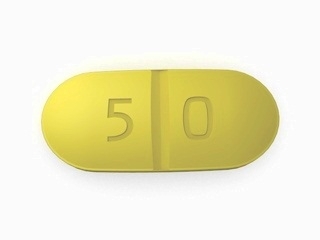
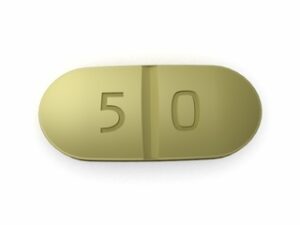
- Alcohol dependence: often taken once daily (commonly 50 mg daily in clinical use).
- Opioid relapse prevention: dosing is often based on established protocols, typically 50 mg daily after detoxification, provided the person is opioid-free and medically assessed.
Important: Your clinician or prescriber will provide the most accurate dosing plan for your situation. Do not start or restart naltrexone if you may still be using opioids or if you are experiencing opioid withdrawal symptoms unless specifically instructed.
If you miss a dose
- Take it as soon as you remember on the same day.
- If it is nearly time for the next dose, skip the missed dose and continue as normal.
- Do not take a double dose to make up for a missed tablet.
Food interactions and absorption
Food generally has no major effect on naltrexone’s effectiveness for most people. Revia can usually be taken with or without food. If it upsets your stomach, taking it with food may help reduce nausea.
- If you experience nausea: consider taking it after a meal.
- Stay consistent: taking it the same way each day may help reduce stomach side effects.
Alcohol interactions
Revia is used in some people with alcohol dependence, but alcohol still interacts with your safety and recovery. Naltrexone may reduce the “reward” you get from alcohol for some individuals, yet drinking can still be harmful and can worsen mood, sleep, liver health, and risk-taking behaviour.
Key points for safety:
- Try to follow your agreed drinking goal or abstinence plan.
- Avoid binge drinking.
- If you drink heavily, speak to a healthcare professional promptly, especially if you have liver problems or symptoms such as abdominal pain or yellowing of the skin/eyes.
Interactions with other medicines
The most important interactions involve opioid-containing medicines and some other drugs that can affect the central nervous system. Always check your medication list with a pharmacist or healthcare professional.
Opioid medicines (strong caution)
Naltrexone blocks opioid receptors. This can:
- Reduce the pain-relieving effects of opioid analgesics (such as morphine, oxycodone, codeine, tramadol, and others).
- Increase risk of reduced effectiveness of emergency pain relief if opioids are needed.
- In some circumstances, precipitate opioid withdrawal if opioids are still in the body.
Tell healthcare professionals (including dentists and emergency services) that you take Revia. They can plan pain control and emergency care accordingly.
Other central nervous system (CNS) medicines
Naltrexone may cause dizziness or drowsiness in some people. Be cautious when combining with medicines that also cause sleepiness, such as:
- Some sleep medicines
- Some anxiety medicines
- Antipsychotics
- Other sedating medicines
Medicines affecting the liver
Because naltrexone can affect the liver, extra caution is advised if you take medicines known to stress the liver or if you have existing liver disease. Your pharmacist can help review your medication list for potential liver-related risks.
Indications – who Revia is for
Revia is indicated for use in adults in line with local clinical guidance and eligibility criteria. In simple terms, it is considered when:
- Alcohol dependence: to help reduce relapse risk and heavy drinking in people who are motivated to change drinking behaviour.
- Opioid dependence: to help prevent relapse after opioid detoxification and when the person is opioid-free for an appropriate period.
It is not intended as a treatment for acute intoxication. It should not replace essential medical care for withdrawal complications or severe alcohol-related illness.
Safety profile and possible side effects
Common side effects
Side effects vary between individuals. Many are mild and may improve after the first weeks of treatment. Commonly reported effects include:
- Nausea
- Headache
- Dizziness
- Fatigue or tiredness
- Abdominal discomfort
- Sleep disturbances
Less common but important effects
- Liver-related changes: Elevated liver enzymes can occur. Risk may be higher with higher doses or in people with existing liver disease or ongoing alcohol misuse.
- Allergic reactions: Rarely, medicines can cause hypersensitivity reactions.
- Depression or mood changes: Some people report changes in mood; if you feel significantly worse, seek medical advice promptly.
Seek urgent medical help if
- You develop signs of serious liver problems (e.g., yellow skin/eyes, dark urine, severe upper abdominal pain, persistent vomiting).
- You experience severe allergic symptoms (swelling of face/lips, difficulty breathing, widespread rash).
- You have symptoms of opioid withdrawal shortly after starting or restarting (this requires urgent assessment).
Who should be extra cautious?
- People with liver disease or abnormal liver tests.
- People taking opioids or with recent opioid exposure.
- People with a history of depression or significant mood instability.
- People with poor nutrition or significant ongoing heavy alcohol use.
Practical tips for using Revia effectively
- Start safely: Ensure you are opioid-free if the medicine is being used for opioid relapse prevention, following the advised opioid-free interval from your clinical team.
- Track your progress: Note drinking patterns (or opioid cravings) and any side effects. This helps your healthcare team adjust the plan if needed.
- Use reminders: Phone alarms, blister-pack organisers, or setting a daily routine can help adherence.
- Plan for cravings: Medication can reduce urges for some people, but behavioural strategies matter. Consider counselling, motivational support, or peer support.
- Look after your liver: Avoid unnecessary alcohol, follow nutrition advice, and attend recommended blood tests if arranged.
- Carry a medication list: In case of emergency, ensure healthcare staff know you take naltrexone.
Alcohol and opioid interactions – important considerations
What happens if you drink while taking Revia?
For alcohol dependence, naltrexone may lessen the reinforcing effects of alcohol, but it does not make drinking “safe.” Alcohol can still damage the liver and increase health risks, especially if you have pre-existing liver disease.
What happens if you take opioids while taking Revia?
Because naltrexone blocks opioid receptors, opioid medicines and recreational opioids may have reduced effects. This can lead people to take more than expected, which is dangerous—especially because when naltrexone’s effect wanes, opioids can become active again.
Never attempt to “override” the blockade. If you need pain relief or have an emergency, seek medical help and inform staff that you are taking Revia.
Alternative options (UK perspective)
Treatment for alcohol dependence or opioid relapse prevention can involve medication, psychological therapies, and support services. Alternatives may include:
For alcohol dependence
- Acamprosate: helps maintain abstinence for some people after stopping drinking.
- Disulfiram: causes an unpleasant reaction if alcohol is consumed (not suitable for everyone).
- Psychosocial support: counselling, structured therapy, and community support can be central to recovery.
For opioid relapse prevention
- Buprenorphine (with or without naloxone, depending on formulation): an opioid agonist/partial agonist approach.
- Methadone: a long-acting opioid used under specialist monitoring.
- Psychological and social support: reducing triggers, building routines, and addressing underlying factors.
The best option depends on your health, preferences, previous treatment history, and risk factors. A specialist service can help tailor a plan.
Market and legal context in the United Kingdom
In the UK, medicines for dependence-related conditions are provided through NHS services and other regulated routes. Naltrexone is used in clinical practice for eligible adults, and local guidance may be updated based on new evidence and safety considerations.
Online pharmacies in the UK must comply with medicines regulations, including identity checks and safe supply processes. Availability can vary depending on supply, strength, and packaging.
Recent guidance and monitoring (general overview)
Recent clinical practice emphasises safety screening and ongoing monitoring where appropriate, including:
- Assessment for opioid-free status before starting naltrexone when used for opioid relapse prevention.
- Liver health evaluation before and during treatment, especially in people with risk factors for liver disease.
- Review of all current medicines, particularly opioids and sedating medicines.
- Combining medication with psychosocial support for improved long-term outcomes.
If you have questions about monitoring in your specific case, speak to a qualified healthcare professional or pharmacist.
Delivery and availability in the UK
Availability of Revia (naltrexone) can vary by strength and packaging. When supplied through an online pharmacy, delivery options typically depend on the selected service level and local courier availability.
- Packaging: Medicines are usually dispatched in tamper-evident packaging.
- Delivery times: Delivery estimates vary by address and dispatch schedule.
- Tracking: Many deliveries include tracking information.
- Storage: Store tablets according to the instructions on the outer pack (generally at room temperature, away from moisture and heat).
If you are ordering for the first time, ensure your delivery address is accessible and that someone can receive the parcel if required.
Frequently Asked Questions (FAQ)
1) Is Revia suitable for everyone with alcohol dependence?
Not always. Revia may be suitable for eligible adults, but other treatments may be preferred depending on your health, liver function, and drinking goals. A healthcare professional can help decide what is right for you.
2) Why is opioid-free status important before taking naltrexone?
Naltrexone blocks opioid receptors. If opioids are still present in your system, it can trigger rapid withdrawal symptoms. This is why clinicians carefully assess timing and opioid-free status.
3) Can I take opioid painkillers while on Revia?
Opioid painkillers may work poorly because naltrexone blocks their effect. If you need pain relief, tell healthcare professionals you take Revia so they can plan the safest approach.
4) Does food affect Revia?
Usually not significantly. If you feel sick after taking it, try taking the tablet with food. Keep a consistent routine to improve tolerance.
5) What if I drink alcohol while taking Revia?
If you are taking Revia for alcohol dependence, it may reduce some alcohol-related reward effects, but drinking can still be harmful. Avoid binge drinking and follow your agreed treatment plan.
6) Can Revia harm my liver?
Naltrexone can affect liver enzymes. People with existing liver disease or ongoing heavy alcohol use may need extra caution and monitoring. Report symptoms such as yellowing of the skin/eyes or persistent abdominal pain promptly.
7) What should I do if I experience side effects?
Mild side effects may improve over time. If side effects are troubling, persistent, or severe—especially dizziness that affects safety, mood changes, or liver-related symptoms—contact a healthcare professional for advice.
8) How long does Revia take to work?
Some people notice changes early (such as reduced cravings), while others require several weeks for benefits to become clearer. Your response may also depend on counselling and support strategies.
9) Can I stop taking Revia suddenly?
Do not stop or change the dose without advice. If you’re considering stopping, discuss it with your healthcare professional so they can support a safe transition and relapse-prevention plan.
10) Are there alternatives if Revia is not right for me?
Yes. Depending on your situation (alcohol dependence vs opioid relapse prevention), alternatives may include other medications and structured psychological support. A clinician can help you choose a suitable plan.
When to contact a pharmacist or healthcare professional
Contact a pharmacist or healthcare professional if you have questions about:
- Starting Revia in relation to recent opioid use
- Possible interactions with your current medicines
- Signs of liver problems
- Severe or persistent side effects
This information is intended as a general patient guide and does not replace personalised medical advice.